6 Snake-Filled Waters In New Mexico
New Mexico’s water bodies reflect the state’s distinct geography, from the broad Rio Grande bosque that threads Albuquerque and Socorro to the spring-fed pools of the Gila Wilderness and the sandstone-lined channels of the San Juan River. Seasonal monsoon rains and winter-spring snowmelt swell arroyo systems, playa lakes, and acequia-fed wetlands, creating pulses of amphibian and small-mammal prey that sustain dense snake activity along reservoir margins, riverbanks, and riparian corridors. Large reservoirs, such as Elephant Butte Lake and Caballo Lake, alter shoreline structure and expose sun-warmed rock and driftwood, which are used for basking. In contrast, canyon pools and cottonwood galleries along the Pecos and Gila offer cooler refuges and denning crevices. Prepare to explore New Mexico’s waterways and learn where snakes concentrate, how they use local habitats, and how to observe them safely.
Elephant Butte Lake

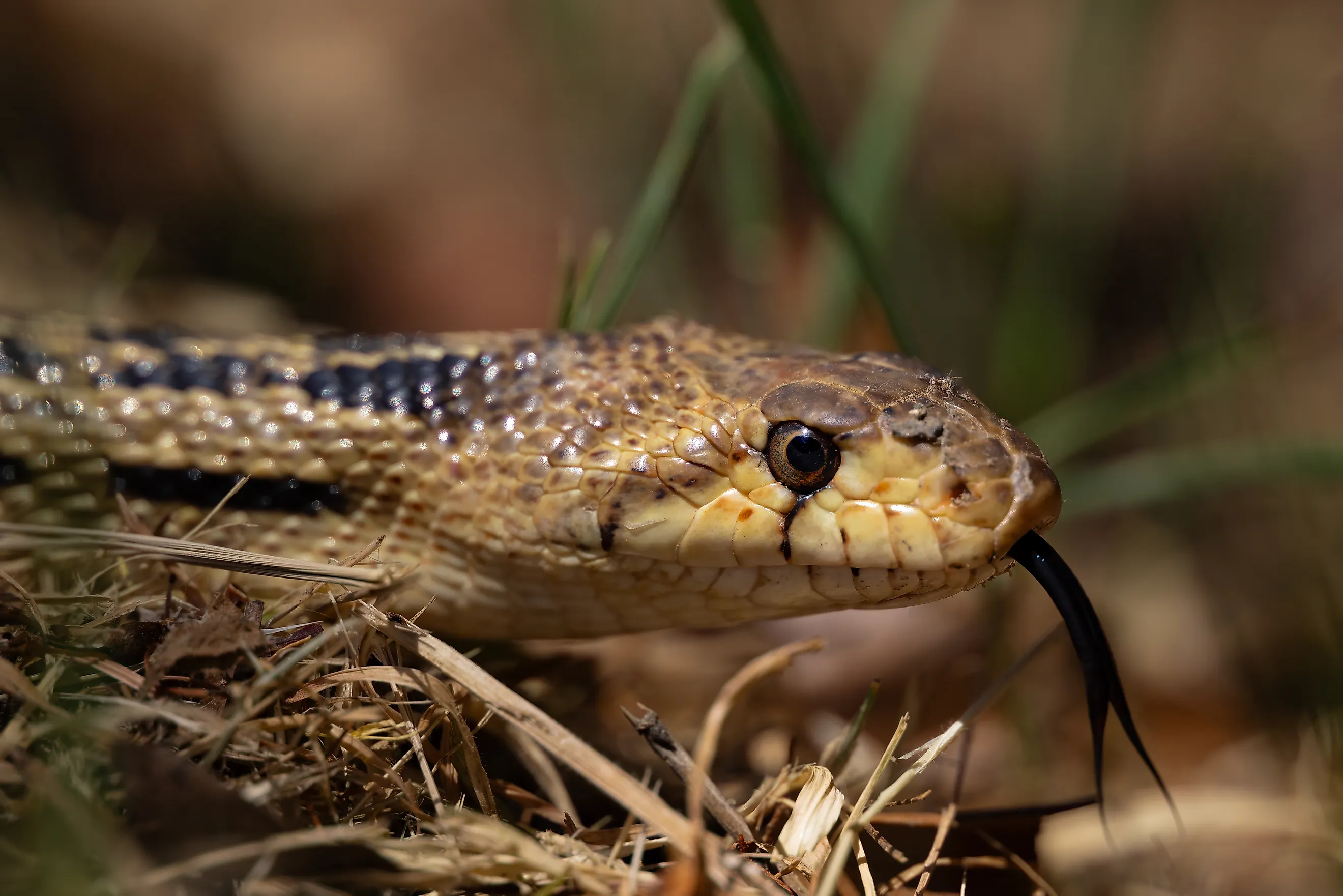
Elephant Butte Lake ranks among the most active snake hotspots in New Mexico because of its scale, shoreline complexity, and warm, south-central location. The reservoir’s shallow coves, rocky peninsulas, and islands provide sun-warmed basking sites and hidden retreats for many snake species, especially nonvenomous garter snakes and gopher snakes, as well as occasional sightings of rattlesnakes on nearby uplands. Vegetation pockets and riparian edges concentrate amphibian and small mammal prey, which in turn draws snakes into the margins where boat landings and coves meet shallows.

Anglers and campers report frequent encounters along back-in coves and low-vegetation beaches in the spring and early summer, when snakes are most active after emerging from winter dormancy. Management of recreational access and fluctuating water levels influences where snakes concentrate from one season to the next, since exposed banks and emergent vegetation expand habitat during lower reservoir stages.
Caballo Lake State Park

Caballo Lake, Caballo, NM
Caballo Lake State Park offers long, sinuous shorelines and brushy banks where snakes commonly forage and rest. The reservoir is situated along the lower Rio Grande system in southern New Mexico, and its shoreline mosaic of reeds, rocky points, and floodplain shrubs provides an abundance of microhabitats. Gopher snakes and black-necked garter snakes are frequently recorded around marshy inlets and irrigation return channels, where frogs, fish, and rodents supply steady food resources. Human activity is concentrated at campgrounds and boat ramps, and snakes often use the quieter, brush-lined arms of the lake to avoid people while still accessing their prey.

Seasonal water-level shifts expose mudflats and driftwood, creating additional basking and hunting sites for snakes. Riparian corridors that connect to the broader river floodplain allow snakes to move along miles of habitat. Visitors should stay aware of where they place their hands and feet near brush and rock piles while exploring shoreline trails.
Bosque del Apache National Wildlife Refuge

The wetlands and managed ponds of Bosque del Apache National Wildlife Refuge lie in a broad Rio Grande floodplain where water attracts diverse prey and, in turn, a healthy snake fauna. Seasonal marshes, irrigation-fed wetlands, and adjacent uplands form a patchwork that supports garter snakes, water-associated colubrids, and occasional rattlesnakes along drier terraces. Refuge management for waterfowl and wading birds has created permanent and semi-permanent shallow pools that concentrate amphibians and small fish, making the pond edges prime hunting grounds for snakes during the warm months. The refuge’s combination of wetlands, riparian trees, and agricultural fields yields both cover and foraging opportunities, while the length of the Rio Grande corridor nearby acts as a travel route for snakes moving between habitats.

Observations and biodiversity lists maintained for the refuge document frequent snake sightings, highlighting how protected riparian landscapes support herpetofauna in a largely arid region. When visiting the refuge, maintain a respectful distance from wildlife and keep to established trails and viewing platforms.
Gila River

Riverine canyons and bosque pockets along the Gila River and its forks support an exceptionally varied snake community because the Gila watershed retains long stretches of intact riparian forest and rocky canyon habitat. The combination of cooler, higher-elevation headwaters and warmer lowland reaches produces diverse microclimates that suit species ranging from water-tolerant garter snakes to rock-dwelling rattlesnakes. Narrow river corridors, seasonal side channels, and talus slopes offer both feeding sites and denning crevices. Snakes concentrate in areas where the river widens into calm pools fed by springs, where frogs and small fish thrive, and along riparian edges that provide dense cover.

Naturalists and regional herpetology accounts note that the Gila region is crucial for preserving snake diversity in New Mexico due to its relatively continuous forested reaches, compared to more fragmented riparian systems across the state. Hikers and river rafters encounter snakes more often at dawn and late afternoon, when reptiles are active foraging or moving to basking sites.
Pecos River

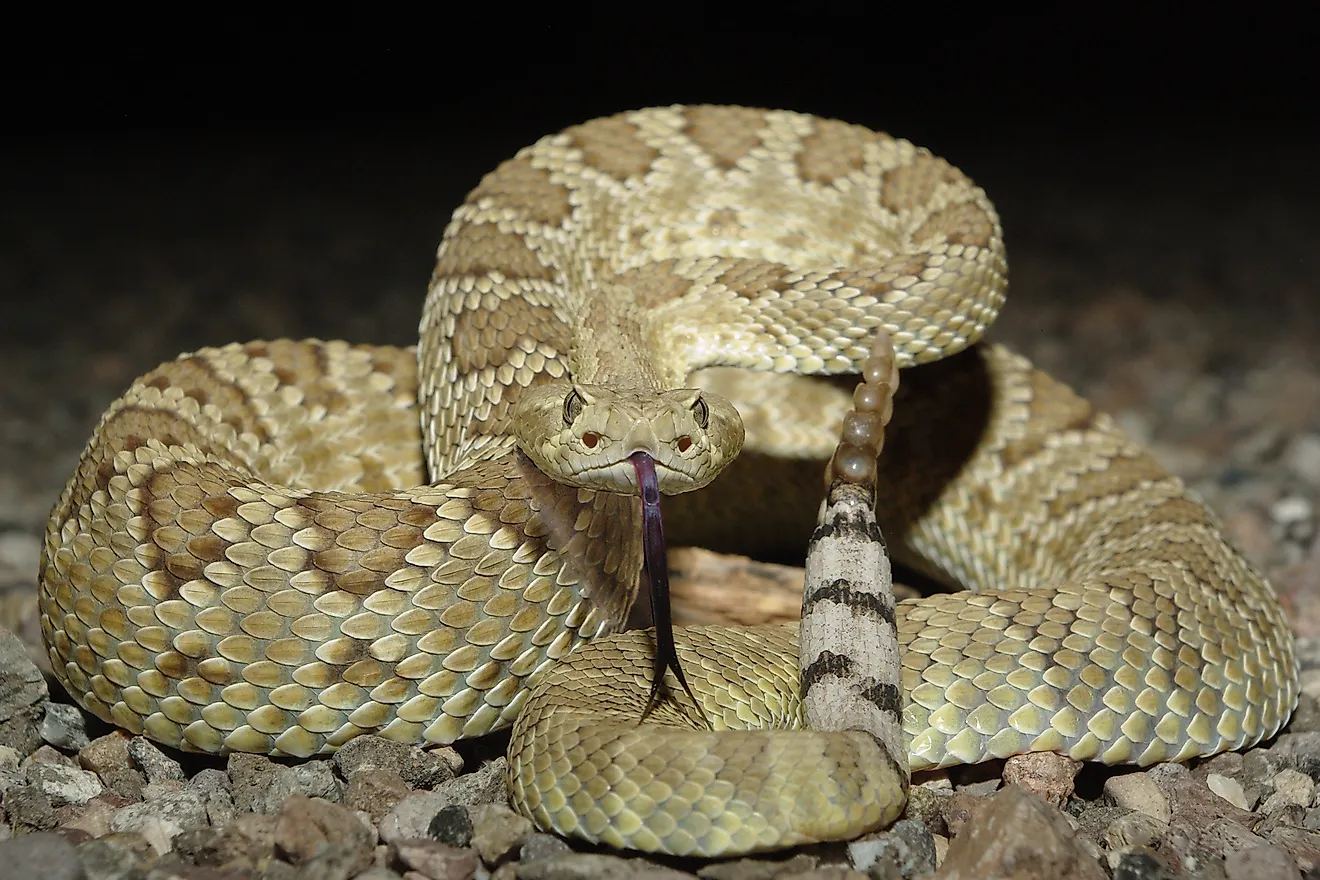
The Pecos River drains the high country and passes through canyons, meadows, and arid lowlands, creating a sequence of habitats that encourages snake abundance. Where the river runs through woodlands and irrigated meadows, amphibian and rodent populations create dependable prey bases, and snakes, such as the plains rattlesnake and various colubrids, hunt along the riverbanks and adjacent grasslands. Steep canyon walls and rock outcrops near the Pecos generate thermal gradients ideal for basking, while floodplain vegetation offers concealment and ambush points. Park rangers and visitors in Pecos National Historical Park and surrounding public lands report regular encounters with rattlesnakes in the spring and summer, particularly in areas with mixed rock and brush habitats near trails.

Conservation of river corridors and riparian vegetation helps sustain snake populations by preserving prey and thermal resources across the river’s course. If planning fieldwork or photography in the Pecos corridor, wear sturdy boots and be alert near rock piles, fallen logs, and dense grass.
San Juan River

The San Juan River in northwest New Mexico threads through riparian galleries, cottonwood-lined banks, and sandstone margins that concentrate both aquatic and terrestrial prey. Fish-rich pools and adjacent wetlands encourage populations of water-associated snakes, while riparian corridors linking to desert-scrub slopes support species that exploit both aquatic and upland foraging opportunities. In areas near Farmington and tributary confluences, observers commonly note gopher snakes and garter snakes in river-side vegetation, and occasional sightings of larger colubrids appear on sandy bars or rock exposures.

The San Juan’s long, linear riparian strips act as travel lanes for snakes moving between wetlands, agricultural ditches, and rocky uplands so that encounters may occur across broad reaches rather than in a single hotspot. Anglers and river users should exercise caution when reaching under rocks or into brush to retrieve gear, and photographers should respect snakes’ space to avoid stressing the animals or prompting defensive behavior.
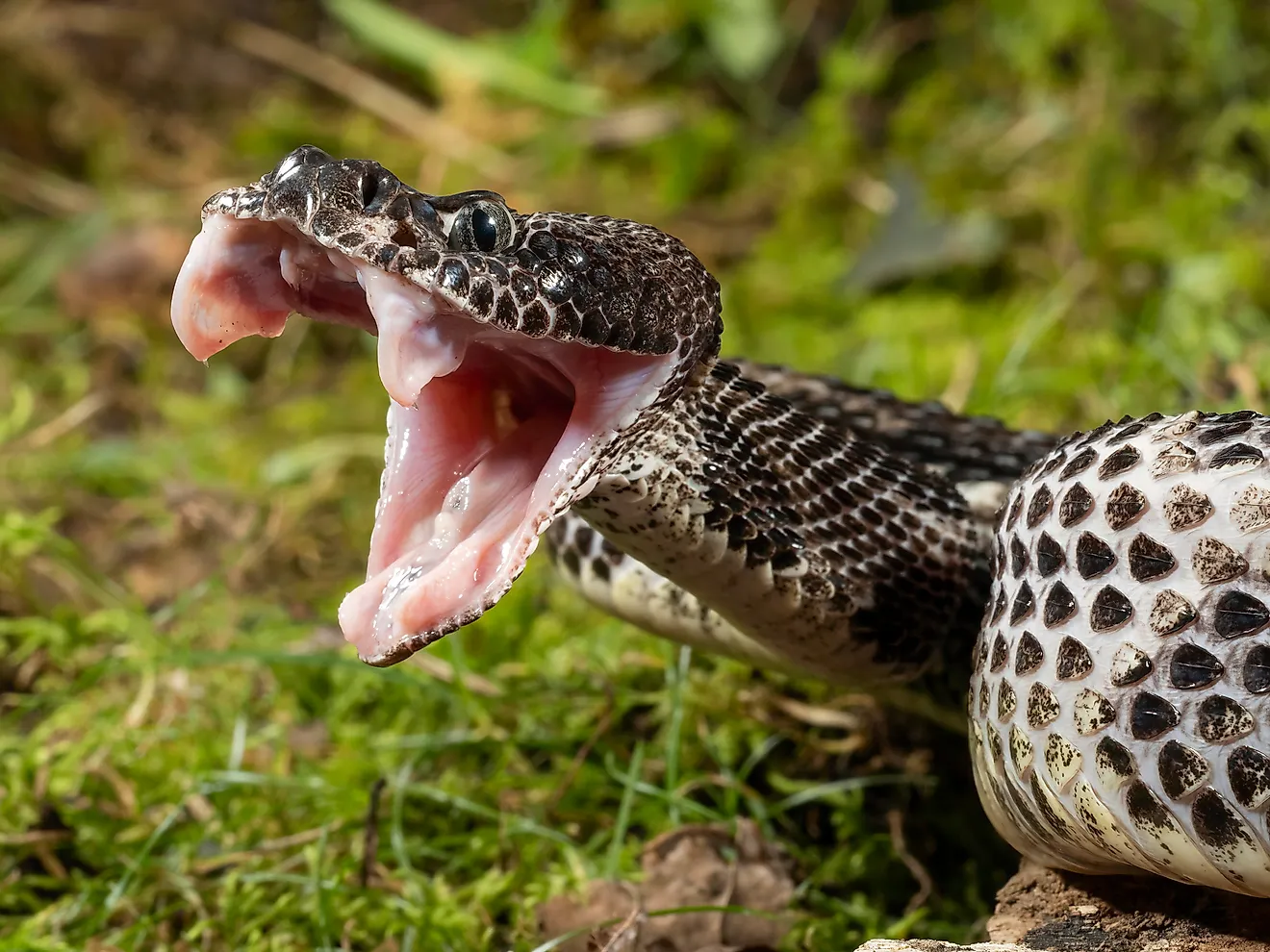
New Mexico’s waters and their riparian margins are fundamental places to observe the state’s snake diversity, but those same places require both caution and respect. Most New Mexico snakes are nonvenomous, while a smaller number of rattlesnake species are venomous and warrant careful distance and awareness. State extension materials and regional herpetological groups provide clear information on identification, seasonal activity, and safe behavior around snakes. Readers planning outings should consult local land managers for current guidance and access rules. Observing snakes from a distance, not disturbing dens or nesting sites, and leaving natural debris intact all support healthy snake populations while reducing risk to people. New Mexico’s waters are among the best field windows into the state’s abundant reptile life. When visited responsibly, they reward visitors with memorable wildlife encounters and a deeper appreciation for the state’s riparian ecosystems.