5 Snake-Filled Waters In Tennessee
Tennessee’s various rivers and reservoirs provide optimal conditions for a surprising number of large snake communities. Warm waters, long growing seasons, and abundant prey support multiple water-dependent species across the state's meandering creeks/rivers, dam-created lakes, and countless backwaters, each offering lots of cover, basking sites, and feeding areas that these slithery critters rely on from spring through fall.
While sightings vary by season and habitat, certain waters consistently produce higher concentrations than others. With that, we will identify Tennessee’s most snake-filled bodies of water and explain why such locations support such dense populations, focusing on the specific ecological factors that draw these cold-blooded predators.
Tennessee River

To start off, the Tennessee River is one of the most snake-populated waterways in the state due to its sheer length, abundance of slow-moving sections, and extensive shoreline habitat covering a variety of different biomes. Stretching hundreds of miles through Tennessee, the river passes through wetlands, backwaters, sloughs, prairies, and wooded banks that support large populations of all kinds of reptiles.
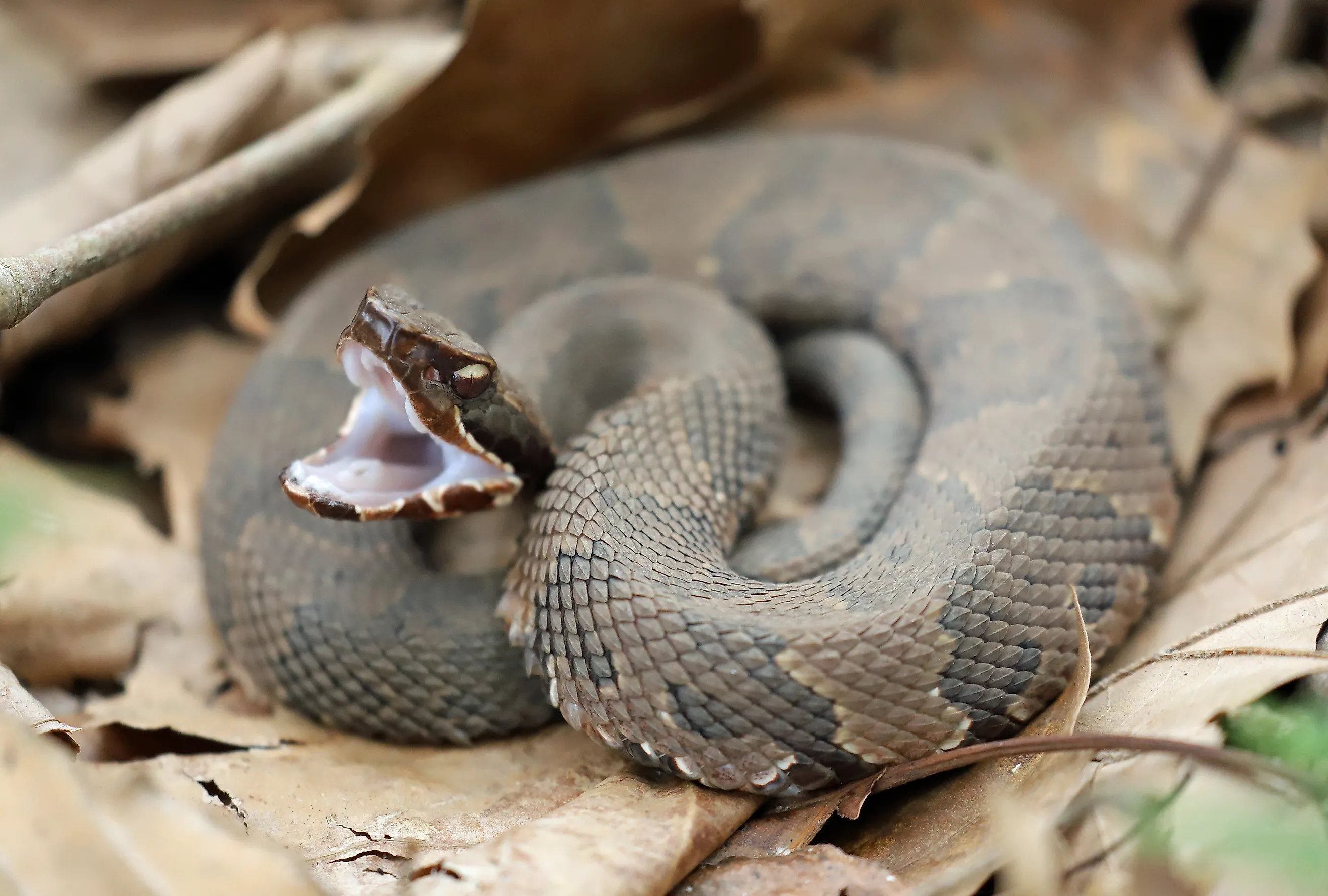
Cottonmouths, southern watersnakes, plain-bellied watersnakes, and eastern ribbon snakes can be found along calm bends and near tributary mouths. These snakes are more specifically most active in shallow coves, riprap-lined banks, and areas with fallen timber where prey is plentiful. Moreover, the river’s generally warm summer temperatures and steady supply of smaller prey sustain high densities year-round.
The Tennessee River is a major navigation and recreation corridor, shaped by a series of dams that create broad reservoirs popular with anglers and boaters, so always watch out for any snakes crossing the water before you cast a line.
Chickamauga Lake

Chickamauga Lake is a renowned snake habitat largely due to its expansive shallow zones and heavily forested shoreline. A reservoir created by the Chickamauga Dam on the Tennessee River, this man-made lake also features lots of backwaters, surrounding grassy flats, and peaceful coves that provide ideal conditions for snakes like cottonmouths and timber rattlesnakes, which are frequently reported along muddy banks and cloesby woodlands, while northern watersnakes and plain-bellied watersnakes are more common around marinas and rocky edges.
As usual in this four-season state, snake activity increases during late spring and summer when water temperatures rise, and prey becomes more abundant. The lake also hosts large numbers of fish, frogs, and small mammals, sustaining healthy snake populations across wide areas.
Chickamauga Lake is also known nationally for its bass fishing, drawing heavy boat traffic, which often brings people into close proximity with shoreline-dwelling snakes, especially in quieter, less-developed sections of the reservoir.
Reelfoot Lake

Reelfoot Lake stands out as one of the most lively bodies of water in all of Tennessee for both humans and animals. Formed by a series of powerful earthquakes in 1811 and 1812, this relatively shallow lake is ringed by cypress trees, flooded timber, and marshy backwaters that create an idyllic snake habitat. With an alleged 30 species in and around these waters, the most commonly encountered here include cottonmouths, northern watersnakes, and plain-bellied watersnakes, all drawn to the lake’s abundant fish, amphibians, and warm, still water.
Note that Reelfoot Lake’s silty, low visibility, and dense vegetation can make snakes harder to spot, especially during warmer months when activity increases. But beyond snakes, animal lovers can appreciate the fact that this lake is a major ecological site for other creatures, too, supporting migratory birds, bald eagles, and one of the most productive crappie fisheries in the region.
Norris Lake

Norris Lake supports significant numbers of water-dwelling snakes, particularly along its long, over 800-mile shoreline and undeveloped coves. Formed by Norris Dam on the Clinch River, this reservoir houses the steep forested banks, rocky ledges, and quiet inlets that provide tons of shelter and basking areas for snakes.
Northern watersnakes, racers, and rat snakes are commonly observed near the water’s edge, while eastern garter snakes and eastern ribbon snakes are frequent in shallow, vegetated areas. Unlike the rest of this southern state, cottonmouths are less widespread here than in lowland reservoirs but do sometimes occur in calmer, debris-filled sections.
Norris Lake’s clear water and cooler temperatures reduce overall visibility issues often seen in other Tennessee bodies of water, and its length/extensive shoreline create ample habitat that can be explored for days on end. It is also known for its remarkably deep water, rugged terrain, and relatively low-key setting compared to many other Tennessee reservoirs, perfect for anyone looking for a true escape into the wild.
Kentucky Lake

Kentucky Lake is a massive, 184-mile-long body of water sitting in both Tennessee and Kentucky, with an extensive extensicve array of wetland around its edges. Formed by the Kentucky Dam on the Tennessee River, the lake has created miles of backwaters, flooded forests, reed beds, and undeveloped coves where many of its snake populations live.
Timber rattlesnakes and cottonmouths are widespread along its shorelines and stump-filled flats, while northern watersnakes and plain-bellied watersnakes are common around docks, riprap, and creek mouths. The lake’s warm, often turbid water provides cover for both predators and prey, with snake activity notably increasing after the winter snows melt in the spring. If you're in the area during this time, just be extra sure to watch your step, especially in tall grasses and adjacent woodlands.
Watch Out for Snakes in these Tennessee Waterways
These rivers and reservoirs combine a plethora of factors that consistently support higher snake populations. Understanding where and why snakes concentrate in the above-mentioned destinations helps explain their presence and reduces unnecessary fear before you head out for an outdoor adventure. In most cases, these snakes are simply using productive habitats that also attract fish, birds, and people, and will only attack if cornered.