5 Snake-Filled Waters In Southern California
Although a lot more desert-like than its northern counterpart, Southern California’s variety of waterways supports a surprising diversity of snakes, particularly where freshwater wetlands, riparian zones, and parks create stable, natural habitats. Locations such as the Santa Ana River and the Salton Sea illustrate how productive these ecosystems can be, while others are simply popular among nature-seeking visitors from nearby cities. In many cases, limited water sources concentrate local wildlife, creating environments where snakes become a regular and visible part of the landscape, whether you are hiking, camping, or studying. Here are 5 bodies of water in SoCal where you should always watch your step to avoid a potential bite.
Salton Sea

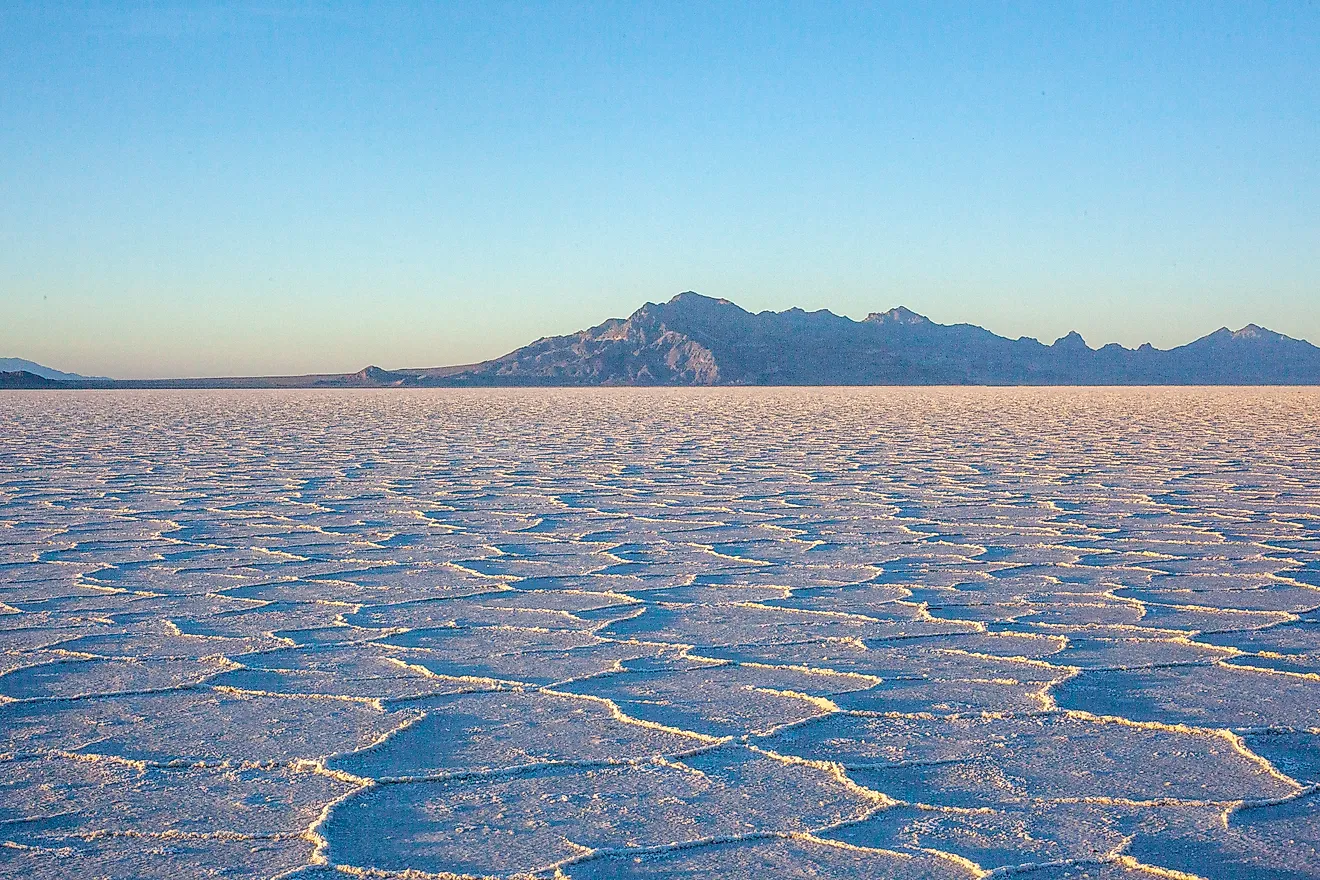
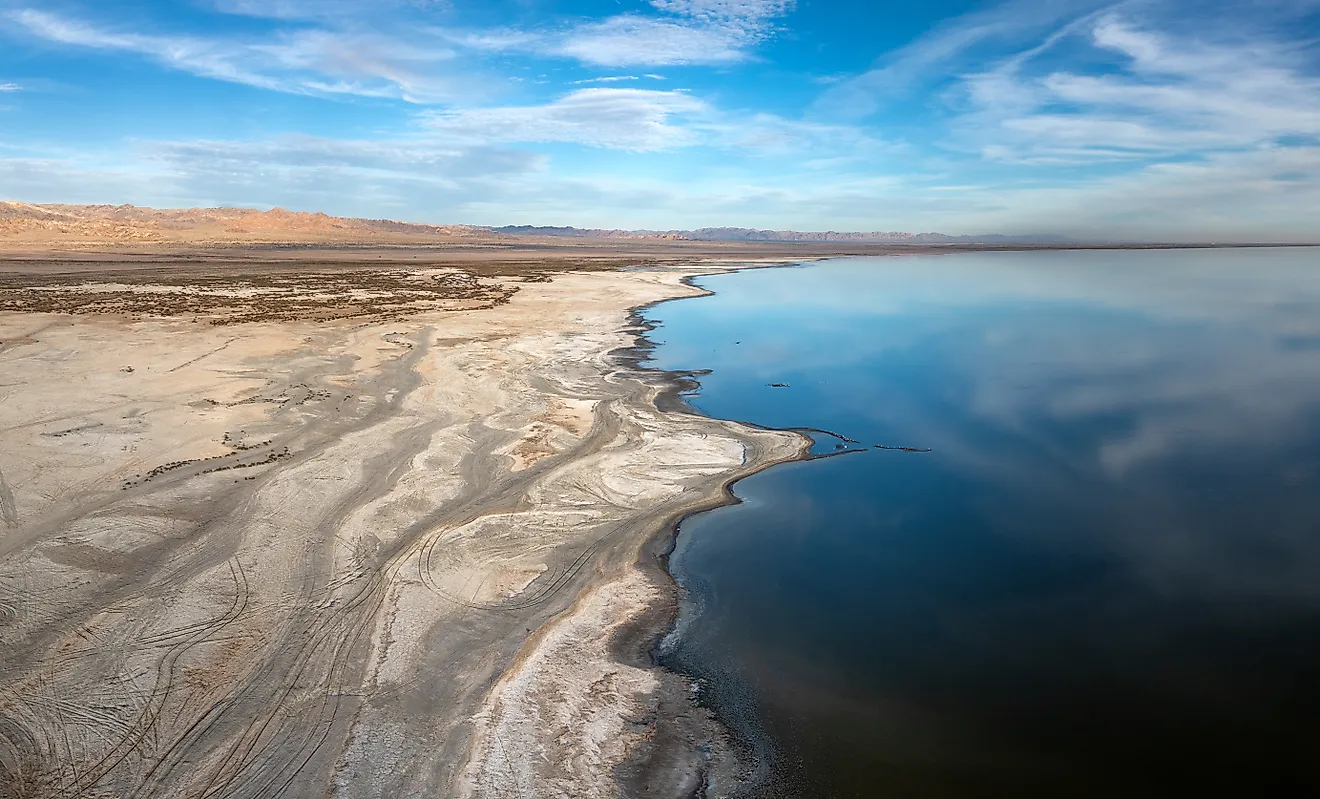
One overlooked location for aquatic and semi-aquatic snakes in Southern California is the Salton Sea. Formed accidentally in 1905 when the Colorado River breached local irrigation canals, this lake now sits about 236 feet below sea level and remains one of the region’s largest inland water bodies.
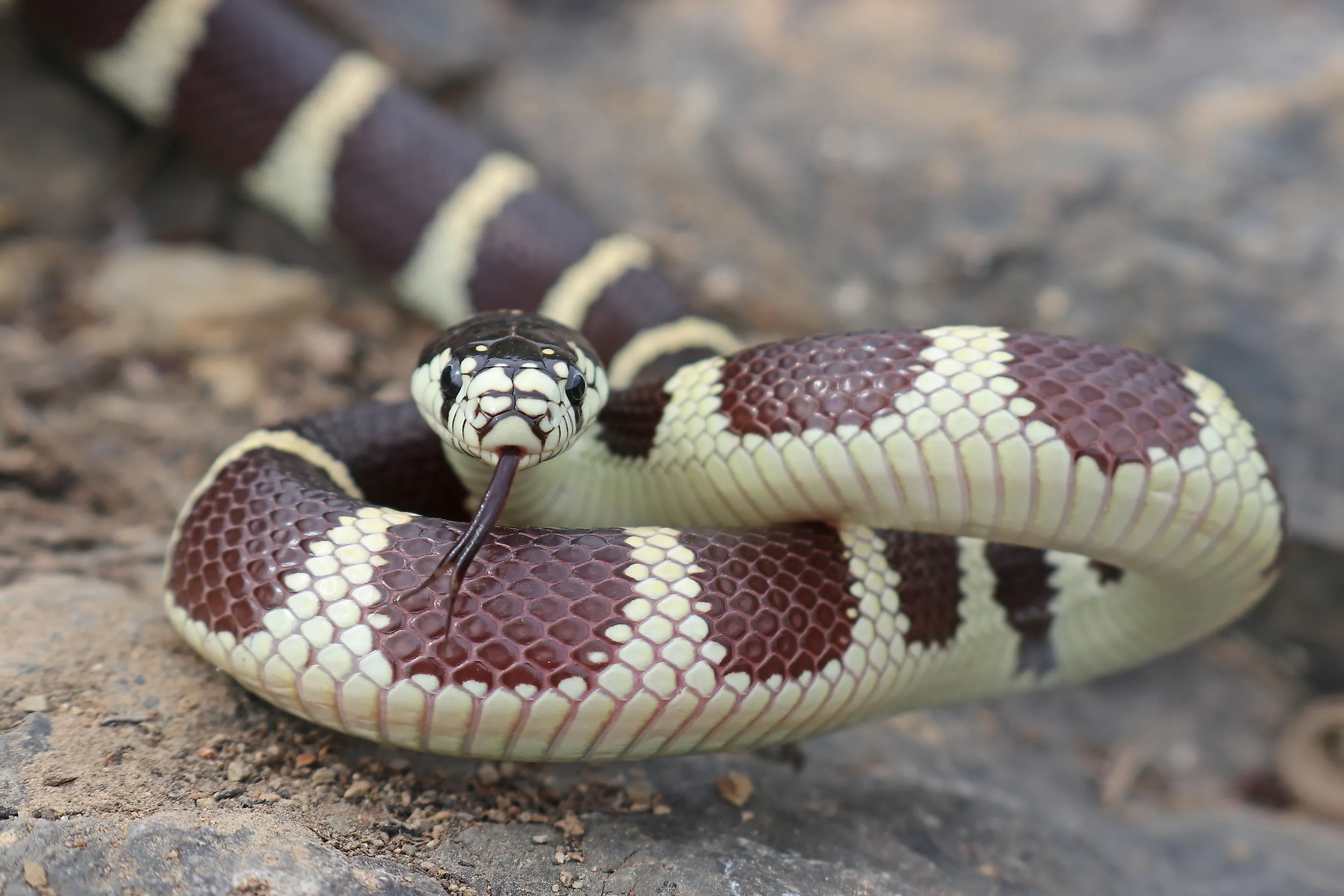
Its shoreline marshes and irrigation inflows support populations of amphibians, small fish, and rodents, all of which attract several snake species. Gopher snakes, California king snakes, and coachwhips appear regularly around the surrounding desert scrub, often patrolling the same canals that feed the lake.
The area is also known to support extensive birdlife, primarily within the nearby Sonny Bono Salton Sea National Wildlife Refuge, making the shoreline a biologically active environment where reptiles and waterbirds coexist in unusually high amounts for such an otherwise desolate destination.
Lake Hodges

A productive freshwater habitat for snakes in Southern California is Lake Hodges. This reservoir on the San Dieguito River sits between Escondido and Rancho Santa Fe, just north of San Diego, and is bordered by riparian woodlands, marshy coves, and brush-covered hillsides. These habitats boast a steady population of aquatic snakes, especially two-striped garter snakes.
These fast-moving predators patrol the shallow shoreline and creek inflows, feeding primarily on fish, tadpoles, and small amphibians, and during warm months, they are frequently seen swimming across narrow inlets or resting on shoreline rocks. The surrounding slopes also host California king snakes, gopher snakes, a variety of rattlesnakes, and occasional coachwhips that hunt rodents and lizards near the water’s edge.
Lake Hodges lies within the larger San Dieguito River Park trail network, which protects long stretches of riverside habitat as well as plenty of recreational space for nearby city dwellers, making snake sighting all the more common here.
Lake Casitas

A quieter, but very biologically diverse snake hotspot appears around Lake Casitas. Created in 1959 by the construction of Casitas Dam on Coyote Creek, the reservoir supplies drinking water to much of Ventura County, while its coves, reed beds, and temperate shallows provide ideal hunting grounds for aquatic reptiles.
California kingsnakes are regularly encountered around the lake’s marshy margins and rocky banks, and although best known as terrestrial hunters, they often patrol shoreline habitats, too, where rodents, lizards, and even smaller snakes gather near water sources. Pacific gopher snakes are also fairly common in the surrounding chaparral and frequently approach the shoreline while on the search for food.
The lake sits near the forested foothills of Los Padres National Forest, which helps preserve large stretches of undeveloped habitat for native flora and fauna. Like many of the other spots on this list, this parkland also hosts a good amount of trails and other outdoor green spaces for human use, mainly folks looking to escape Santa Barbara or Los Angeles for an afternoon or two.
Santa Ana River

A renowned snake habitat in Southern California is the Santa Ana River. Going on for 96 miles from the San Bernardino Mountains to the Pacific Ocean, it is the region’s largest river system. While much of the river has been channelized through urban areas, several stretches still boast sizable swathes of dense vegetation, remote backwaters, and meandering side channels, excellent for aquatic snakes.
Garter snakes are among the most prevalent species encountered along these sections. They hunt directly in the water, feeding on fish and other water-dwelling critters that frequent shallow pools and vegetated banks. Red-sided garter snakes also occur along quieter stretches where insect and frog populations are healthy.
Some of the best, most pristine remaining habitat along this waterway lies within the protected corridor of the Santa Ana River Wildlife Area. Here, restored wetlands and seasonal ponds create idyllic living conditions for a number of other semi-aquatic snakes as well, where anglers in particular frequently report sightings.
Lake Perris

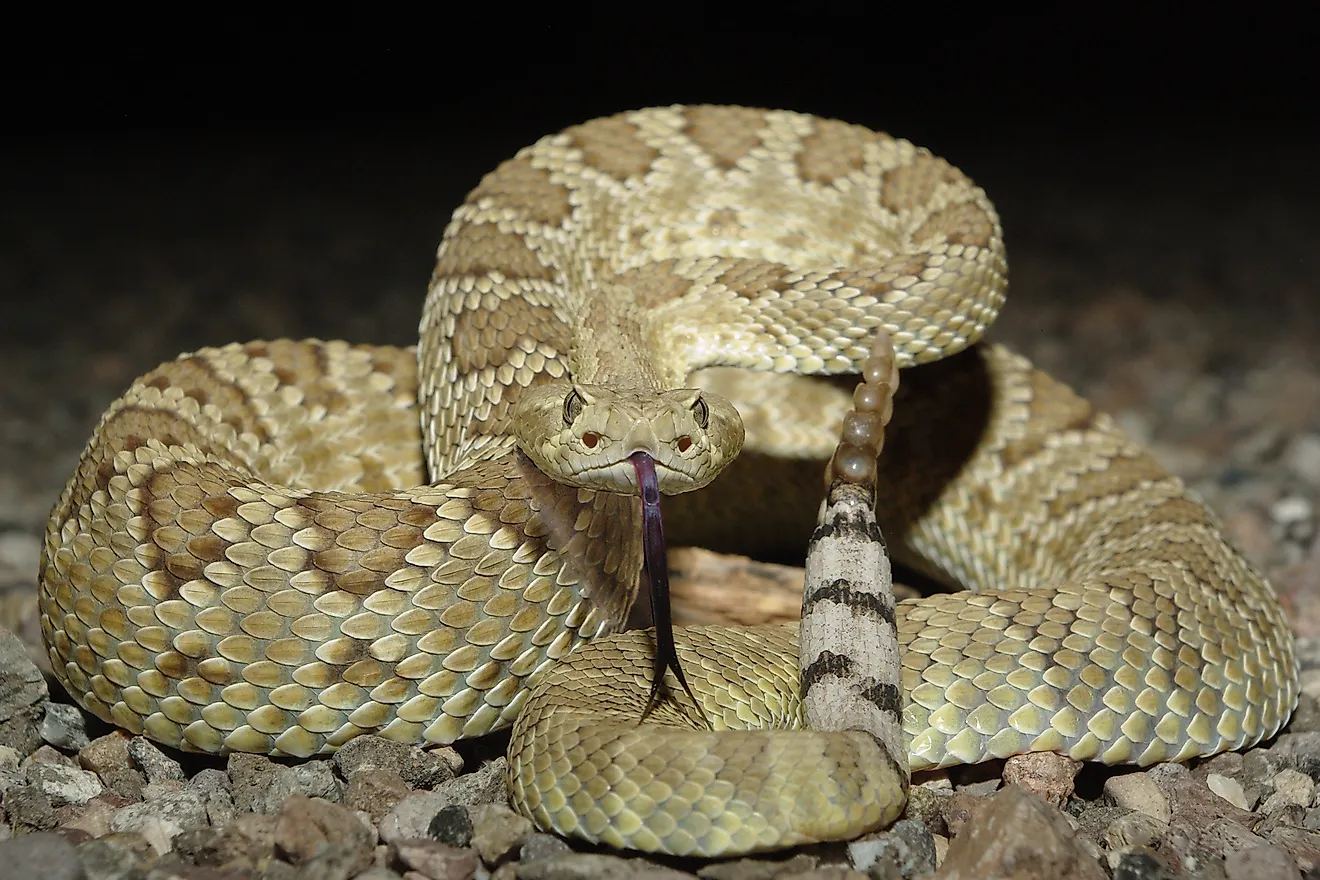
Lake Perris is another large reservoir, located within Lake Perris State Recreation Area on the outskirts of San Bernardino. It combines open water with wetlands, cattail marshes, rocky shorelines, and surrounding grassland. One of the most frequently observed snakes here is the southern Pacific rattlesnake, and although primarily terrestrial, these venomous snakes often patrol shoreline habitats where small prey, such as ground-nesting birds, concentrate.
Furthermore, warm, open rock outcrops around the lake provide ideal basking sites, especially during spring and early summer, whereas the marshier edges of the reservoir also attract garter snakes, which like to forage for frogs and small fish in shallow water.
Because the lake sits in an otherwise dry inland valley, it serves as a major wildlife concentration point. Birds, mammals, amphibians, and reptiles all gather around the reservoir’s limited freshwater sources, creating a lively ecosystem where snakes, among a diversity of other animals and plants, are a regular sight along trails and scenic shoreline areas.
Will You Spot a Snake at Any of These Watery SoCal Hotspots?

Southern California’s network of rivers and lakes contains far more reptile activity than many visitors expect. Wherever stable freshwater and prey species gather, snakes follow, and even seemingly dead locations such as the Salton Sea demonstrate how this arid half of the Golden State can sustain dense populations when suitable aquatic habitat is present.