5 Snake-Filled Waters In Connecticut
In Connecticut, many snake sightings near water cause concern for the wrong reasons. Snake presence along the state's major rivers and wetlands has been documented since the 1800s, with early herpetological work dating back to Linsley’s studies published in 1844. Most sightings involve nonvenomous species, yet confusion persists because large water snakes are often mistaken for species that do not live in the state. Knowing which waters consistently support snake activity allows visitors to enjoy these areas with awareness, not worry. Remember, most snakes are far more wary of people than people are of them, and they move away quickly when given space. Many of the species discussed here are legally protected in Connecticut, so avoiding contact keeps both people and snakes safe.
Connecticut River

This River supports many native snake species due to the varied shoreline habitat and reliable food. Wetlands and shallow margins hold fish, frogs, toads, and salamanders, which keep snakes close to the water. Rocky outcrops and fallen logs along the banks allow regular basking, while docks and dams also serve that role. This setting supports several common species. Northern water snakes appear often in the river itself and may swim with only the head visible or rest on branches above the water. Common garter snakes adapt easily and remain the most frequently observed along the banks. Eastern ribbon snakes stay tied to damp wetlands and marshy fringes. Eastern ratsnakes, the state’s largest snake, hunt rodents in wooded river bottoms rather than open shoreline.

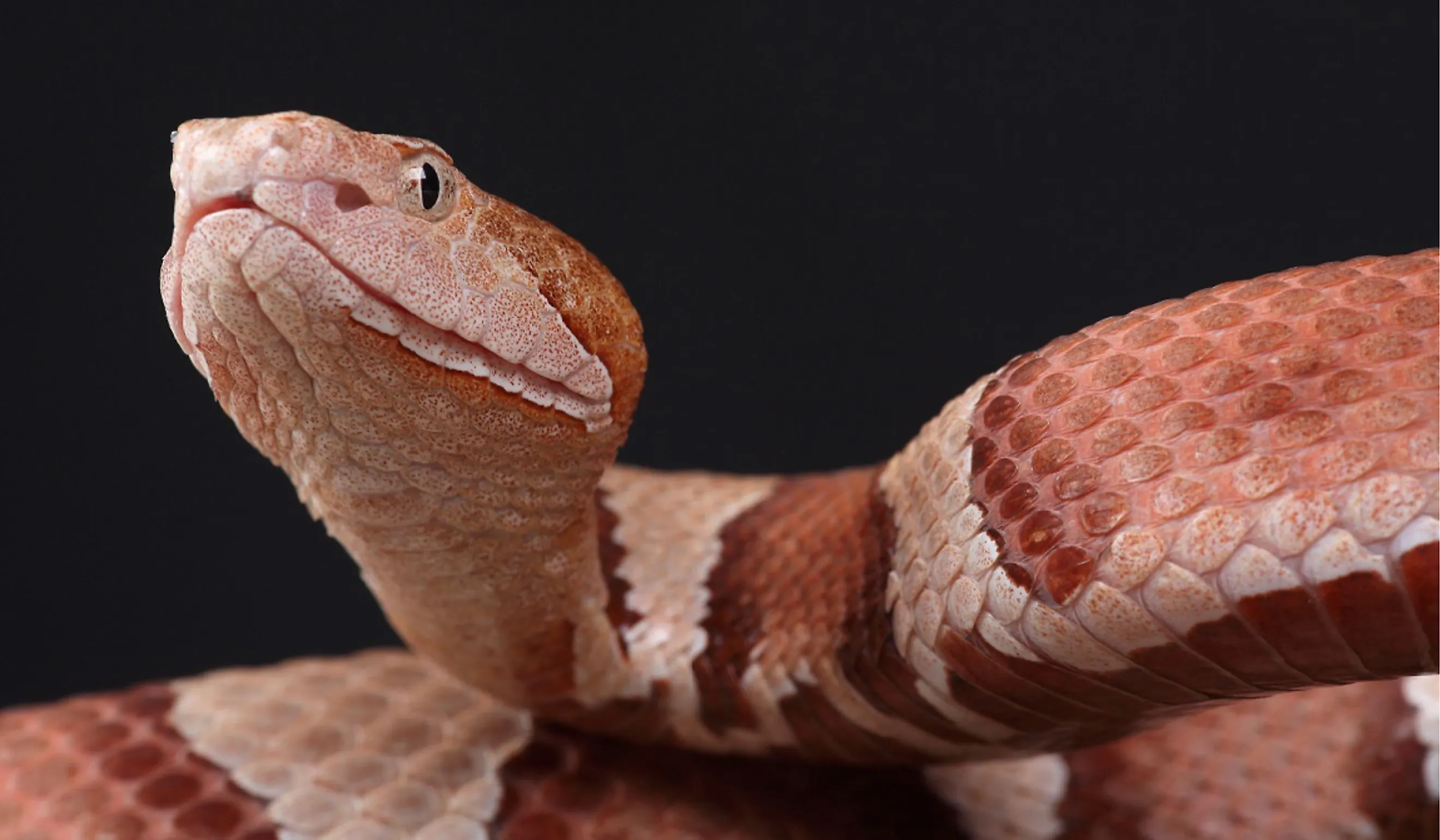
Snake activity here also raises questions about safety and identification. In this region, venomous Northern copperheads occur mainly along trap rock ridges of the Central Connecticut Lowland and usually west of the river. They rarely enter the water. Cottonmouths do not live in Connecticut, and reports of them along the river almost always involve misidentified northern water snakes. Water snakes can act defensively when threatened. They may flatten their heads, bite if handled, and release a strong-smelling musk. Activity increases from April through early October. During peak summer heat, many snakes shift toward dawn and dusk, which explains why sightings often occur at those times.
Lake Zoar

Lake Zoar sees heavy recreational use every year, with thousands of people swimming, boating, and fishing without incident. Snake activity remains noticeable because the reservoir creates calm coves where water moves slowly. These pockets allow Northern water snakes to hunt fish without fighting the current, which explains their frequent presence near docks and boats. Locals often refer to them as “mock moccasins” because of their bold behavior and dark color, yet cottonmouths do not live in Connecticut. Eastern ratsnakes use the wooded parks around the lake, especially near Kettletown State Park, where they climb trees and hunt rodents. Common garter snakes appear along trails and picnic areas. Eastern copperheads, the only venomous snake here, occur less often and remain tied to rocky trap rock ridges and talus slopes flanking the reservoir rather than the shoreline.

Visitor awareness helps prevent close encounters. Snakes respond to ground vibration, so walking with a firm step near the water’s edge often causes them to retreat before they are seen. At Kettletown State Park, May and June bring increased sightings as snakes sun on exposed rock along overlook trails. On the water, a snake may occasionally attempt to climb onto a swim platform or low kayak to bask. Splashing water or gently nudging it away with an oar encourages it to leave. These snakes seek warmth and rest, not confrontation.
Great Meadows National Wildlife Refuge

Although much of this refuge is located in Massachusetts, there is a Great Meadows unit in the Stewart B. McKinney National Wildlife Refuge that features serpents that appear regularly across the meadows. Most sightings occur within the marsh itself and along the higher ground that borders it. Northern water snakes dominate sightings in tidal creeks and freshwater seeps, where they swim openly or bask along marsh edges. Eastern garter snakes use grassy openings and often cross walking paths. Eastern ribbon snakes, listed as a species of special concern, patrol marsh margins and vegetated inlets tied to consistent moisture. DeKay’s brownsnakes remain small and secretive and usually turn up under rocks or debris in drier upland edges. The refuge’s tidal marsh supports steady prey, including fish and amphibians, while open mudflats and sun-warmed rocks allow regular basking. Protected status limits disturbance, which keeps snake presence consistent through the active season.

Visitor concern is common but unwarranted. Snakes here retreat when they detect people. No venomous snakes have been documented within Great Meadows, and species such as copperheads or rattlesnakes occur on inland rocky ridges rather than coastal marsh. Reports of “water moccasins” involve misidentified northern water snakes, since cottonmouths do not live in Connecticut. Encounters usually happen along boardwalks or creek edges during warm periods.
The Housatonic River

Housatonic River supports a high snake population because the valley combines specialized wetlands with shelters close to water. Snake activity concentrates within Naugatuck State Forest and around Lake Zoar. Calcareous wetlands formed by marble and carbonate bedrock occur here and nowhere else in the state, creating habitat that supports dense amphibian populations. Steep ledges and talus slopes line parts of the valley and provide thermally buffered sites used for overwintering and summer basking. Fish populations remain consistent due to management and stocking, which sustains semi-aquatic hunters along pools and eddies. Observers sometimes document large garter snakes and northern water snakes sharing the same basking sites, a behavior that challenges the idea that these snakes always remain solitary.

Several snake types use the river corridor. Northern water snakes appear most often in slow pools and eddies and frequently reach lengths close to three feet, especially near Macedonia Brook, where it enters the river. Eastern ribbon snakes, listed as a species of special concern, hunt along marshy edges tied to these wetlands. Timber rattlesnakes, listed as endangered, maintain protected strongholds in rocky forested areas and usually stay above 500 feet before descending toward the river in search of water or prey. Eastern hognose snakes also occur along sandy stretches and may flatten their necks or play dead when threatened.
Candlewood Lake

This lake stands among Connecticut’s most active areas for snake sightings in 2026 due to its expansive shoreline and varied topography. Most snakes seen near the shore are nonvenomous. Northern water snakes appear most often and regularly sun on docks, boulders, and other man-made structures. Eastern ribbon snakes stay close to the water’s edge and may rest in overhanging vegetation. Smooth green snakes blend into grassy hills above the lake, while DeKay’s brown snakes remain small and secretive under rocks or yard debris near lakeside homes. The lake’s healthy fish and amphibian populations keep these snakes close to the shoreline.

Visitor concerns usually stem from misidentification rather than risk. Snakes here avoid people and are not aggressive. Venomous species such as Northern copperheads and timber rattlesnakes rarely appear near the immediate shoreline and favor higher, rocky forested ridges nearby. Bites are uncommon and typically occur when someone steps on a snake or tries to handle it. Locals often report water snakes returning to the same docks for basking, and a light vibration on the wood usually sends them into the water. During peak summer heat, snakes may shift activity to evening hours. A flashlight helps prevent accidental contact, and any bite should be washed thoroughly.
Snake activity near water in Connecticut reflects long-established patterns tied to shoreline structure and movement corridors. Along the Connecticut River, floodplains and wetlands support consistent sightings over a wide geographic span. That same relationship continues through the Housatonic River, where calcareous wetlands and rocky uplands concentrate several species in one valley. At Candlewood Lake, extensive shoreline and dock infrastructure keep snakes visible near human activity. Marsh systems at Great Meadows National Wildlife Refuge show how tidal creeks sustain nonvenomous species without venomous presence. Conditions converge again at Lake Zoar, where calm coves and rocky slopes explain repeated reports. Together, these waters show where snakes persist and why sightings occur.