7 Snake Infested State Parks In Connecticut
Connecticut concentrates a surprising array of reptile habitats within a small geography where traprock ridgelines, schist outcrops, and coastal peninsulas meet tidal marshes and river floodplains. South-facing ledges, talus shelves, and riparian corridors along the Housatonic River, Naugatuck Valley, and freshwater bodies such as Lake Zoar create thermal and shelter gradients that snakes exploit for basking, hunting, and denning. Sites such as Sleeping Giant Observation Tower, Chapman Falls, Bluff Point Coastal Reserve, and the Wolf Den at Mashamoquet Brook illustrate how Connecticut’s geology and hydrology concentrate microhabitats into compact, species-rich mosaics.
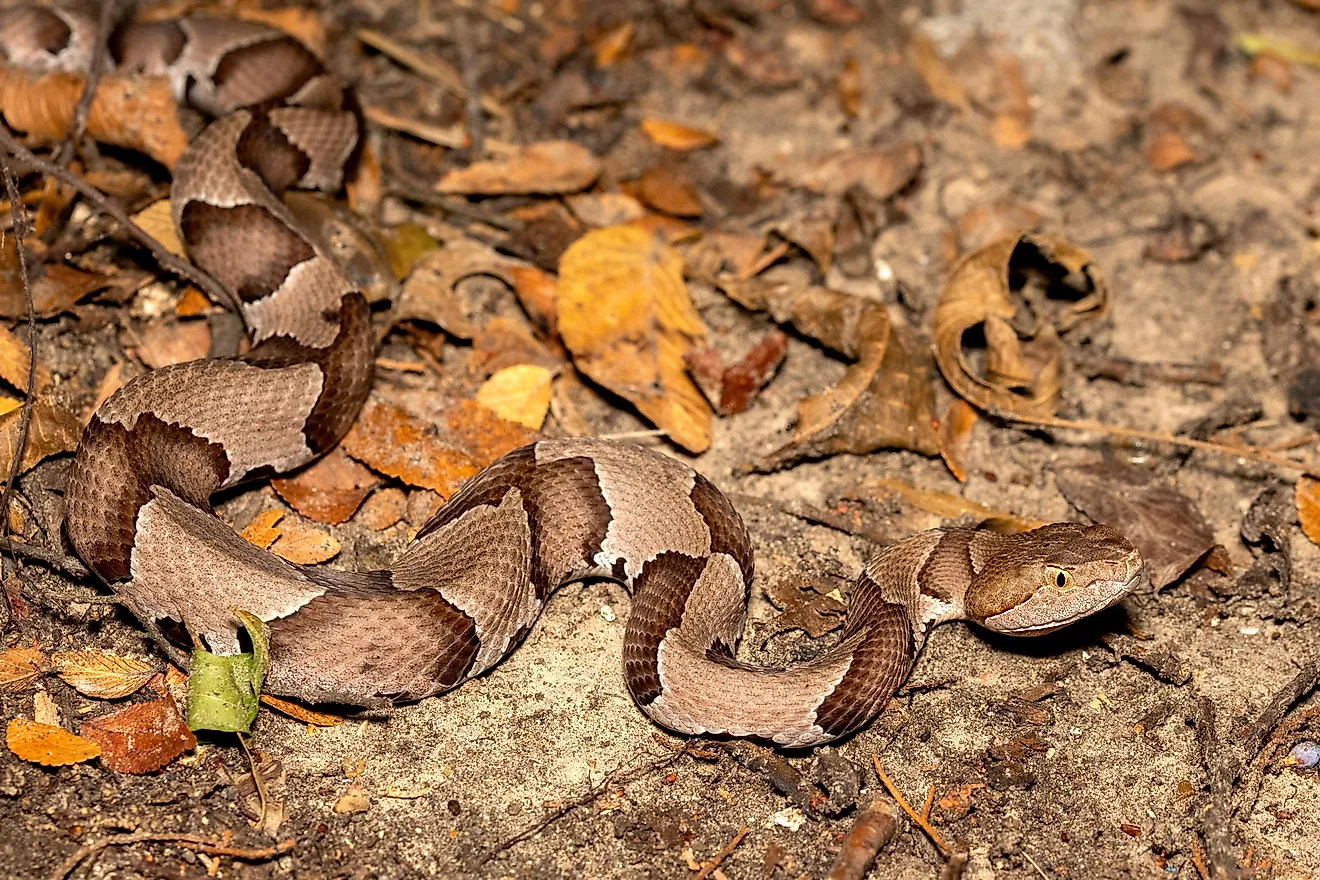
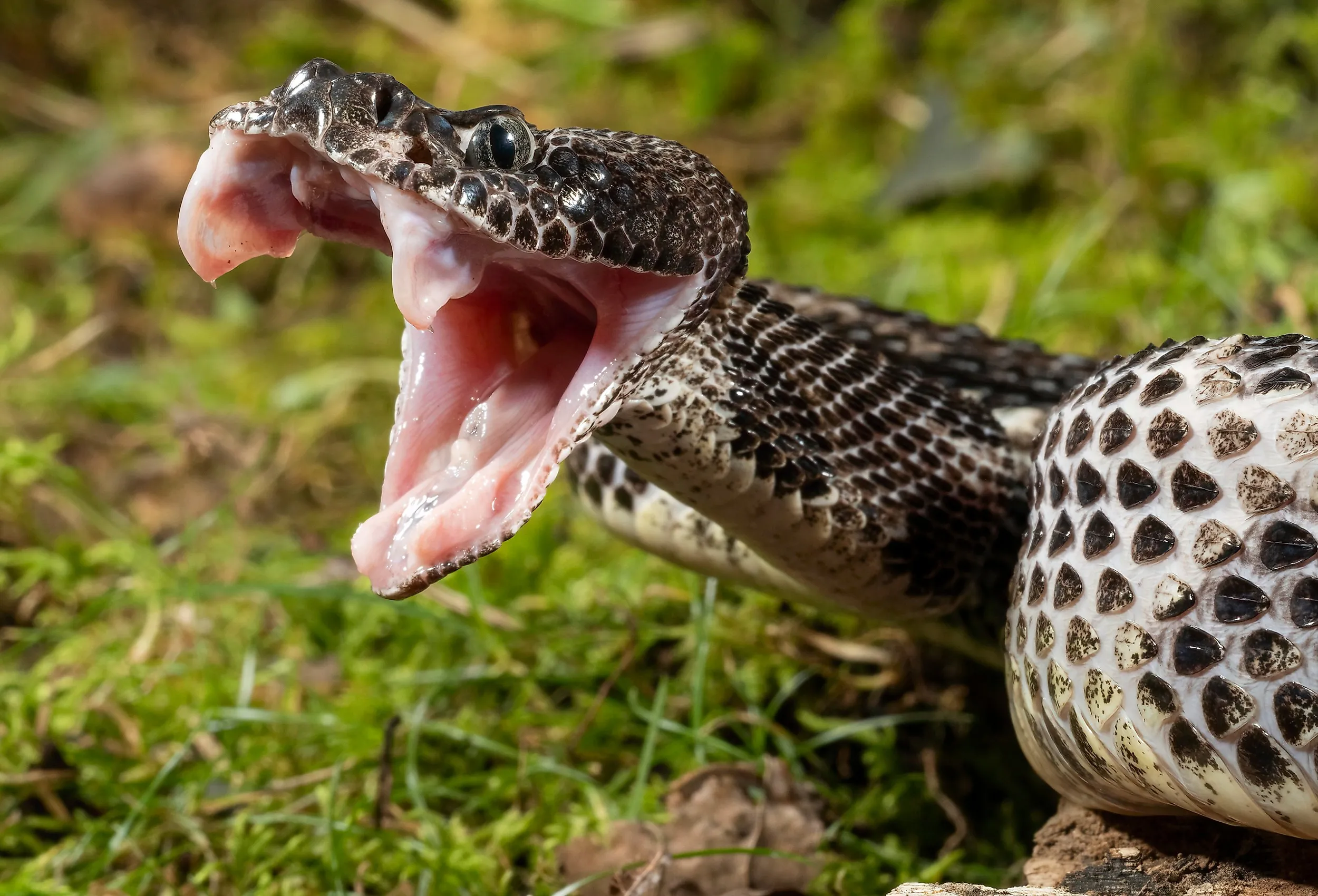
There are two venomous snake species in the state, the timber rattlesnake and the northern copperhead. The timber rattlesnake exists in highly localized, protected strongholds here, while more widely distributed non-venomous species persist across riparian and upland habitats. Connecticut's state parks showcase a diverse range of settings, including ledge, stream, and coastal areas, making them ideal habitats for a variety of snake species.
Sleeping Giant State Park

A broad, stone-clad ridge rises above suburban New Haven, where Tower Trail and the summit’s Sleeping Giant Observation Tower traverse exposed ledges, talus shelves, and mixed hardwood forest. South-facing rock outcrops and crevice-filled talus create thermally stable refugia that snakes exploit for basking and summer foraging, while small seepage zones near the ridge base create riparian edges for aquatic prey species. The timber rattlesnake is protected in Connecticut, and sightings in the park are rare. Any historic denning records near talus or ledges receive strict conservation attention. Copperheads are also occasionally reported in this area.

More frequently encountered species at Sleeping Giant include the northern watersnake, which patrols small pools and wet seeps, the eastern ratsnake, which climbs stone walls and tree trunks in search of rodents and bird eggs, and the eastern garter snake, which forages along trail margins and wet pockets. Park managers emphasize staying on marked routes, giving reptiles a wide berth, and reporting rare-species sightings to state biologists to help protect den sites and localized populations.
Devil’s Hopyard State Park

At Chapman Falls, stepped cascades flow over layered schist, producing wet rock faces, plunge pools, and adjacent talus fields where sunlight warms exposed surfaces. Riparian corridors along the stream support emergent vegetation and insect life that attract snakes to hunt and to thermoregulate on sunny ledges. Timber rattlesnakes in Connecticut are listed as state-endangered and occupy only highly localized strongholds where south-facing ledges and deep talus systems provide secure denning habitat, so any potential observations receive immediate conservation interest.

More commonly seen snakes at Devil’s Hopyard include the northern watersnake in the pools below the falls, the eastern milk snake among rock slabs and stone walls, and the garter snake along stream edges and damp trail margins. Visitors are encouraged to avoid rock-hopping near wet ledges, to photograph reptiles from a distance, and to report protected-species records so that agency staff can manage and safeguard sensitive talus and denning areas.
Bluff Point State Park and Coastal Reserve

The narrow spit of land at Bluff Point Coastal Reserve projects into Long Island Sound and merges rocky shoreline, tidal marsh, and small freshwater seeps that form compact riparian mosaics. Low rocky ledges and exposed cobble warm rapidly on clear days and offer sheltered crevices for small reptiles. State protections apply where suitable denning geology occurs, and conservation efforts prioritize those localized talus habitats.

Typical snake encounters at Bluff Point include the eastern garter snake in meadow openings and path edges, the northern watersnake in tidal creeks and freshwater seeps, and the eastern ribbonsnake that patrols marsh margins and vegetated inlets. Maintaining low-impact use of the reserve, avoiding off-trail travel through sensitive dune and seep areas, and respecting seasonal wildlife closures preserve the microhabitats that sustain these coastal reptiles.
Housatonic Meadows State Park

Housatonic Meadows occupies a riverine corridor where braided channels, backwater pools, and gravel bars meet adjacent forested slopes and talus-bearing cliffs. Sunny ledges and talus shelves in the river valley have historically provided denning and basking habitat preferred by timber rattlesnakes, and contemporary conservation classifies those locales as highly sensitive and in need of monitoring. The park’s riparian mosaic supports species adapted to both aquatic and terrestrial prey availability, so reptiles appear on sunlit rocks, at pond margins, and along floodplain edges.

More commonly recorded snakes in the Housatonic corridor include the ribbon snake, which hunts along marshy edges, the northern watersnake, which frequents river pools and eddies, and the eastern ratsnake, which uses both riparian edges and upland forest foraging routes. Anglers, paddlers, and hikers are advised to give basking reptiles a wide berth, to avoid disturbing potential den sites, and to notify park staff if a protected species is observed in need of assistance.
Kettletown State Park

Kettletown overlooks Lake Zoar, where shoreline bluffs, exposed ledges, and small talus accumulations form a patchwork of warm rock and wooded hollows. South-facing ledges and crevice-rich talus provide thermal regimes that snakes use for basking and for seasonal shelter, while streamside hollows and seepage zones along tributary gulleys create riparian feeding grounds. The timber rattlesnake remains a rare sighting in the park.

Visitors to Kettletown encounter non-venomous but ecologically important species more often, including the eastern milk snake, which hunts among rock piles and stone walls; the eastern ratsnake, which climbs and forages for small mammals and eggs; and the garter snake, which frequents moist trail margins and field edges. Trail signage and protected-area measures aim to prevent off-trail exploration of talus and to reduce disturbance at potential denning locales.
Naugatuck State Forest

Naugatuck State Forest extends over ridges, ravines, and river corridors within the Naugatuck Valley, where exposed bedrock and talus slopes create microclimates favorable to sun-loving reptiles. Steep, south-facing rock faces and crevice-filled talus provide thermally buffered winter refugia and summer basking sites, features that timber rattlesnakes historically used and that now receive focused protection because populations are highly localized and vulnerable. The forest’s riparian corridors along tributaries and wetlands support water-associated snakes as well as upland species that exploit edge habitats.

Common snake species across the forest include the eastern milk snake, the eastern ratsnake, which uses tree cavities and rock outcrops, and the northern watersnake, which patrols streamside pools and marshy margins.
Mashamoquet Brook State Park

Mashamoquet Brook combines woodland, pond, and rocky outcrop habitats around features such as the Wolf Den and compact talus shelves that support small-mammal communities and the snakes that prey upon them. Sunlit rock benches and crevice-strewn ledges provide daytime thermal opportunities, while riparian channels and pond margins supply amphibian and fish prey resources that attract water-associated species.
Timber rattlesnakes are extremely restricted in Connecticut, and monitoring and formal protections apply where talus and ledge complexes persist, so any observation near the Wolf Den or similar outcrops prompts agency attention. More commonly seen species at Mashamoquet include the eastern garter snake, which forages along paths and pond edges, the northern watersnake, which frequents shallow inlets and brook pools, and the eastern milk snake, which uses stone walls and rock shelters to hunt rodents. Park policies encourage securing food at campsites, photographing wildlife from a safe distance, and allowing reptiles to move undisturbed across their habitats.
Steward Connecticut’s Ridges, Rivers, and Reserves
Connecticut’s traprock ridgelines and schist outcrops, from the Sleeping Giant Observation Tower to the ledges beneath Chapman Falls, concentrate talus shelves and riparian corridors into compact, ecologically important mosaics. The timber rattlesnake remains highly localized and formally protected, and stateside conservation focuses on preserving talus denning complexes and south-facing ledges in the Naugatuck Valley, along the Housatonic River, and around reservoirs such as Lake Zoar. Historic stone walls and old charcoal hearths continue to structure small-mammal communities that sustain snakes, while coastal preserves connect shoreline seepages to inland wetlands. Stay on marked trails, keep dogs on leashes, avoid probing rock crevices or talus, photograph reptiles from a distance, and report any suspected sightings of protected species to the Connecticut Department of Energy and Environmental Protection. Such practices protect localized populations, sustain the ecological roles snakes perform, and preserve the very landscapes that define Connecticut.