5 Most Snake-Filled Bodies Of Water In Oregon
The wide range of rivers, lakes, and marsh systems within Oregon creates habitats that suit some of the country's most northern-dwelling snakes. Whether you are at the Columbia River Gorge or Malheur Lake, species such as common garter snakes, northwestern garter snakes, western rattlesnakes, gopher snakes, and rubber boas appear in predictable patterns tied to watery edges, prey movement, and sun-exposed terrain.
Some areas concentrate activity in reed-filled wetlands, while others draw snakes to rugged basalt slopes and gravel bars above fast-moving water. Across these environments, shifting water levels and mixed vegetation zones further determine where snakes feed, bask, and shelter through spring and summer across this corner of the Pacific Northwest. With that in mind, here are a few places where you definitely need to watch your step.
Columbia River Gorge

Within the towering Columbia River Gorge, a number of seasonal wetlands and boulder-covered banks support several snake species, many of which concentrate around its warmer edges and rodent-rich riparian zones.
For one, the common garter snake, a slender, non-venomous snake with yellow lengthwise stripes on a dark body and keeled scales, is often found hunting amphibians on the river's margins and marshy backwaters. Northwestern garter snakes are also present. These close cousins are slightly larger and more robust, showing variable olive or brown coloration with faint striping, and are frequently observed in damp grasslands near tributary inlets.
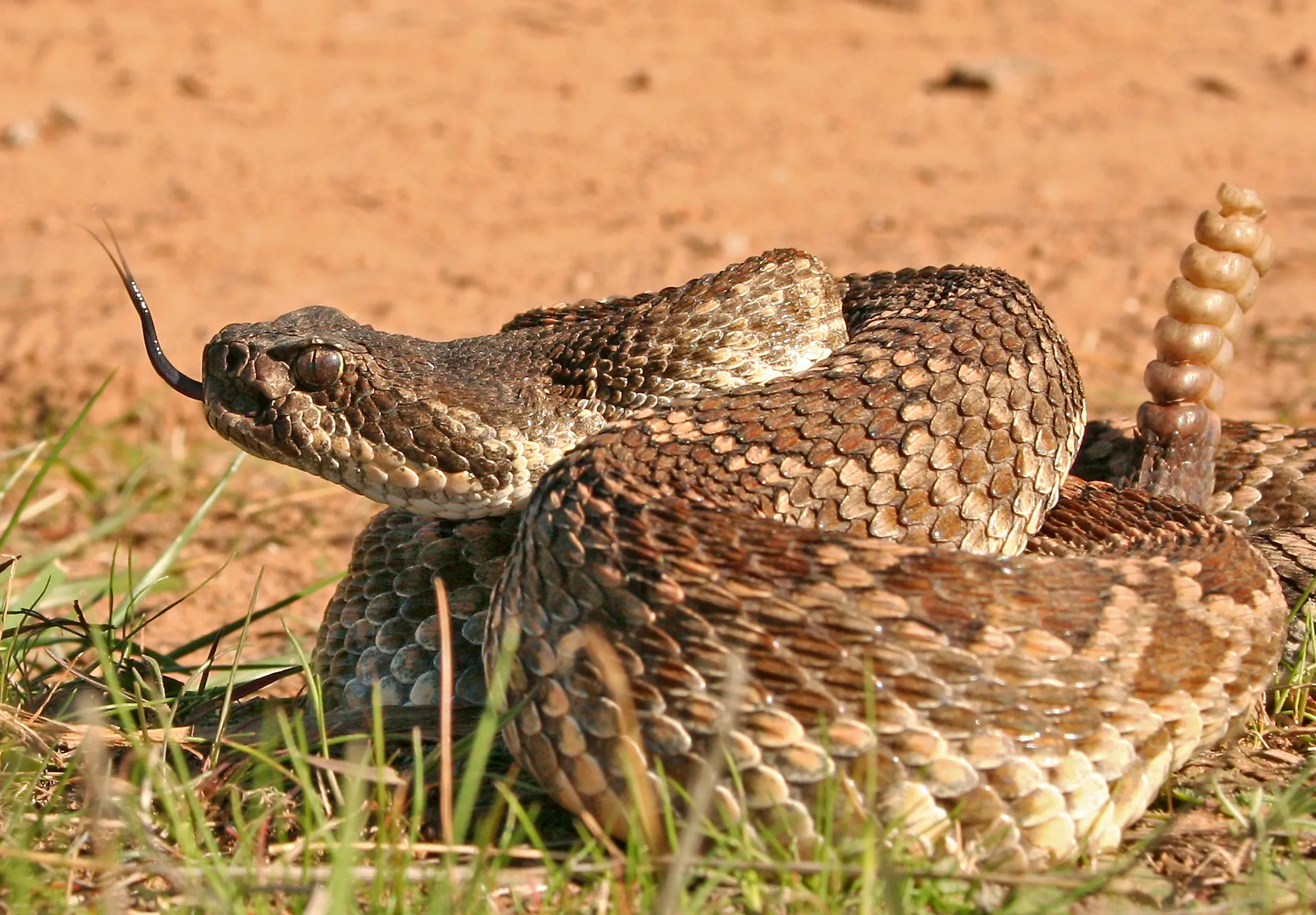
In terms of venomous species, the western rattlesnake, also known as the northern Pacific rattlesnake, is a stout-bodied snake with a triangular head, heat-sensing facial pits, and a segmented rattle used for warning. They tend to settle further inland, but do come toward the river in search of food.
This mix of perennial water, seasonal flooding, and abundant prey such as frogs, fish, and small mammals creates consistent hunting conditions through spring and summer, especially in quieter backwater channels and sun-warmed rock ledges along the gorge during midday.
Malheur Lake

At Malheur Lake in southeastern Oregon, expansive marshes and shallow alkaline waters add up to a very snake-friendly habitat, mainly along its reed beds and seasonal floodplains. Moreover, the combination of nutrient-rich floodwater, healthy insect populations, and abundant rodents sustains high reptile diversity across the basin.
You may spot a gopher snake or two, a large, non-venomous snake with blotched brown and yellow patterning, known for powerful constriction and frequent use of burrows near water edges. Rubber boas also call the region home, standing out as smaller, thicker-bodied snakes with smooth olive-brown skin and blunt tails, often moving slowly through moist soils and concealed shoreline vegetation.
Again, western rattlesnakes occur in the surrounding uplands and occasionally hunt in marsh margins. Racer snakes, slender and fast-moving, with uniform dark or olive coloration and large eyes, are often active during daylight across open shoreline ground and grassy patches, too.
Rogue River

The Rogue River near Hellgate Canyon in the state's southwestern corner sees a decent amount of snake activity in and around its steep, rocky banks and warm south-facing slopes. The canyon's extremely uneven topography creates alternating pockets of shade and heat, producing tightly clustered basking sites that snakes reuse outside of the winter months.
Western rattlesnakes are the most notable predator in this stretch, commonly found along sun-exposed rock outcrops overlooking the river, where temperatures rise quickly after cool nights. Common garter snakes are also widespread, using shoreline foliage and shallow water to hunt amphibians and small fish. Western terrestrial garter snakes likewise occur in nearby highlands and occasionally move down to the river to feed, often favoring drier banks and open ground.
Upper Klamath Lake

Upper Klamath Lake, also in southern Oregon, holds a mix of rugged shoreline and marsh-associated snakes, especially where shallow water transitions into dense tule and sedge beds. As is usual in this part of the state, common and northwestern garter snakes are frequently observed along the lake's foliage-filled edges. Gopher snakes, as well as rattlesnakes, may also be spotted in the area.
Snake activity around this lake near the California border tends to peak where groundwater seepage keeps vegetation consistently damp through the summer, creating stable hunting zones even during seasonal droughts. Rocky shoreline segments and driftwood accumulations provide additional shelter and basking points, especially in early-morning hours when surface temperatures rise quickly.
Deschutes River

The Deschutes River runs about 252 miles through central Oregon, from the Cascade Range to its confluence with the Columbia River. A stretch near the small town of Maupin, with its basalt canyons and braided shoreline channels, creates a tight blend of open sun exposure, cover, and prey concentration that is ideal for multiple snake species.
Western rattlesnakes are commonly encountered on local canyon slopes, using fractured basalt and scattered shrubs for shelter while hunting rodents that move through the rimrock zones. Gopher snakes are also present, often moving through dry terraces above the river and slipping into rodent burrows in sandy benches. Common garter snakes here appear closer to water pockets and slow side channels, where amphibians gather in shallow, warmer sections isolated from the main current.
Overall snake distribution on the Deschutes is strongly tied to elevation changes over short distances. Sunlit rock faces heat up quickly higher up, while shaded river bends lower down retain cooler conditions, producing a patchwork of microhabitats that keeps hunting and shelter sites close to the water throughout the season.
Keep An Eye Out For Snakes At These Watery Hotspots
Another thing these places have in common is that they are all scenic spots popular with travelers. Wetlands like those around Malheur Lake, canyon systems along the Deschutes and Rogue Rivers, and floodplains across southern Oregon blend striking landscapes with heavy snake activity.
If you are on the lookout for these slithery, cold-blooded predators, or want to avoid them altogether, remember that garter snakes dominate the bulk of the state, sticking to shorelines, grassland, forest, and several other biomes, while rattlesnakes and other terrestrial species tend to occupy slopes and drier ground through the warmer months.
With that in mind, be careful where you place your foot or paddle the next time you find yourself at any of the destinations above.