5 Most Snake-Filled Bodies Of Water In North Dakota
North Dakota is home to a limited number of snake species. Several of the state's rivers, reservoirs, and Badlands waterways provide ideal habitat for them. Prairie rattlesnakes (Crotalus viridis) are found along the rugged breaks of the Missouri and Cannonball Rivers, while garter snakes and red-bellied snakes inhabit the wetter soils of the Sheyenne River Basin. North Dakota's long winters and short growing seasons limit overall reptile diversity. Still, rocky shorelines and Badlands edges create important refuges for these cold-blooded reptiles. As warm weather draws anglers and boaters out each spring, it also brings snakes out of hibernation to bask near these five bodies of water.
Missouri River

The Missouri River is formed in the Rocky Mountains of southwest Montana by the Jefferson, Madison, and Gallatin Rivers. After the Missouri River leaves Montana, it enters North Dakota and passes through Bismarck before flowing into South Dakota. As the longest tributary of the Mississippi River and the second-longest river in North America, the Missouri River is home to a diverse array of wildlife, including snakes.

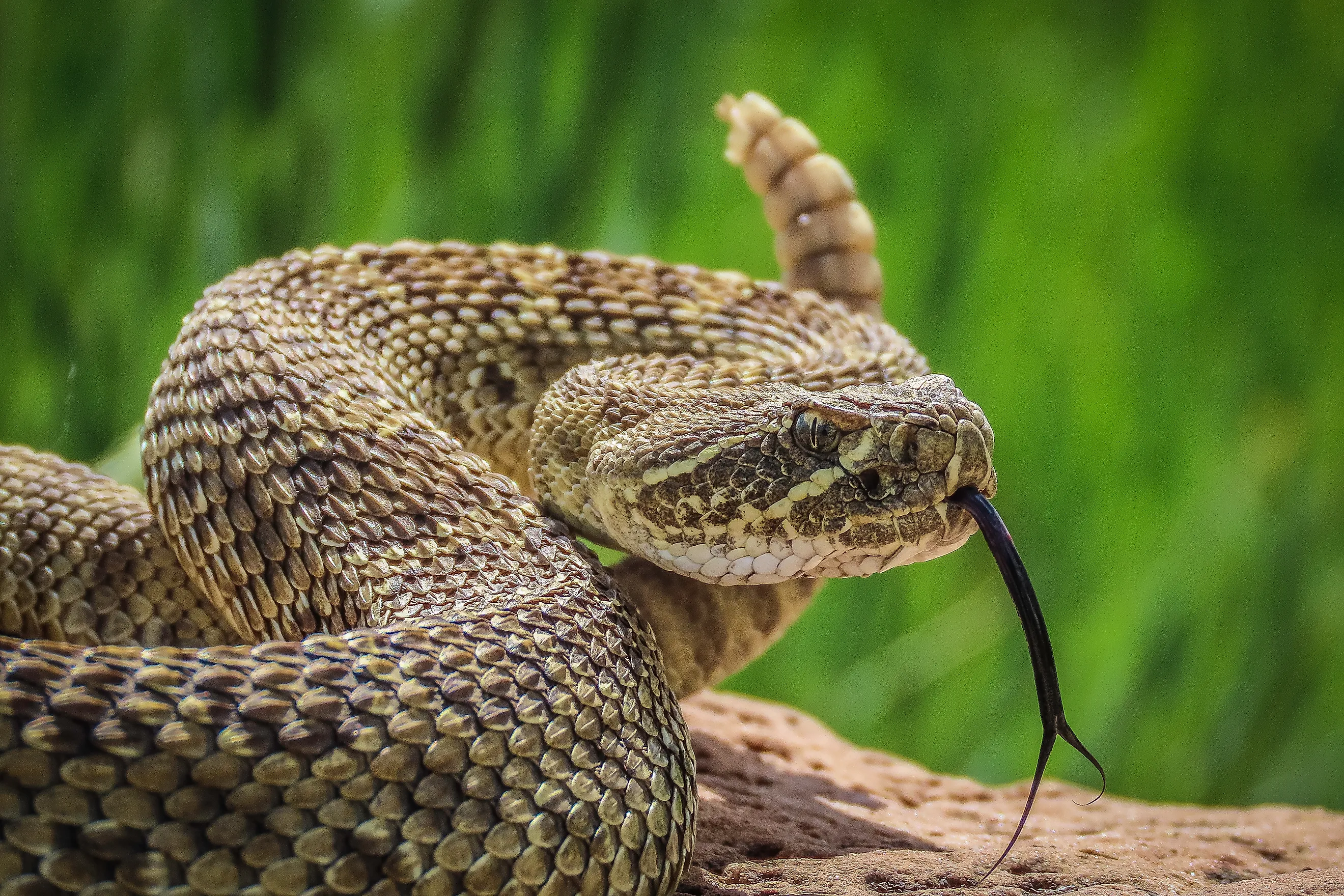
Contrary to popular belief, there are prairie rattlesnakes on the east side of the Missouri River in North Dakota, specifically in Emmons County. A recent field study from North Dakota State University has been monitoring a group of prairie rattlesnakes first spotted in 2015, basking in the sun. The group was in good condition and showed signs of consistent reproduction. This is the only known den site on the east side of the Missouri River in North Dakota. In years of high water, when the river comes up, it pushes some snakes out of the lower country where they are regularly spotted by members of the public.
Little Missouri River

The Little Missouri River rises on the western slopes of the Missouri Buttes formation in northeast Wyoming. It flows through the corners of Montana and South Dakota before flowing through southwestern and western North Dakota, where it empties into the Missouri River after a total course of 560 miles. The river traverses the North and South units of Theodore Roosevelt National Park in North Dakota, forming the Badlands. The river is a key feature of the park as it shapes the landscape of the semi-arid environment, sculpts and reshapes the soft clay of the Badlands, and supports a wide variety of flora and fauna.

There are seven species of snake that inhabit the park: the western plains garter snake (Thamnophis radix), the red-sided garter snake (Thamnophis sirtalis), the smooth green snake (Opheodrys vernalis), the plains hognose snake (Heterodon nasicus), the eastern yellow-bellied racer (Coluber constrictor), the bullsnake or gopher snake (Pituophis catenifer), and the prairie rattlesnake. The most common snakes likely to be encountered near the Little Missouri River are garter snakes, as they are most often found near water, and the plains hognose snake, which has a preference for sandy habitats along rivers and in the Badlands.
Cannonball River

The Cannonball River rises in the Badlands of southwestern North Dakota, taking a southeastern direction and joining Cedar Creek at the edge of the Standing Rock Sioux Reservation. After flowing for a total course of 295 miles, the Cannonball River enters the Missouri River south of Bismarck. The Cannonball River region is known for prairie rattlesnakes, particularly in the rugged breaks, badlands, and rocky habitats common throughout southwestern North Dakota.

Prairie rattlesnakes have the largest geographic range of any rattlesnake species in the United States. They often overwinter communally in dens known as hibernacula, sometimes alongside other snake species. These dens are commonly located in rocky outcrops, deep crevices, burrows, or other underground shelters, including abandoned prairie dog burrows. In spring, rattlesnakes emerge as temperatures warm, and multiple snakes may be seen basking near den entrances before dispersing to summer hunting grounds, which can be several miles away.
Sheyenne River

The Sheyenne River is the longest river entirely within the boundaries of North Dakota, flowing for a total distance of 325 miles. The Sheyenne River rises in Sheridan County in Central North Dakota. From there, it flows in an easterly direction across the state before joining the Red River of the North. The Sheyenne River Basin encompasses close to 900,000 acres, which makes it the largest contributing tributary to the Red River.

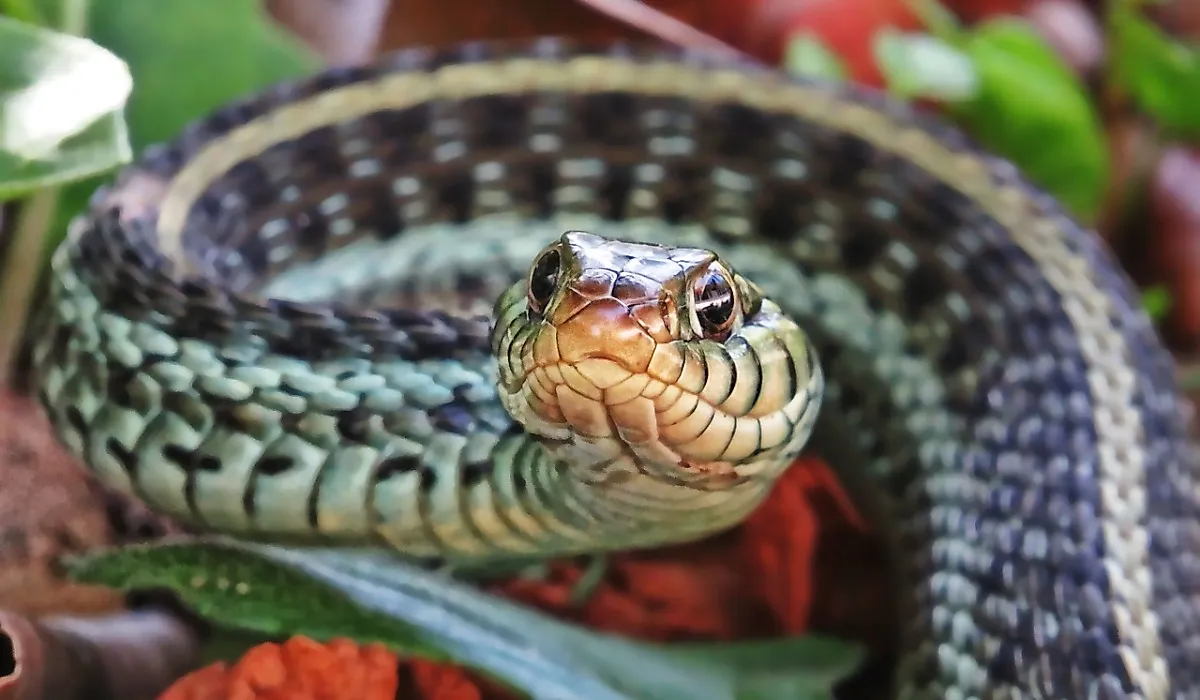
The two most common species of snake found in the Sheyenne River Basin are the common garter snake and the red-bellied snake (Storeria occipitomaculata). At lengths of only 8 to 10 inches, the red-bellied snake is among the smallest snake species in North Dakota and is found primarily in the eastern half of the state. They prefer areas with moist soils, where they will seek shelter under rocks, logs, and other ground debris.
Lake Sakakawea

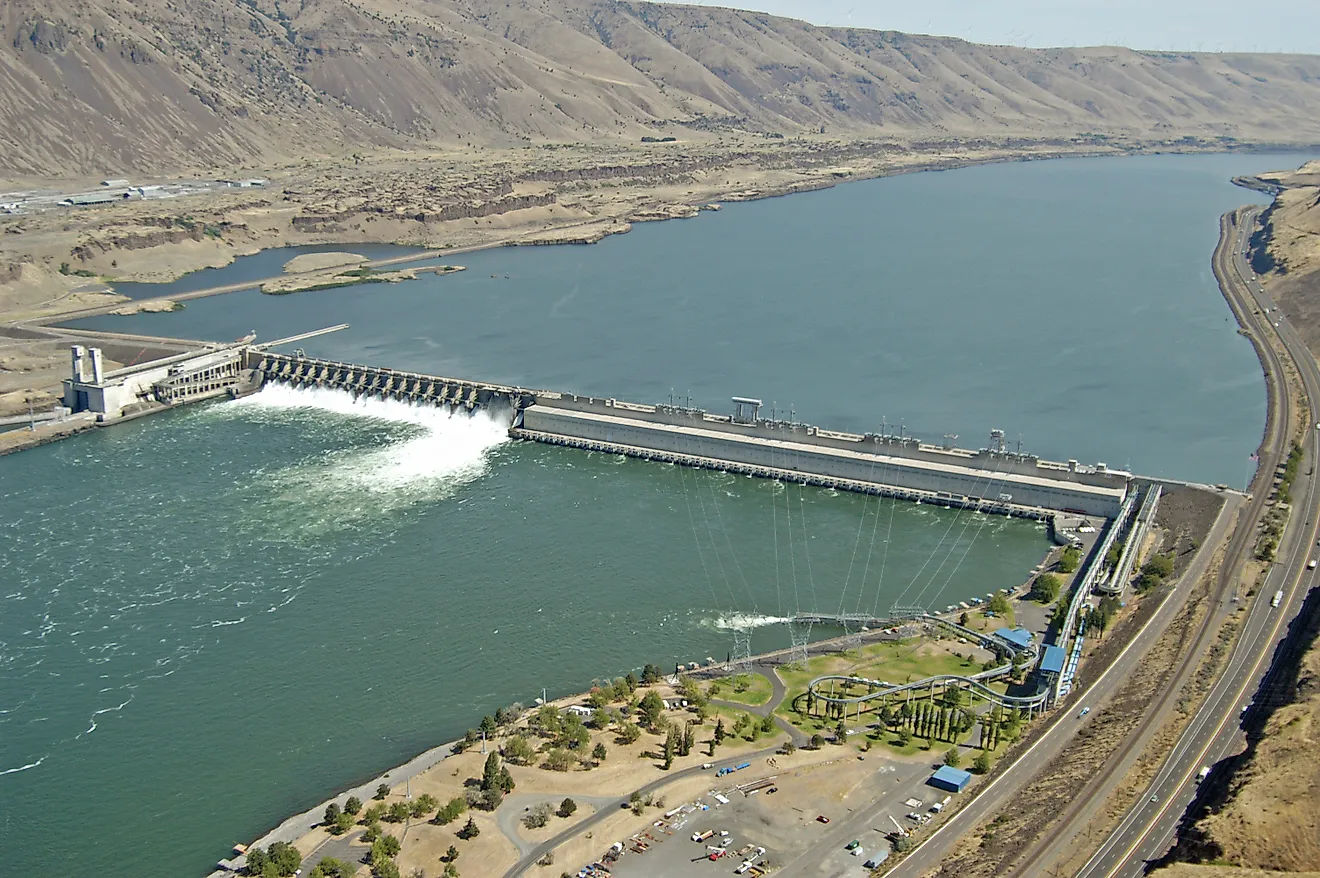
Lake Sakakawea is the third-largest man-made lake in the United States, extending for almost 180 miles through central and western North Dakota. It was created by the Garrison Dam on the Missouri River in 1953 by the US Army Corps of Engineers. The rocky shoreline of Lake Sakakawea creates ideal habitat for species such as the bullsnake.

Bullsnakes vary in temperament depending on the individual. Some of them can be very docile, whereas others are defensive toward perceived threats. They go as far as to mimic rattlesnakes by coiling up and shaking their tail, similar to a rattlesnake. Their presence around Lake Sakakawea is a reminder that snakes are part of the Badlands ecosystem, even where the Badlands meet the water.
North Dakota's Snake-Filled Bodies of Water
Surprisingly, while the semi-arid and sagebrush environment-loving prairie rattlesnake is closely associated with many bodies of water in North Dakota, it is not as menacing as it may seem. While the sound of its rattle may alarm many, it is primarily used to make people aware of the snake's presence so they can keep their distance from it. Furthermore, snakes in general play an integral role in the ecosystem by playing the role of predator and prey. Not only will snakes manage small mammal and rodent populations, but they will also be preyed upon by birds of prey like red-tailed hawks and golden eagles. With this in mind, travel through and near these waterways with a healthy balance of caution and curiosity when exploring North Dakota's beautiful backyard.