7 Most Rattlesnake Infested Areas in Montana
Located in the far Northwest, Montana has many nicknames all related to its natural beauty, from Big Sky Country to the Land of the Shining Mountains. It is the fourth largest state in the United States, but the eighth least populous, with a bit over 1.1 million residents. Of its landmass, more than a third is public land, administered by the government. As can be expected, there is a rich diversity of wildlife in Montana, including ten species of snakes and one rattlesnake.
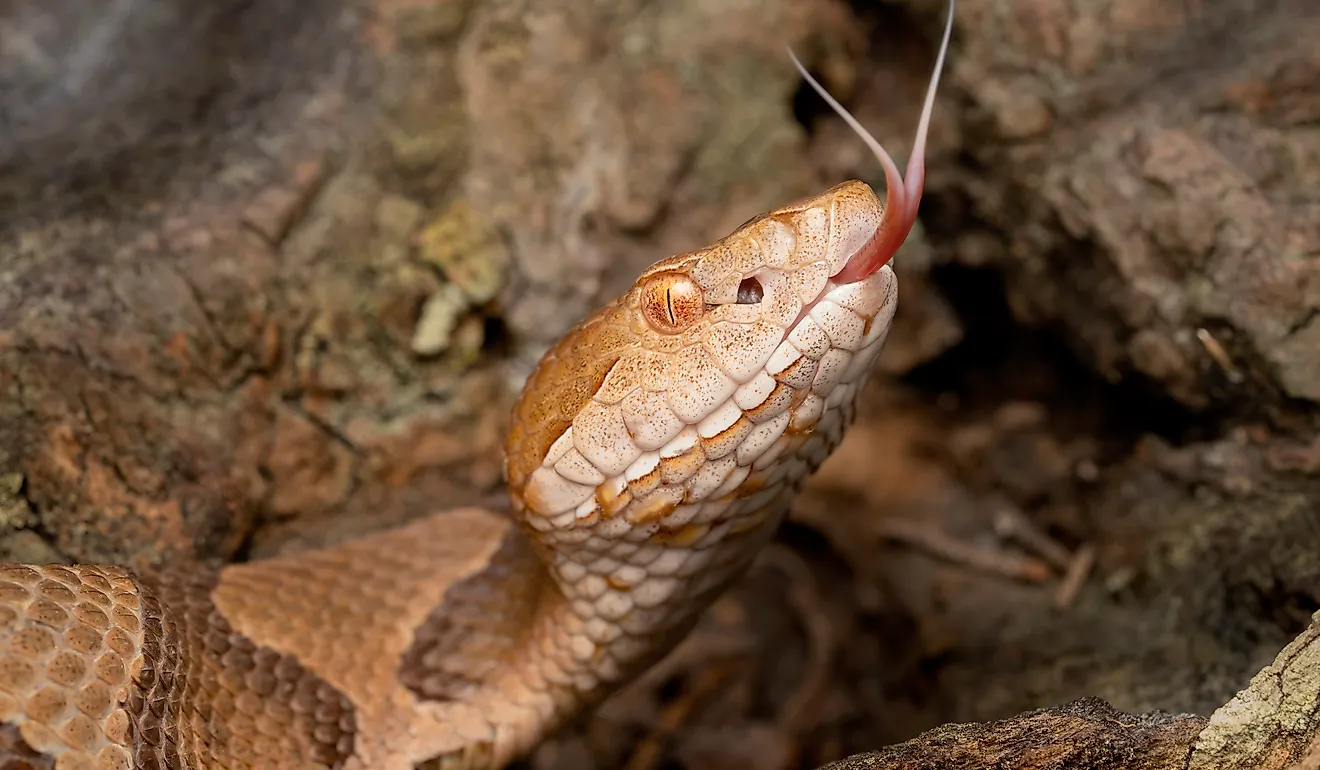
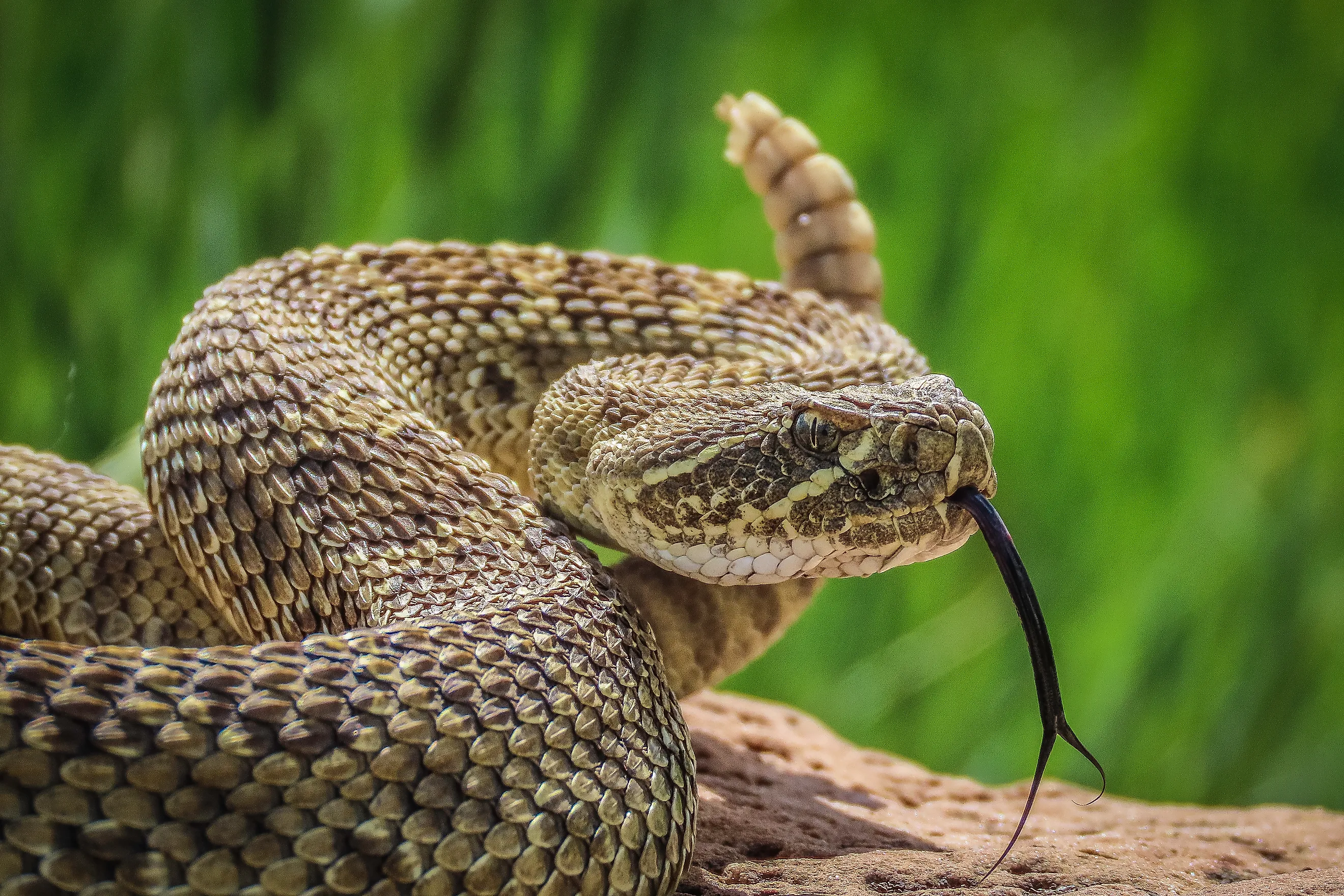
Snakes are greatly feared in many cultures due to their mysterious nature and the fact that many are venomous. In Montana, the only venomous snake is the prairie rattlesnake. This creature can measure anywhere from 20 to 50 inches long and is identifiable by its triangular head, yellow to brown scales with brown or black blotches, and, of course, its rattle. When exploring the rich public lands in this state, visitors and residents should be on the lookout for rattlesnakes, especially in these seven most rattlesnake-infested areas in Montana.
Madison River

This tributary of the Missouri River runs through Wyoming and Montana, even crossing through Yellowstone National Park, perhaps the most famous park in America. During the Lewis and Clark expedition, Meriwether Lewis named the river after then-Secretary of State and future President James Madison.
The area is home to many animals, with trout being the most common — from brown to rainbow and cutthroat trout. You might also encounter some more serious creatures along the river, such as Grizzly bears, wolves, and rattlesnakes. Prairie rattlesnakes often rest on rock outcrops and slopes near the river, especially around Ennis, Montana, but you can also find them near streams. These snakes usually hunt small mammals like rabbits, mice, rats, squirrels, and prairie dogs. Their rattles serve as a warning sign to predators, including humans, so it's good to stay alert and respectful of their presence.
Marshall Mountain

Marshall Mountain was previously a skiing destination but has since been converted into a park for the city of Missoula. Unlike much of Montana, it is privately owned but open to the public. The owners ensured the mountain has the same number of fun activities, including hiking and biking trails and skiing during the winter season.
Soon after the area reopened, people started noticing rattlesnakes again. A mountain biking group even captured a photo of one on the trails! These snakes probably moved up the mountain from Mittower Gulch, which is just to the east. Usually, you'll see prairie rattlesnakes basking in the sun on the trails early in the morning before they slip away. If you happen to come across one, it's best to give them plenty of space and avoid disturbing them. Alternatively, you might want to plan your visit for later in the day when rattlesnakes are less likely to be out and about.
Gallatin County

Gallatin County is located in the southwestern corner of the state and has a population of just under 120,000, making it the second-most populous county in the entire state. Near the southern tip of the county, it is home to the entrance to Yellowstone National Park and the ski resort Big Sky Resort. This resort is one of the biggest in the United States and offers summer activities such as lift rides, golfing, and ziplining.
In Gallatin Valley, you might come across prairie rattlesnakes, especially along the northern outskirts. These rattlesnakes have fangs that fold back against the roofs of their mouths and only extend when they strike. The snakes generally aren't aggressive towards people. However, if they feel threatened, they may bite, which can lead to nausea, vomiting, difficulty breathing, and pain. If you're bitten, try to stay calm and keep the bitten area immobilized with a splint or sling. Remember, keeping your heart rate low is helpful to slow the spread of venom in your system.
Paradise Valley

Paradise Valley is nestled in southwestern Montana by the Yellowstone River, north of Yellowstone National Park. When European explorers first began exploring the area around Yellowstone, this valley became the main route into the park. The valley has all manner of natural beauty, from spring creeks to hot springs and even mountains, with Mount Cowen standing at 11,212 feet tall.
This valley is a popular habitat for rattlesnakes, which can conceal themselves in various places like prairie grasses, rock outcrops, and dense vegetation. As pit vipers, they lie in wait for prey to pass by so they can strike. They inject venom and then consume their prey once it is dead or weakened. Rattlesnakes have heat-sensitive pits on both sides of their heads, enabling them to detect heat, which helps them determine the right time to bask in the sun.
Nelson Reservoir

The Nelson Reservoir is a picturesque place that the state created by the Nelson Dam on the Milk River, a northern tributary of the Missouri River. The Bureau of Reclamation manages the site, including maintaining water for irrigating the area and stocking it with fish like walleye and northern pike for fishers to enjoy. Residents enjoy camping at the campground right next to the reservoir.
Some might think that a prairie rattlesnake wouldn't go near a manmade water source. However, rattlesnakes aren't afraid of water; they are actually quite strong swimmers. This is such an issue that the California Department of Fish and Wildlife warns people not to pick up sticks in rivers or bodies of water, as they could be a rattlesnake! With these swimming snakes, it's a good idea to keep one's distance from them and allow them to swim away to their destination.
Great Falls

Great Falls is a city located east of the Rocky Mountains and beside the Missouri River. It has a population of just over 60,400 people, making it a densely populated place as far as Montana is concerned. There are five waterfalls to the east and west of the city, which have earned it the name Great Falls.
Despite it being a metro area, residents over the past few years have reported a sudden rise in the number of rattlesnakes coming into the city. The reasons for this migration to the city are varied. Increased heat encourages them to move closer to places with water to drink and prey to consume, such as mammals. Because rattlesnakes are moving closer to humans, the risk of snake bites for humans and pets has increased. However, deaths from rattlesnake bites are rare, with only five to six people dying nationwide annually.
Yellowstone National Park

The vast majority of Yellowstone National Park lies within Wyoming, but 3% of it does lie within the Montana Counties of Gallatin and Park. This park was created in 1872 through the Yellowstone National Park Protection Act and is the first national park in the U.S. and possibly in the entire world. The park is abundant with beautiful features, from Yellowstone Lake to the Old Faithful Geiser and much more.
The wildlife here is wonderfully diverse, including animals like cougars, Grizzly bears, bison, elk, and prairie rattlesnakes. The prairie rattlesnake is the only venomous snake in the park and usually stays near the lower Yellowstone River. It loves hiding in rocky spots along the river or amidst thick foliage filled with fallen leaves and branches. So, visitors should always stay alert and watch their surroundings—it's the best way to enjoy your adventure and stay safe from surprises like a rattler bite.
Wrapping Up
Montana doesn't have the largest rattlesnakes in the world or even the U.S., but these snakes can still be dangerous. Any creature with the ability to harm someone with its venom should be respected. The key factor to remember is that these snakes are defensive. They will only strike if they feel threatened, and they are far more likely to be hiding than out in the open. Snake bites are thankfully rare, but as they move into more populated areas, they do become more likely. As a result, it's essential to seek medical attention as soon as possible if one is bit by a rattlesnake.