5 Most Snake-Filled Bodies Of Water In Alabama
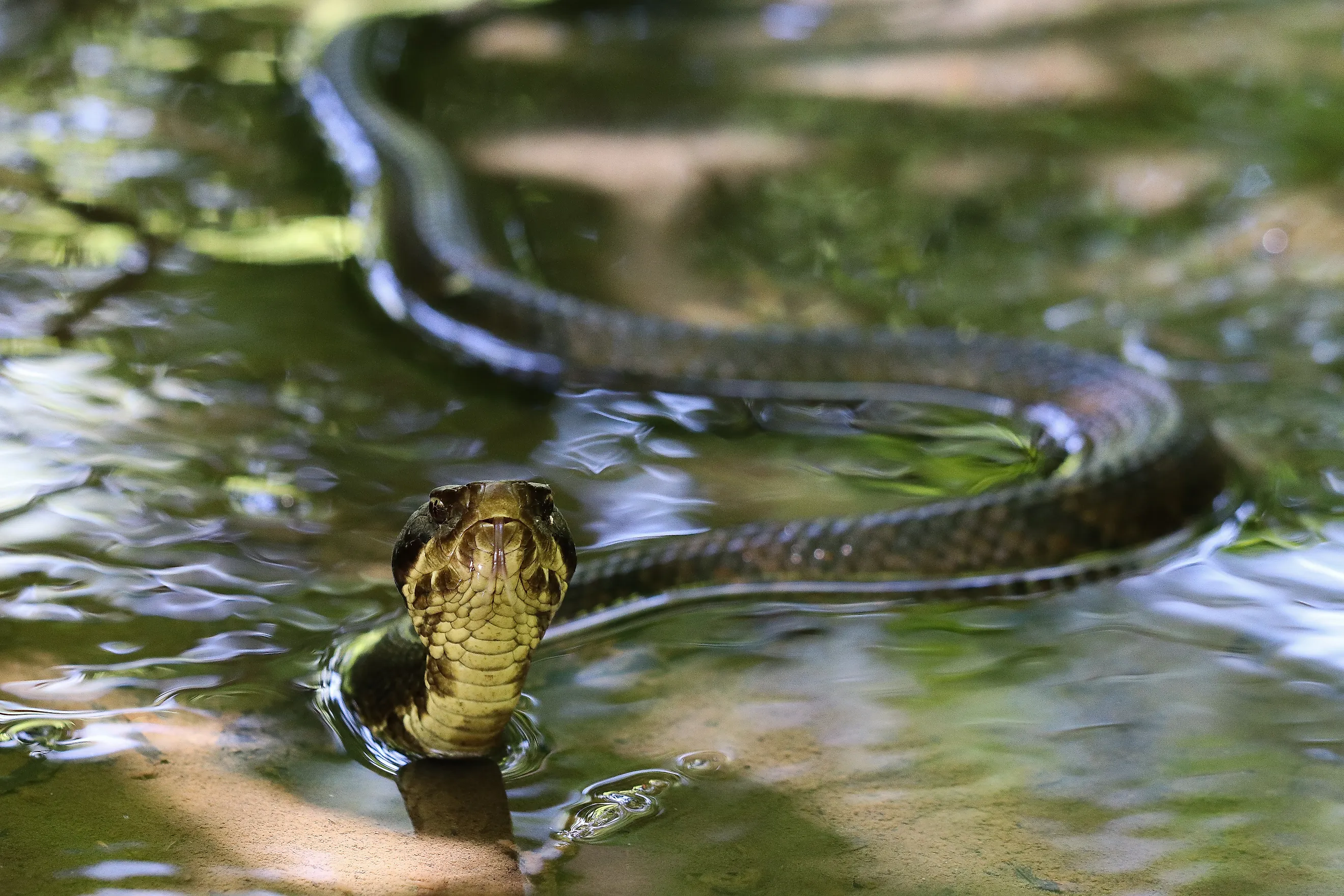
Alabama's reservoirs, natural lakes, and river systems host dense populations of watersnakes alongside occasional venomous species like cottonmouths. The Mobile-Tensaw Delta supports diamondback watersnakes thriving alongside alligators. Large river corridors like the Alabama River host turtles and lizards on the banks along with snakes. The five snake-filled bodies of water below create consistent conditions for aquatic and semi-aquatic species across much of the state. Warmer months see the highest activity from these cold-blooded predators.
Lake Guntersville

Stretching across northern Alabama along the Tennessee River, Lake Guntersville hosts one of the state's most diverse snake populations thanks to its extensive array of marshes, plenty of shallow areas, and heavily wooded shorelines. Despite their intimidating appearance, most snakes found around Lake Guntersville are nonvenomous and play an important role in controlling fish and amphibian populations.
The reservoir is especially known for encounters with Midland and banded watersnakes, which thrive around boat docks, flooded timber, and weedy backwaters. As for venomous snakes, cottonmouths also inhabit quieter sections of the lake, particularly near swampy inlets and tributaries where fish and amphibians are abundant. At 75 miles (121 km) long, the lake provides thousands of acres of suitable reptile habitat, especially during Alabama's long warm season. Snake sightings increase noticeably from late spring through early fall, when watersnakes frequently bask on rocks, logs, and low tree branches near the shoreline to hunt or sun themselves.
Mobile-Tensaw Delta

Covering an enormous 260,000 acres in southwestern Alabama's Gulf Coast, the Mobile-Tensaw Delta contains one of the largest wetland systems in the United States and supports high snake diversity. The combination of warm temperatures, protected status in many places, and year-round moisture makes it one of the state's most snake-filled freshwater environments.
This maze of bayous, cypress swamps, marshes, and lazily moving channels creates an ideal living space for species such as cottonmouths, diamondback watersnakes, and the Mississippi green watersnake. Cottonmouths are especially common in heavily vegetated backwaters where fish, frogs, and small mammals are plentiful year-round. The diamondback watersnake, one of the largest nonvenomous watersnakes in North America, can grow beyond 5 feet (152 cm) and is recognized by its dark chain-like pattern along the body.
The delta spans nearly 45 miles (72 km) along its north-south length, giving snakes of all kinds access to extensive breeding and hunting territory with minimal disturbance in many areas. During the warmer months, water-based snakes are often seen swimming across narrow channels or coiled on fallen logs above the waterline.
Wheeler Lake

Located along the Tennessee River in north Alabama, the sizable Wheeler Lake encompasses about 67,100 acres and includes lengths of shallow shoreline habitat used heavily by aquatic snakes, as well as other notable wildlife, including a small population of American alligators. The lake's numerous feeder creeks and backwater channels further support healthy amphibian populations, which attract both venomous and nonvenomous snakes.
Northern watersnakes and plain-bellied watersnakes are regularly sighted near spots also frequented by people, like fishing piers, riprap banks, and flooded brush, while cottonmouths and ratsnakes have been known to occupy quieter sloughs, marshy coves, and even some adjacent areas connected to the main reservoir. The plain-bellied watersnake is usually brown, olive, or gray with an unmarked yellow or reddish underside and commonly reaches 24 to 40 inches (61 to 102 cm) long. During summer, resting snakes are commonly spotted on boat ramps and low branches extending over the water, while anglers frequently report seeing watersnakes swimming near shallow banks when moving between feeding areas. Wheeler National Wildlife Refuge also borders part of the lake and provides large tracts of protected wetland habitat where reptiles face relatively little development pressure.
Lake Eufaula

Straddling the Alabama-Georgia border along the Chattahoochee River, Lake Eufaula is another locale containing extensive shallows and vegetated shoreline habitat used by several aquatic snake species. Banded watersnakes and brown watersnakes are particularly common around submerged timber and fishing coves, where they hunt fish and amphibians in warm, slow-moving water. The brown watersnake is a heavy-bodied, nonvenomous species that can exceed 4 feet (122 cm) in length and is known for its square, dark blotches and habit of resting above the water on tree branches. As for venomous species, cottonmouths and copperheads are also documented along marshy edges and creek mouths feeding into the reservoir.
The lake stretches for about 85 mi (137 km), creating a large network of protected inlets and backwaters where semi-aquatic reptiles can remain concealed beneath shoreline vegetation. They are most active in hotter months, especially around boat docks, fallen trees, and grassy embankments exposed to direct sunlight. Local fishermen often encounter the lake's watersnakes crossing narrow channels or resting near brush piles along the shoreline, making awareness and equipment such as waders and thick boots necessary for safety.
Alabama River
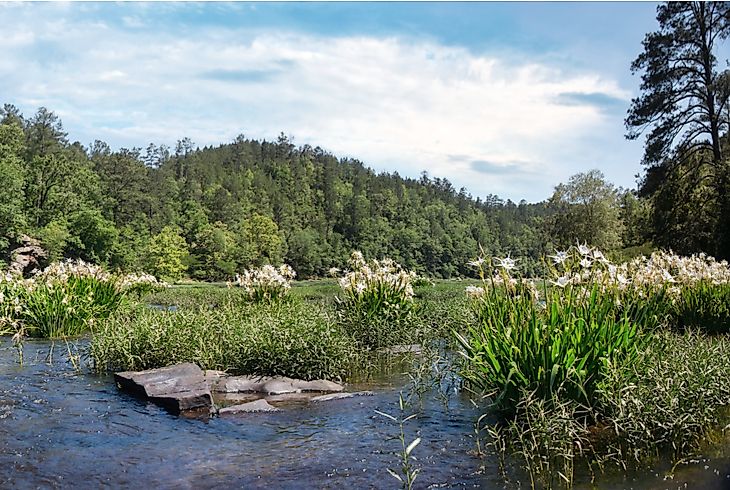
Flowing for roughly 315 mi (507 km) through central and southern Alabama, the aptly named Alabama River cuts through a mix of landscapes and water bodies that include floodplain forests, oxbow lakes, and swampy lowlands, each of which houses large numbers of aquatic snakes, turtles, gators, and more.
Unlike Alabama's major lakes and reservoirs, the river's constantly shifting current creates unique geographical features, such as sandbars and muddy backchannels, that serve as shelter for species such as diamondback watersnakes, plain-bellied watersnakes, and cottonmouths. The cottonmouth is Alabama's largest venomous semi-aquatic snake and can grow up to around 4 feet (122 cm) long, recognized by its thick body, dark coloration, and defensive white mouth display.
During hot weather, local snakes along the Alabama River are often seen draped over exposed branches hanging above the water or moving through flooded shoreline grass in search of fish and frogs. Heavy tree cover along large stretches of its banks also allows snakes to remain active during daylight hours without prolonged exposure to direct summer heat. Definitely watch your step while hiking beside any portion of this river.
Keep an Eye Out for Snakes in these Alabama Waterways
The various rivers, reservoirs, and wetlands of Alabama form a connected network of high-density aquatic and semi-aquatic snake habitat, from the Mobile-Tensaw Delta's vast marsh system to long waterways like the Alabama River. Across these environments, watersnakes and cottonmouths in particular may concentrate around popular recreational spots, making knowledge and awareness key to safety before heading out for a day of outdoor fun.