What Happens To A Whale When It Dies
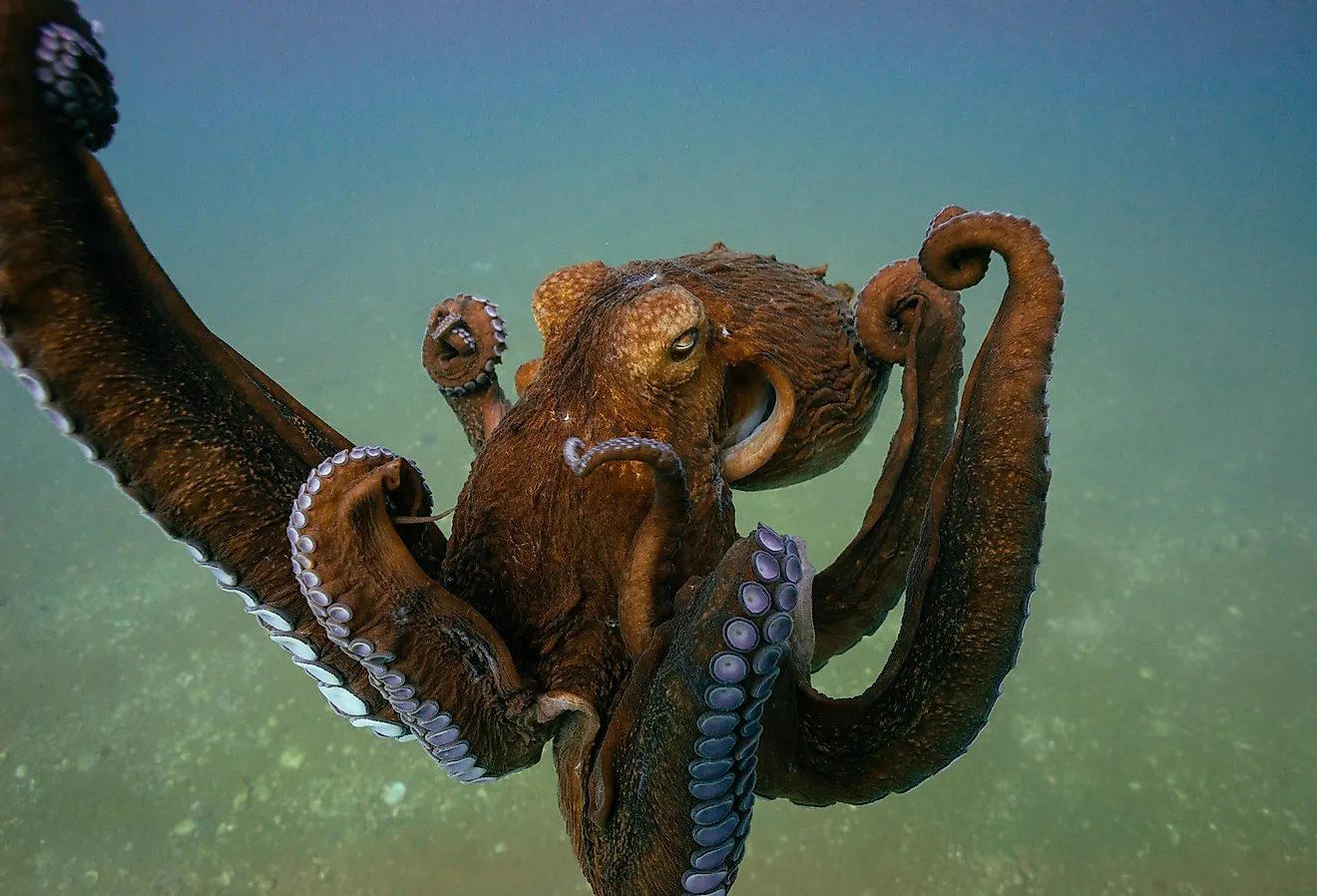
More than two miles beneath the waters off California, researchers found a whale skeleton crawling with octopuses, fish, and bone-eating worms. The discovery came in 2019, when explorers aboard the E/V Nautilus were studying deep-sea invertebrates near Davidson Seamount in Monterey Bay National Marine Sanctuary. At a depth of 10,623 feet, they unexpectedly came upon an active whale fall supporting an entire community of marine life.
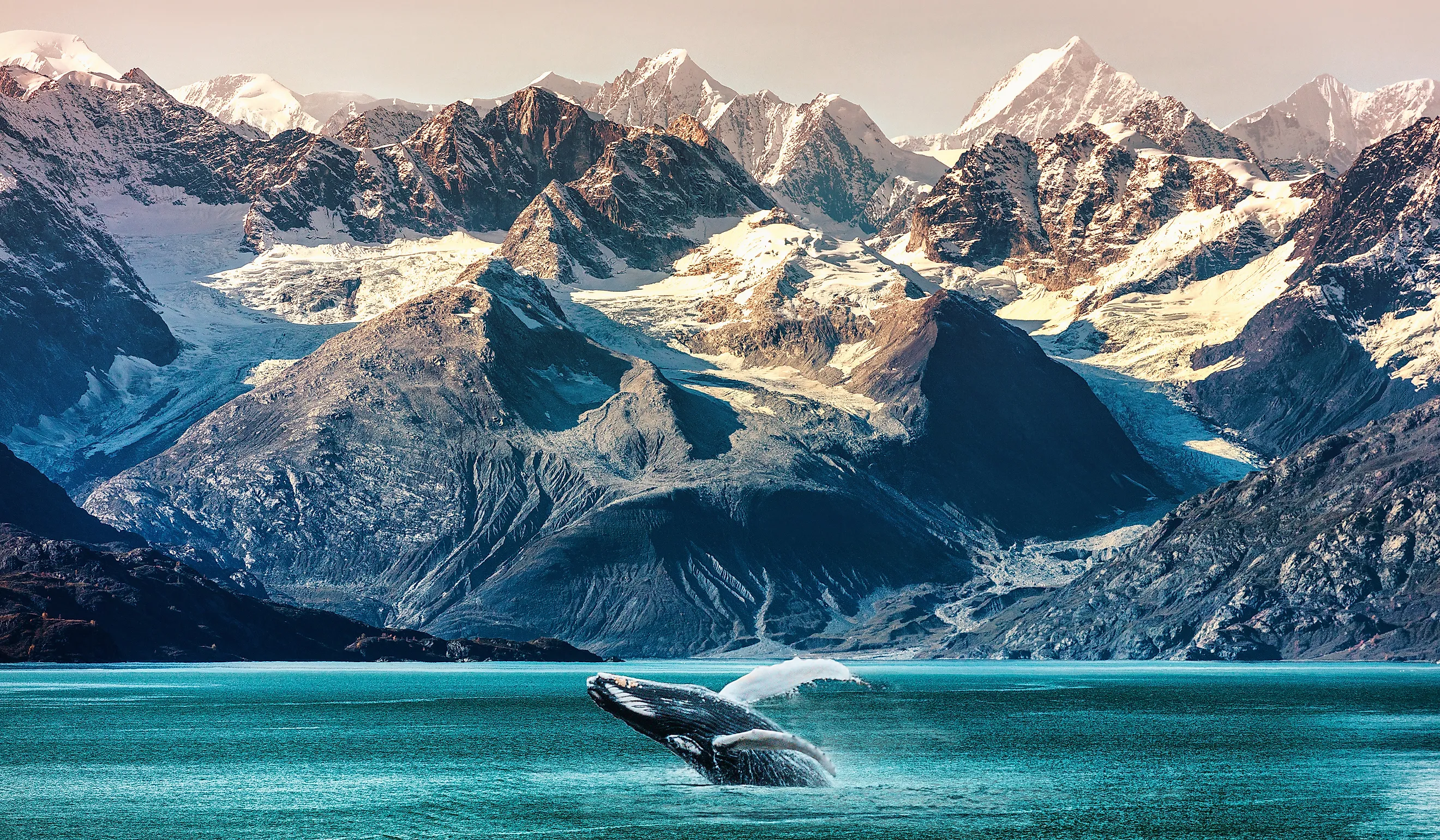
Some whale species can live for more than a century. Bowhead whales may even survive for more than 200 years. Although we would like to think such magnificent animals could live forever, they too pass. What happens afterward is a secondary journey nearly as remarkable as the whale's life. A dead whale may initially float, drift ashore, or attract scavengers near the surface. Scientists estimate that about 90% of large whale carcasses eventually sink into the deep sea, where they can support other organisms for years or even decades.
Whale Fall

Large whales carry enormous amounts of flesh, blubber, and oil-rich bone. After a whale dies at sea, decomposition gases may temporarily keep its body afloat near the surface. Some carcasses wash ashore, where scavengers feed on them and researchers get a chance to study them. Sharks and other animals consume others before they sink.
Most large whale carcasses, however, eventually descend to the ocean floor and become part of the deep-sea ecosystem. A whale carcass that reaches the seafloor is called a whale fall. It may sink thousands of feet into cold, dark water. Marine animals wait below, adapted to an environment where large meals are extremely rare. A single carcass drops an enormous concentration of food onto the deep ocean floor. In some cases, one whale holds as much organic material as would otherwise reach the surrounding seafloor over many years.
Who Feeds On The Whale Fall?

Large scavengers can strip much of a whale's soft tissue within several months, though complete decomposition of the carcass may take years or even decades. Cold deep-sea temperatures, low oxygen in some sediments, and the sheer amount of organic material all stretch a whale fall out as a food source. The first animals to arrive are usually mobile scavengers. Sharks, crabs, and other deep-sea animals eat the whale's flesh and blubber. Some travel considerable distances after detecting chemicals released by the decomposing body.
Once the larger animals have taken most of the soft tissue, smaller organisms move onto the scraps left behind. Worms, crustaceans, and other invertebrates colonize the carcass and the nutrient-rich sediment around it. Microbes break down organic material that has entered the seafloor.
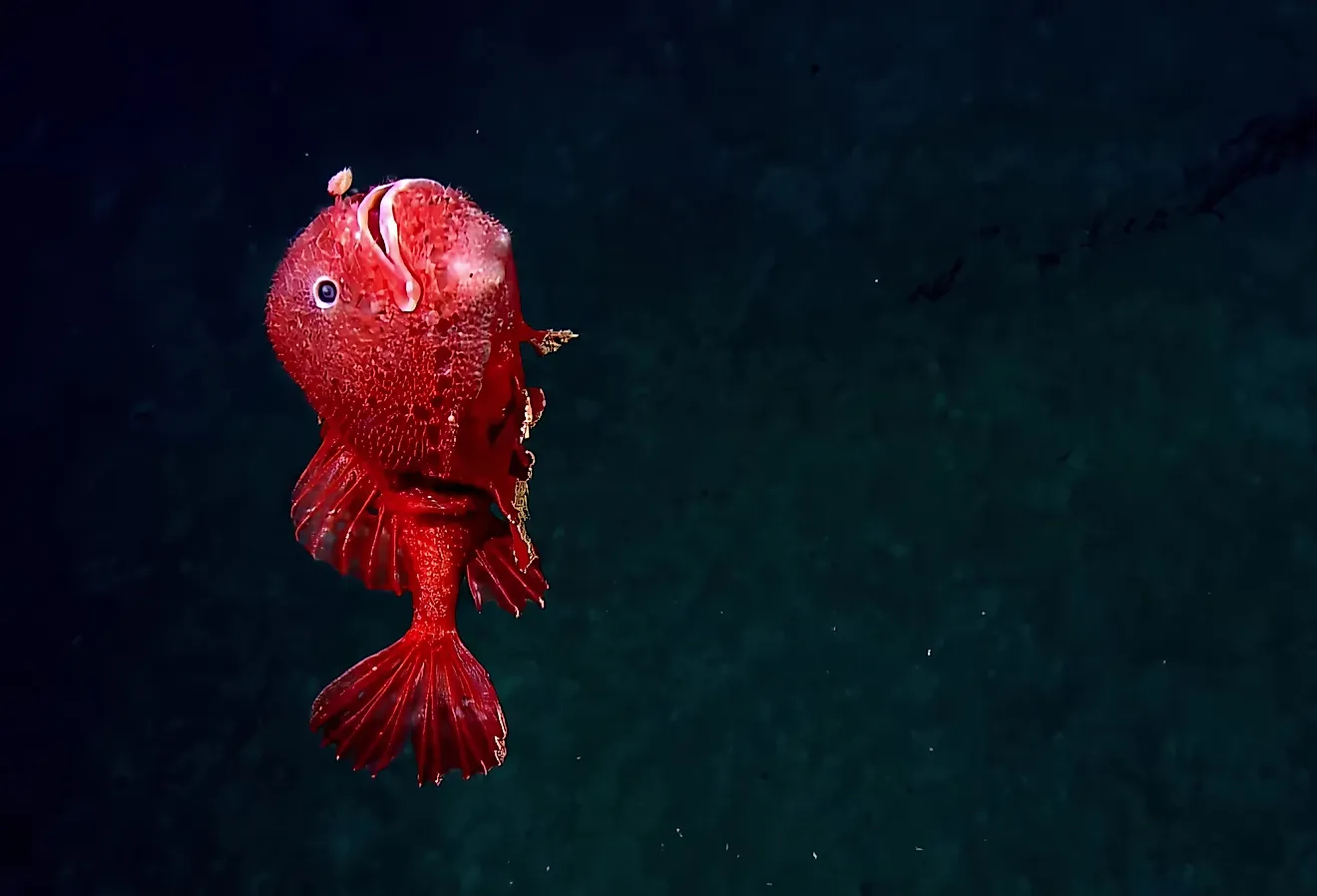
The whale fall discovered by the E/V Nautilus held octopuses, fish, polychaete worms, and other animals. Researchers also observed Osedax, commonly called bone-eating worms. These unusual worms have no mouth or digestive tract. Instead, they extend root-like tissues into whale bones and rely partly on symbiotic bacteria to obtain nutrients.
What Happens After the Carcass Is Gone?

Even after the whale's soft tissue is gone, its bones can still feed the surrounding ecosystem. Whale bones hold large quantities of lipids, or fats, that stay trapped inside them long after scavengers have stripped away the flesh.
A whale fall decomposes in several overlapping stages. First, mobile scavengers consume the flesh and blubber. Second, smaller animals feed on scraps and live in the nutrient-rich sediment around the carcass. During the next stage, microbes begin breaking down the lipids inside the bones under low-oxygen conditions. This microbial activity produces sulfide-rich compounds. Sulfide-oxidizing bacteria draw chemical energy from these compounds to grow, forming the foundation of a chemosynthetic community. Unlike plants, which draw energy from sunlight, these bacteria draw energy through chemical reactions, and they can support organisms living in the darkness of the deep ocean.
After much of the organic material is exhausted, the whale's remaining bones still offer a solid surface where animals can settle. Sponges, anemones, and other filter feeders may attach themselves to the skeleton. In this final reef-like stage, the bones remain a habitat even though little food is left in them. How long a whale fall lasts depends on the whale's size, the surrounding conditions, and the animals that find it. Much of the soft tissue may vanish within months, while the oil-rich skeleton can sustain marine life for several decades.
Fitting End To A Whale
Sinking to the deep-sea floor may at first seem like a sad end for such a magnificent creature. In ecological terms, though, a whale's death can be almost as remarkable as its life. A single carcass can feed thousands of animals and create a rare oasis in an environment where food is often scarce. The energy stored by one of Earth's largest animals passes into an entire community of life, and the deep ocean ecosystem carries on long after the whale itself is gone.
In the deep ocean, where rich food sources rarely arrive, a whale fall is a windfall that sustains life for decades.