The US Lakes Where Invasive Fish Have Wiped Out Natives
A lake can look perfectly healthy and still be a crime scene. Drop the wrong fish into the wrong water, whether on purpose, by accident, or through a canal nobody thought twice about, and it can tear through the native species like a wolf in a hen house. In some American lakes, that is not an exaggeration. Entire native fish, ones that had ruled those waters for thousands of years, have been driven out completely, and a couple have vanished from the planet for good. Here are the US lakes where invasive fish did the most damage, from total wipeouts to collapses we are still fighting to reverse.
Lake Huron

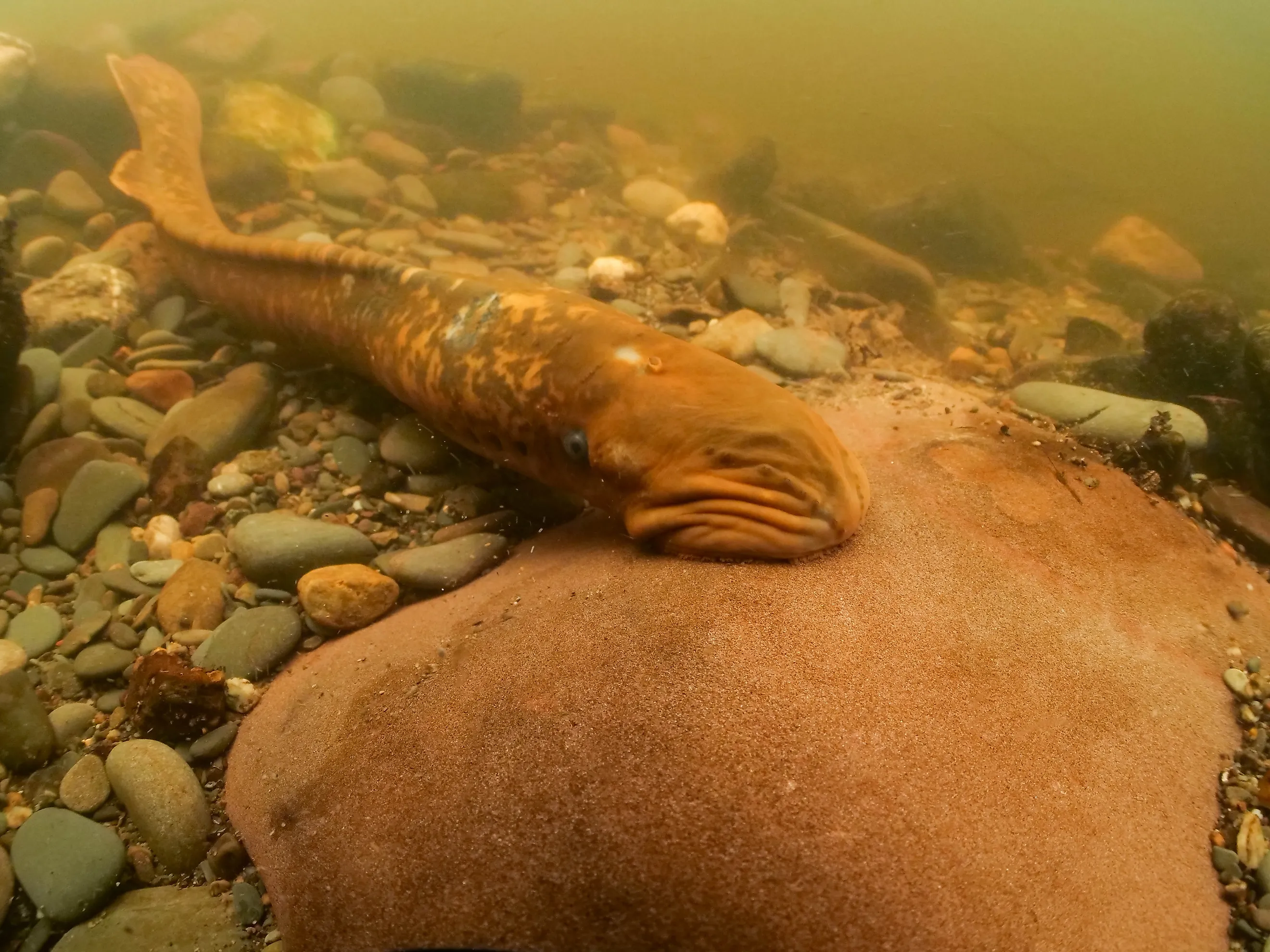
Meet the villain of the Great Lakes: the sea lamprey, a jawless, eel-shaped parasite that latches onto big fish with a mouth like a suction cup full of teeth and drains them dry. It slipped into the upper lakes through shipping canals in the early 20th century, and combined with heavy overfishing, it was devastating. In Lake Huron and most of its neighbors, the native lake trout, the apex predator that anchored the entire ecosystem, was completely wiped out by the middle of the century. An animal that had been the king of these waters for millennia was simply gone, erased by a fish that looks like a nightmare.
Lake Michigan

What happened next in Lake Michigan shows how invasions snowball. With the native lake trout gone, nothing was left to keep smaller fish in check, so another invader, the alewife, exploded into the vacuum. The population grew so absurdly large that the fish began dying off in massive seasonal waves, washing up on Chicago's beaches in rotting piles that had to be cleared away with bulldozers. To control the alewife mess, managers later stocked non-native salmon, meaning the lake's food web is now essentially a stack of introduced species balanced on top of the hole where the natives used to be. Remove one keystone fish and the whole tower wobbles for a century.
Lake Ontario

Lake Ontario got hit twice. Like the other lower Great Lakes, it lost its native lake trout to the sea lamprey and the fishing nets. But it also lost something even more storied: its native Atlantic salmon, a fish that once ran so thick up the lake's tributaries that early settlers wrote of scooping them out by the basketful. A brutal combination of dams, deforestation, overfishing, and invasive competitors snuffed out that native run completely by the late 1800s. The Atlantic salmon you might catch there today are the product of modern reintroduction efforts, not the originals. The lake's founding residents were evicted long ago.
Lake Tahoe, California and Nevada

Out West, the invader was a fish that is actually native somewhere else: the lake trout, prized by anglers and stocked far beyond its natural range. Dropped into gorgeous, ultra-clear Lake Tahoe in the early 1900s, it went to work on the lake's native Lahontan cutthroat trout, out-competing and out-eating them until the original Tahoe cutthroat were gone entirely, functionally extinct in the very lake they were named for. It is a quieter tragedy than the Great Lakes lamprey saga, with no gruesome parasite to point at, just one popular sport fish steadily eating another species out of existence.
Yellowstone Lake, Wyoming

Here the culprit was lake trout again, and the story is almost unbelievable. Sometime in the 1980s, somebody illegally dumped lake trout into Yellowstone Lake, and by the time anyone confirmed it in 1994, the invaders were already gorging on the native Yellowstone cutthroat trout. The cutthroat crashed, one spawning stream plummeting from 50,000 fish to around 500, and the damage rippled outward: grizzly bears, eagles, and ospreys that relied on those spawning cutthroat went hungry and turned to elk calves instead. This one is not a total wipeout, thanks to a massive, ongoing gill-netting campaign that has cutthroat slowly recovering, but the lake came terrifyingly close to losing them for good.
Flathead Lake, Montana

Flathead Lake is the sneakiest story of all, because the disaster came in two innocent-looking steps. First, managers introduced a tiny freshwater shrimp called Mysis as extra food for the fish. Instead of helping, the shrimp became rocket fuel for the lake trout that were already lurking in the system, and their numbers boomed. The surging lake trout then turned on Montana's native bull trout and westslope cutthroat, and both collapsed, with the threatened bull trout hit especially hard. It is a textbook lesson in how invasions cascade: a shrimp nobody worried about ended up dismantling the native fish community of one of the West's largest lakes.
The Lesson in the Water
The through-line in every one of these lakes is the same, and it is humbling. A native fish can spend tens of thousands of years becoming the perfect resident of its lake, and a single introduced species can undo all of it in a few decades. Sometimes the invader is a horror-movie parasite, sometimes it is a beloved game fish, and sometimes it rides in on the back of something as harmless as a shrimp. The good news is that the story is not always over: sea lamprey are now beaten back by about 90 percent, lake trout are being netted out of Yellowstone, and some natives are clawing their way back. But every one of these lakes is a permanent reminder that the fastest way to break a lake is to add a fish that was never supposed to be there.