4 Most Snake-Filled Bodies Of Water In Vermont
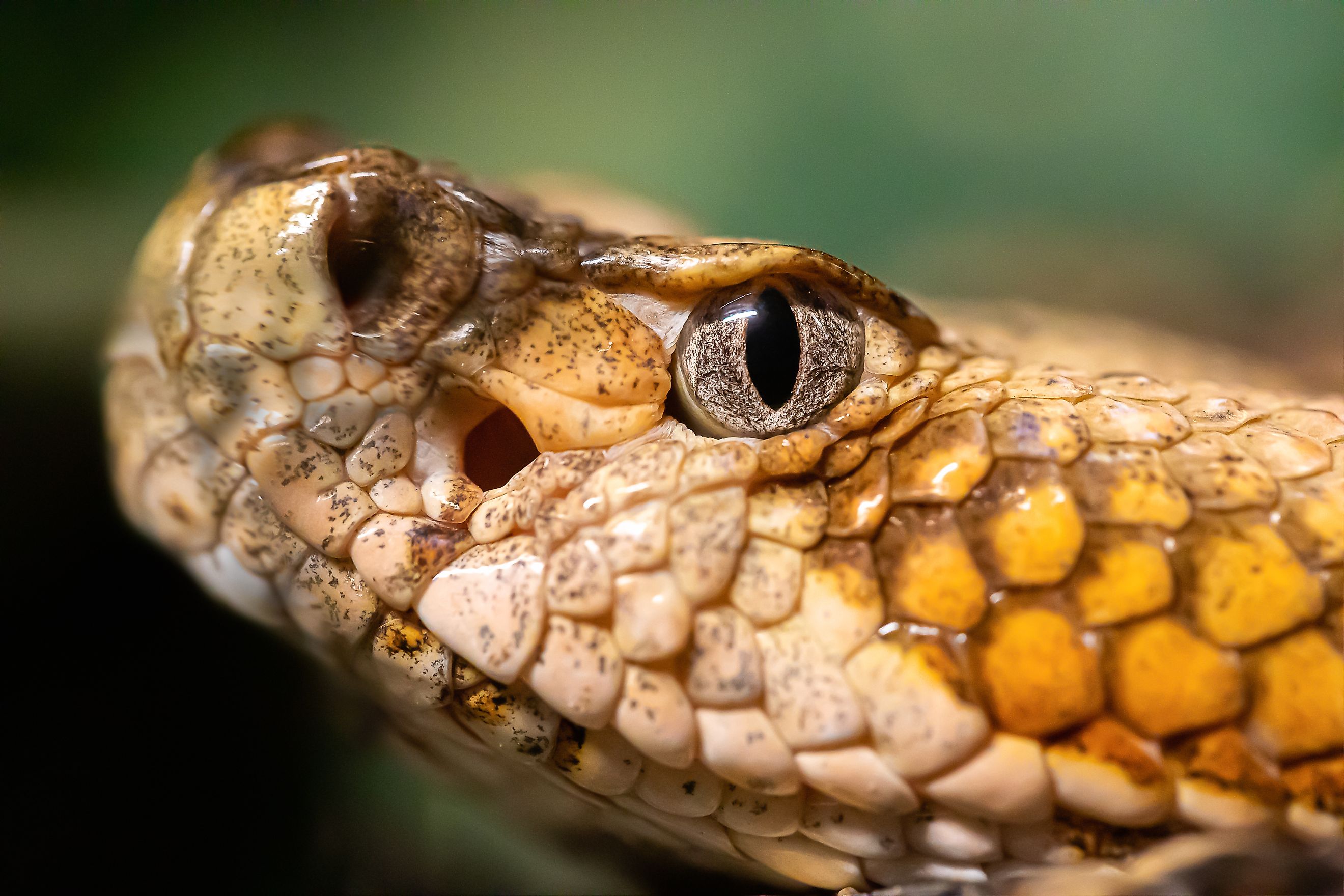
Vermont’s many waterways mainly consist of freshwater lakes connected by rivers and streams, and support a dense network of wetlands that create reliable habitat for several snake species. As with much of the rest of New England, common watersnakes (formerly known as northern watersnakes, with the northern watersnake recognized as a subspecies) are among Vermont's most frequently encountered aquatic snakes, typically seen along its rocky patches, muddy banks, and vegetated shorelines where fish and amphibians abound. Eastern garter snakes also appear quite often across marshy zones and wet meadows tied to larger water systems, while eastern ribbon snakes are more localized and typically associated with marshes, ponds, streams, and other wetland habitats. Venomous timber rattlesnakes, on the other hand, tend to occupy nearby woodlands and rocky outcrops, but may be spotted near the following snake-friendly habitats, which concentrate a variety of reptile activity in predictable, observable pockets during Vermont's relatively brief summer months.
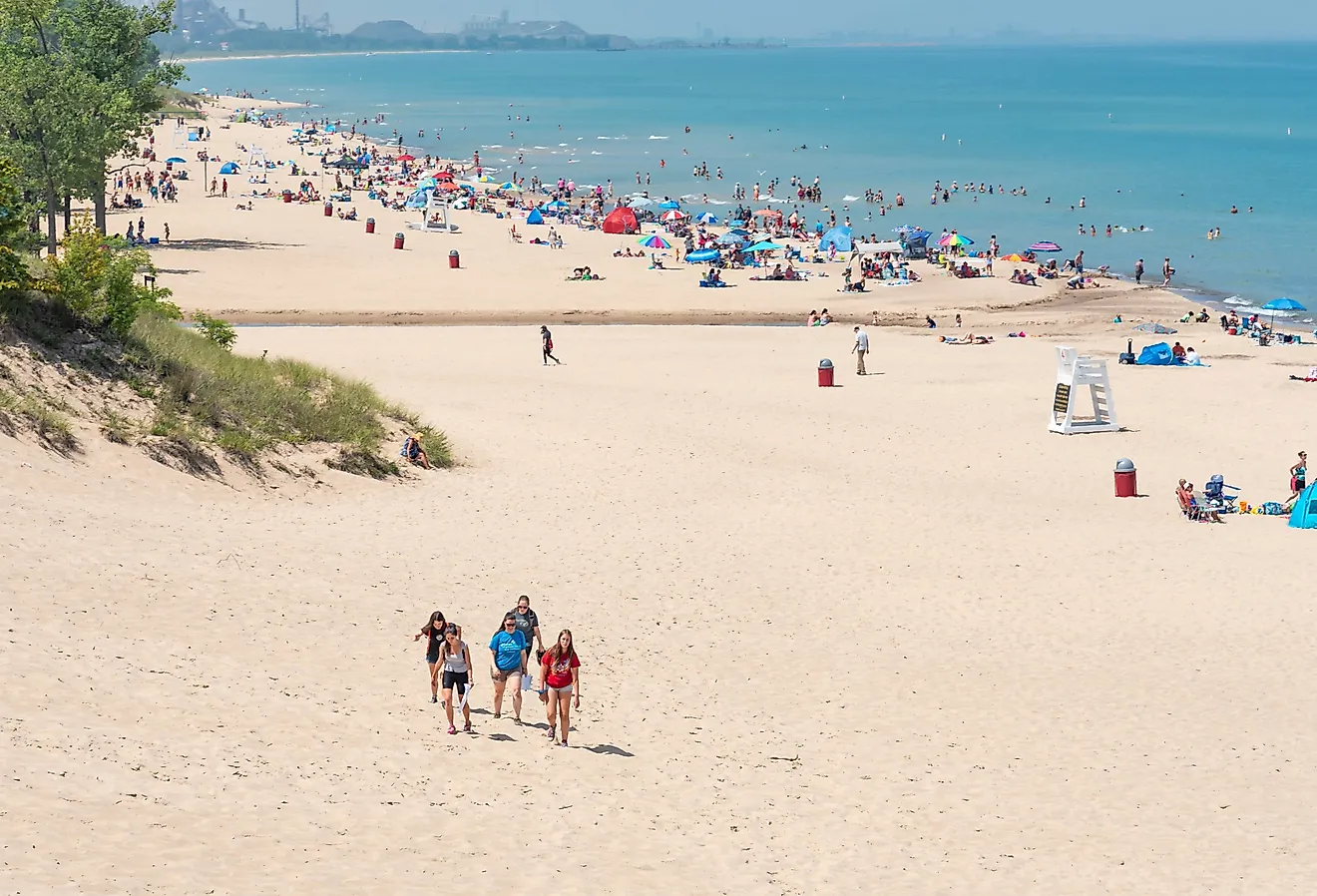
Lake Champlain

Stretching along Vermont’s western border with New York's Adirondack Mountains, Lake Champlain is easily among the state’s most wildlife-filled bodies of water. Its extensive shoreline, marshes, backwaters, and vegetated bays provide ideal habitat for several water-based species. The lake’s connected wetlands, including areas around Missisquoi Bay and a number of wildlife refuges, create excellent conditions for a plethora of other reptiles and amphibians, namely turtles and frogs. With that, during warm months, human visitors exploring quiet coves, marsh edges, and shallow inlets have a good chance of encountering either snakes, frogs, or turtles (or all at once) in and around this sizable body of water.

Common watersnakes (Nerodia sipedon) are among the most frequently observed snakes around Lake Champlain, often seen swimming near docks, basking on rocks, or hunting along the shoreline. These nonvenomous snakes feed heavily on fish and amphibians and may display defensive behaviors when approached. Eastern garter snakes (Thamnophis sirtalis sirtalis) also occur around wet meadows and marshy sections of the lake, while smooth greensnakes (Opheodrys vernalis) can occasionally be found in nearby grassy and shrubby shoreline habitats.
Lake Bomoseen

Lake Bomoseen, Vermont’s largest inland lake entirely within its borders, is a notable hotspot for aquatic and semi-aquatic snakes. Located in Rutland County, the lake is surrounded by countless coves, cattail stands, and other shallow shoreline habitats that attract reptiles. The connected wetlands at the southern end of Lake Bomoseen provide especially favorable conditions, offering abundant prey and cover from predators. Fallen logs, stone walls from old camps and farms, and lakeside vegetation further create additional sites where local snakes can regulate their body temperature. On the water, kayakers and anglers often report sightings during summer, too, especially in quieter sections away from busy boating areas.

Watersnakes are the species most frequently encountered here, and often patrol rocky shorelines and weed-filled shallows in search of food like fish, tadpoles, and frogs. Eastern garter snakes are also common around wet fields and marshy margins bordering the lake. Rare in Vermont, the venomous timber rattlesnake (Crotalus horridus) also occurs in the Lake Bomoseen region. However, the species is found in very small numbers and typically inhabits rocky upland forests and ridges away from the lake's shoreline.
Dead Creek

Just north of Lake Bomoseen in Addison County, Dead Creek is less a single lake than a sprawling network of slow-moving waters and flooded plains. Managed in part as a wildlife refuge, the creek supports extensive stands of emergent vegetation, seasonally flooded zones, and shallow channels that provide excellent cover and hunting grounds for reptiles. Watersnakes are commonly found along the water’s edge at various points, where they prey on fish, frogs, and other small aquatic critters. Eastern garter snakes also thrive in the surrounding wetlands, likewise taking advantage of the abundance of amphibians.

During the region's short summers, snakes are frequently spotted sunning themselves on muskrat lodges, exposed logs, and patches of especially dense shoreline vegetation. The area's relatively low level of shoreline development also helps maintain an overall pristine habitat, while the interconnected wetland system allows snakes to move freely between feeding and sheltering areas. As a result, Dead Creek is among Vermont's best locations for observing wild snakes near water.
Missisquoi River

The Missisquoi River and its delta emptying out into Lake Champlain's Missisquoi Bay form another one of Vermont’s most structurally complex wetland systems. Slow distributary channels, vast swathes of reed beds, and seasonally flooded flats create a stable environment for reptile activity in late spring, summer, and early fall. The delta’s patchwork of emergent vegetation and open water clearly supports a steady prey base, while limited urban development around it allows all kinds of flora and fauna to move freely with little disturbance. Furthermore, seasonal water level changes may concentrate activity in predictable pockets, with rising water pushing snakes higher into nearby forests and lowered levels bringing them closer to the shoreline.

Once again, watersnakes are frequently sighted along the river's banks and shallow backwaters, where fish populations are likewise healthy, and cover is abundant. Moreover, eastern ribbon snakes (Thamnophis sauritus), though less commonly seen here, are also present in surrounding woodlands and meadows, typically staying close to amphibian-rich ponds, too, when feeling hungry.
Keep An Eye Out for Snakes In These Northern Wildlife Strongholds
These snake-rich bodies of water share a number of attributes, namely shallow and heavily vegetated adjacent habitats that support abundant amphibian and fish populations as well. Lakes, rivers, and wetlands such as Lake Champlain, Lake Bomoseen, Dead Creek, and the Missisquoi River Delta provide idyllic scenarios for northern watersnakes, garter snakes, ribbon snakes, and the odd timber rattler. Coinciding with the warmer months that make outdoor exploration easier, these destinations regularly report snake sightings. By exercising reasonable caution and respecting wildlife, visitors can help protect themselves, local snake populations, and the habitats they depend on.