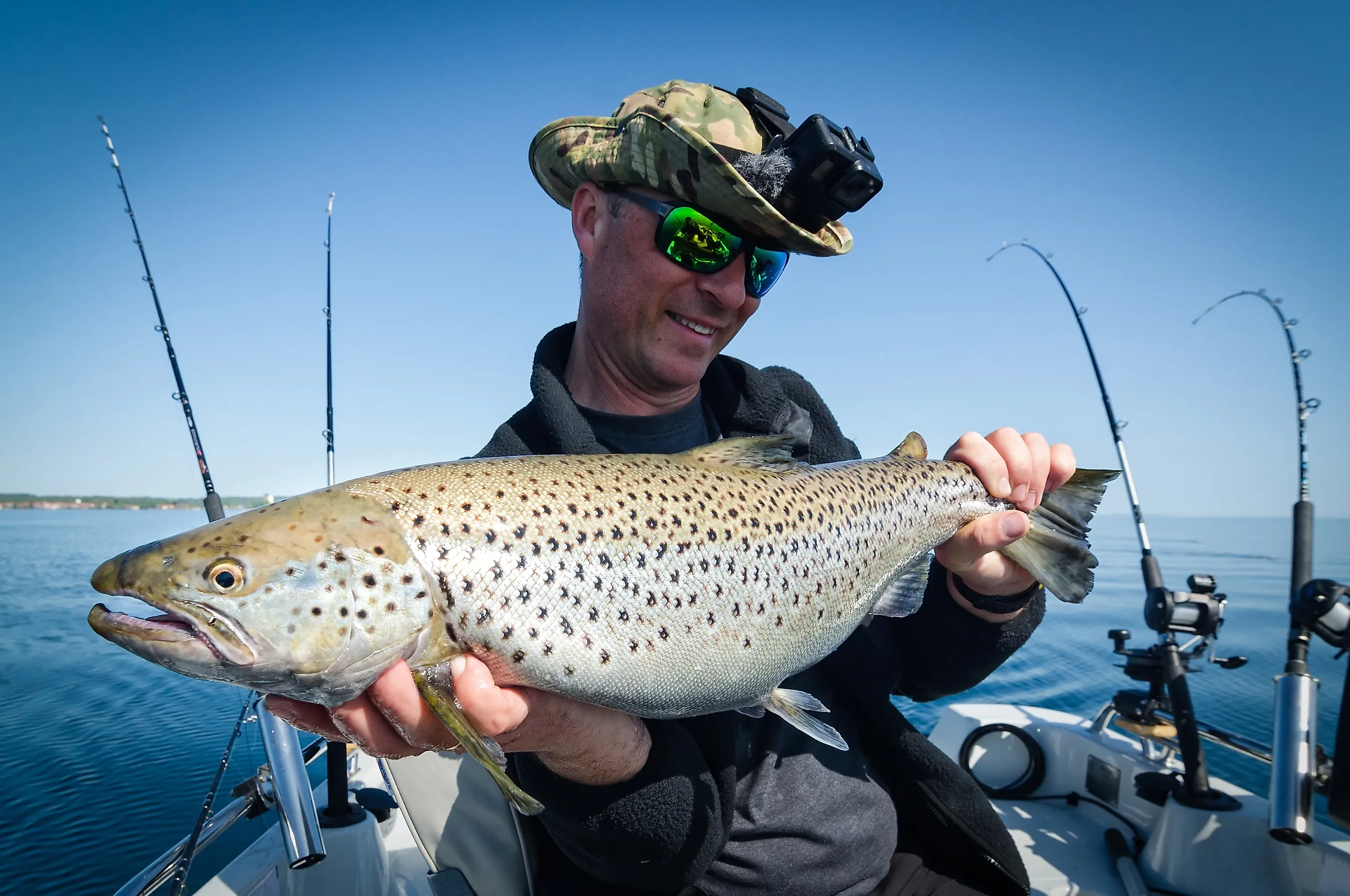
The Lakes Where Lake Trout Grow Largest
Lake trout are the muskies of the trout world, the big, brooding heavyweights that grow slowly, live for decades, and lurk in water so deep and cold most fish would rather not. A truly giant one can be older than the angler holding it, and hooking a 50-pounder is estimated to take somewhere between 1,000 and 1,500 hours of fishing, which is less a hobby than a part-time job with terrible pay. They only reach that size in a handful of very specific lakes: deep, frigid, and preferably so remote the fish have never seen a lure. Here are the waters where lake trout, also called mackinaw, togue, or just "lakers," grow into absolute monsters.
Great Bear Lake, Northwest Territories

There is the rest of the world, and then there is Great Bear Lake. This enormous, brutally cold lake above the Arctic Circle is where the all-tackle world record was set in 1995: a 72-pound laker, five feet long, hauled up by Lloyd Bull while trolling. To grasp how dominant this one lake is, consider that it holds an absurd 19 of the 35 lake trout world records the IGFA recognizes. Why here? The lake is geologically young, savagely cold, and home to only about 15 fish species, which means the lake trout face almost no competition for food. They are basically the only kids at an all-you-can-eat buffet, and it shows on the scale.
Great Slave Lake, Northwest Territories

Great Bear's slightly less famous sibling is no slouch, and it has a trick of its own: at over 2,000 feet, Great Slave Lake is the deepest lake in North America, which is exactly the kind of cold, dark basement a trophy laker loves. In this corner of the Northwest Territories, 40-pound lake trout are described as downright commonplace, which is a genuinely ridiculous sentence to be able to write. Between them, Great Bear and Great Slave, the seventh and ninth largest lakes on the planet, form the beating heart of giant-laker country. Getting there generally involves a floatplane and a serious commitment, but the fish waiting at the bottom make the trip worth every bump of turbulence.
Lake Athabasca, Saskatchewan

Now for the tall tale that happens to be true. Back in 1961, a lake trout weighing an almost unbelievable 102 pounds and measuring five feet long was pulled from Lake Athabasca on the Saskatchewan-Alberta border. That is well over the official world record, so why have you never heard of it? Because it was hauled up in a commercial net rather than on a rod and reel, which means the record books politely refuse to acknowledge it. It is the fishing equivalent of the one that got away, except it did not get away at all, it just does not count. Athabasca remains a magnet for anglers who like their trout in the "how is that even a fish" size category.
Lake Superior

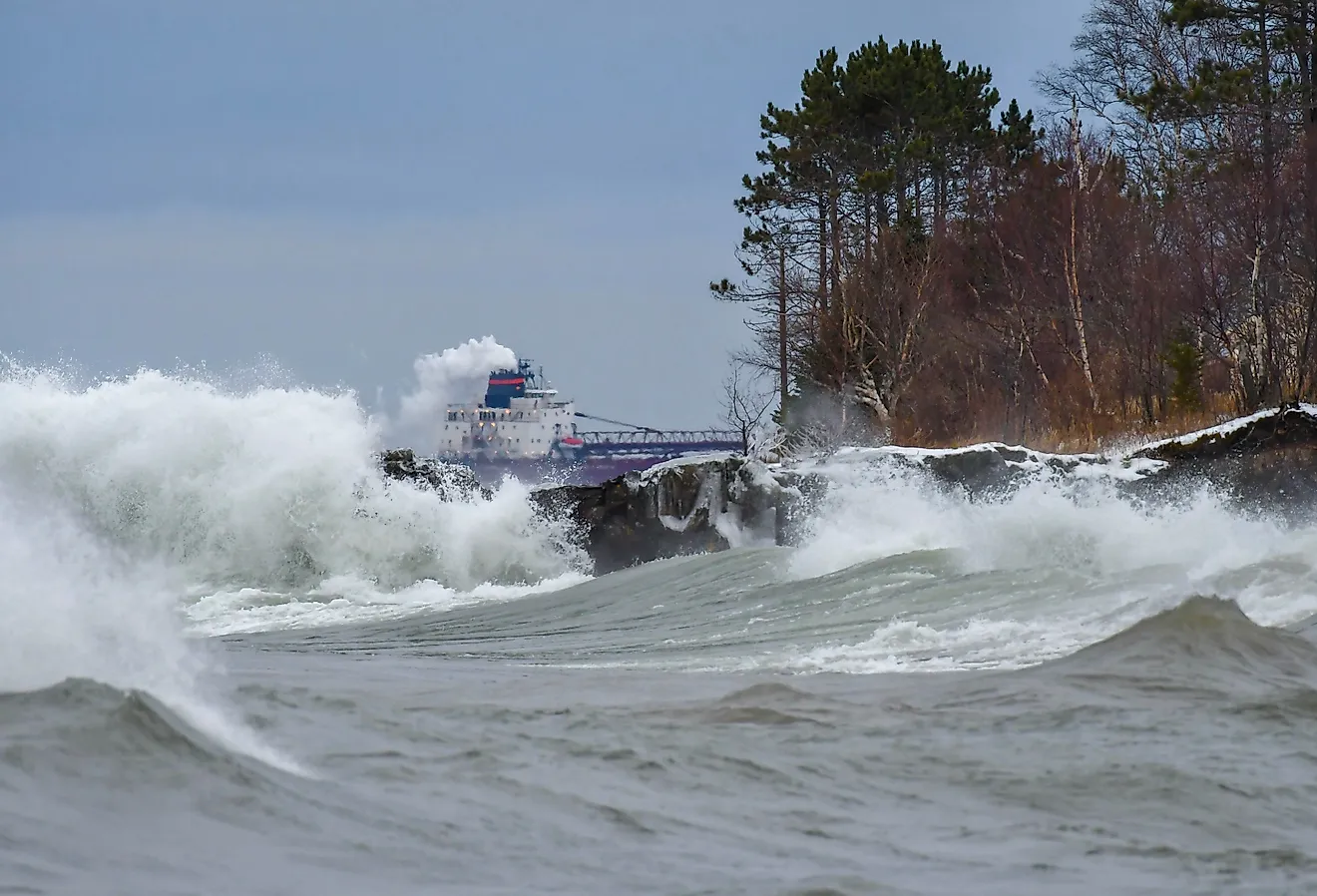
You do not have to fly to the Arctic to tangle with a big laker, because the largest of the Great Lakes is stuffed with them. Lake trout are native to Lake Superior, and this is one of the great redemption arcs in North American fishing: after invasive sea lamprey and overfishing gutted the population in the mid-1900s, decades of hard work brought the native lakers roaring back. Today Superior is the strongest wild lake trout fishery in the Lower 48, its cold, cavernous depths, more than 1,300 feet at their lowest, growing lake trout that would make most inland anglers weep. Proof that "giant lake trout" does not always require a passport.
Lake Pend Oreille, Idaho

Set deep in the panhandle of northern Idaho, Lake Pend Oreille is deep, cold, and more than a thousand feet down at its darkest, which is precisely the address a giant lake trout wants. The lakers here grow enormous, so enormous, in fact, that fisheries managers have spent years actively trying to knock the population back, because the oversized trout were happily devouring the lake's prized kokanee salmon. It is a strange sort of compliment: the lake trout got so good at getting big that the state had to step in and ask them to please, for everyone's sake, calm down. For a trophy hunter, though, a lake full of overachieving giants is not a problem. It is the whole point.
Flaming Gorge Reservoir, Utah and Wyoming

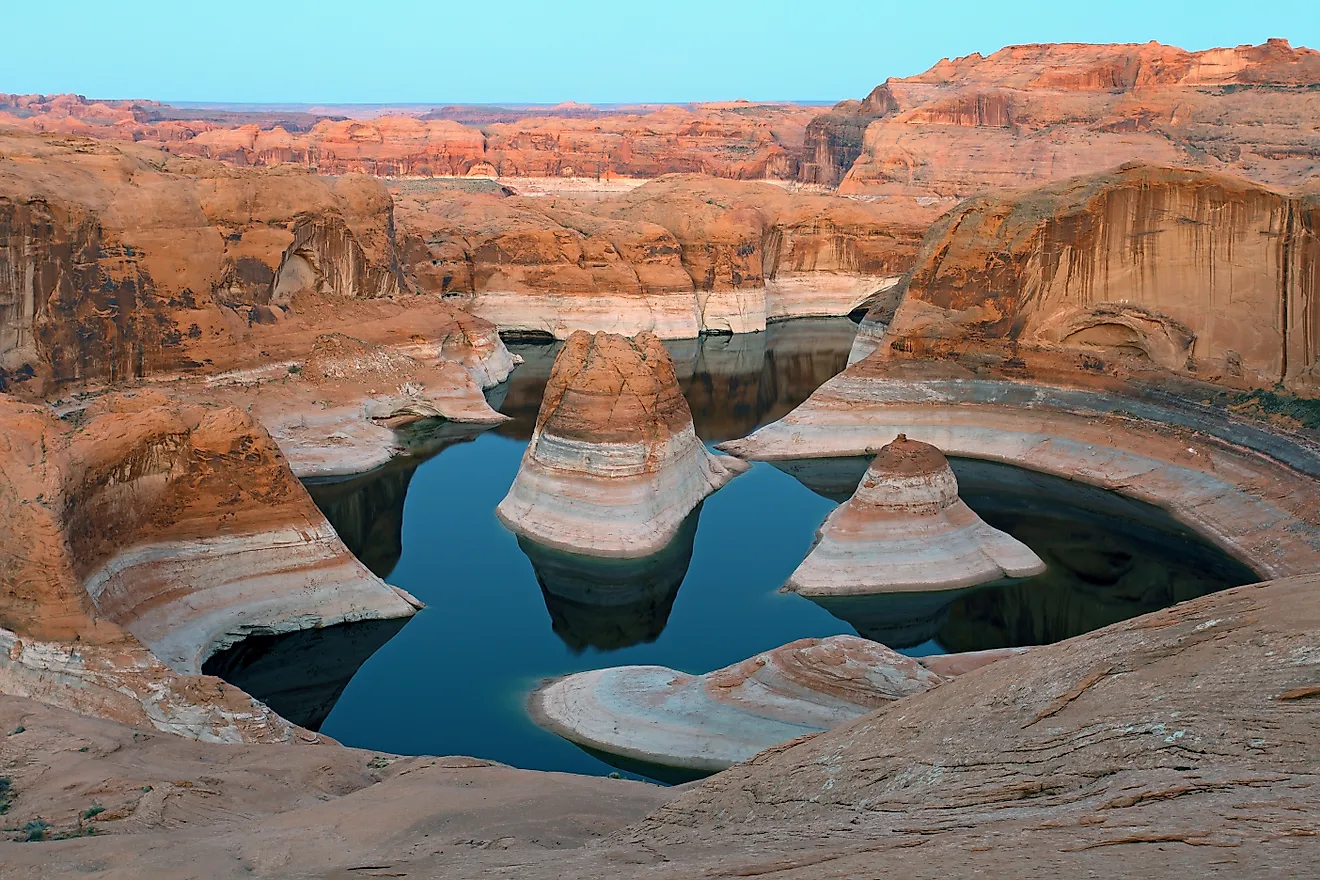
Straddling the Utah-Wyoming line, Flaming Gorge Reservoir is the answer for anyone who wants a genuine shot at a monster mackinaw without leaving the contiguous states. This deep, cold, canyon-walled reservoir is one of the premier trophy lake trout destinations in the country, regularly giving up fish north of 40 pounds and holding lakers that flirt with the 50-pound mark. Because it is a reservoir rather than a remote Arctic lake, it manages the neat trick of offering Arctic-scale fish with a boat ramp and a parking lot nearby. It is trophy laker fishing for people who still want to sleep in a real bed, which is a combination the far north simply cannot match.
Lake Tahoe, California and Nevada

Finally, a lake where the giant laker is less hero and more supervillain. The mackinaw in gorgeous, ultra-deep Lake Tahoe grow genuinely large, thriving in its cold, clear, 1,600-foot depths. The catch is that they are not supposed to be here at all. Lake trout were introduced to Tahoe over a century ago and promptly ate the native Lahontan cutthroat out of the lake entirely. So while anglers happily chase Tahoe's trophy lakers today, the fish carries an asterisk: it is the same species revered as a treasured native giant up in Canada and hunted as an invasive troublemaker across the American West. One fish, a hero in one country and a wanted poster in the next. Lake trout contain multitudes.