4 Rattlesnake Hotspots In Vermont
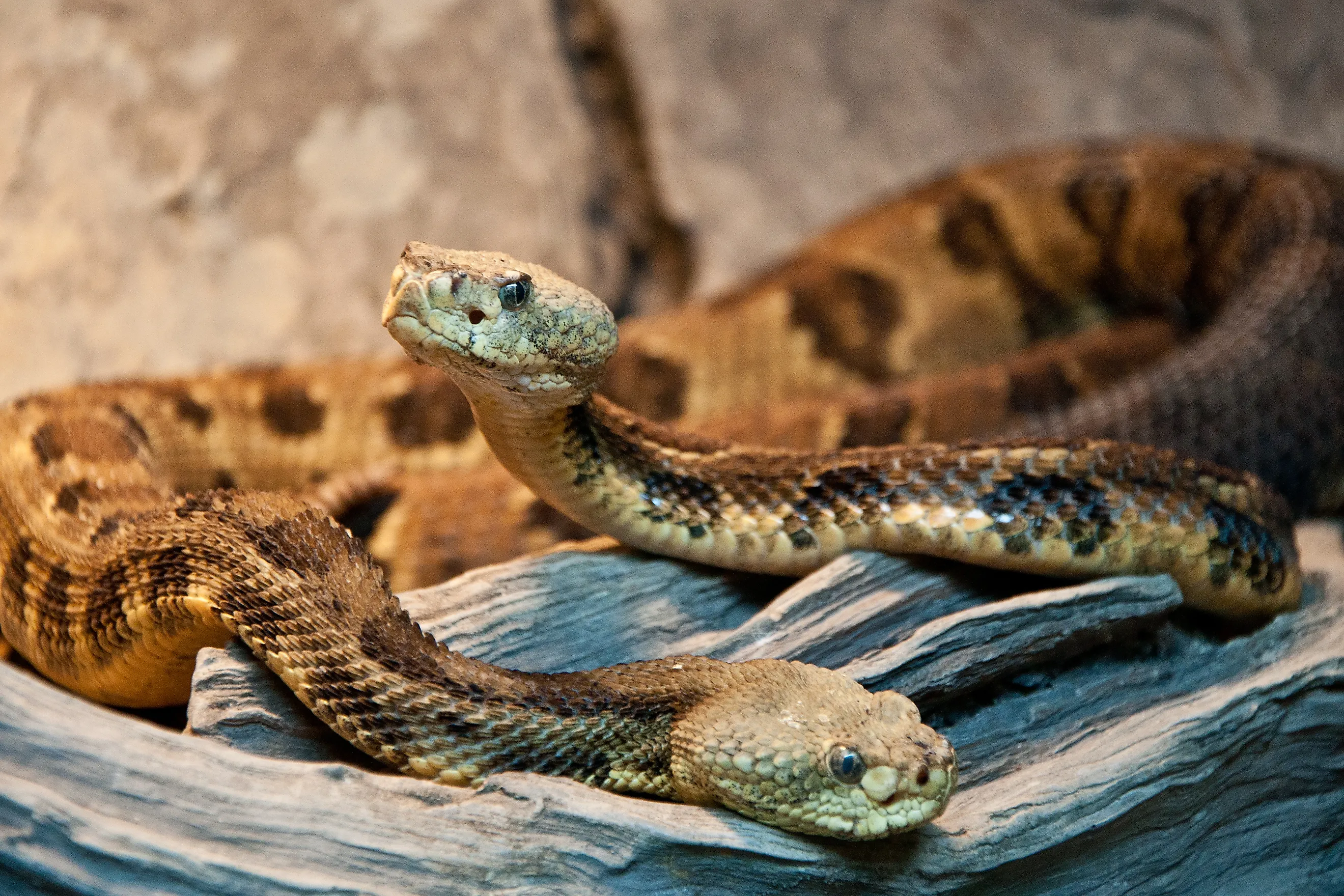
Deep in New England, Vermont is not a state most people associate with reptiles, yet its western landscapes do support a handful of pockets that harbor these sometimes hardy critters. From lush rural valleys to mountainous peaks, timber rattlesnakes in particular have been able to find just enough warmth and shelter to survive here at the northern edge of their range.
Understanding where these rattlesnakes often occur in the Green Mountain State may require looking a bit more deeply into its dense forests and outdoor recreation areas, and this article will explore the state’s few notable hotspots should you be interested in seeing some of these cold-blooded predators for yourself.
West Rutland Marsh Wildlife Management Area

West Rutland Marsh Wildlife Management Area is a wonderful part of Vermont to witness all sorts of different types of wildlife. This protected wetland and surrounding rocky hills support one of the state’s last remaining populations of the timber rattlesnake, a species listed as endangered in the region.
What perhaps makes this area most notable is its long history of conservation: access is tightly regulated, and sensitive den sites are monitored to prevent disturbance. Furthermore, West Rutland Marsh is also one of the northernmost locations in the species’ range, making it even more ecologically significant.
Visitors hiking nearby trails may never see a rattlesnake, but their elusive presence reflects the health of this rare habitat and Vermont’s broader efforts to protect fragile native wildlife. Keep an eye out for nearby ledges and exposed slopes, where these predators prefer to den, while the marsh itself attracts prey such as small mammals and amphibians.
Snake Mountain Trail

The aptly named Snake Mountain Trail in Addison County is another one of the most well-documented rattlesnake locations in Vermont. The mountain’s limestone cliffs, south-facing ledges, and loose rock piles create prime denning and basking habitat for timber rattlesnakes as well as a number of other species. Moreover, its proximity to Lake Champlain helps moderate temperatures, extending the active season compared to higher-elevation sites.

Historically, Snake Mountain supported a larger population, and early settlers frequently reported rattlesnakes along its slopes. Today, the area is protected and carefully managed, with seasonal trail closures to reduce disturbance near sensitive habitat. Snake Mountain is also known for its panoramic views of the Champlain Valley and the Adirondack Mountains, making it a hugely popular hiking/sightseeing destination. While snake encounters are uncommon, the continued presence of rattlesnakes here highlights the importance of preserving pristine, low-elevation cliff environments that are increasingly rare in Vermont.
Mount Equinox

Mount Equinox and the adjacent Equinox Highlands Natural Area are notable for their sharp elevation gain, rising quickly from the Batten Kill Valley and creating a range of microclimates that support diverse plant and animal life. Much of the surrounding land is protected, helping limit development pressure and further allowing the area's flora and fauna to thrive in peace.
Also known as Equinox Mountain, it has many of the features that allow it to be an ideal snake habitat. The mountain’s countless sun-exposed hillsides provide tons of space for denning and basking for timber rattlesnakes, particularly on its lower elevations. As usual in this far-northern state, sightings of any reptiles here are not all that common, let alone venomous snakes, but the region remains surprisingly suitable and is closely studied by wildlife biologists.
Green Mountains

The Green Mountains form the spine of Vermont and mark the eastern edge of the area where timber rattlesnakes historically survived in the state. While the range’s higher elevations are generally too cool and forested for rattlesnakes, some of its lower slopes and isolated stone outcrops boast prominent population pockets. As logging, farming, and road building expanded in the nineteenth century, many larger snake populations declined rapidly, and today the Green Mountains are better known for moose, black bears, and alpine ecosystems.
The more sun-soaked, southern slopes on the western flank of the Green Mountains, however, where thinner soils and broken bedrock created warmer microclimates, are where timber rattlesnakes are possible. This varied topography matches the species’ habitat requirements, with space for them to warm their bodies in forest clearings and abundant food sources, including birds, small mammals, and even amphibians such as salamanders and frogs, which thrive alongside them.
Will You Spot a Rare Rattlesnake in These Vermont Wildlands?
These locations showcase how Vermont's unique geology, massive variety of elevations, and rugged northern climate shape where timber rattlesnakes could theoretically persist. While most populations have unfortunately disappeared, the remaining and historical sites underscore the importance of land protection and careful management in preserving one of this state's rarest native reptiles. You can do your part by always being aware of where your feet and hands fall while hiking and/or climbing, minimizing the chance of an accidental bite or even hurting the snakes yourself. Staying on designated trails also helps decrease habitat destruction.