7 Most Rattlesnake Infested Areas in South Dakota
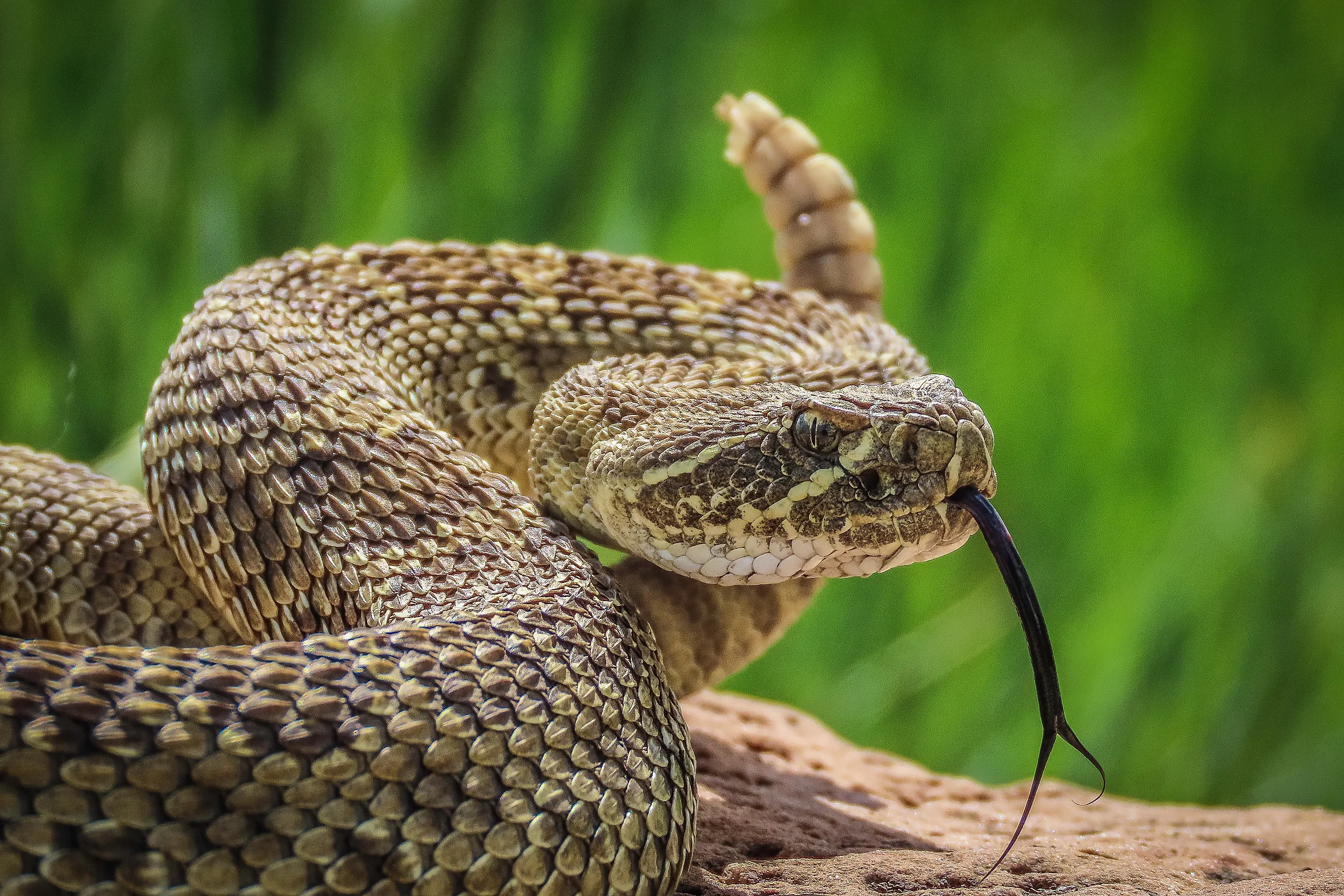
There is only one rattlesnake native to South Dakota: the prairie rattlesnake. Also known as the Great Plains rattlesnake, it has the largest range of any rattlesnake in North America, stretching from Canada to Mexico.
In South Dakota, the prairie rattlesnake’s range crosses through the western parts of the state and lands around the Missouri River. The prairies, badlands, rocky outcrops, and river watersheds make ideal places for it to thrive, and these snakes are most often found in areas where that terrain provides them with room to hide and hunt.
These snakes are not aggressive toward humans, but they will defend themselves if threatened. That is why the areas below stand out, as they combine the kinds of habitat where prairie rattlesnakes are most likely to live with places where people also hike, camp, and explore.
Custer State Park

Spanning 71,000 acres, Custer State Park is home to granite mountain peaks, lakes, and grasslands. Set in the Black Hills, its most noteworthy trails are up mountains such as Black Elk Peak, but its Wildlife Loop Road runs for 18 miles through open grasslands home to prairie dogs, bison, and other animals. These grasslands are a prairie rattlesnake's preferred habitat, as they can slither through undetected and feed on prairie dogs, taking over their colonies.
Prairie rattlesnakes can be found in other places in Custer State Park as well, including in lower-elevation campgrounds. There have been multiple reports of rattlesnakes wandering onto campgrounds. This can be especially dangerous for guests who wander outside without proper footwear. That's why it's critical to always wear good shoes or boots while in these parks to avoid a nasty bite if you accidentally step on one of these reptiles.
Badlands National Park

These badlands contain one of the world's richest fossil beds. The area was once covered by a sea, leaving behind many ancient marine creatures, such as the massive Mosasaurus. Mammal fossils are also common here, such as the Nimravid cat and the Brontothere, which likely grew to 8 to 16 feet tall and closely resembled modern rhinos. The badlands still provide rich habitat for wildlife, including prairie rattlesnakes, which are most often found in the prairies below the Badlands National Park's iconic sedimentary rock formations.
The prairie rattlesnake feasts on a wide variety of prey in the park, from prairie dogs to burrowing owls and ferrets. It uses its heat-seeking pits to track its prey, while its tongue picks up particles in the air to "smell." However, these snakes are not the only predators here. Red-tailed hawks and Golden Eagles are known to attack and eat these rattlesnakes, along with badgers.
Prairie rattlesnakes are most active from the spring to fall, but they can also come out in slightly cooler weather to bask in sunlight.
Lake Francis Case

Lake Francis Case was formed by the Fort Randall Dam on the Missouri River in the 1950s. It covers 102,000 acres with a maximum depth of 140 feet. Unfortunately, its creation flooded a Native American settlement and forced the community out. The lake is surrounded by prairies, from which hikers have seen prairie rattlesnakes. The lake is also home to a population of prairie dogs, which are prime prey for prairie rattlesnakes.
However, some prairie rattlesnakes can get closer to the shoreline, as Snake Creek Recreation Area is one of the better-known hotspots. They have been spotted hiding in the rocks and bushes by the lake. One trail known as a rattlesnake hotspot is the Shannon Trail, which connects the north and south campgrounds and overlooks Lake Francis Case.
George S. Mickelson Trail

The George S. Mickelson Trail is a 109-mile-long trail along an abandoned rail line across western South Dakota in the Black Hills. It connects to multiple forests, state parks, and privately maintained trails, including areas near Custer State Park. Toward the lower-elevation southern end of the trail, rattlesnakes have been regularly sighted by hikers and South Dakota park authorities.
The southern end of the trail passes through several habitats that support the prairie rattlesnake, such as the lower-elevation Sheep Canyon, where the rattlesnakes can hide among rocks, and the grassy prairies near Custer, South Dakota. Hikers in South Dakota sometimes find these snakes in prairie dog holes, as prairie rattlesnakes occasionally stick their heads out of them.
Wind Cave National Park

Wind Cave National Park comprises two distinct ecosystems: a vast cave and an above-ground prairie. The cave was of great importance to the Lakota people because it is central to their emergence story. What makes this park a good environment for rattlesnakes is its mixture of prairies and ponderosa forests. Prairie dogs in particular dig holes known as underground colonies or 'towns,' which prairie rattlesnakes often use as ambush sites to hunt prey.

The rattlesnakes can also take refuge in rocky outcrops, both to protect themselves from the elements and to ambush prey. During cooler parts of the year, snakes are more likely to bask in the sun, increasing the chance of human encounters. The Wind Cave National Park is also close to several other rattlesnake hotspots on this list, including Custer State Park.
Missouri River

The Missouri River is the longest river in the United States, flowing for 2,341 miles from the Rocky Mountains of Montana down into the Mississippi River in Missouri. It flows through western and central South Dakota as well, providing water for a large semi-arid watershed. In South Dakota, the drier climate and the rocky bluffs, shorelines, and nearby prairie habitat along the river make this corridor one of the main areas where prairie rattlesnakes are found.
Prairie rattlesnakes are most strongly associated with western South Dakota and the lands around the Missouri River. They are more often found in rocky or grassy areas near the river than in the water itself, though they have been observed swimming and may occasionally enter the water. As a result, people fishing or hiking through the Missouri River valley should stay alert for this snake.
Black Hills National Forest

The Black Hills National Forest is a massive area, covering 1.2 million acres of forests and mountains, or 110 miles long by 70 miles wide. It has been called an Island in the Plains, as it rises above the mostly flat landscape of the Great Plains.
The forest contains 1,300 miles of streams, 11 reservoirs, 353 miles of trails, and 30 campgrounds. While exploring this forest, hikers and campers may encounter rattlesnakes, especially in lower-elevation areas or in rocky areas. In hot summer weather, rattlesnakes often retreat from the heat, but during the cooler spring and fall months, they are more likely to bask in the open.
In some cases, hikers may not hear a warning rattle right away, which is one reason caution matters in rocky or brushy areas. These tails don't provide the support needed for their rattles to make a sound. Wildlife experts believe this is an evolutionary change, since rattlesnakes that make a loud rattle are more likely to be killed by frightened hikers or campers.
Humans are rattlesnakes' biggest predators
Prairie rattlesnakes face many threats, and encounters with humans are one of them. Rattlesnakes usually try to avoid people when they can, or warn them when someone gets too close. These incidents are often avoidable if you take proper precautions, such as wearing sturdy shoes, staying on trails, and being aware of what lies ahead. These snakes may be intimidating, but they are far more threatened by humans than we are by them.