How Corruption Destroyed The Roman Empire
In 193 CE, the Roman Empire was sold to the highest bidder. After murdering the emperor, the soldiers meant to protect him auctioned off the throne to a wealthy senator who simply outbid everyone else. It was one of the most brazen acts of corruption in Roman history, but it was far from an isolated one.
With a state as complicated as the Roman Empire, its collapse can't be pinned on a single cause. Political instability, a dysfunctional tax system, and a weakening military all played a part. But corruption underpinned and worsened every one of these problems, corroding trust in nearly all of Rome's major institutions. To understand how the Roman Empire fell, you first have to understand the rot working away at its core.
Political Corruption

The Roman Empire’s political system invited corruption. A major reason for this was the lack of a formalized succession system for the emperorship. Emperors weren’t chosen on a hereditary basis, nor were they elected. On top of encouraging conflict, since competing claimants often went to war with each other, the informal succession system led to bribery. Future emperors were expected to pay the Praetorian Guard, the elite military unit meant to protect the emperor, a massive cash bonus called a donativum to secure their loyalty. The most brazen example of bribery occurred in 193 CE. After they assassinated the reform-minded Emperor Pertinax, the Guard auctioned off the emperorship to the wealthy senator Didius Julianus for 25,000 sesterces. Such open corruption diminished the emperor’s authority and lessened the entire government’s legitimacy.
Tax Corruption

The tax system in the late Roman Empire was a mess. As its rivals made incursions into provinces like Gaul, Spain, and North Africa, Rome lost the ability to meaningfully tax these regions. This was problematic, since substantial tax revenues were needed to fund defences of the provinces in the first place. In turn, the government taxed the people still under its control even more. Unable to deal with the increased financial strain, many fled, putting even more of a tax burden on those that remained.

This vicious cycle was exacerbated by corruption. The elites of Roman society, like senators and the church, used bribes, political influence, and legal loopholes to avoid paying taxes. Underpaid tax collectors and bureaucrats were also frequently bribed by wealthy landowners to undervalue their assets. They did so through tactics like hiding key assets or describing fertile land as barren. This corruption eroded the middle class and further financially crippled those who were already barely making ends meet.
Corruption In The Army

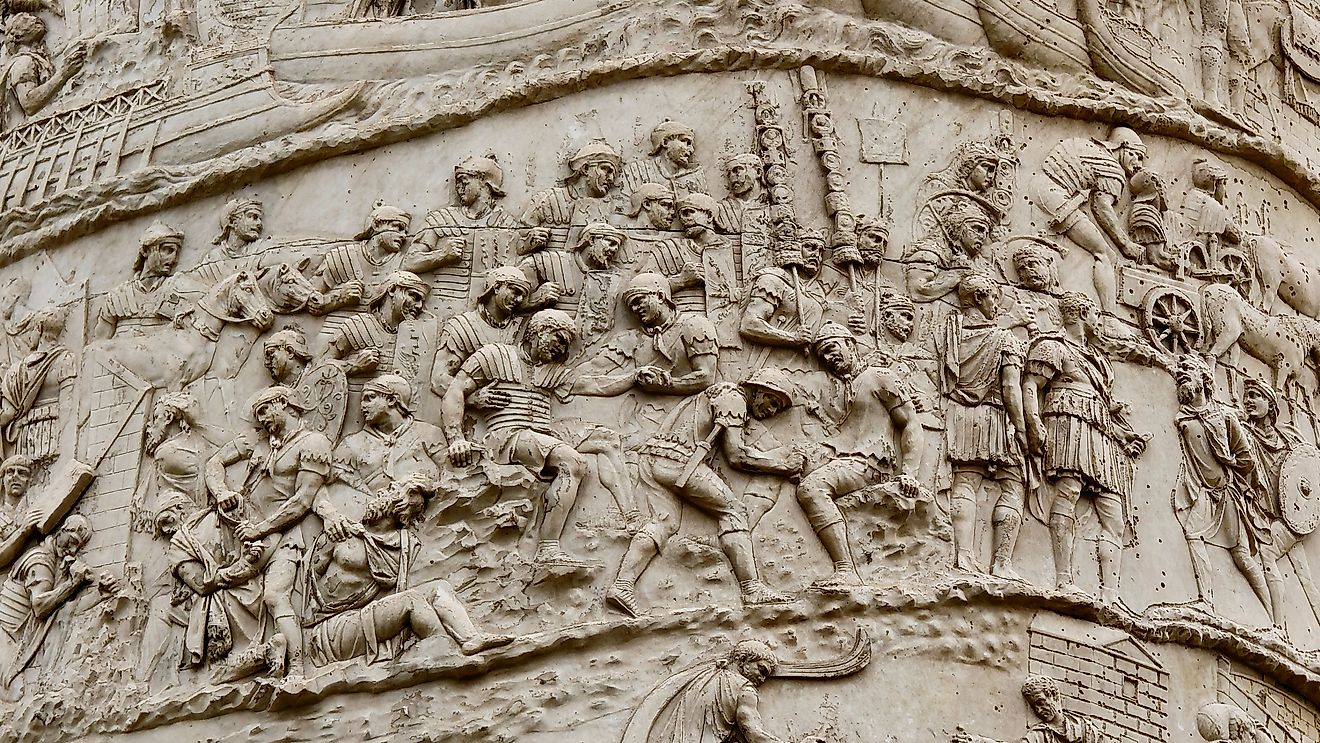
Corruption impacted the Roman army. As previously noted, the Praetorian Guard often sold political power to the highest bidder. Bribery extended to lower-ranking soldiers too, with emperors eventually relying on monetary payments to ensure their support. This was problematic for two main reasons. First, it strained an already depleted state treasury. Second, it encouraged people to become soldiers for financial reasons, rather than out of a sense of duty and loyalty to the state.
As belief in the government plummeted, fewer and fewer people wanted to serve in the army. Wealthy individuals therefore often bribed officials to exempt them from service. Since money and influence were now core parts of the military, promotions also frequently occurred based on familial connections, one’s relationship with the emperor, or promises of payment, rather than merit. As a result, military leaders became incompetent, leading to strategic errors, lower morale, and more defeats.
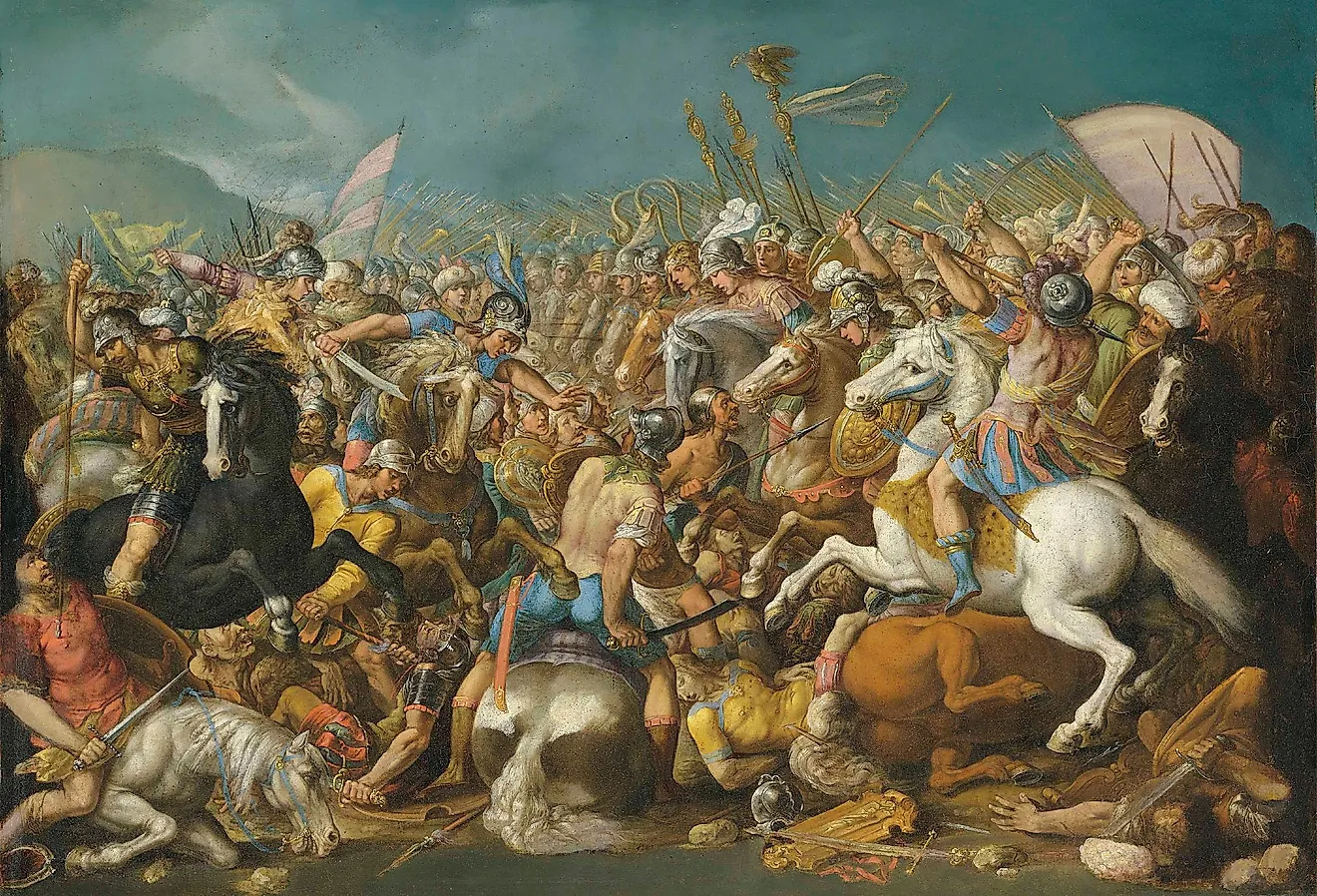
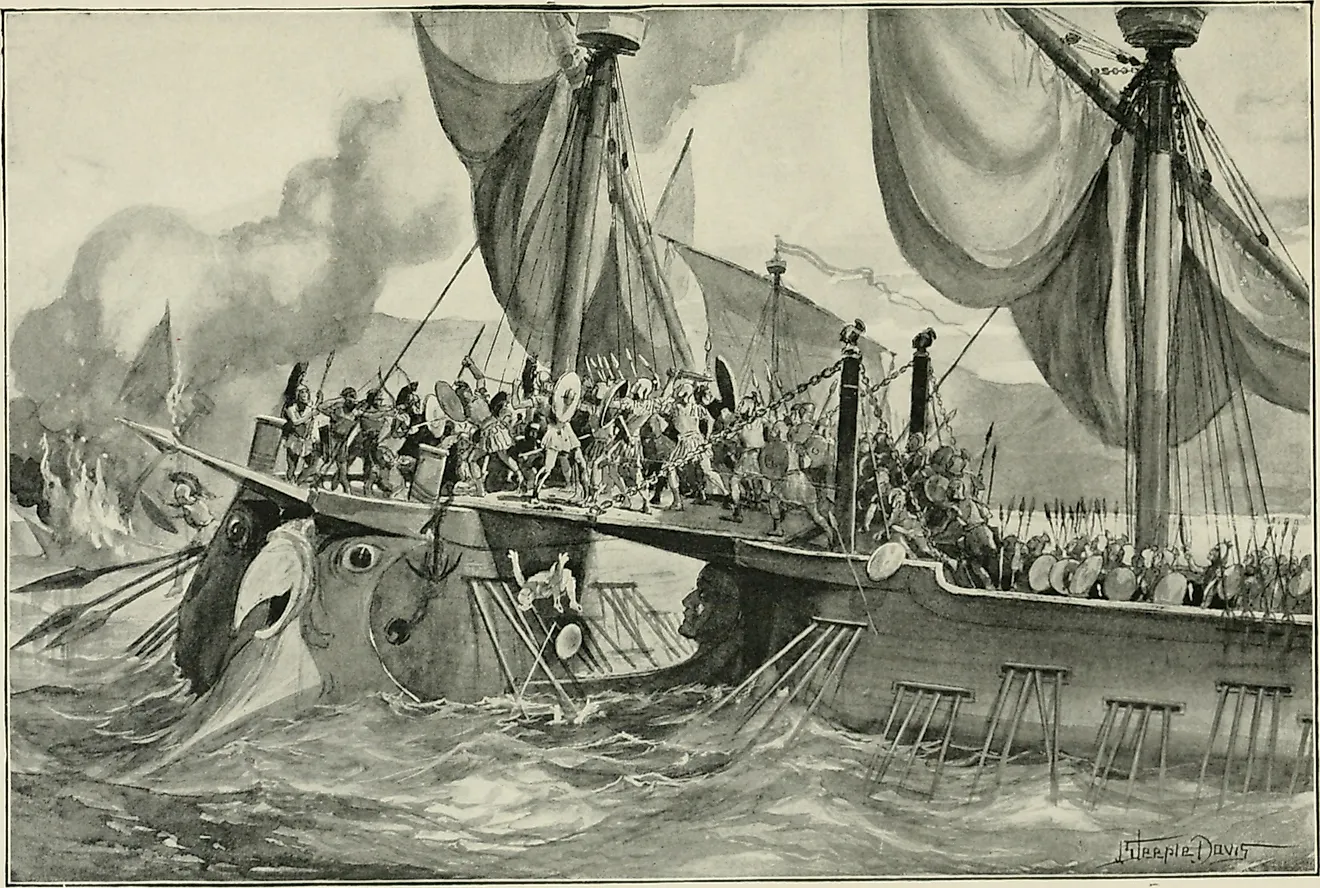
Emperor Anthemius’s expedition to Africa in 468 CE was a clear example of a strategic error caused by an absence of competent military leadership. In a last-ditch effort to re-establish Roman dominance in the Mediterranean, Anthemius sent a massive armada of over 600 ships to North Africa. The goal was to defeat the Vandals and regain strategically important territory. Despite being poorly planned, the emperor had almost no qualified advisors to advise against the expedition. The armada was thus quickly decimated and forced to retreat to Sicily.
The Barbarian Threat

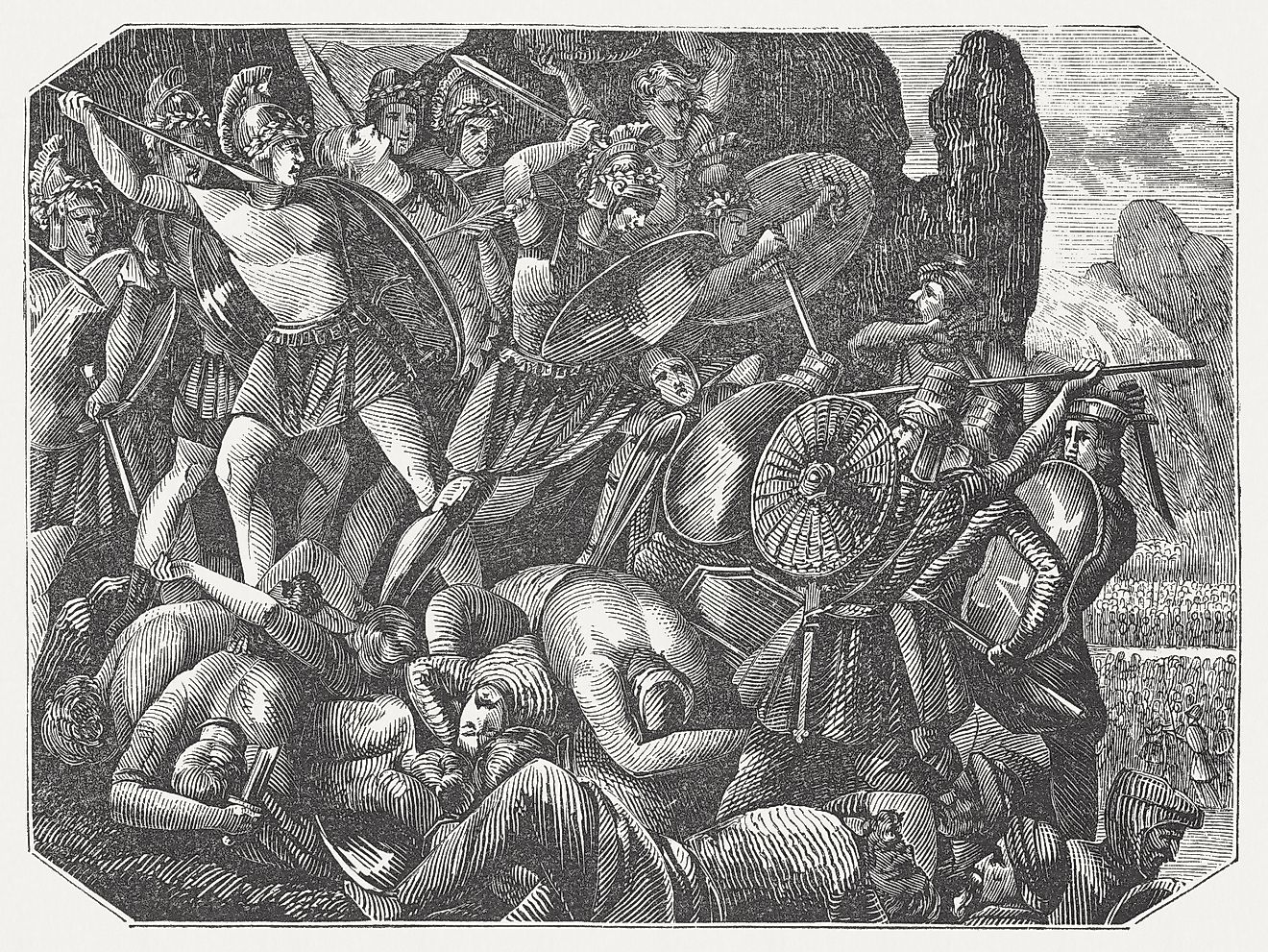
To Romans, a barbarian was anyone outside their cultural, linguistic, and political sphere. They existed for as long as Rome did and didn’t pose an existential threat for centuries. This changed over time. When barbarians invaded in the 3rd, 4th, and 5th centuries, the corruption-laden army was ineffective in repelling them, forcing the government to rely on non-invading barbarian mercenaries. While sometimes effective in the short term, these mercenaries had their own political ambitions and gradually established influence across Roman provinces.
Perhaps the most damning example of how corruption and barbarian relations interacted occurred when the Visigoths (or Goths) settled in Rome in 376 CE. A Germanic group, they were fleeing the Huns, who themselves were migrating from Central Asia. Despite initially seeming welcoming, local Roman officials extorted the Goths, diverted their food supplies, and withheld medical aid. Desperate to survive, the Goths revolted, setting off a chain reaction that ended in the death of Emperor Valens in 378 CE and the city of Rome being sacked in 410 CE.
Impact And Legacy
While corruption alone didn’t destroy the Roman Empire, it exacerbated problems and made others more difficult to address. The political system invited corruption due to the lack of a formal succession process. High taxes were made even higher by elites who utilised loopholes and bribery to avoid paying. Bribery and personal politics also played a role in the military, degrading its efficacy. All these problems then made the Roman government increasingly unable to deal with barbarians, both when they invaded and when they settled in the empire.