The State Parks On The Fall Waterfowl Flyway
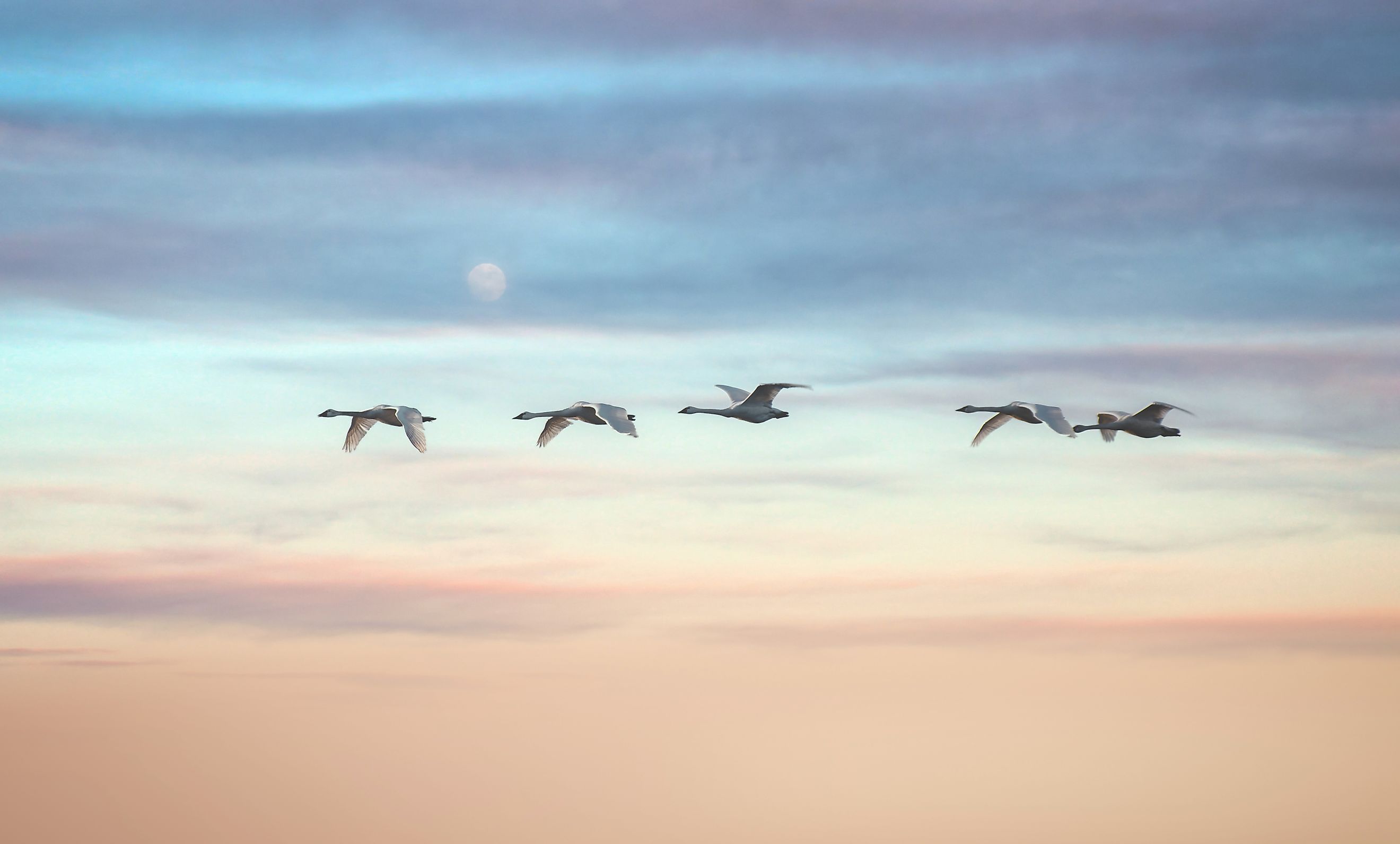
Across North America, millions of ducks, geese, and swans travel along four major migration corridors: the Atlantic, Mississippi, Central, and Pacific flyways. These broad routes connect northern breeding grounds with warmer wintering areas, and state parks situated near lakes, rivers, marshes, and estuaries provide accessible places to witness the migration. The eight parks below span all four flyways, with opportunities to observe waterfowl on short hikes, from observation platforms, and occasionally from the water itself.
Presque Isle State Park, Erie, Pennsylvania

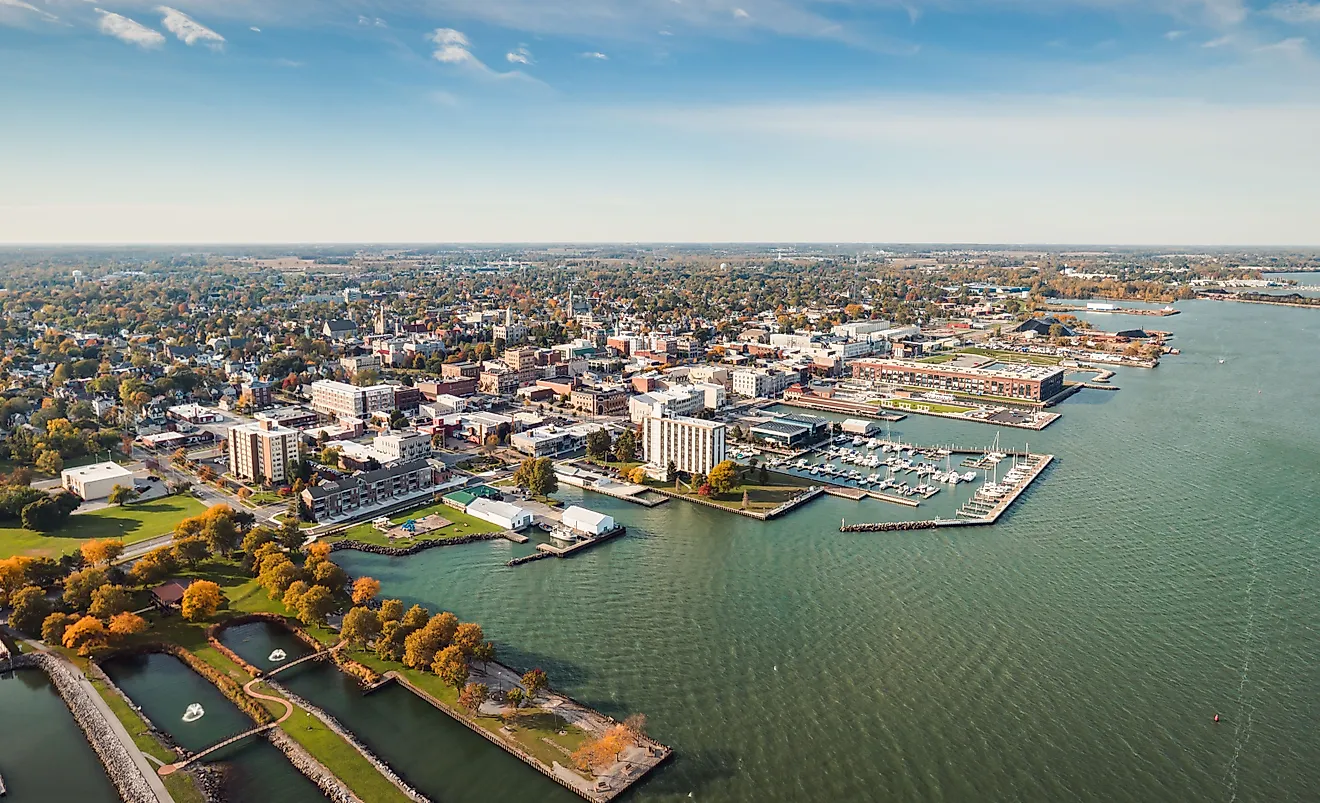
More than 339 bird species have been recorded at Presque Isle State Park, a sandy peninsula extending into Lake Erie. Its sheltered bays, lagoons, and marshes provide resting and feeding habitat for migratory birds traveling along the Atlantic Flyway. According to Pennsylvania's Department of Conservation and Natural Resources, waterfowl migration is especially noticeable in late November and December, when ducks, geese, and other northern visitors gather on the open water before winter ice develops.
The 1.5-mile Gull Point Trail leads toward an observation platform overlooking a protected area used by migrating birds. The easternmost natural area is closed to public access from April 1 through November 30, although visitors can use the designated trail subject to posted restrictions. Those seeking an easier outing can explore the half-mile Duck Pond Trail or scan the park's sheltered lagoons for waterfowl. Gull Point's sandy, frequently wet terrain can make hiking difficult, so checking trail conditions before visiting is advisable.
Anastasia State Park, St. Augustine, Florida

Anastasia State Park occupies more than 1,600 acres of barrier-island habitat along Florida's Atlantic coast. Its beaches, tidal marshes, coastal scrub, and maritime hammocks provide feeding and resting areas for birds migrating along the Atlantic Flyway. Although the park is particularly well known for shorebirds and wading birds, its recorded species also include waterfowl such as blue-winged teal, lesser scaup, and buffleheads. These ducks may be encountered during the cooler months, particularly around sheltered waters.
Salt Run, the tidal estuary bordering the park, is a good place to begin looking. The one-mile Marsh Trail follows the edge of the maritime hammock and provides views of the surrounding marsh, while canoeing or kayaking along Salt Run allows visitors to observe birds from the water. The nearby Ancient Dunes Nature Trail winds through shaded maritime forest, offering additional birdwatching opportunities. November through winter is a useful period for looking for migratory ducks, although herons, egrets, and other coastal birds are generally more conspicuous.
Frontenac State Park, Frontenac, Minnesota

Frontenac State Park overlooks Lake Pepin, a broad natural lake formed by the Mississippi River along the Minnesota-Wisconsin border. Its position beside one of the continent's principal migration corridors makes it an excellent destination for autumn birdwatching. The Minnesota Department of Natural Resources has documented 273 bird species in the park, including numerous ducks, geese, and swans. During fall migration, visitors may encounter mallards, gadwalls, diving ducks, and tundra swans moving along the river.
The 1.6-mile Sand Point Trail passes through mature floodplain forest before reaching the shoreline of Lake Pepin, where visitors can scan the water for migrating birds. Another useful location is the wildlife observation blind overlooking Pleasant Valley Lakelet. For those interested in a longer outing, the park's blufftop trails provide views of the Mississippi River valley, while the campground makes an overnight visit possible. October and early November are particularly rewarding periods, although the timing of waterfowl movements depends heavily on northern temperatures and the arrival of cold weather.
Millwood State Park, Ashdown, Arkansas

Millwood Lake has earned recognition as an Important Bird Area because of the diversity of birds using its wetlands and surrounding forests. The reservoir's shallow waters, wooded shorelines, and backwater habitats attract migrating ducks and numerous other waterbirds along the Mississippi Flyway. Fall migration is one of the most productive birdwatching periods here, with additional species arriving to supplement the area's resident birds.
Within Millwood State Park, the 1.5-mile Waterfowl Way Trail is particularly well suited to birdwatching. The self-guided trail winds through a wildlife sanctuary, passing wetlands, lowland forest, and small natural clearings. Photography blinds positioned along the route allow visitors to watch birds with less disturbance. Another option is Wildlife Lane, a four-mile trail that follows lowland habitats and portions of the lakeshore. November and the early winter months are especially promising for waterfowl, while bald eagles are regularly observed around the lake during winter. Visitors can also explore Millwood Lake by canoe or kayak, although weather and water conditions should be checked before heading out.
Lake Livingston State Park, Livingston, Texas

Lake Livingston covers approximately 83,000 acres along the Trinity River in eastern Texas, making it one of the state's largest reservoirs. The lake lies along the Central Flyway near the western edge of the Mississippi Flyway, placing it within the migratory routes of numerous waterfowl species. Ducks and other waterbirds stop here during spring and fall migration, while some remain through winter. Its broad open water, sheltered shoreline, and surrounding forest provide several different habitats for observing birds.
Lake Livingston State Park occupies 635 acres along the reservoir's southeastern shore. The 0.9-mile Pineywoods Boardwalk Trail passes through woodland and wetland habitats, while a designated wildlife-viewing area includes a bird blind overlooking areas frequented by waterfowl and other wildlife. Visitors can also explore approximately 2.5 miles of park shoreline or take a kayak onto the lake when conditions permit. November through winter is a useful viewing period, with early morning and late afternoon offering opportunities to observe birds moving between feeding and resting areas.
Caddo Lake State Park, Karnack, Texas

Bald cypress trees draped in Spanish moss rise above the dark waters of Big Cypress Bayou, creating one of the most distinctive waterfowl habitats in Texas. Caddo Lake State Park sits about four miles upstream from Caddo Lake, within a watershed containing nearly 27,000 acres of bayous, wetlands, and cypress swamp. The area lies along the Central Flyway and supports numerous resident and migratory birds, particularly those associated with wooded wetlands.
Wood ducks are among the area's characteristic waterfowl, using tree cavities for nesting and sheltered waterways for feeding. Mallards, gadwalls, and other migrating ducks also appear during the fall and winter months. Visitors can explore Saw Mill Pond or paddle along Big Cypress Bayou to look for birds among the cypress trees, while nearly three miles of hiking trails provide access to the surrounding forests. November through January is a promising period for waterfowl viewing, although wood ducks can be observed throughout the year. Visitors exploring the waterways should also remain alert for American alligators, which inhabit the park's wetlands.
Dos Rios State Park, Modesto, California

At the meeting point of the Tuolumne and San Joaquin rivers, approximately 1,600 acres of former agricultural land have been transformed into restored floodplain habitat. Dos Rios State Park is among California's newest additions to its state park system, and its seasonal wetlands and recovering riverside forests provide important habitat for migratory birds traveling along the Pacific Flyway. The restoration has created feeding and resting opportunities for waterfowl, including Aleutian cackling geese, which visit the Central Valley during the cooler months.
Visitors can explore the restored landscape along the 3.8-mile Confluence Trail or the shorter 1.85-mile Pond Loop Trail. Both routes provide opportunities to watch birds around the park's wetland and floodplain habitats. Sandhill cranes and American white pelicans are among the other migratory birds associated with the area, adding to the variety of wildlife visible during winter. As of fall 2026, the park is generally open Friday through Sunday, and erosion has affected a portion of the Confluence route. Visitors should verify current access and trail conditions before making the trip.
Humboldt Lagoons State Park, Trinidad, California

Along Northern California's Pacific coast, Humboldt Lagoons State Park protects a remarkable landscape of coastal lagoons, freshwater wetlands, forested hills, and ocean beaches. Its major water bodies include Big Lagoon, Stone Lagoon, and Freshwater Lagoon, while nearby Dry Lagoon has become a marsh. These habitats provide important resting and feeding areas for birds using the Pacific Flyway, with thousands of birds living in or migrating through the Big Lagoon area.
During fall and winter, visitors can look for ducks on the protected lagoons and surf scoters on the ocean waters offshore. Stone Lagoon is particularly accessible, with a visitor center and shoreline viewing opportunities, while Dry Lagoon's marsh attracts migrating birds. Visitors can also explore portions of the California Coastal Trail or paddle the lagoons when conditions are suitable. The ocean-facing beaches, however, are dangerous for kayaking because of strong currents and heavy surf. For those who prefer to watch from land, the sheltered lagoon margins offer opportunities to observe migrating birds against a backdrop of coastal forest and dunes.
When To Watch The Migration
The best time to see migrating waterfowl depends on location, species, and weather conditions. Across the northern states, migration is often most noticeable during October and November, although some diving ducks and other late migrants arrive closer to winter. Farther south, waterfowl may continue arriving through December, with many remaining on lakes, rivers, and wetlands until spring. California's Pacific Flyway habitats also support substantial numbers of wintering birds. Cold fronts can produce sudden movements as northern lakes freeze and birds search for open water farther south. For the best viewing opportunities, arrive early in the morning or remain until late afternoon, when waterfowl often move between feeding and resting areas. Binoculars or a spotting scope make it possible to observe birds without approaching closely enough to disturb them.