The National Forests With The Most Alligators
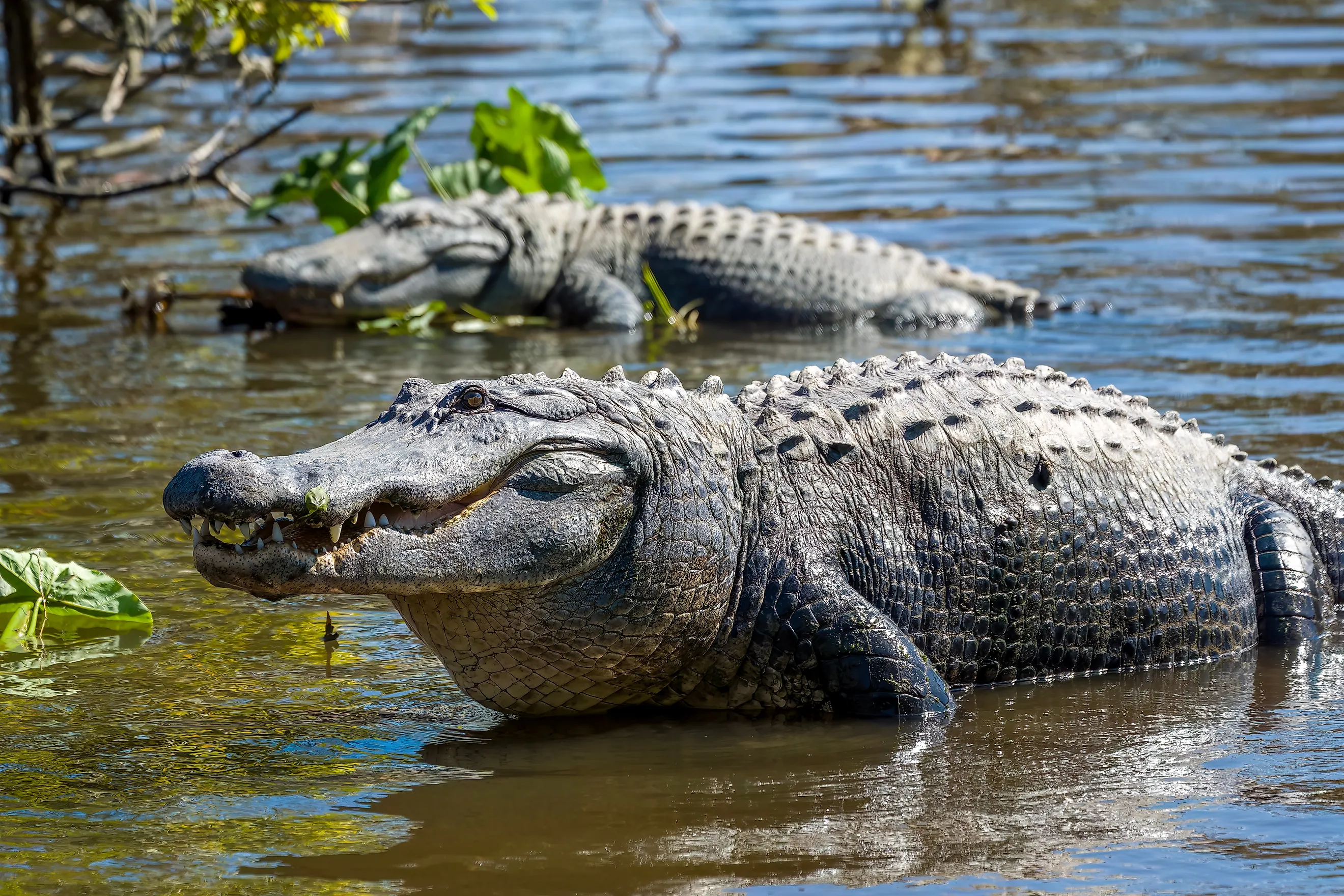
On the clear spring runs of Florida's Ocala National Forest, the Forest Service sometimes has to close the water because of a single alligator. In recent years, it has shut parts of the Juniper Springs Waterway for a male estimated at 13 to 14 feet long, closed the Salt Springs marina for a nuisance gator, and cleared swimmers out of Alexander Springs after a snorkeler was bitten. American alligators live across the coastal Southeast, and most of them live outside national forests, in places such as the Everglades and the marshes of Louisiana. No agency counts how many live in each national forest. But in a handful of southern forests, alligators are so common that they shape where people swim, paddle, and hike.
Ocala National Forest, Florida

Ocala National Forest was established in 1908, the first national forest east of the Mississippi River, and its crystal-clear springs, lakes, and slow rivers are prime alligator habitat. Alligators live in and around the forest's best-known swimming holes, including Juniper Springs, Alexander Springs, Salt Springs, and Silver Glen Springs, along with the long spring runs where paddlers float through palms and cypress.
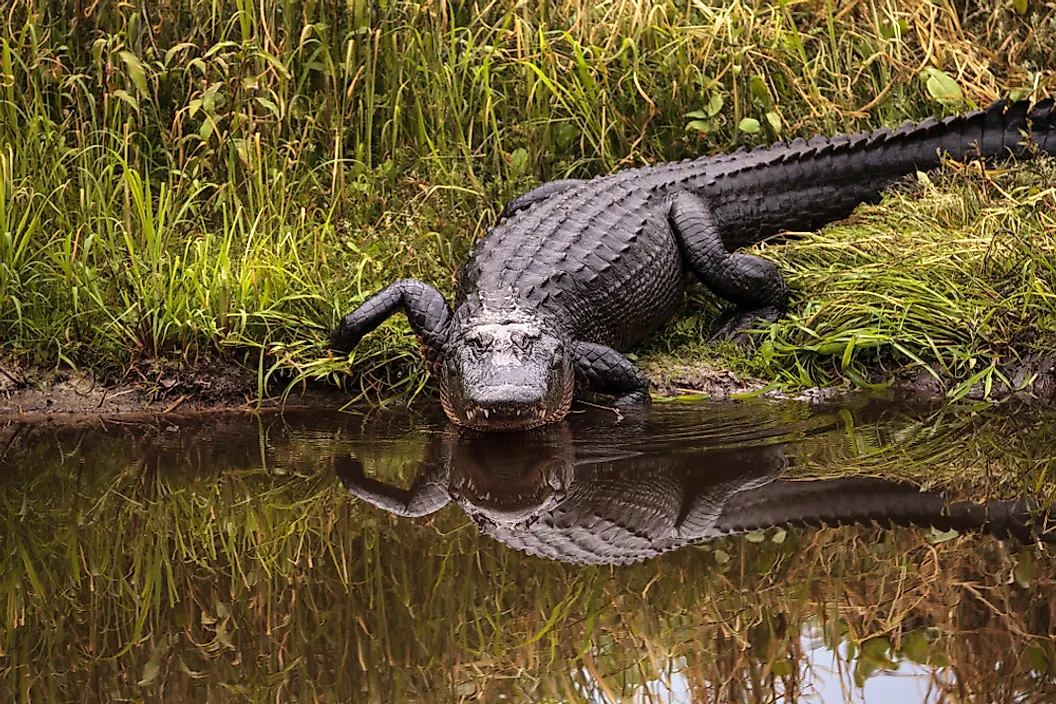
At Fern Hammock Springs, inside the Juniper Springs Recreation Area, swimming is not allowed because alligators and snakes live in the spring. When a gator grows bold or aggressive around people, the Forest Service closes the area and works with state wildlife officials to remove it, a sign of how often people and alligators share this forest.
Francis Marion National Forest, South Carolina

North of Charleston, the Francis Marion National Forest spreads across a patchwork of longleaf pine, black-water creeks, pocosin wetlands, and cypress-gum swamps along the South Carolina coast. That watery mix gives alligators plenty of places to hunt, bask, and build their mound-shaped nests of mud and vegetation.

They are a familiar sight here, enough that managers have shaped trail planning and signs around areas where alligators regularly bask and nest. Paddlers on the forest's creeks and the nearby Santee River often see them sunning on banks and fallen logs in warm weather.
Croatan National Forest, North Carolina

The Croatan National Forest, on the North Carolina coast near New Bern, sits close to the northern edge of the American alligator's range. Its pine forests, pocosins, rivers, and ponds still hold a healthy population, and large gators turn up regularly in the forest's ponds and along its waterways.

According to North Carolina's wildlife agency, male alligators in the state can grow to about 13 feet and 500 pounds. Cooler winters this far north slow their growth and keep them less active for much of the year, so the warmest months are the best time to spot one basking along the shore.
Sharing The Water
Alligators are a natural part of these southern forests, and they help keep wetlands healthy by digging holes that hold water during droughts and by controlling fish and other prey. In national forests, though, they share the water with swimmers, paddlers, and anglers, which is why forest managers watch them closely. Wildlife officials advise keeping a safe distance, never feeding an alligator, keeping pets away from the water's edge, and swimming only in designated areas during daylight hours. Following those rules lets both people and alligators keep using the same springs, swamps, and rivers.