The Lakes Where Striped Bass Grow Largest
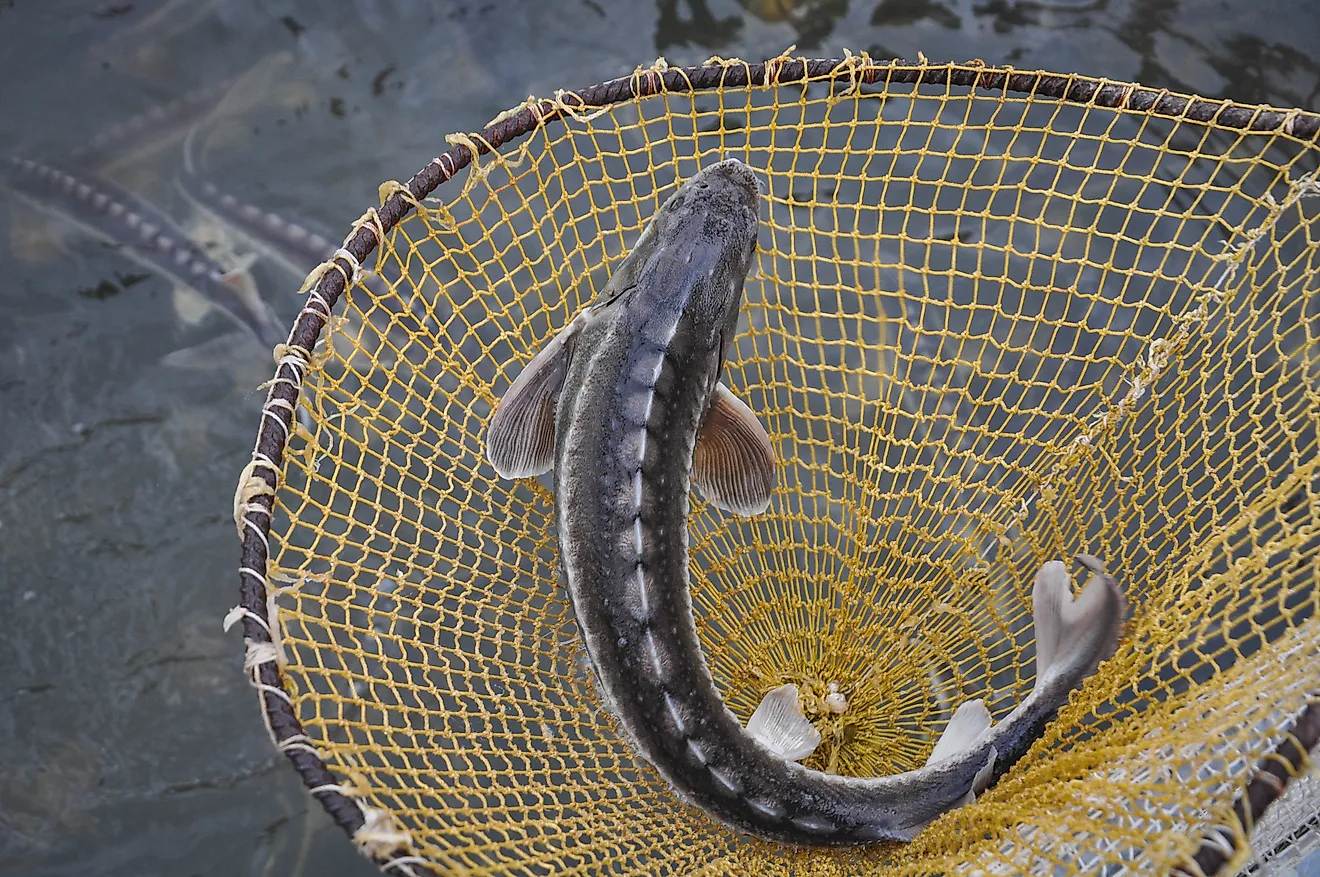
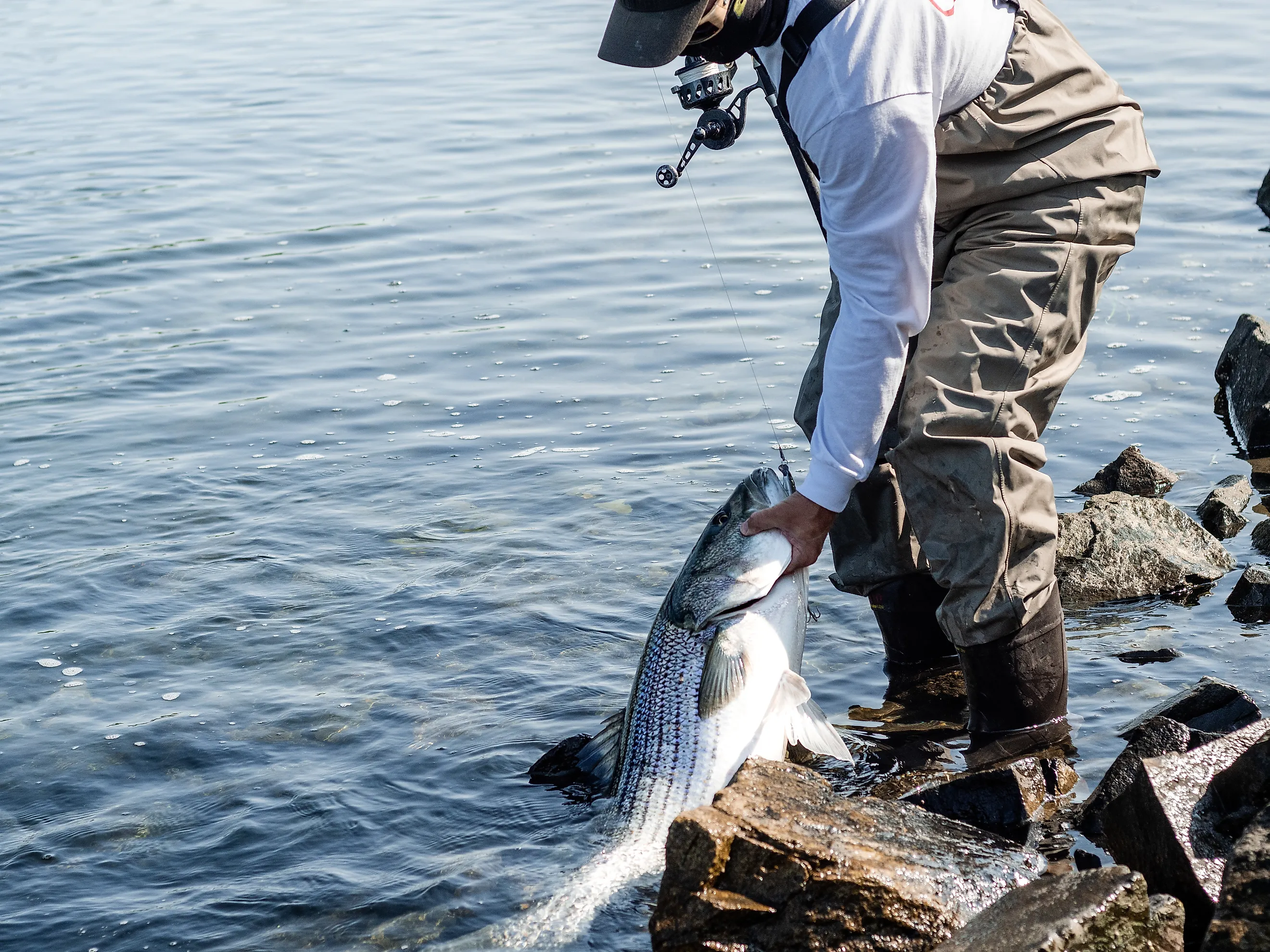
The striped bass was never meant to inhabit lakes. As a saltwater species that migrates up rivers to spawn, it grows into massive sizes in the ocean, with the world record exceeding 81 pounds. In 1941, some stripers accidentally became trapped behind a dam in South Carolina, refused to die, and unexpectedly sparked one of America's greatest fishing surprises. Today, landlocked stripers swim in reservoirs across California to Virginia, with some lakes producing truly enormous fish. These lakes are where striped bass reach their largest, ranked by their record-breaking giants.
O'Neill Forebay, California

If you're seeking the largest freshwater striper ever caught in a lake-like setting, this small California holding pond is the place. In May 1992, Hank Ferguson caught a 67-pound, 8-ounce fish in O'Neill Forebay, a shallow reservoir connected to San Luis Reservoir within the state's aqueduct system. It held the freshwater world record for over 20 years. The key is surprisingly simple: the aqueduct regularly pumps large amounts of threadfin shad into the water, creating an almost endless buffet for the stripers. A fish of this size from such a small reservoir remains one of the most impressive records in American fishing.
Santee Cooper Lakes, South Carolina

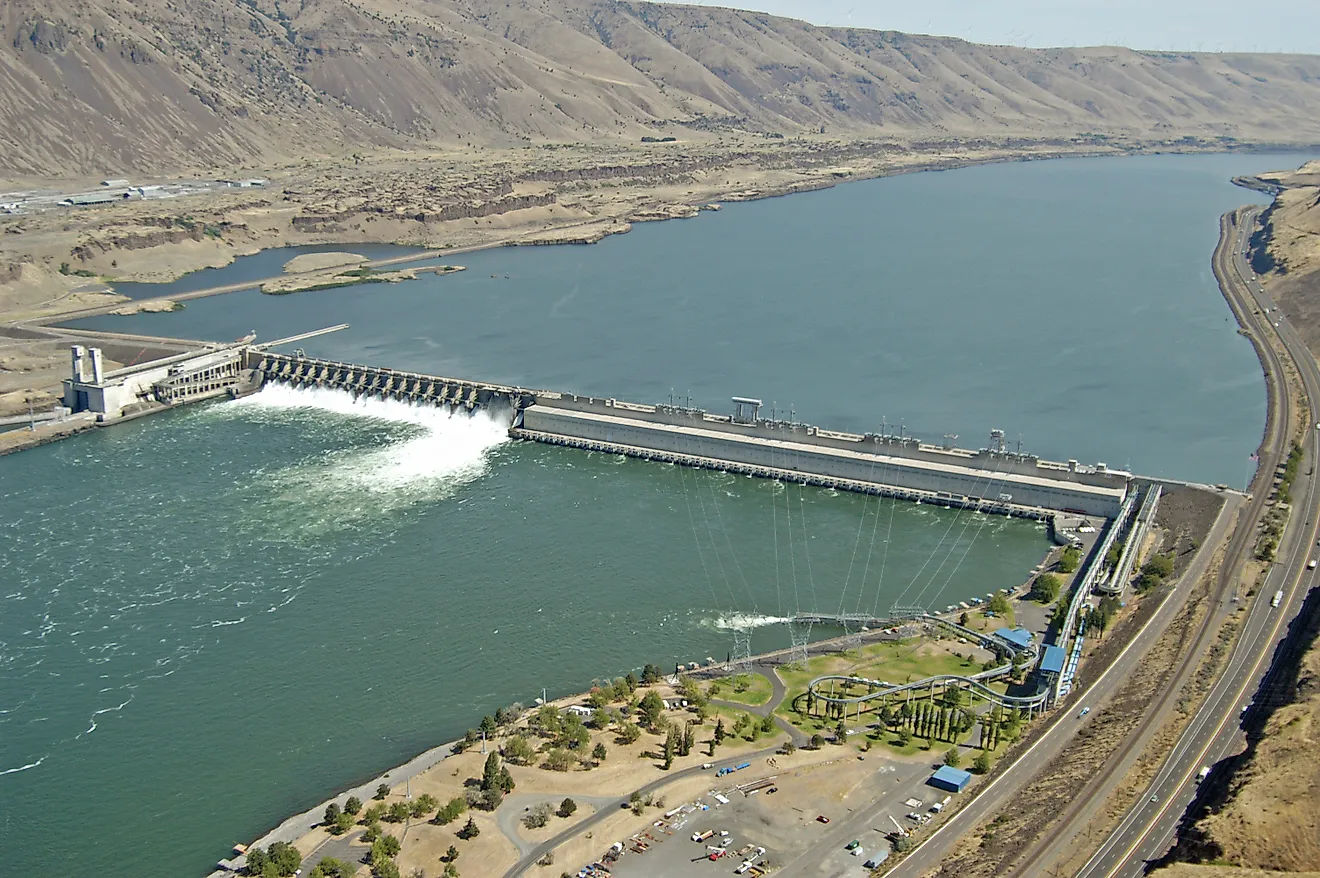
This is the origin of the entire phenomenon. When the Santee Cooper hydroelectric dam was built in 1941, it blocked the Cooper and Santee rivers, creating the lakes Marion and Moultrie. Surprisingly, the spawning stripers that were trapped in these lakes did not perish; instead, they prospered. Biologists then discovered that striped bass could complete their entire life cycle in freshwater, provided there was enough cool water, oxygen, and shad for food. All landlocked striped bass fisheries in the United States can trace their roots back to this accidental finding in South Carolina's lowcountry. The Santee Cooper lakes continue to produce large stripers, and they will always be recognized as the fishery that demonstrated the possibility of freshwater striped bass populations.
Beaver Lake, Arkansas

Beaver Lake in northwest Arkansas is deep, cold, and crystal-clear, offering excellent striper fishing with surprisingly large fish, and there's a good reason for this. The Arkansas state record, a 64-pound, 8-ounce striper caught in 2000, actually originated from the White River just below Beaver Dam. This fish had spilled over the spillway and spent its days feeding on the river's stocked rainbow trout. Striped bass that consume trout rather than shad tend to grow exceptionally large, and Beaver Lake and its tailwater are known for producing robust, heavy fish. Locals often say that catching a 30-pounder here is nothing remarkable.
Lake Cumberland, Kentucky

Few locations surpass Lake Cumberland in quality striper fishing, a vast, deep reservoir in south-central Kentucky. Its 1985 state record of a 58-pound, 4-ounce striper remains one of the largest inland catches ever certified. Today, the lake’s condition is arguably better than ever, with recent surveys showing the highest numbers of large stripers recorded. This success is due to careful management and a deep, cool, shad-rich environment that promotes longevity and growth. Guides frequently mention Cumberland as the ultimate spot for pursuing true freshwater monsters.
Hiwassee Reservoir, North Carolina

Located deep in the mountains of far western North Carolina, Hiwassee Reservoir is renowned for producing giant stripers. It notably yielded a 66-pound line-class world-record striper, one of the largest landlocked stripers ever recorded, which is impressive for a relatively remote mountain lake. The reservoir's deep, cool, clear waters create ideal conditions for stripers, while the surrounding Nantahala National Forest keeps the area wild and quiet. Although it doesn't receive as much attention as the well-known southern reservoirs, its impressive catch history places it among the top sites for the biggest stripers in the country.
Lake Texoma, Texas and Oklahoma

Located on the Texas-Oklahoma border, Lake Texoma is known as the mid-country's striper capital, celebrated for both the volume and size of its fish. It is one of the few U.S. reservoirs where striped bass naturally reproduce without restocking, making the lake densely populated with them. The record weighs about 35 pounds—slightly smaller than eastern giants—but 20-pounders are so common that Texoma has a thriving industry of full-time striper guides. If you aim to catch abundant stripers and have a good shot at a trophy, few lakes can compare.
Lake Lanier, Georgia

Located just north of Atlanta, Lake Lanier shows that you don't need to venture far to encounter a giant. This well-known, bustling reservoir ranks among the South's premier trophy striper destinations, frequently yielding fish in the 30- to 40-pound range for skilled anglers. As a deep, pristine lake with abundant blueback herring and shad, Lanier promotes rapid growth and maintains healthy stripers. Its proximity to a major city, combined with the presence of boaters, swimmers, and lakeside communities, only heightens the impressive size of its fish.
The Bottom Line
Landlocked stripers may never reach the size of the 80-pound giants of the open Atlantic, but as these lakes demonstrate, they come surprisingly close. From California's record-breaking aqueducts to South Carolina's birthplace lakes and the trout-rich waters of the Ozarks, the pattern remains consistent: deep, cool water, an endless supply of baitfish, and a fish that continues to grow. Many other waters merit mention too, such as Tennessee's Melton Hill Lake and Virginia's Smith Mountain Lake, but if you're after the largest freshwater striper, these lakes are home to the true monsters.