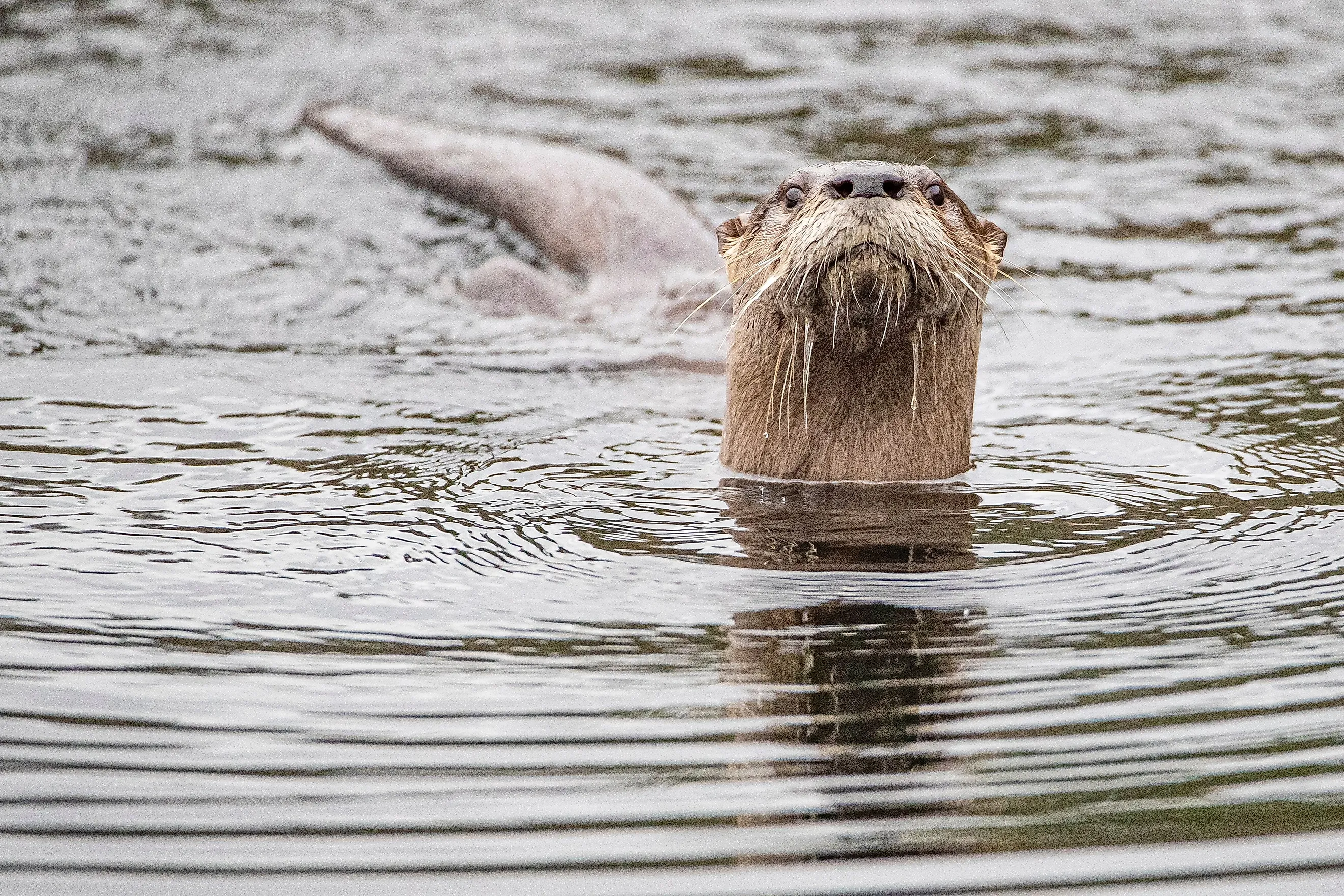
The US Rivers Where River Otters Have Come Back
In 1976, a handful of river otters slipped out of their crates and into the water in Colorado, the first relocated otters released anywhere in the United States. Fifty years later, Colorado Parks and Wildlife is asking the public to help count their descendants, which now swim through rivers across the state's Western Slope. These fish-hunting mammals had vanished from many US rivers because of trapping, pollution, and dams. Colorado's experiment started a national effort, with more than 20 states releasing otters and over 4,000 animals relocated in all. Because otters need clean water and plenty of fish, their return is one of the clearest signs that a river is healing. On each river here, state wildlife agencies or researchers have documented otters reestablishing themselves after a long absence.
Gunnison River, Colorado

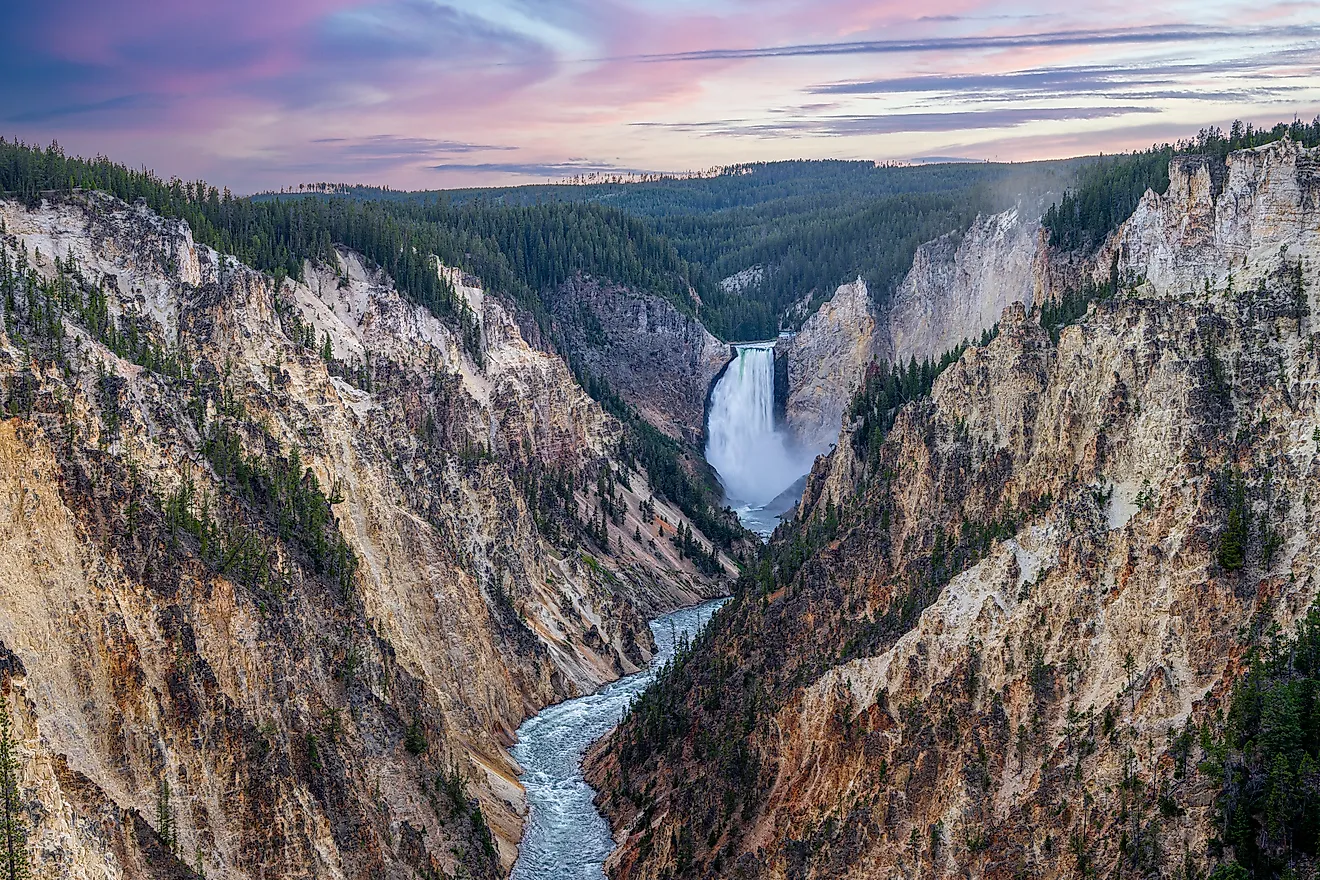
The Gunnison River carves its way through some of the deepest canyon country in the Rockies, including Black Canyon of the Gunnison National Park, and it was one of the five places Colorado chose for its otter releases between 1976 and 1991. Biologists released 22 otters on the Gunnison, and by the early 2000s, state surveys found that otters had built a breeding population there. In the river's cold, fast water, otters feed mostly on fish and crayfish, and they often move into old beaver lodges or burrows dug into the riverbank to raise their young. The canyon's steep, hard-to-reach walls also keep people at a distance, giving the animals long stretches of river with little disturbance.

Today, otters live along the Gunnison, Colorado, Dolores, Yampa, and Green rivers, among others, and the state is weighing whether the species has recovered enough to come off its threatened list. In 2026, Colorado Parks and Wildlife launched a yearlong project inviting anglers, paddlers, and hikers to log otter sightings in an app, a way to map how far the comeback has spread. The best chances to see one come early in the morning or near dusk, when otters are most active, and visitors often find their tracks and droppings on sandbars before they ever spot the animals themselves.
Pine Creek, Pennsylvania

Pennsylvania's otter story began in a canyon. In 1983 and 1984, the Pennsylvania River Otter Reintroduction Project released 22 otters along Pine Creek, the largest tributary of the West Branch of the Susquehanna River, which winds through the steep walls of Pine Creek Gorge, often called the Grand Canyon of Pennsylvania. The gorge's forested slopes and clear, rocky pools made it an ideal test site, with plenty of fish and few roads along the water. A long rail trail now follows the creek through the gorge, giving hikers and cyclists a quiet way to watch the water for otters.
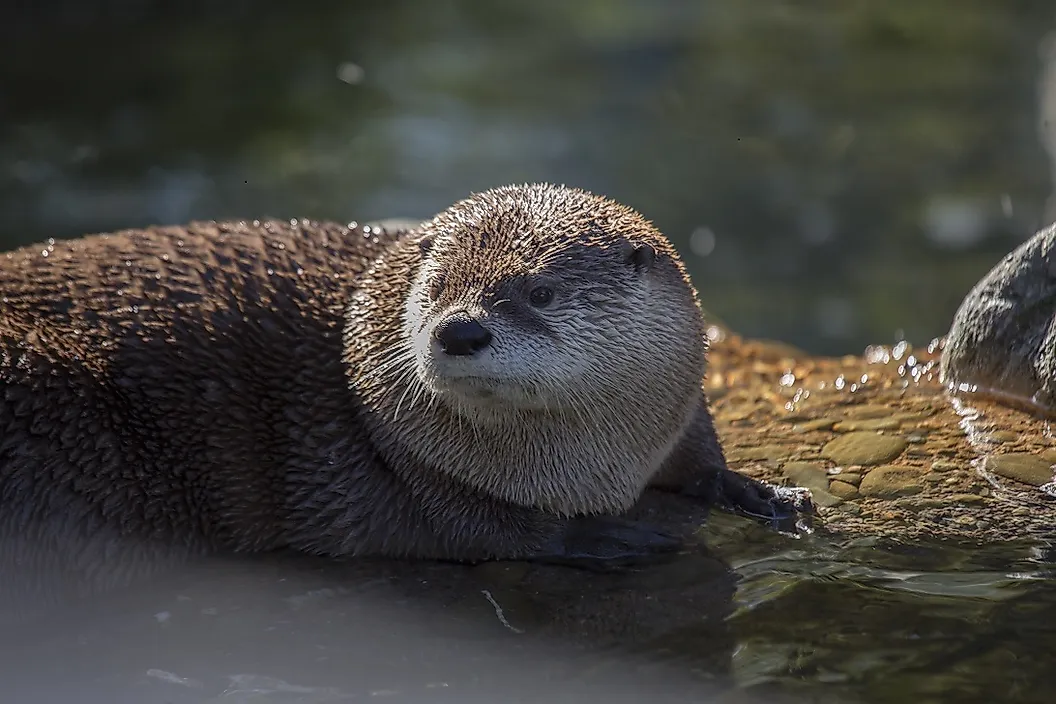
Researchers tracked many of the animals by radio and found they survived well and settled into home ranges along the creek. It was the first release in a statewide effort that eventually returned 153 otters to seven river systems in central and western Pennsylvania. The otters along Pine Creek became so well known that some visitors came to the valley just hoping to see them. Their success helped convince wildlife managers that reintroduction could work in other Pennsylvania rivers, including streams that had been badly polluted only a generation earlier.
Youghiogheny River, Pennsylvania

The Youghiogheny, a whitewater favorite in southwestern Pennsylvania, received its first otters in 1992, when biologists released them in Ohiopyle State Park. In all, 28 otters went into the river, and some are believed to have traveled far beyond it, reaching other waterways in the region, including the Conemaugh River. Otters can roam many miles along a river system in search of food and territory, and the Youghiogheny's long, connected channel gave them room to spread. Today, rafters running the rapids below Ohiopyle and cyclists on the riverside Great Allegheny Passage trail share the valley with them.

The researchers behind the project credit decades of cleanup under the federal Clean Water Act for making the comeback possible. Rivers that once ran orange with mine drainage and industrial pollution now carry enough fish to feed a predator at the top of the food chain. That shift took years of treating acid runoff from old coal mines, which had stripped many streams in the region of fish. As the fish returned, so did the animals that hunt them, with otters among the most visible signs of a cleaner watershed.
Detroit River, Michigan

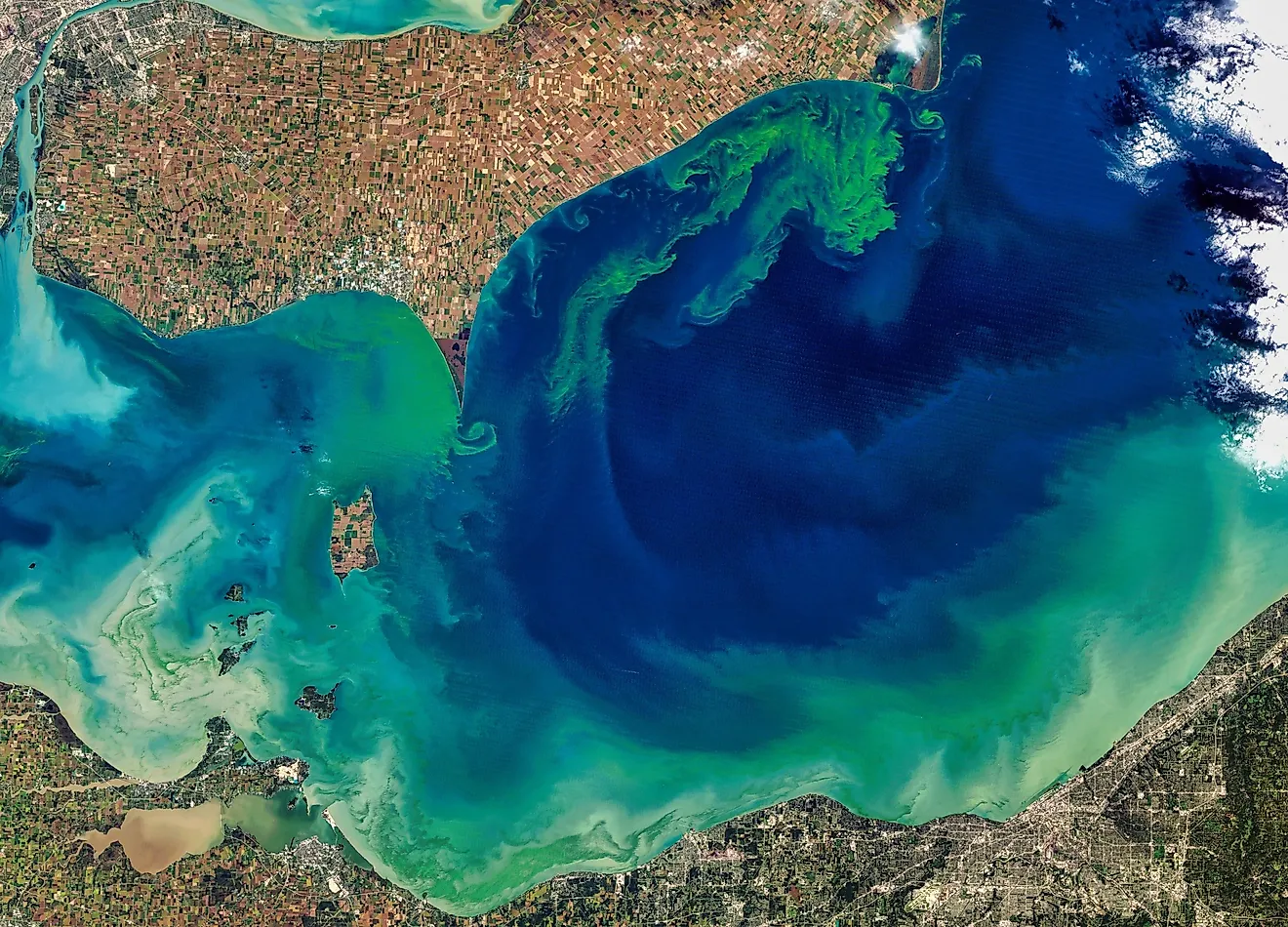
The Detroit River, the short, busy channel that links Lake St. Clair to Lake Erie and separates Detroit from Windsor, Ontario, spent much of the 20th century as one of the most polluted rivers in the Great Lakes. Factories, sewage, and oil spills left long stretches of the river with little life along its banks. In 2022, an otter was spotted in the river for the first time in about a century. The sighting was a milestone for a waterway that had come to symbolize industrial pollution.

No one released it there. Like the otters that have returned to western Lake Erie, it found its way back on its own, a sign that decades of cleanup along the river have made it livable again for fish-hunting wildlife. Other animals have made the same journey. Bald eagles, peregrine falcons, and lake sturgeon have all returned to the river in recent decades, and much of its remaining wild shoreline is now protected in the Detroit River International Wildlife Refuge.
Verde River, Arizona

In the desert Southwest, river otters were thought to be gone by the mid-20th century. In the 1980s, Arizona released otters brought in from Louisiana into the Verde River, one of the few rivers in the state that flows year-round. Part of the Verde is protected as a National Wild and Scenic River, the only one in Arizona, and its cottonwood-lined banks form a ribbon of green through dry desert country. For an animal that depends on permanent water, that steady flow makes the Verde one of the few places in the state where otters can survive.

The story has a twist, though. After the release, reports began to surface suggesting that a few native otters may have survived on the Verde all along, unnoticed. Either way, the river now supports otters again, one of the rare places in Arizona where these water-loving animals can be found. Biologists have found that the Verde's otters eat plenty of crayfish, including invasive species that have spread through Arizona's rivers, so the returning predators may even help keep those newcomers in check.
Rivers Worth Watching
The comeback of river otters is one of the quiet success stories of American conservation. It took cleaner water, careful reintroductions, and decades of patience, and it is still unfolding as otters spread into new stretches of river every year. If you spot one sliding down a riverbank or popping its head above the current, consider reporting it to your state wildlife agency. Those sightings help biologists track how far these playful predators have come.