The Most Polluted Bay In America
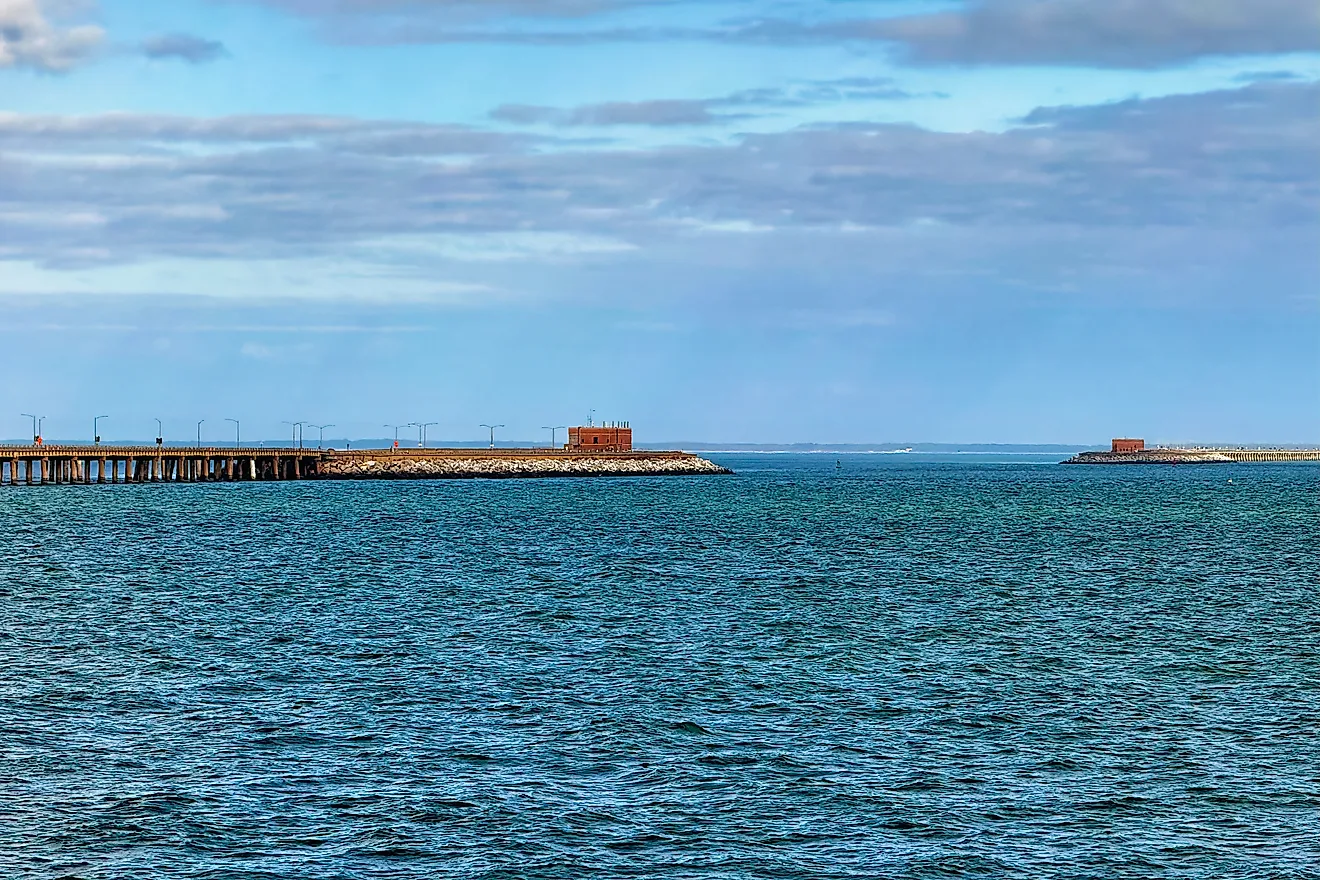
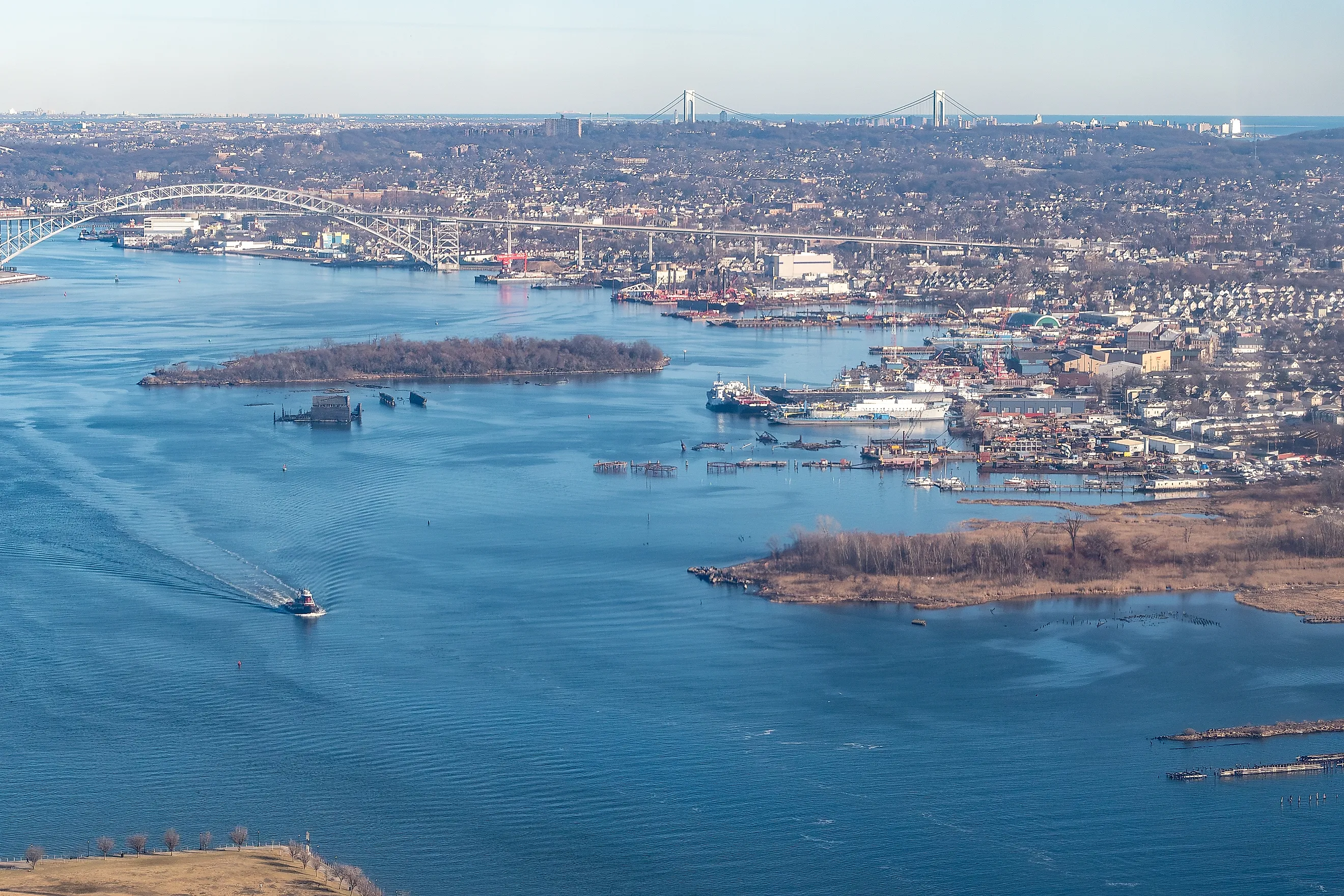
Newark Bay is Operable Unit 3 of a Superfund site that has already cost 1.3 billion dollars and is not finished after forty years. The contamination arrived from a factory on the Passaic River where Diamond Alkali manufactured Agent Orange, and whose dioxin byproduct was, according to court documents filed by its successor company, washed into trenches that drained to the river roughly every other week. The EPA calls the resulting system one of the most contaminated estuarine systems in the United States. That is the strongest claim any American bay has to the title, and it depends entirely on how you define polluted.
The Source Was A Herbicide Plant

The chemistry behind Newark Bay's reputation has an unusually direct origin story.
Diamond Alkali operated a plant beside the Passaic River in Newark that produced pesticides and herbicides, including the components of Agent Orange, through the 1960s. An unwanted byproduct of that manufacturing was TCDD, among the most toxic dioxins known.
Spilled, washed and leaked material drained into the Passaic through trenches and pipes. The EPA placed the former plant on the Superfund National Priorities List in 1984.
Dioxin Does Not Leave

The reason a factory that closed decades ago still defines the bay is chemistry rather than neglect. TCDD bound to sediment under anaerobic conditions has a very long half-life. It does not break down on any useful timescale, it stays in the mud, and it moves only when the mud moves.
Which means the contamination is not a legacy in the sense of something fading. It is a legacy in the sense of something still sitting there.
Eight Miles Feed The Whole System

Investigators eventually traced contamination of the wider estuary to one short stretch of river.
Sediment in the lower 8.3 miles of the Passaic was found to be a major source of contamination for the rest of the river and for Newark Bay itself. The Superfund designation covers 17 miles from the Dundee Dam to the bay.
That is why the bay is an operable unit of a river cleanup rather than a project of its own. Fix the river and the bay has a chance.
The Cleanup Is Among The Largest Ever Attempted
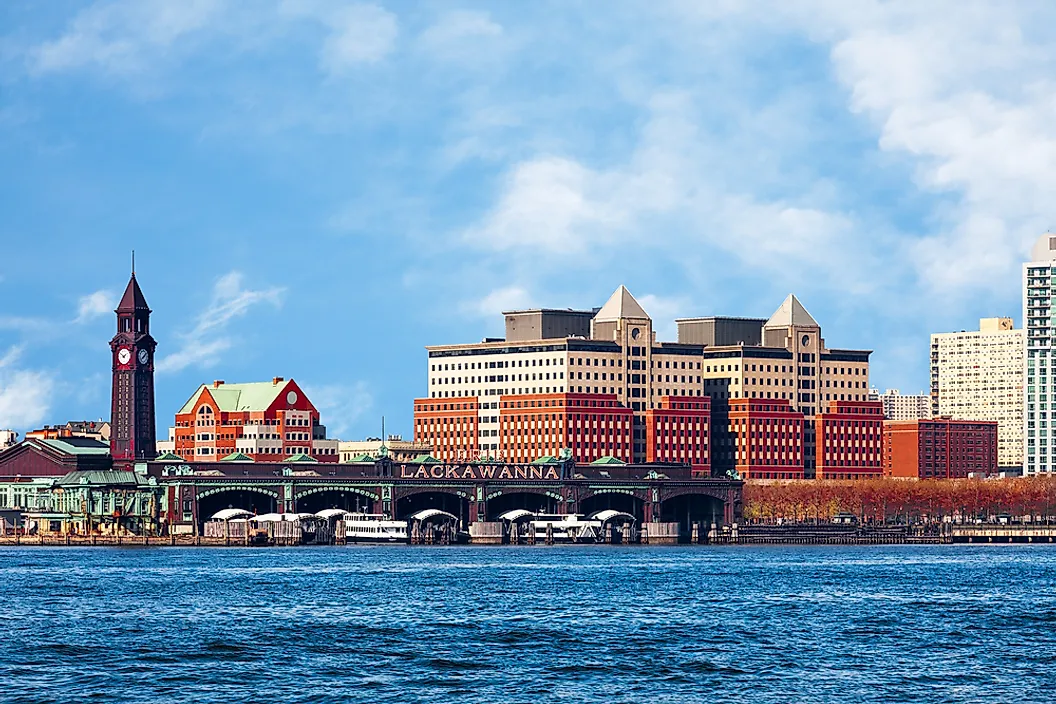
The scale of the remedy is a fair proxy for the scale of the problem. The selected plan involves dredging 3.5 million cubic yards of contaminated sediment bank to bank, from Newark Bay to the Belleville border, then capping what remains to isolate it. The EPA describes it as one of the largest Superfund projects in its history.
Cleanup costs have already reached 1.3 billion dollars. Dredging itself is expected to take six to eight years once the treatment facility is built.
The Fish Are The Measurement That Matters

Sediment concentrations are abstract. What they produce is not.
Fish and shellfish in the lower Passaic and Newark Bay are described by the EPA as highly contaminated with mercury, PCBs and dioxin. Consumption advisories have been in place for decades.
The site also sits in the middle of one of the most densely populated parts of the country, with the Ironbound district of Newark immediately alongside it, which is what turns a sediment problem into a public health one.
Chesapeake Bay Is The Other Answer

Change the metric from toxicity to scale and the title moves south immediately. The Chesapeake is the largest estuary in the United States and carries the country's best-known seasonal dead zone, driven by nitrogen and phosphorus running off farmland across a six-state watershed. By area affected, nothing else comes close.
The two bays are not really competing. Newark Bay has a toxic chemical problem concentrated in sediment. The Chesapeake has a nutrient problem spread across 64,000 square miles.
Nutrients And Toxins Are Different Diseases

Collapsing both into the phrase most polluted is where coverage of this question usually goes wrong.
Nutrient pollution causes algal blooms that strip oxygen from the water and suffocate everything in it, and it responds to reduced fertilizer runoff. The water itself is not poisonous.
Dioxin and PCB contamination poisons the food chain and persists for generations in sediment regardless of what happens upstream. One is a water quality problem and one is a chemistry problem.
There Are Other Contenders

Several other American bays hold legitimate claims depending on the contaminant. New Bedford Harbor in Massachusetts is one of the most PCB-contaminated marine sites in the country. San Francisco Bay carries mercury washed down from Gold Rush hydraulic mining a century and a half ago. Commencement Bay at Tacoma and Lavaca Bay in Texas are both Superfund sites of long standing.
Puget Sound has a different profile again, with contamination spread thinly across a very large area rather than concentrated in one river mouth.
Forty Years Is The Real Statistic

The number that says most about Newark Bay is not a concentration at all. The Diamond Alkali site was listed in 1984. The factory was not demolished and capped until 2001, seventeen years later. The full dredging program has still not begun, and the Passaic was named one of America's Most Endangered Rivers as recently as 2025.
More than two million people draw drinking water from the Passaic system, and the cleanup has outlasted the working lives of most of the people who started it.
The Short Answer

By toxic contamination, Newark Bay is the most polluted bay in America, holding some of the highest dioxin concentrations in any sediment in the country alongside PCBs, mercury and pesticides, as part of a Superfund site that has run for over forty years and cost 1.3 billion dollars so far.
By area affected and volume of water degraded, the Chesapeake wins and it is not close. One bay would poison you slowly and the other suffocates its own fish every summer, which is why the question needs a second sentence before the answer means anything.