The Most Snake Infested Rivers In Pennsylvania
Pennsylvania is rich in waterways, with rivers totalling more than 83,000 miles used for commerce, food, and tourism, as well as supporting recreational activities like fishing, boating, multi-use trails, and wildlife viewing opportunities. The Susquehanna, Allegheny, and Delaware Rivers, in particular, make for optimal living conditions for some of the 21 species of snakes that live in Pennsylvania, such as queen snakes, watersnakes, and even timber rattlers, providing ample habitats for food sources, plenty of space for basking in the warmer months, and safe spots to hibernate when the weather turns cold.
Susquehanna River

The Susquehanna River is one of the longest rivers on the eastern seaboard of the United States, rising from Otsego Lake in New York. It flows through central Pennsylvania, where it drains a significant portion of the state before entering Maryland and finally emptying into Chesapeake Bay. The river is generally wide when it flows through Pennsylvania, with many shallow shoals or riffles in some reaches, which makes it an optimal habitat for the queen snake (Regina septemvittata).

Queen snakes are a semi-aquatic species found close to shallow and rocky rivers, primarily, though they also occupy ponds, lakes, canals, and marshes. Their preferred habitats have an adequate supply of crayfish, which makes up most of their diet, and they occupy burrows to hibernate through the winter in the northern part of their range. In the warmer months, queen snakes bask on rocks and logs at the water’s edge or on tree branches overhanging water. They are nonvenomous and tend to be brown or olive in color with dark stripes on their back, which fade with age, as well as a distinctive pale yellow belly with four dark stripes. They also have relatively small, narrow heads with tough scales for foraging in rocky shallows.
Allegheny River

The Allegheny River starts its 321-mile journey in Pennsylvania and flows north for 80 miles before it enters New York. Eventually, it turns southwest and reenters Pennsylvania, flowing 120 miles before it joins the Monongahela River in Pittsburgh to form the Ohio River. It drains a total area of 11,700 square miles. The Allegheny Front forms the eastern edge of the Allegheny Plateau and acts as a significant watershed boundary, influencing the path of the Allegheny River. The Allegheny Front protects a rich biodiversity of species within the Appalachian Mountains, including the timber rattlesnake (Crotalus horridus).

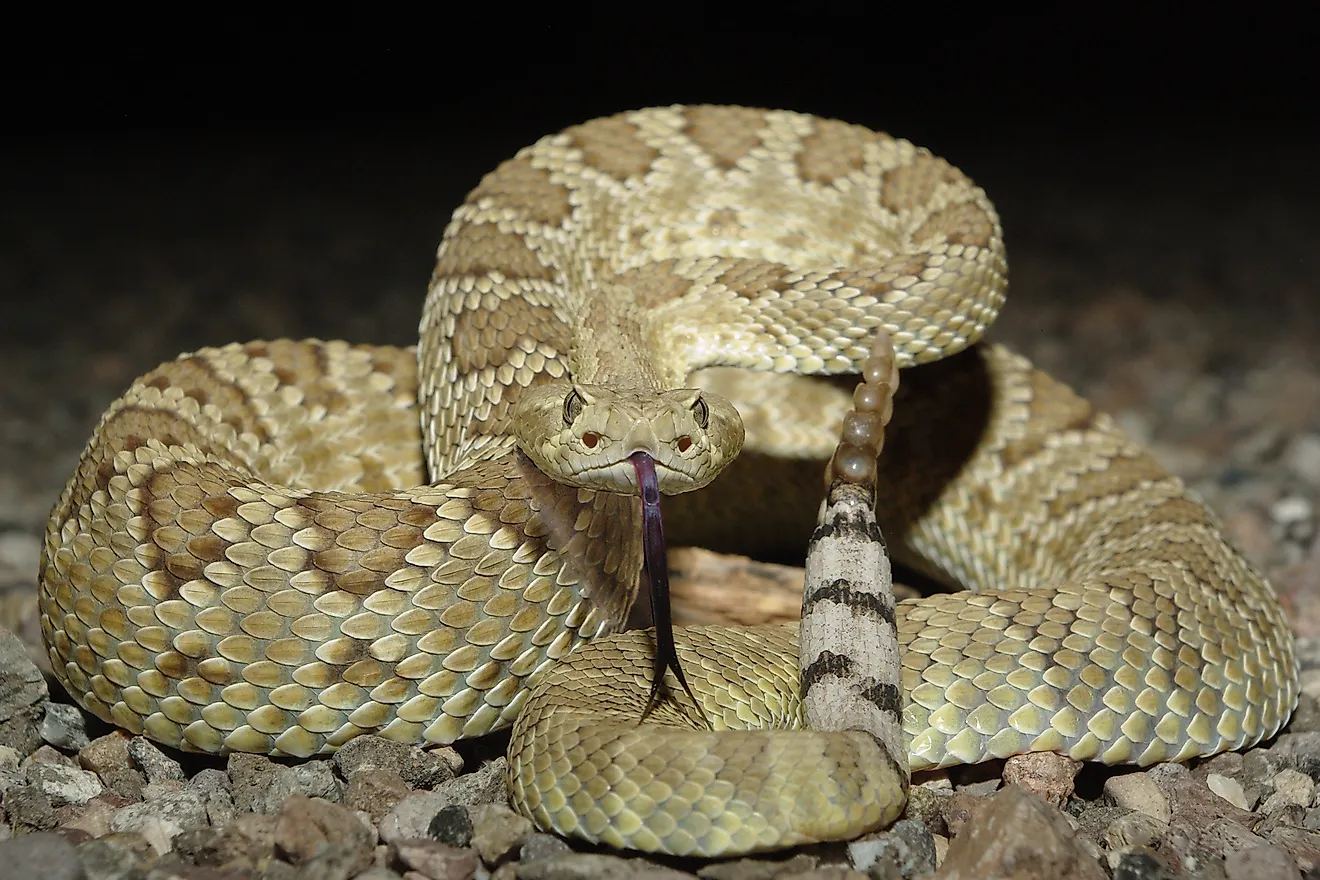
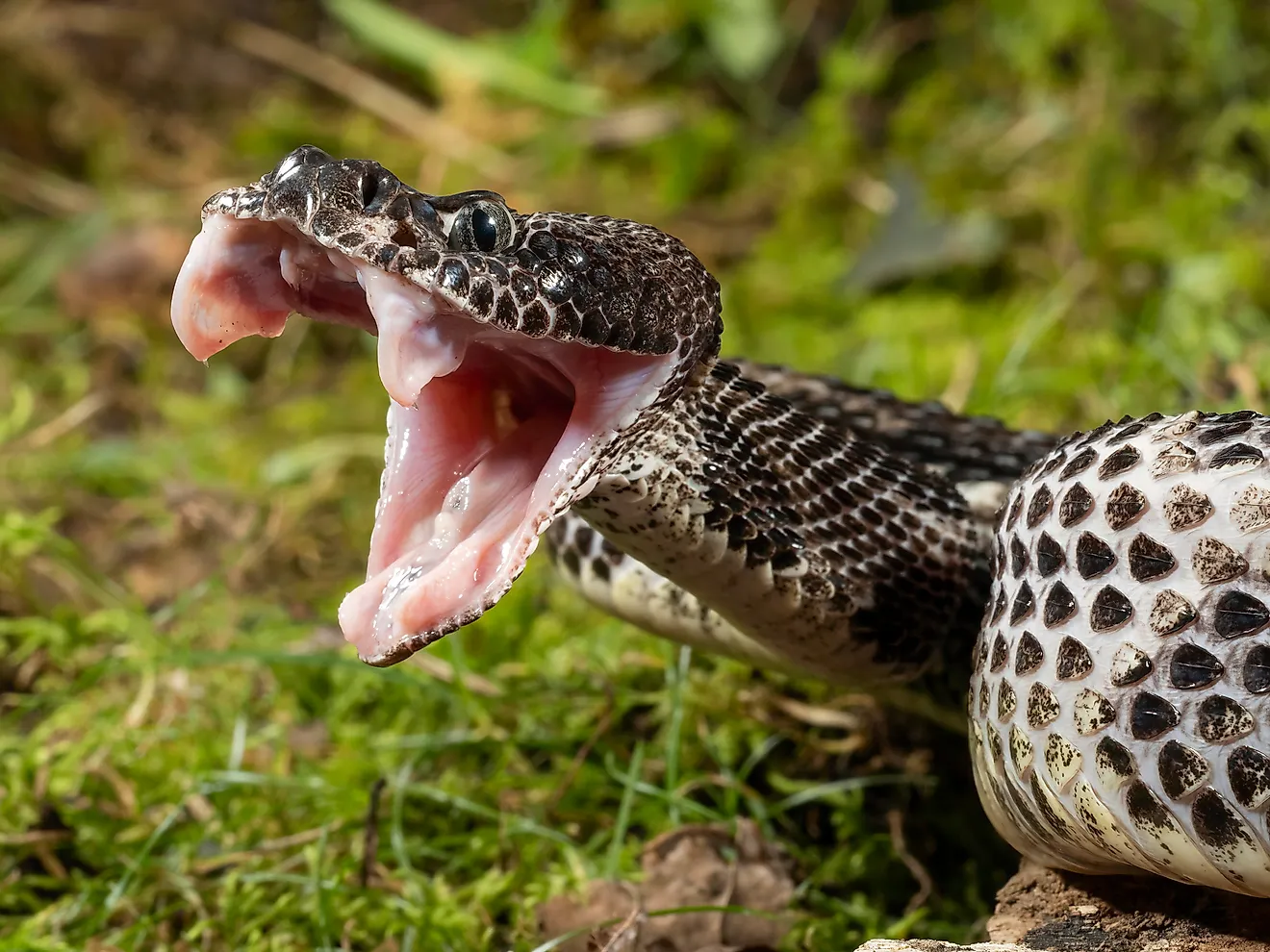
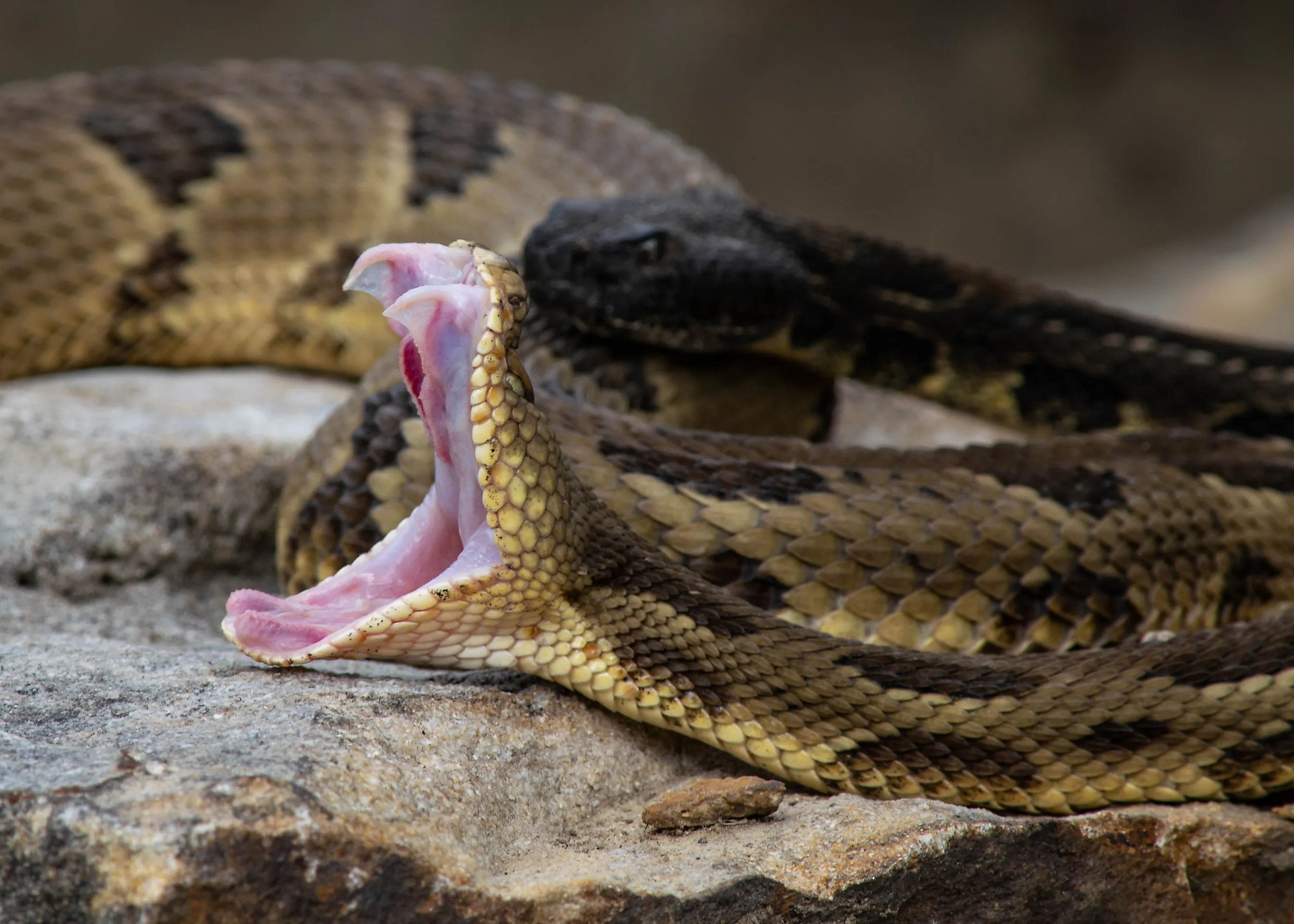
Timber rattlesnakes are present within the Allegheny Plateau and are crucial for managing rodent populations. They inhabit hardwood forests that provide them with hibernation sites, basking sites, and areas to forage for food. In Pennsylvania, their basking sites are open, rocky areas with exposed ledges, while their wintering sites are usually rocky hillsides with exposure to the southeast or west. These snakes are a fairly inactive species, often hibernating for several months each year, but it is always advisable to wear boots and keep an eye out for them when hiking near the river or in sunny, exposed areas. They are one of three venomous species found in Pennsylvania, and will typically keep their distance. The majority of bites are the result of humans attempting to pick up or handle a snake.
Delaware River

The Delaware River originates in New York, where it flows south for a total distance of approximately 330 miles through five states. Sections of the river compose a boundary between Pennsylvania and New York, and Pennsylvania and New Jersey. Within the Upper Delaware River region, snakes like the northern watersnake (Nerodia sipedon sipedon) are found in both terrestrial and aquatic habitats.

Northern watersnakes are partial to habitats that feature slow-moving or standing water sources. They are commonly seen along the edges of bodies of water where there are partially shaded areas that allow them to bask in the heat of the sun on top of rocks, logs, or vegetation. They can also be observed swimming in the shallows, hunting for fish and amphibians, which make up most of their diet. These snakes are common and nonvenomous, though they are often mistaken for venomous species like copperheads and cottonmouths. They will bite if threatened, so it's always best to give them space if spotted.
Be Snake Safe on the River
Although snakes are present in Pennsylvania, that should not deter you from recreating in or around the water. Only three of Pennsylvania’s snakes are venomous, and the ones that are not are small, harmless, and will often flee into the water or remain hidden under debris rather than interact with humans. Snakes provide a benefit to humans, whether that be managing rodent populations or pest insects like slugs. They should be left alone and undisturbed if encountered in the wild, and observed only from a safe distance.