The African Rivers Bigger Than The Mississippi
Three African rivers are longer than the Mississippi. Two drain more land. Exactly one carries more water, and the gap between those three lists is where this gets fun. The Nile, the longest river on Earth, moves less than a fifth of the Mississippi's water, which means the most famous river in history is mostly a rumor with a channel around it. The Congo, meanwhile, beats the Mississippi at everything, carries two and a half times its flow, and is so full of waterfalls that almost nobody can sail up it.
Here is the scorecard, and the Mississippi does considerably better than Americans tend to assume.
The Mississippi, For Reference

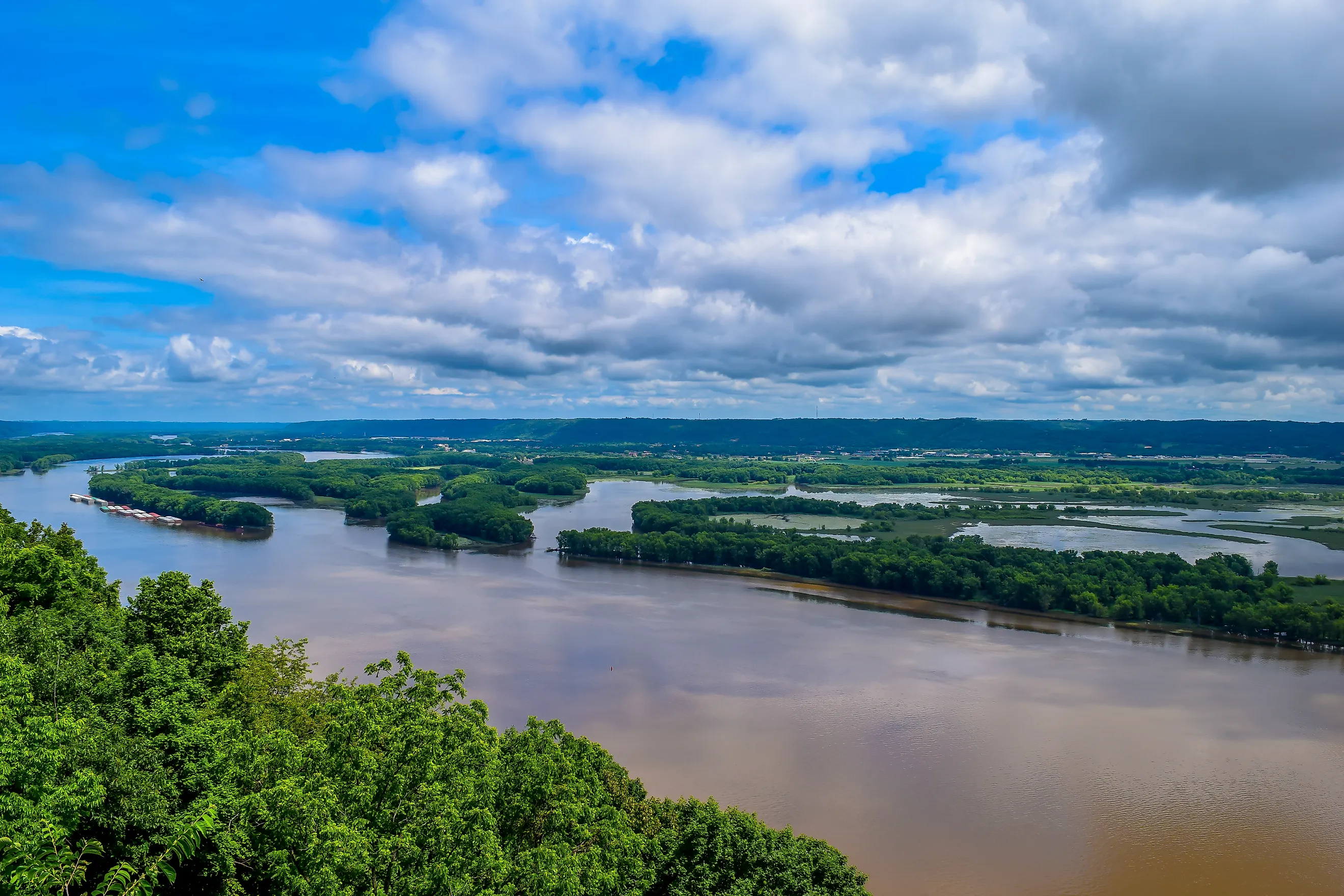
The Mississippi main stem runs 2,340 miles from Lake Itasca to the Gulf. Its basin covers about 2,980,000 square kilometers. It discharges roughly 16,800 cubic meters per second, or 593,000 cubic feet, every second of every day.
That last number is the one to hang onto. It makes the Mississippi the sixth-largest river on the planet by volume, which is not how anybody in Memphis describes it.
One catch. Bolt the Missouri and the Jefferson on and the system stretches to about 3,900 miles, which changes who beats it. We are using the main stem, because that is the river with the name.
The Nile Is Long And Almost Empty
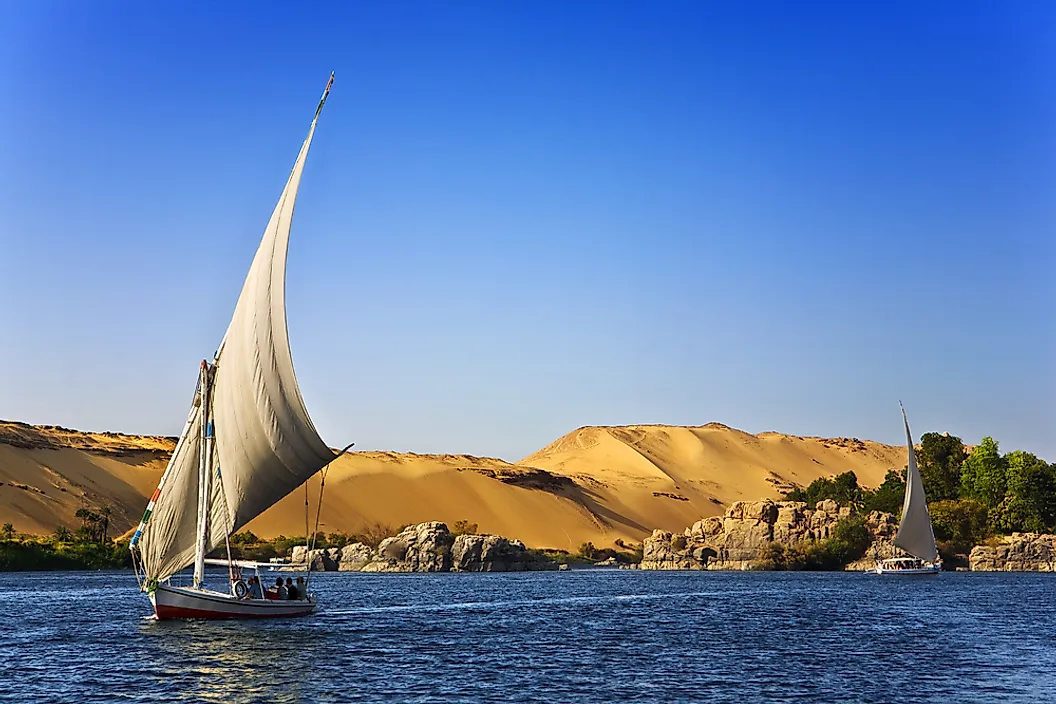
The Nile runs 6,650 kilometers, about 4,132 miles. Longest river in the world. Bigger drainage basin than the Mississippi, at 3,349,000 square kilometers. On paper it is a rout.
Then you check the water. The Nile discharges around 2,800 cubic meters per second. The Mississippi does 16,800. A river nearly twice as long delivers less than a fifth as much water to the sea.
The reason is that the Nile spends its last third crossing the Sahara, where it picks up essentially no tributaries and loses staggering volume to evaporation and irrigation. Geographers call this an exotic river, meaning one that flows through a desert on water it collected somewhere else entirely.
Put less politely: for a thousand miles the Nile is not gathering water. It is being slowly deleted.
The Congo Wins Everything
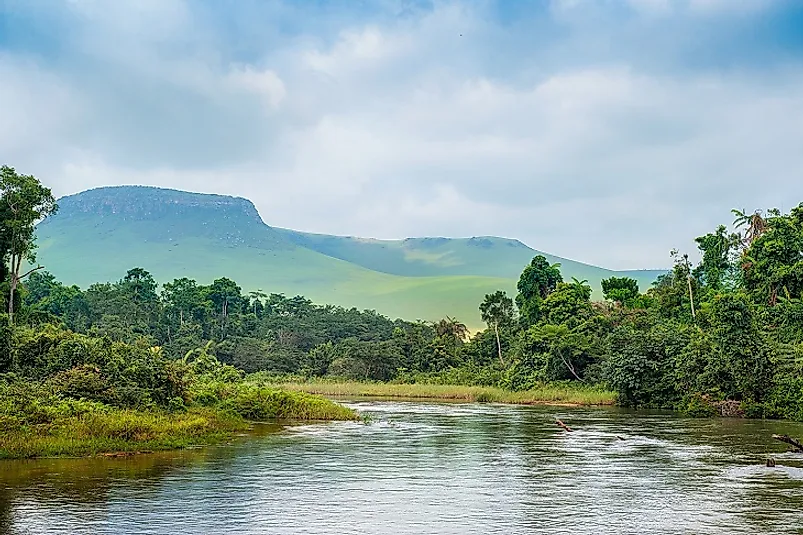
The Congo is the only African river that beats the Mississippi on all three measures, and on the one that counts it is embarrassing.
Length: 4,700 kilometers, about 2,900 miles, against 2,340. Basin: somewhere between 3,457,000 and 4,000,000 square kilometers depending on who is counting, which is 13 percent of Africa's entire landmass.
Discharge: roughly 41,000 cubic meters per second. Two and a half Mississippis. Second-largest river on Earth by volume, behind only the Amazon, and nothing else is remotely in the conversation.
It Cannot Decide Which Hemisphere It Is In

Here is the trick behind that flow, and it is genuinely clever geography.
The Congo is the only major river in the world that crosses the equator twice. Half its basin sits north of the line and half sits south, and those two halves have wet seasons six months out of phase with each other.
So it is always raining somewhere in the Congo basin. The river has no dry season, ever, because it has outsourced the problem to the opposite hemisphere. Discharge stays remarkably steady year-round while the Mississippi lurches between spring flood and autumn low.
That reliability, not the raw volume, is why the Congo's hydropower potential is among the greatest on the planet.
It Is Also The Deepest River On Earth
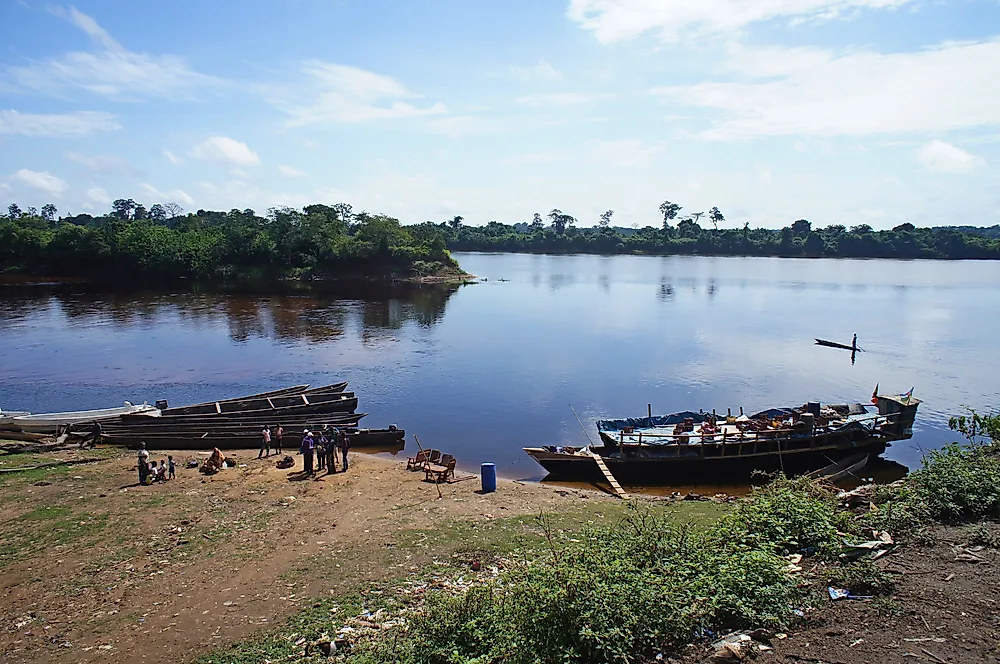
The Congo hits about 220 meters, roughly 720 feet, making it the deepest river anywhere by both maximum and average depth. The Mississippi bottoms out around 200 feet near Algiers Point in New Orleans.
That depth does strange things. The canyons of the lower Congo are deep enough and violent enough to cut fish populations off from each other over remarkably short distances, and the river has produced blind, colorless species that exist nowhere else.
A river deep enough to evolve its own cave fish, without having a cave.
The Niger Takes The Scenic Route
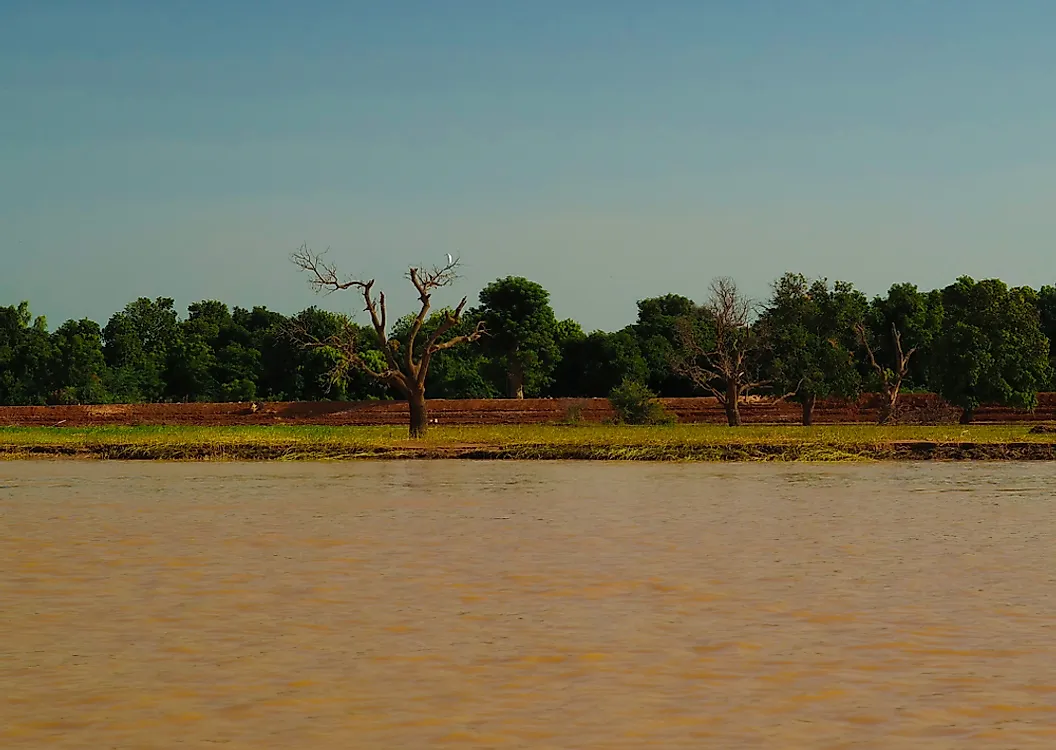
Africa's third-longest river, the Niger, runs about 4,200 kilometers, roughly 2,600 miles, which puts it ahead of the Mississippi main stem.
On water it is not close. Around 5,600 cubic meters per second, a third of the Mississippi. The route explains it. The Niger rises a couple of hundred miles from the Atlantic, then heads determinedly inland, loops north into the edge of the Sahara, changes its mind, and comes back south to the sea.
Along the way it spreads out into the Inner Niger Delta in Mali and hands a great deal of itself to the sky. It is a long river that spent its whole career going the wrong way through the wrong climate.
The Zambezi Does Not Qualify And Everyone Assumes It Does
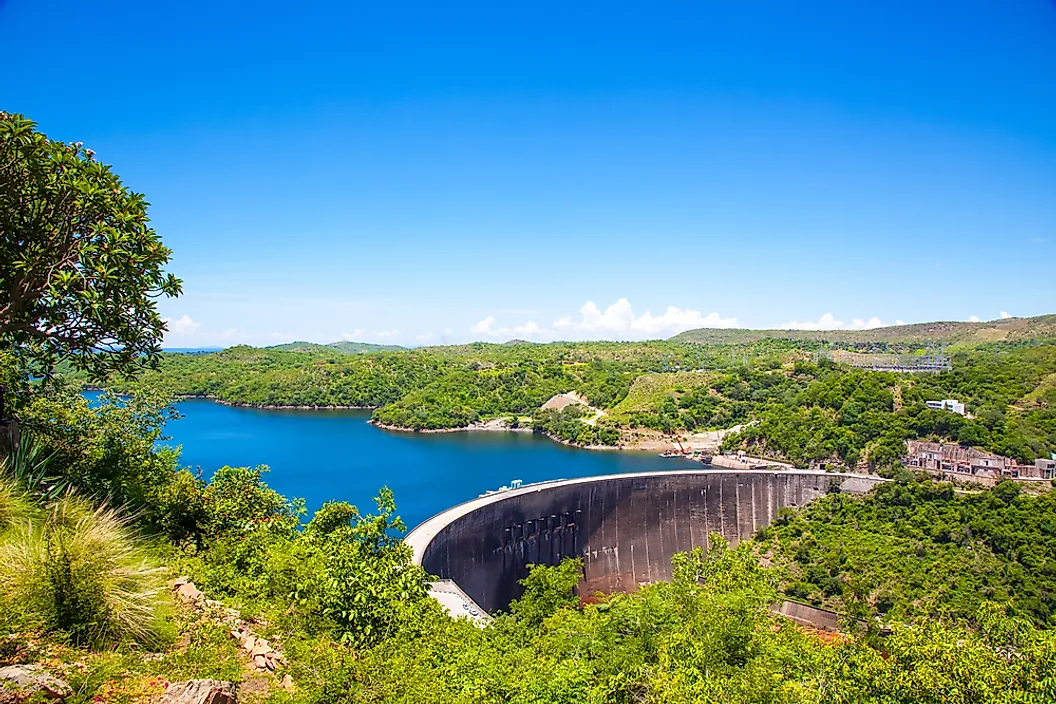
Africa's fourth-longest river is about 2,600 kilometers, roughly 1,600 miles, well short of the Mississippi. Its discharge of around 3,400 cubic meters per second is a fifth as much.
It gets named anyway, constantly, because it goes over Victoria Falls and looks spectacular doing it. The Zambezi is the proof that a river's fame is set almost entirely by its single most photogenic hundred meters.
Huge Does Not Mean Useful
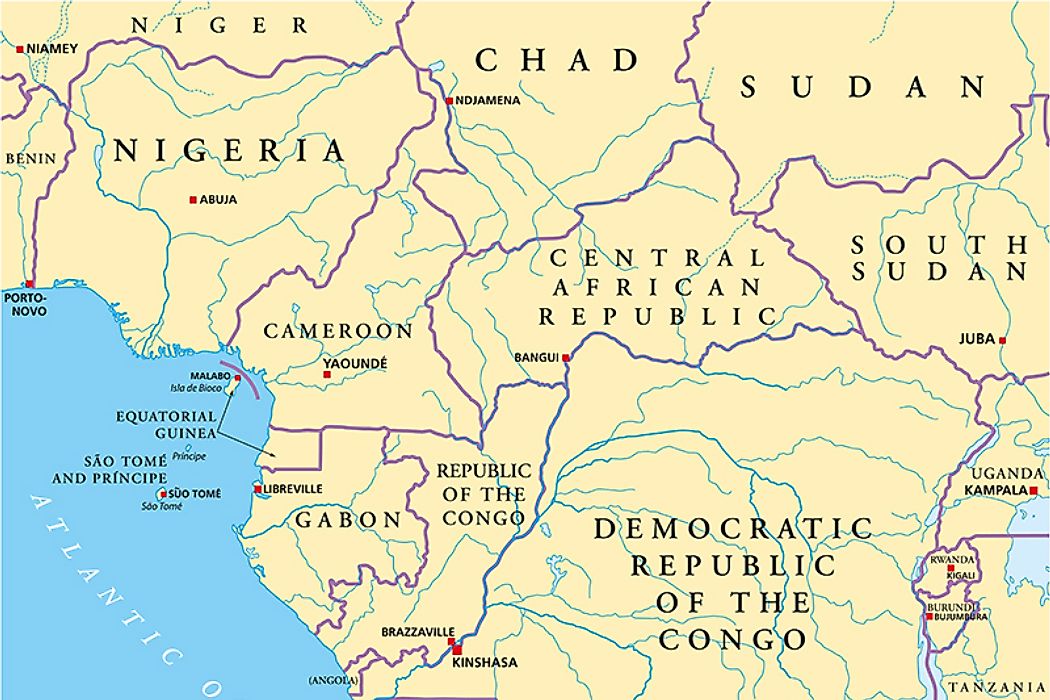
Volume is not an abstraction, and the Congo is the best illustration of what it does and does not buy you.
The Congo and its tributaries form the largest network of navigable waterways in Africa. They are also interrupted by 32 cataracts in the lower course, which means the second-biggest river on Earth cannot be sailed inland from the Atlantic. All that water, and a wall of rapids sitting between it and the ocean.
The Mississippi is the reverse. Far less water, and a maintained navigable channel running from the Gulf to Minneapolis. The smaller river is the more useful one, which tells you most of what you need to know about the difference between a river with volume and a river with engineering.
Length Is The Worst Measure And The Only One Anyone Quotes
Length is the number in every headline and it tells you the least of any figure available.
It is the hardest to pin down, because where a river begins is frequently an argument between two countries and a hydrologist. It is sensitive to how finely you trace the meanders, so the total changes with the resolution of your map. And it says nothing whatsoever about whether there is any water in the thing.
Discharge is the honest measure. By discharge, the Mississippi beats every river in Africa except one and sits sixth in the world, which is a considerably better result than its reputation suggests.
The Scorecard

Longer than the Mississippi: the Nile, the Congo and the Niger.
Bigger drainage basin: the Nile and the Congo.
More water: the Congo. That is the whole list.
One African river is genuinely larger than the Mississippi in every sense that matters. Two more are larger in the ways that look good on a map and photograph well. And the rest of the continent, by volume, is carrying less water than the river currently sliding past St. Louis while nobody watches.