3 Of The Most Snake Infested Rivers In New Mexico
New Mexico is widely known for its stretches of flat land across the eastern High Plains, and many of these areas have very little surface water. Because of that, people are often surprised when they learn that several major river systems drain the state. These include the Rio Grande, the Pecos, the Canadian, the San Juan, and the Gila River systems. The state’s topography is far more varied than many visitors expect. The Rocky Mountains rise in the north, the Great Plains reach across the eastern third, and many higher mountain areas hold pine forests and grassy meadows. These landscapes support a rich collection of plant and animal life, including roughly forty-five to fifty species of snakes. Some of these snakes are venomous, but most are harmless. What follows is a look at several of the rivers in New Mexico that support some of the most snake-filled habitats in the region.
Rio Grande River

The Rio Grande River is one of the longest rivers on the continent and begins its nearly 1,900-mile journey as a mountain stream in the Rocky Mountains of Colorado. The river eventually empties into the Gulf of Mexico and passes through New Mexico along a path that includes deep chasms and steep walls in what is known as the Rio Grande Gorge. Many snake species in the state rely on riparian areas. These are habitats that form where river water meets land and create a continuous band of vegetation, shade, and stable moisture. A major stretch of this type of habitat is found along the Rio Grande and is known locally as the Bosque, which is the Spanish term for forest.

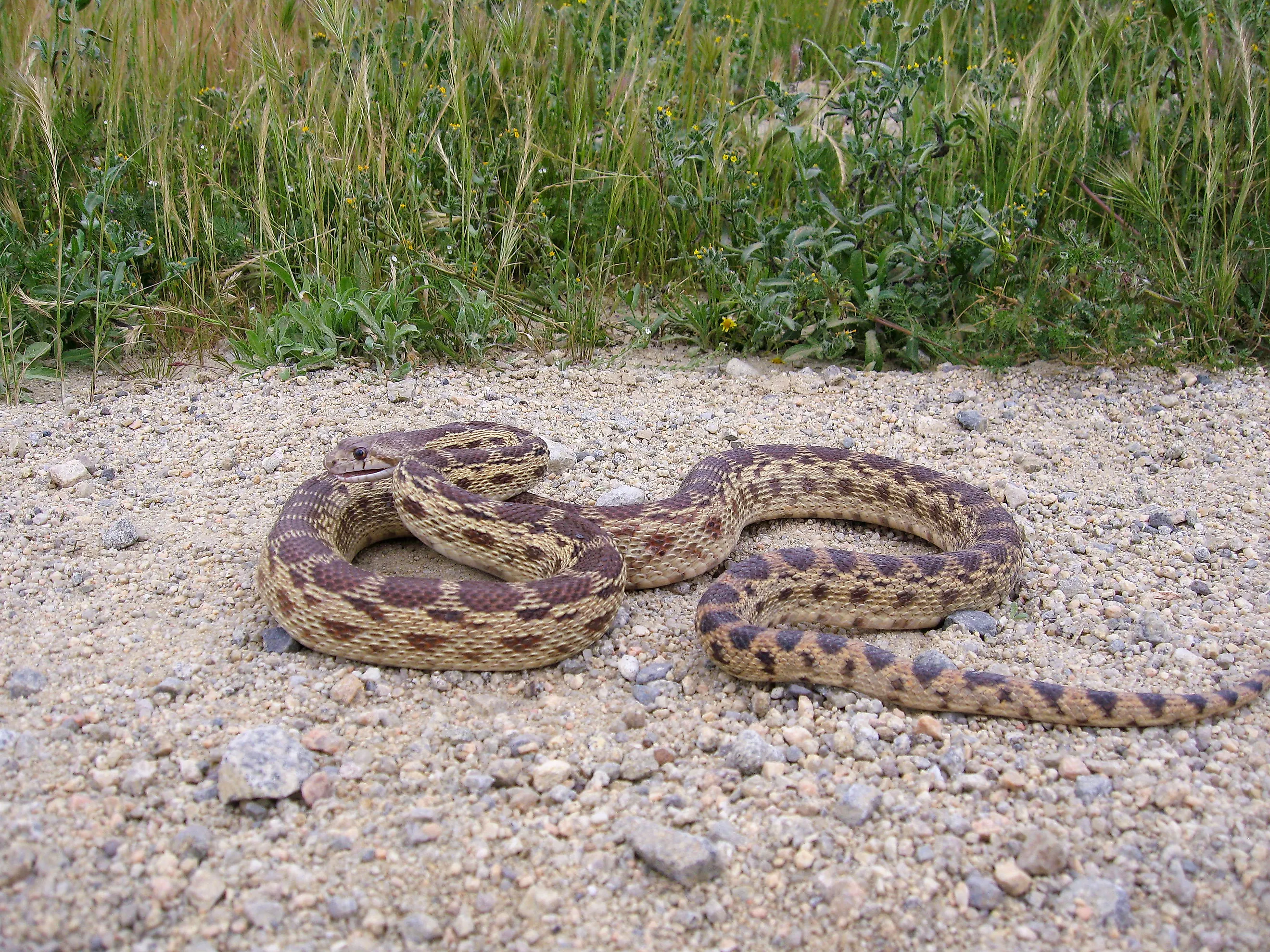
Studies have found several nonvenomous snakes in this region, including the common kingsnake, the gopher snake, the plains black-headed snake, and the plains hog-nosed snake. The venomous western diamondback rattlesnake is also present in some of these areas and has been recorded not only in rocky terrains but also in sandy flats, desert river bottoms, and pine-covered woodlands.
Gila River

The Gila River begins in the Mogollon Mountains of southwest New Mexico. It continues for approximately 630 miles before it flows across the larger watershed, which encompasses tens of thousands of square miles. The Gila Wilderness occupies the region where three separate forks meet. These forks are the West Fork, the Middle Fork, and the East Fork. This wilderness area holds some of the most intact riparian and forested habitats in the state. The river supports a wide variety of wildlife, including several species of garter snakes.
One notable species is the mexican garter snake, which was once believed to have disappeared from New Mexico, but was rediscovered by biologists in the early 2010s. Other garter snakes along the Gila include the blackneck garter snake, the terrestrial garter snake, and the narrow-headed garter snake, which is a protected species that must not be collected or disturbed. Garter snakes rely heavily on permanent water and are usually found in vegetation along the edges of streams, rivers, lakes, and ponds. Their consistent need for moist habitats makes the Gila River region a significant refuge.
Pecos River

The Pecos River rises in the Sangre de Cristo Mountains in north-central New Mexico. It flows through a varied landscape before reaching Texas, where it ultimately connects with the Rio Grande River. Its course includes canyons with steep walls, high country meadows, and scenic waterfalls. In Pecos National Park, 2-3 rattlesnake sightings are reported weekly in the spring, summer, and fall months. The prairie rattlesnake is one of the more common ones in the park.

The Pecos River also supports several snake species that depend on steady water sources. One example is the plain-bellied watersnake, which is limited to the lower Pecos basin within New Mexico and is considered a species of conservation concern due to habitat loss and degradation. These snakes are strong swimmers and rarely venture far away from water. They are most often seen sunning themselves on rocks or logs near steady water and quickly slip into the river when disturbed. The western ribbon snake is another snake of conservation concern in the same region. This species is frequently confused with garter snakes because of its slender shape and striping. The western ribbon snake is adaptable in many parts of its overall range, but in New Mexico, it is typically found around vegetation that grows near lakes, ponds, and marshes.
The Importance of Snakes
New Mexico is home to many harmless snakes. Only a portion of the state’s species are venomous, and only some have limited populations or special protection. Snakes are most active between April and October due to cooler winter conditions at higher elevations. They enter periods of reduced activity when temperatures drop, and the exact timing varies across the state. All snakes play important ecological roles because they help control rodent numbers and maintain balance in local food webs. Their presence supports healthier plant communities and reduces the spread of diseases carried by rodents. Even venomous snakes contribute to scientific advances. Compounds found in the venom of some species have been used in the development of medicines that are designed to treat hypertension and other conditions that affect blood flow and the cardiovascular system. Because of this, snakes remain important not only in their ecosystems but also in the field of human health research.