The Most Snake Infested Rivers In South Dakota
South Dakota’s rivers may not be the first places people think of when imagining snake-rich habitats, yet several of the state’s major waterways support a surprising diversity of species. From harmless garter snakes to the stealthy prairie rattlesnake, these reptiles rely on river corridors for food, shelter, breeding grounds, and seasonal migration routes. While myths and stereotypes often exaggerate their danger, snakes play a vital ecological role across the region. It’s important to note that with proper knowledge and safety steps, a snake encounter resulting in injury is extremely rare. The three most snake-inhabited rivers in South Dakota are the Missouri, Cheyenne, and Big Sioux.
Missouri River

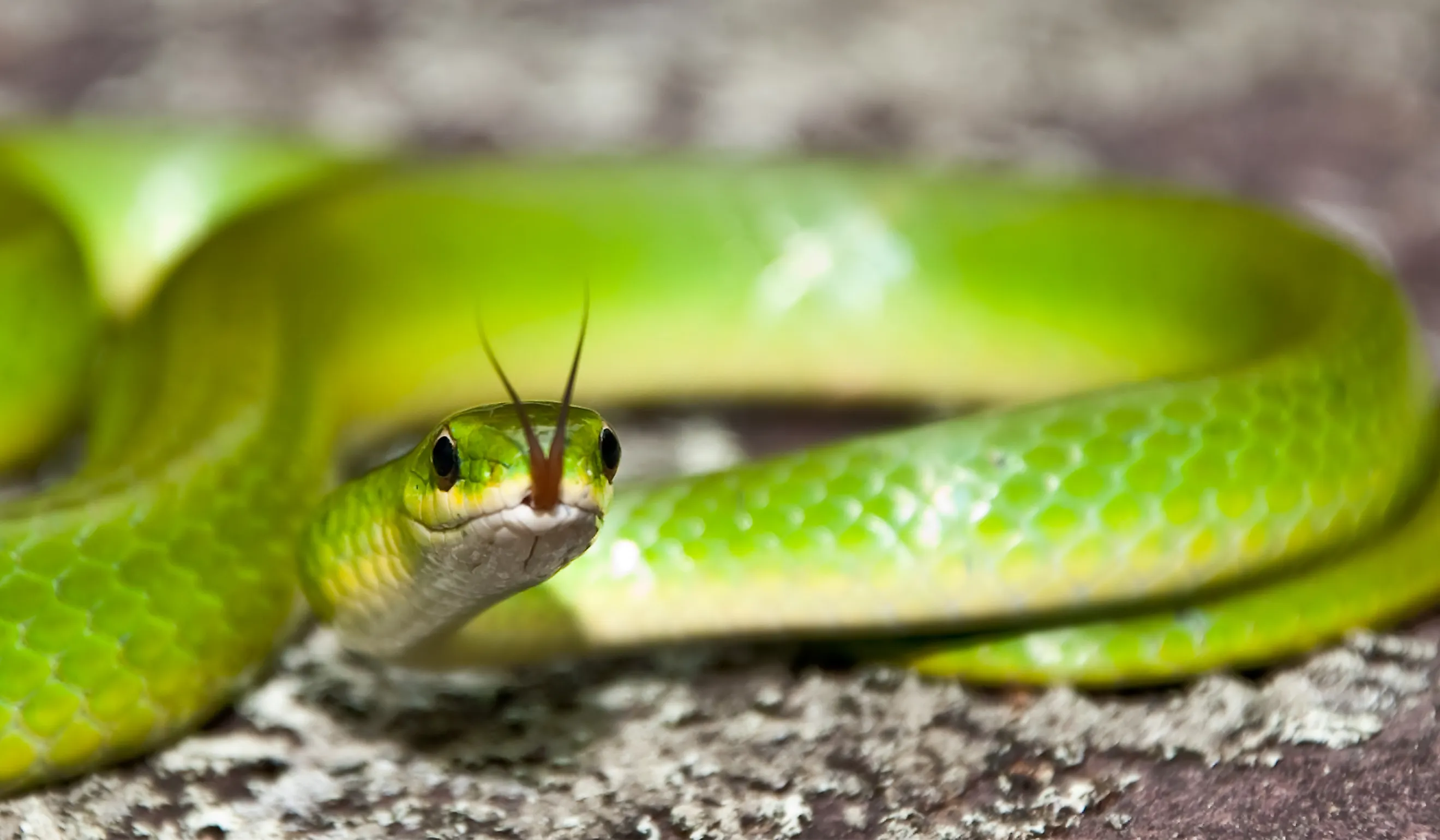
The Missouri River, the largest and most ecologically diverse river in South Dakota, supports a wide range of snake species due to its rich wetlands, wooded riverbanks, and backwater sloughs. Common snakes in and around the Missouri River include garter snakes, bullsnakes, smooth green snakes, and the prairie rattlesnake, especially in drier regions nearby. The river’s varied habitat provides ideal hunting grounds for snakes feeding on frogs, fish, rodents, and insects.

A common stereotype is that South Dakota is “full of venomous snakes,” but in reality, only the prairie rattlesnake poses a venom risk and is not overly aggressive. Snakes look to avoid human interaction and will only attack if they feel threatened. The river winds through central South Dakota, including Pierre and several major reservoirs filled with wildlife. Though the river runs through towns and cities, snakes prefer to inhabit areas without humans if possible.
Cheyenne River

The Cheyenne River flows through rugged grasslands and badlands terrain, creating a prime environment for snakes that thrive in warm, open landscapes. Prairie rattlesnakes are especially common along the Cheyenne, where rocky outcrops and dry slopes make perfect den sites. Bullsnakes and racers also frequently inhabit the river valleys, hunting small mammals attracted to the water. Unlike lush riverside forests, the Cheyenne’s habitat is more exposed, allowing snakes to bask and hunt easily. Many people stereotype rattlesnakes here as highly aggressive, but most encounters occur when they’re accidentally disturbed.

It is perfectly safe to fish, walk, or boat along the Cheyenne River without fear of snakes as long as proper safety precautions are taken. Stay aware of the fact that snakes inhabit the area, and don’t reach under rocks or roots that you can’t see the bottom of. The Cheyenne River runs through western South Dakota, passing near Rapid City and the edge of the Black Hills. With proper knowledge, the Cheyenne River is a lovely spot to enjoy the outdoor activities that South Dakota has to offer.
Big Sioux River

The Big Sioux River, flowing along South Dakota’s eastern border, offers a much different ecosystem. The banks of the Big Sioux are dotted with forest patches, agricultural edges, wetlands, and urban corridors. This variety of ecosystems supports several non-venomous species such as garter snakes, fox snakes, and water snakes, which thrive in the moist surroundings and abundant prey. Although water snakes are often mistaken for venomous species due to their defensive behaviors, they can only bite, but not release venom.

No matter the species of snake, venomous or not, it is best to leave a safe distance and not interact with or try to handle the snake. If you're walking at night, using a light to increase your visibility will let snakes know where you are and encourage them to leave you alone. The Big Sioux’s proximity to Sioux Falls and other towns means human-snake encounters are more common, leading to persistent myths that the river “breeds dangerous snakes.” In reality, the river hosts mostly harmless species that help control pest populations and maintain ecological balance.
South Dakota’s rivers are far more than scenic waterways; they’re thriving wildlife corridors that support a remarkable diversity of snake species. From the vast Missouri to the rugged Cheyenne and the fertile Big Sioux, each river hosts unique habitats that shape the behaviors and populations of the snakes living there. While stereotypes often paint snakes as threatening, most are harmless, essential contributors to healthy ecosystems. Understanding the species that inhabit these rivers helps foster respect, reduce fear, and highlight the natural beauty woven through South Dakota’s landscapes. Exploring these snake-rich rivers reveals just how alive and interconnected the region’s waterways truly are.