The US Bridges Rated Structurally Deficient
A bridge is classified as structurally deficient or rated as "poor condition" by the Federal Highway Administration (FHWA) if at least one of its key structural elements (the deck, superstructure, or substructure) is rated as in poor or worse condition. This does not mean that there is imminent danger of a collapse, though bridges in places like Minnesota have failed in modern times, taking human lives with them. The rating does indicate a critical need for repairs, major rehabilitation, or even replacement. Below are five key, heavily trafficked bridges in the US that are in desperate need of repairs. They feature prominently on the FHWA's and American Road and Transportation Builders Association (ARTBA) lists of structurally deficient bridges.
Verrazzano-Narrows Bridge (New York)

The Verrazzano-Narrows Bridge is a double-deck suspension bridge that spans the narrows between Upper Bay and Lower Bay to connect Staten Island and Brooklyn, New York. The upper deck of the bridge was completed in 1964, and the lower deck opened in 1969. Currently, 175,000 to 200,000 vehicles pass over the bridge daily. Considered to be in poor condition, the Verrazzano-Narrows Bridge requires major rolling overhauls to combat corrosion and heavy deterioration. Planned projects include the complete replacement of the upper and lower concrete decks, reconstructing structural steel anchorage spans, seismic retrofitting, and installing a main cable dehumidifier system to stop the corrosion from advancing. Millions of dollars are spent annually on basic maintenance of the bridge, while $249 million has been approved for a multi-year cable rehabilitation project.
Interstate 90/94 (Dan Ryan Expressway) Elevated Bridge (Illinois)

Built on one of the busiest highway stretches in the country, this bridge sees around 300,000 vehicles cross its deck on a daily basis. Built in 1962 during the expansion of the main expressway, this is a multi-lane steel girder and concrete elevated viaduct that connects the southern express lanes into central Chicago while handling immense freight loads from unending use of transport trucks. Among other upgrades, the bridge is in desperate need of new concrete pillars, substructure joints, and the driving deck requires complete structural rehabilitation. Because it's an elevated highway system, it also requires targeted girder reinforcement. Minor concrete patching and structural inspections cost around $1 million annually, though $6 million has been allocated for a feasibility study for a multi-billion-dollar reconstruction project.
Brooklyn Bridge (New York)

The most famous bridge on this list, the Brooklyn Bridge, built in 1883, is one of the oldest surviving suspension spans in the US. It features a hybrid cable-stayed/suspension bridge design with masonry towers and spans New York's East River to connect Manhattan and Brooklyn. About 100,000 vehicles pass over it daily, including countless pedestrians and cyclists. Due to its advanced age, it requires continuous and meticulous maintenance. Work required includes structural steel repairs, expansion joint repairs, masonry stabilization on the 19th-century towers, and improving the deck's support beams to maintain weight capacity. About $500,000 is spent on routine maintenance on the Brooklyn Bridge annually, but costs between 2010 and 2017 soared to $811 million after engineers discovered 3,000 hidden structural cracks in the steel and masonry sections.
Centennial Bridge (Iowa/Illinois)

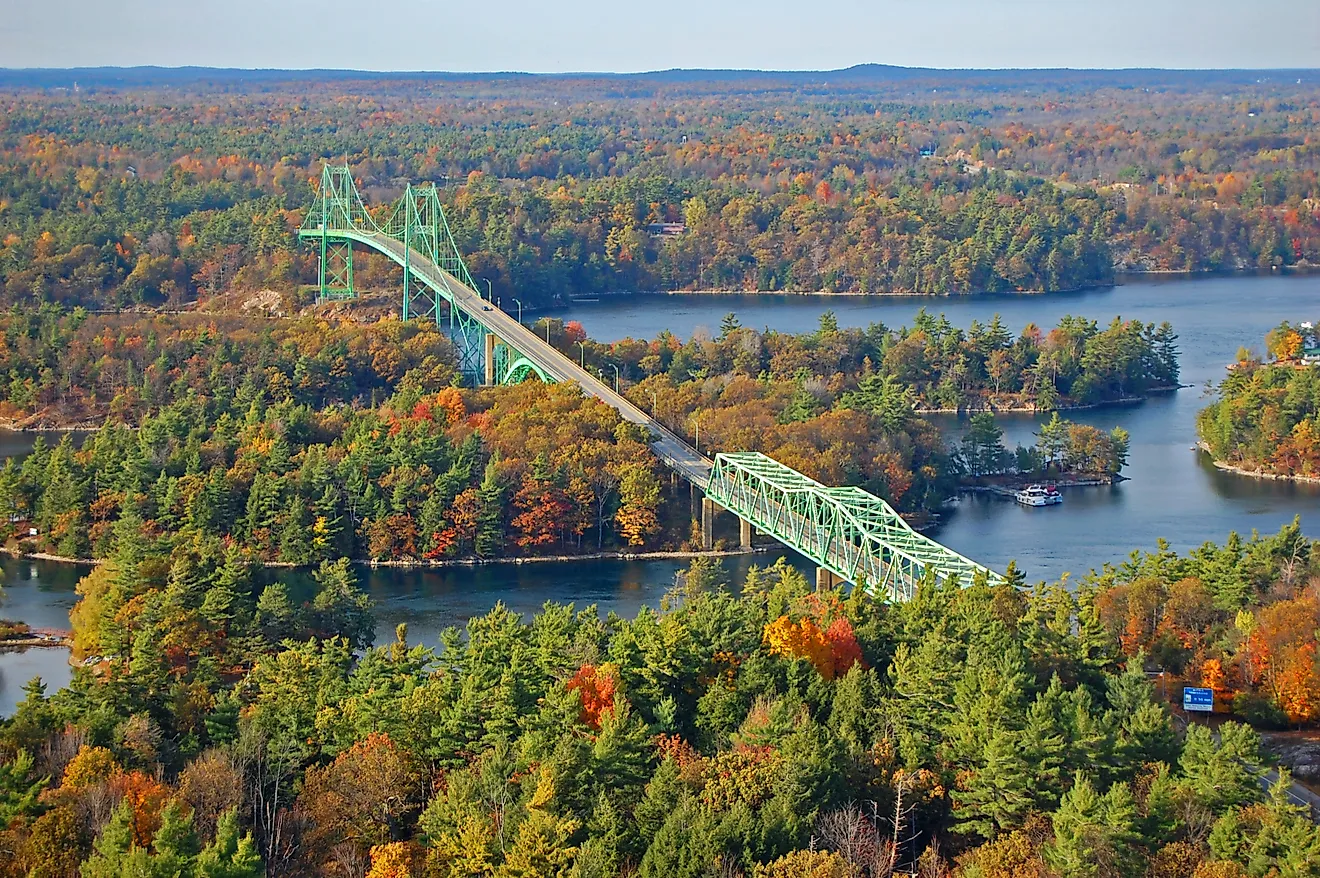
Iowa has more bridges that need repair than any other state in the country, according to ARTBA, and that includes the Centennial Bridge. Having recently celebrated its 85th birthday (built in 1940), this bridge is a steel through-arch design and sees more than 26,000 vehicles pass over it daily, making it Iowa's most traveled poor condition bridge. The Centennial Bridge spans the Mississippi River to connect Davenport, Iowa, to Rock Island, Illinois. Among other things, the deck is severely deteriorated, and because the lanes and shoulders are too narrow for modern standards, a study is underway to determine if the bridge can be rehabilitated or if a complete replacement is more appropriate, as maintenance has become unsustainable. Illinois has allocated $309 million into its multi-year transit plan for the bridge.
Chain of Rocks Bridge (Missouri/Illinois)

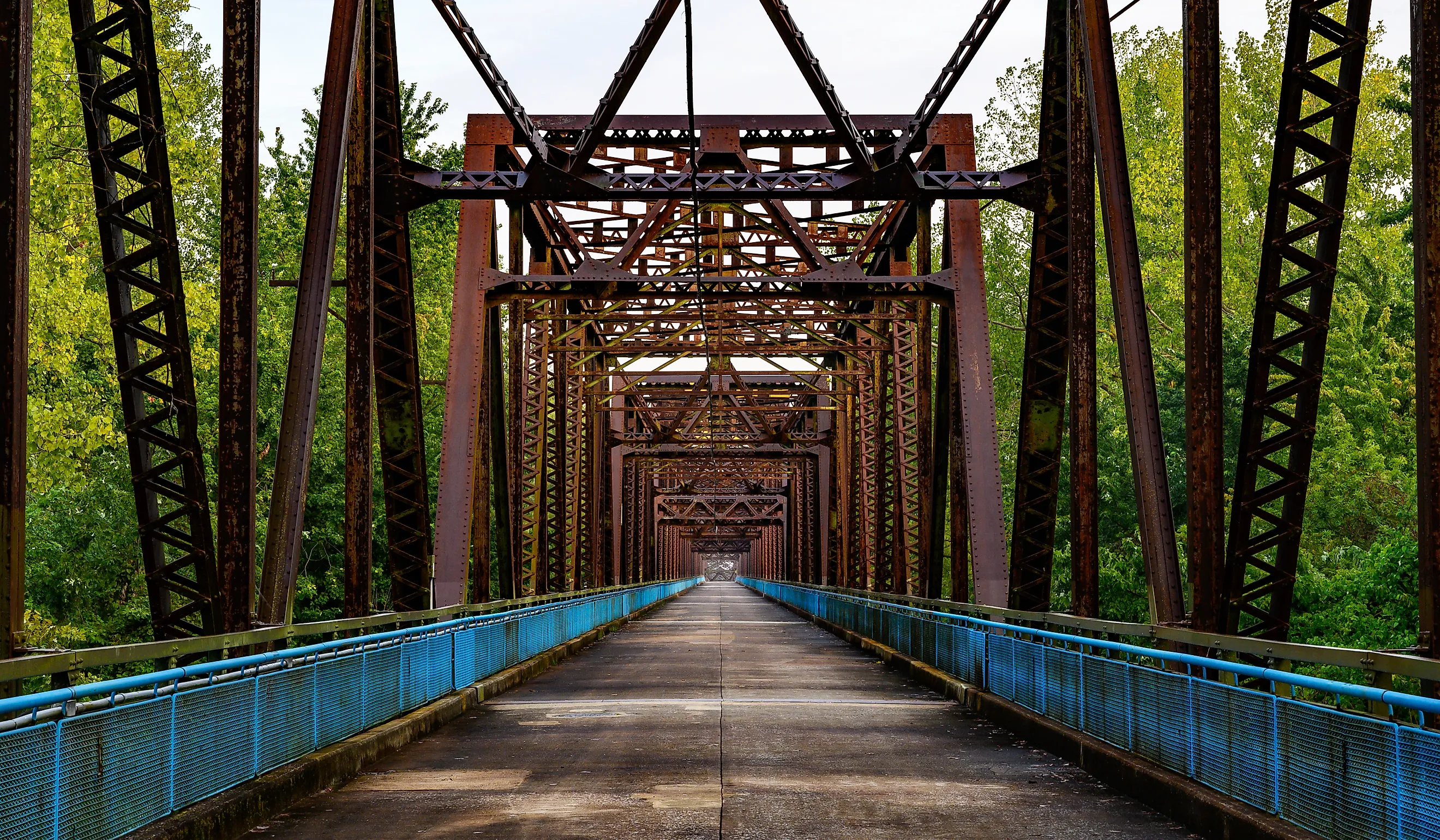
This bridge near the Chain of Rocks area only sees 50,000 vehicles cross its four-lane deck daily, but a very high 17 percent of those are freight trucks. Completed in 1966, this steel continuous truss structure spans the Mississippi River to connect St. Louis, Missouri, to Madison County, Illinois. The bridge has suffered from decades of patch-and-repair work on its expansion joints, pin-and-link systems, and structural steel. Eventually, engineers threw in the towel on trying to keep the bridge safe, and a new $496-million replacement is currently under construction that will feature six lanes of traffic, wider shoulders, and improved safety.
Bridging the Funding Gaps
There are about 45,000 bridges nationwide rated as in poor condition by the FHWA, with an estimated repair backlog costing about $125 billion. Paying for multi-million and multi-billion dollar bridges requires a complex puzzle of layered funding. Transportation departments rarely fund a project from a single account, having to instead stack multiple funding envelopes to foot the enormous bills. Some bridges, like the Verrazzano-Narrows Bridge, use tolls to help pay for upkeep, like the $249-million main cable repair, without having to rely purely on taxpayer dollars. While millions of people pass over these bridges every day, enjoying the view as they cross the span, what they don't see is the massive amount of work and money required to keep them safe from an unthinkable collapse.