9 Best Natural Wonders To Visit In Queensland This Year
The Great Barrier Reef is still Queensland's crowning glory in 2026. More than 2 million people visit it every year. People also flock to The Whitsundays and to places like the Daintree Rainforest. That forest is one of the oldest surviving tropical rainforests on the planet. Other major attractions include the Undara Lava Tubes and the revered Boodjamulla National Park.
The Great Barrier Reef

The under-threat Great Barrier Reef is home to the largest collection of coral reefs on Earth, 400 types in total. Snorkelers can also see around 1,500 species of fish and around 4,000 types of mollusk here. Animals that live in and around the reef include sharks, dolphins, sea snakes, crocodiles, and turtles. The reef's ecosystem was designated as a World Heritage Site in 1981. This ecosystem also comprises more than 3,000 reef systems and is dotted with hundreds of tropical islands. The reef is one of the seven wonders of the natural world and is so large that it is visible from space. Unfortunately, the Great Barrier Reef is under threat from climate change, which is causing rising sea temperatures. This is causing coral bleaching, which has already affected more than one-third of the reef. Other threats include storms, chemical pollution, and overfishing. While scientists are figuring out how to slow down the damage, visitors to the reef can also do their part. Those who visit during the summer can wear reef-safe sunscreen and avoid using plastic bottles and containers. Visitors are also asked not to stand on the corals while snorkeling or diving and to dispose of rubbish in the designated bins. If everyone sticks to the rules and takes responsibility, the Great Barrier Reef will remain a magnificent destination to visit, especially during winter, when the weather is drier, or between September and November, when the seas are calmer.
Whitsunday Islands and Whitehaven Beach

The Whitsundays feature 74 islands at the heart of the Great Barrier Reef. The islands are part of the Cumberland Group Islands. Thirty-two of them form the Whitsunday Islands National Park, and only eight of them are inhabited. The Whitsundays were once a mountain chain formed by volcanic activity, so the islands are essentially mountain peaks. They were first inhabited by the Ngaro People, who left behind middens and rock art at Nara Inlet and the Ngaro stone quarry. Most visitors depart from Airlie Beach to the most popular of the Whitsunday islands, namely Hayman, Daydream, Whitsunday, and Hamilton. These islands have the necessary infrastructure and offer turquoise waters, cruises, whale watching, and white sand beaches. Whitehaven Beach is the main attraction and also the most photographed beach in the country. This 7-kilometer (4.3-mile) beach sits on Whitsunday Island and is fantastic for swimming and picnicking. Those who want to watch the whales should plan their trip between July and September, while the days around the summer school holidays are typically quieter with fewer crowds.
The Daintree Rainforest

Those who explore Queensland between May and October can take a trip to Australia's largest portion of tropical rainforest, the Daintree Rainforest. These months offer the best temperatures for hiking and seeing local wildlife. The forest is a UNESCO World Heritage Site and forms part of the Wet Tropics Region, which all falls within Daintree National Park. The forest also sits along some of the beaches that provide access to the Great Barrier Reef. Scientists believe that the Daintree housed some of the closest relatives of Australia's mammals and marsupials. At the same time, the wet tropics region continues to yield information from ancient plant and animal fossils. The first people to inhabit the rainforest were the Kuku Yalanji, who lived there for more than 50,000 years. Today, visitors can go bird-watching in the forest to see the rare Southern Cassowary or try to spot the Musky Rat Kangaroo. Other things to do include walking the Daintree Fan Palm Boardwalk to see the giant fan palms, ziplining between the canopies, and snorkeling the Outer Great Barrier Reef.
K'gari

Queensland boasts many 'largest' and 'oldest' natural wonders and K'gari in the Great Sandy National Park is no exception. K'gari is not only a thing of great beauty but also the world's largest sand island. It features several areas to explore and was designated a World Heritage Area in 1992. History buffs will find archaeological remains to explore, dating to the time of the Butchulla people. Adventurers tend to gravitate towards Lake Boomanjin, the largest perched lake in the world at nearly 200 hectares (about 490 acres). Boorangoora, or Lake McKenzie, is ideal for picnicking, but since there are dingoes in the area, food and drink are prohibited at the lakeshore itself. Picnics can be held inside the fenced-off areas. Lake Wabby is K'gari's deepest lake, which can be admired from a lookout point. This area is revered by the Butchulla people, and swimming here is not recommended. There are also freshwater turtles to see at Lake Allom, which sits in a rainforest, and stingrays to spot at the Waddy Point headland. K'gari is a lovely destination year-round, but spring is probably the best time to visit, when temperatures are mild and crowds are smaller.
Carnarvon Gorge

Carnarvon Gorge, with its sandstone cliffs and deep gorges, is a major natural wonder and attraction in the central highlands of Queensland, within Carnarvon National Park. Like K'gari, there are plenty of things to see and explore, including the Moss Garden, Amphitheatre, Ward's Canyon, and the Art Gallery. The gorge gets incredibly hot in the summer, so the best time to visit is from late fall through winter. The Moss Garden is accessible via the second side track of the Main Gorge Walking Track and features a small waterfall and dense ferns. The Amphitheatre sits within the gorge walls and is a 60-meter (200-foot) cavern reached via a series of metal stairs. From here, the start of the walk to Ward's Canyon is 900 meters away and continues 270 meters to the canyon. The world's largest fern, the king fern, grows at the canyon, and there is also a waterfall to see here. The Art Gallery trail is around 800 meters further, and the attraction itself features around 2,000 paintings and engravings created by the Bidjara and Karingbal People. Other attractions at Carnarvon Gorge include the Cathedral Cave, which features more rock art, and Boowinda Gorge, which is framed by sandstone cliffs.
Undara Lava Tubes

Queensland's Undara Lava Tubes can be explored via guided tour only between May and October. The tubes are part of the longest lava tube cave system on the planet. When it formed nearly 200,000 years ago, the Undara Volcano is believed to have spewed enough lava to fill Sydney Harbour about 3 times. The Archway Explorer Lava Tube Tour takes visitors to the underground tubes where they can walk along boardwalks to view them. There is also a tour that allows visitors to go off-road scrambling. Many visitors prefer the Wildlife at Sunset Tour when microbats fly out of the caves in their thousands. The tubes sit in Undara Volcanic National Park where there are also several walking trails to enjoy. The Kalkani Crater Rim Walk offers the chance to see the Milky Way at night, while the Atkinsons Lookout Trail is great for views.
Wallaman Falls

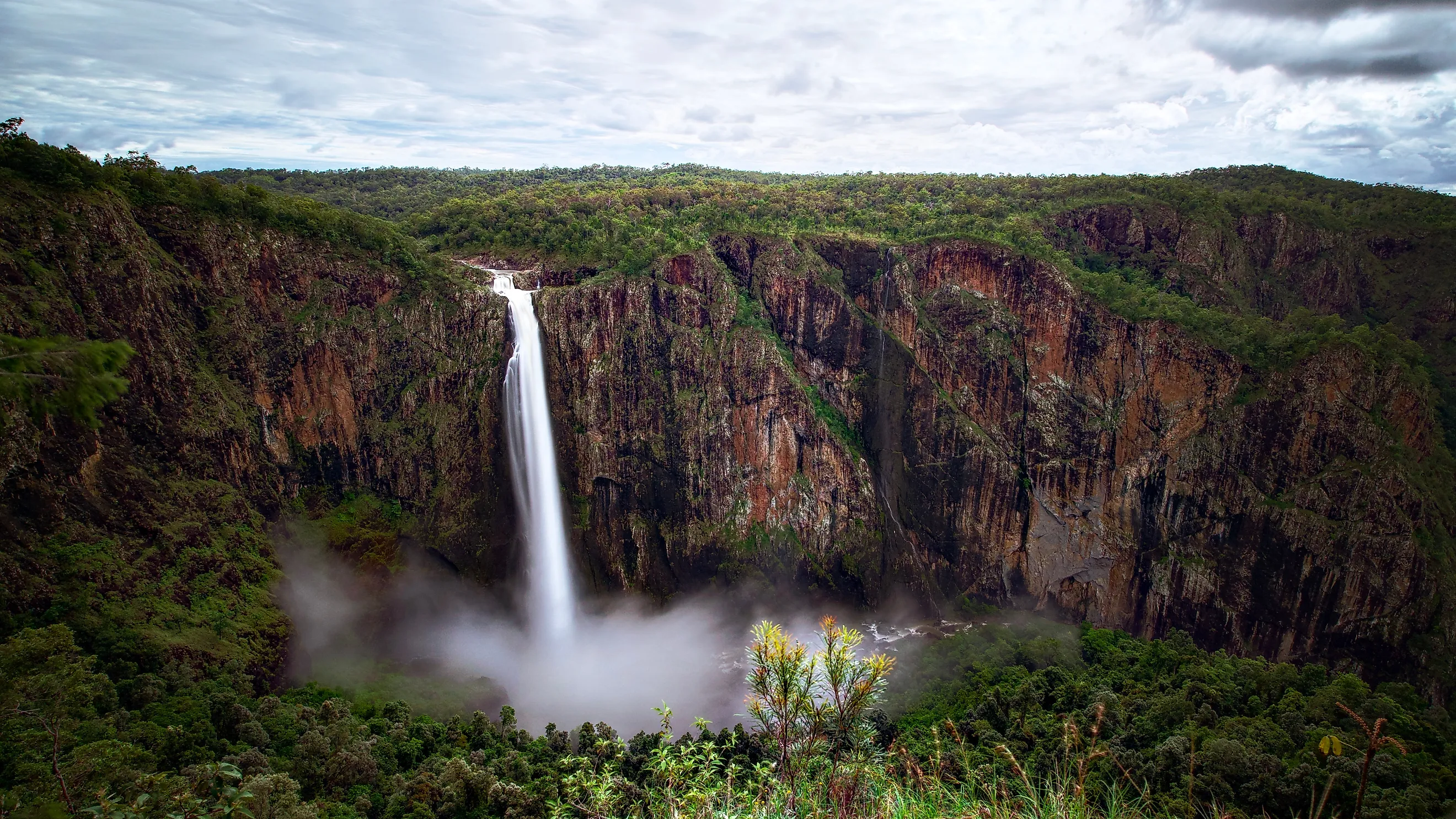
Girringun National Park features Australia's highest single-drop waterfall. The Wallaman Falls drop 268 meters (879 feet) in a single cascade and sometimes sport a mist cloud in rainbow colors. The best way to take in the falls is to stand on the designated lookout point. From here, visitors can take the Djyinda walk to the Herbert River Valley Lookout. This lookout overlooks the gorge and river valley. The Djyinda walk also extends to the base of the falls, but this section is best suited to experienced hikers. On the way back from the falls, along the Banggurru walk, visitors can see the rainforest where it meets the edge of Stony Creek. Those who want to stay overnight can pitch a tent in the overnight camp at the Wallaman Falls camping site. It is advised to visit Wallaman Falls between April and September for the best weather and good track conditions.
Lamington National Park

There are two adventures to consider when visiting Lamington National Park on Queensland's Gold Coast. One heads to the Green Mountains, and the other is known as the Binna Burra section. The Green Mountains adventure includes the Centenary Track, which is an easy 30-minute hike that also offers access to Morans Falls and Python Rock. The Morans Falls Track is slightly more challenging, running in a 4.4-kilometer (2.7-mile) return loop past Morans Falls and through the forest. Along the 11-kilometer (6.8-mile) Box Forest Circuit, the Elabana Falls await. Binna Burra offers the Coomera Circuit, a 17.4-kilometer (10.8-mile) loop that crosses the Coomera River more than once, offers great views, and winds through the rainforest. The Border Track is even longer, 21.4 kilometers (13.3 miles) between Binna Burra and Green Mountains. And the best of them all is the Gold Coast Hinterland Great Walk, which is 54 kilometers (33.6 miles) long and links the national parks of Lamington and Springbrook. Lamington also offers the chance to see lots of wildlife, including the bowerbird and the Albert's lyrebird. Visitors can glamp throughout their trip, thanks to the Nightfall Camp located in the park's Scenic Rim. The ideal times to explore Lamington National Park are in fall or winter, between April and September.
Boodjamulla National Park

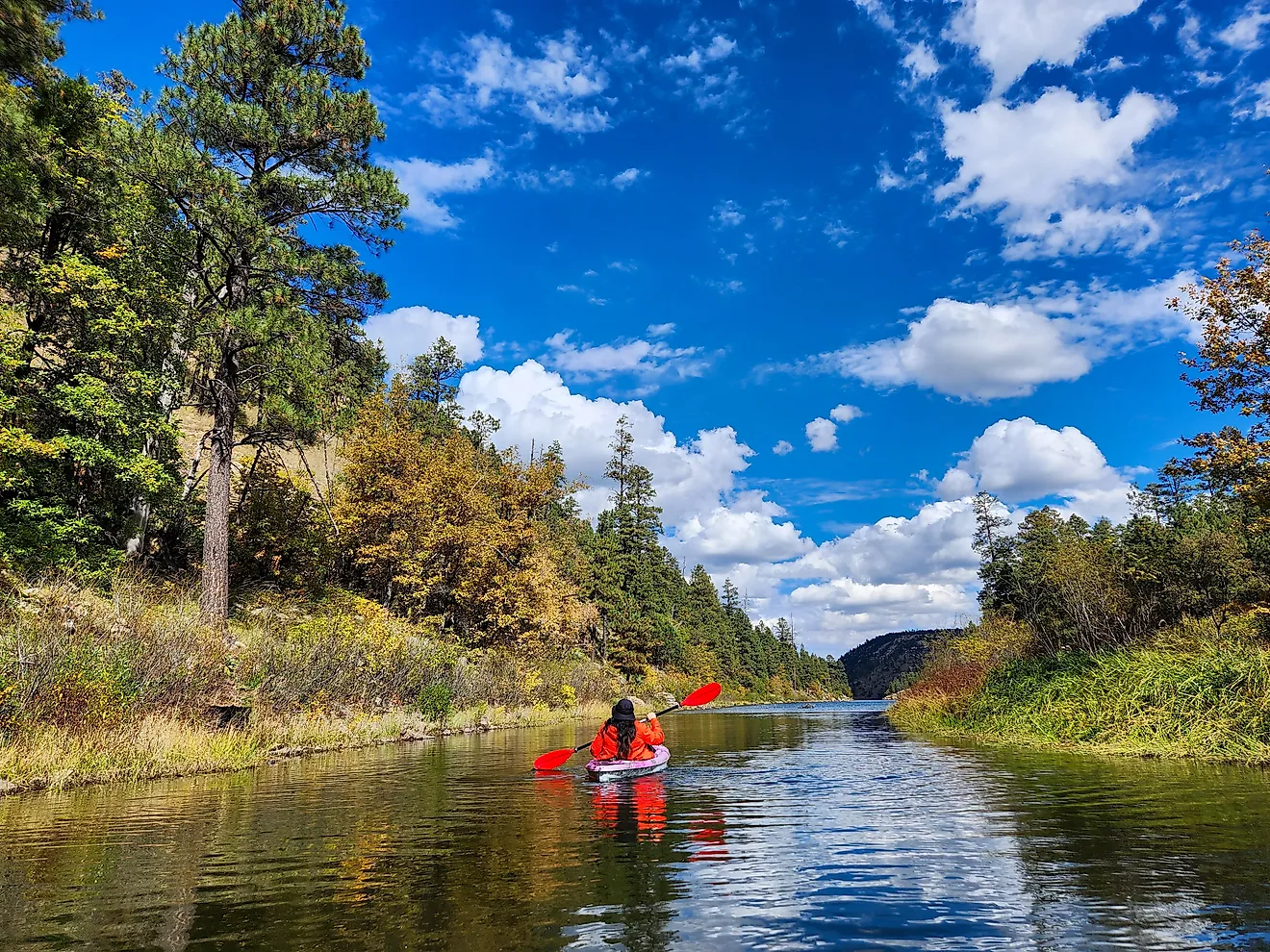
The deep colors of the water and the gorges are the first thing people see when they enter the sacred Boodjamulla National Park. The gorges consist of red sandstone, and they tower beside waters that are a sparkly emerald green. There are cultural walking tracks to explore, and it is also possible to canoe paddle through the gorge up Lawn Hill Creek. Ownership of the park has returned to the Waanyi People in three stages, beginning with 79,000 hectares at Parliament House in June 2023 and completing with the final tranche in January 2026, bringing the total past 247,000 hectares. The Waanyi Native Title Aboriginal Corporation now leases the land back to the State in perpetuity under a cooperative management agreement, and Waanyi occupation of the area has been carbon dated to more than 30,000 years. Visitors will still be able to explore the gorges and waters and keep an eye out for various bird species and freshwater crocodiles. Some of the most popular hiking trails include the 4-kilometer (2.5-mile) Constance Range Walk, which offers sunset views, and the 7-kilometer (4.3-mile) Upper Gorge Walk, which passes the Indarri Falls. A separate section of the park features Riversleigh, which is one of the world's most important fossil sites. The site contains well-preserved remains of prehistoric mammals that inhabited the area millions of years ago. Most visitors who want to hike or paddle visit the park between May and September to make the most of the cooler weather and clearer skies.
Preserving Queensland's Natural Wonders
Seeing Queensland's best natural wonders in person is a wonderful experience. It allows you to swim along coral walls and stand among ancient trees. You get to hike through sandstone gorges and go in search of fossils while admiring rock art. But, as many of these sites face increasing environmental pressure, it is crucial for all visitors to protect them as much as they can. The simplest actions can have the biggest impact, including staying on marked paths, honoring traditions and regulations, and not littering.