7 Rattlesnake Hotspots In The United States
Rattlesnakes are as much feared for their deadly potential as they are revered for their strength and resilience, occupying a wide range of often inhospitable landscapes across the United States. From arid deserts and grasslands to rocky escarpements, forests, and wetlands, as well as agricultural regions and even highly developed residential areas, their distribution is shaped by climate, terrain, availability of prey, and human land use rather than any single environmental factor.
Some of these areas support multiple species living side by side, while others are defined by one dominant rattlesnake specifically adapted to local conditions. Understanding where these slithery predators are most commonly encountered requires looking beyond stereotypes and examining how geography, seasonal behavior, and development patterns influence their presence and visibility, wherever you may be in the country.
Sonoran Desert, Arizona

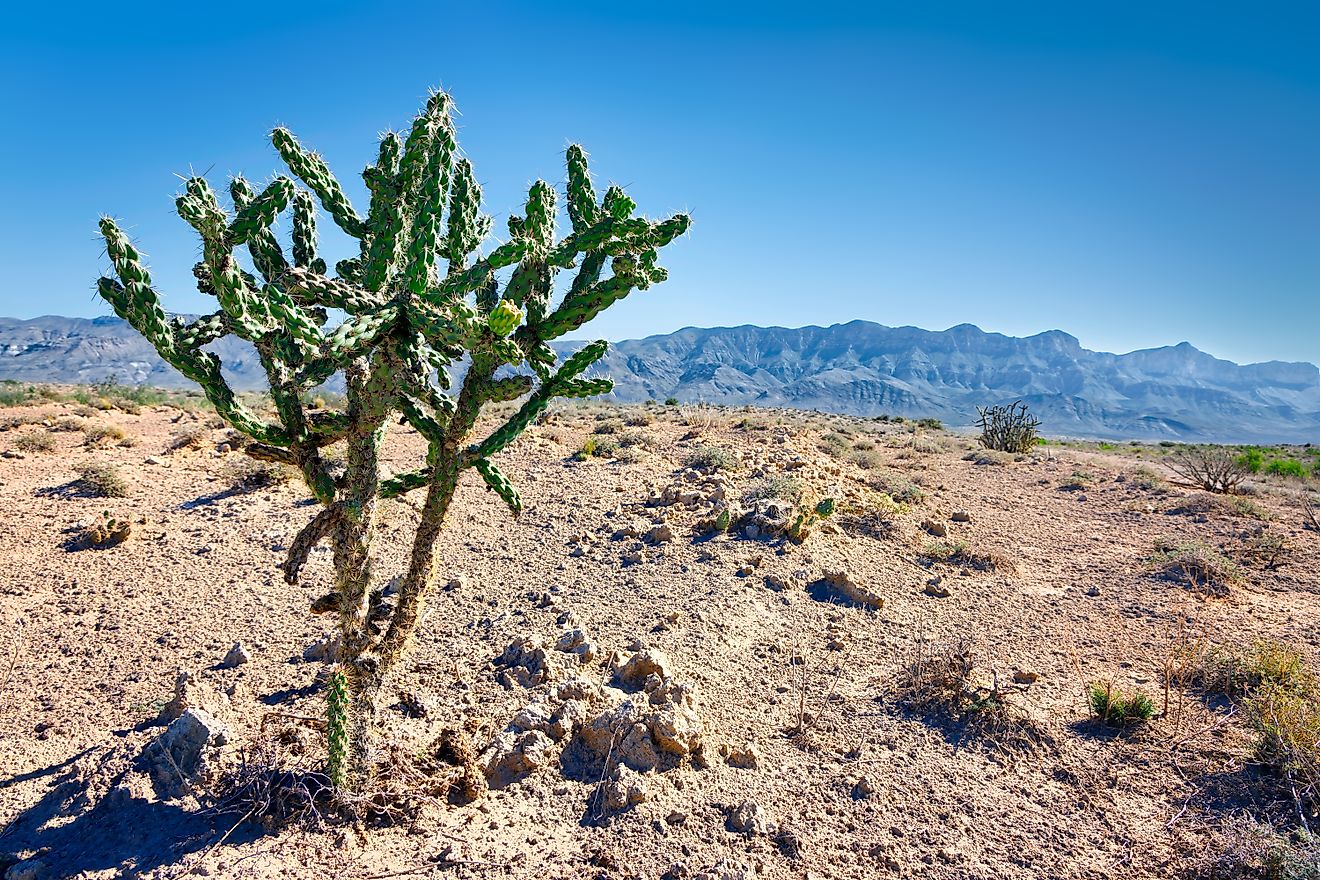
The Sonoran Desert in southern Arizona is one of the country's most well-known hotspots for a wide variety of snakes. This is due to its warm climate, rocky terrain, and year-round availability of prey. In fact, the region supports several species of rattlers alone, like the black-tailed rattlesnake, sidewinder, western diamondback, tiger rattlesnake, and the highly venomous Mojave rattlesnake. These hardy species are commonly spotted near the countless washes and foothills in the desert's more remote stretches, while in suburban edges (close to Phoenix, especially), human development often overlaps native habitat.

With that, popular outdoor destinations around Tucson, Phoenix, and Scottsdale, including hiking trails, golf courses, and desert preserves, sit directly within rattlesnake range. Knowing that, always watch your step while here and do your best to stay on designated paths. Despite their reputation, rattlesnake attacks on people are not all that prevalent in the Sonoran Desert, and are even less likely to be deadly. They do, however, play a critical role in controlling rodent populations, generally avoiding human contact when given space.
Texas Hill Country, Texas

The aptly named Texas Hill Country stands out not just for its rolling landscape in the heart of the Lone Star State, but it is also a major rattlesnake habitat with its limestone outcrops, caves, and meandering creeks that create ideal shelter and hunting grounds for these cold-blooded creatures. State parks such as Enchanted Rock and a swath of ranchlands throughout the area report regular sightings, particularly near water sources during hot months.

The region is home to multiple species, of which the western diamondback rattlesnake is most prevalent, though you may also spot a timber rattlesnake, mottled rock rattlesnake, and black-tailed rattlesnake. Rocky hillsides and dry riverbeds along the Guadalupe River and Pedernales River are common encounter zones. Furthermore, the rapid growth in and around Austin and San Antonio has increased human-snake interactions as housing expands into previously undeveloped land at the edges of Hill Country. While bites are rare, Texas consistently records some of the most robust rattlesnake populations in the country, with lots of habitat overlap in growing cities and towns to match.
Mojave Desert, California & Nevada

The Mojave Desert is well-documented rattlesnake territory, hosting some of the country's most extreme temperatures, sparsest amounts of vegetation, and extensive fields of boulders. This desert regularly sees several species, including the Mojave green rattlesnake, speckled rattlesnake, western diamondback rattlesnake, and sidewinder. Dramatic elevation changes across the Mojave, from below sea level near Death Valley to higher desert plateaus, allow these reptiles to occupy distinct niches in this Southwestern corner of the United States in relative peace.

The sheer heat in the summer means that rattlesnakes here are quite active in the winter months as well. The Mojave is also a major travel corridor, crossed by Interstates 15 and 40, increasing the chance of human encounters near rest stops, state and national parks, and trailheads. Popular destinations such as Joshua Tree National Park and Lake Mead National Recreation Area sit squarely within rattlesnake range. Another thing to keep in mind is that high rodent density around water sources and campgrounds further concentrates snake activity in these areas.
San Joaquin Valley, California

Just outside one of America's biggest metro areas, the San Joaquin Valley hosts a huge number of snakes that love the region's irrigated farmland and long, hot summers. Its role among the most productive agricultural zones in the United States, and right next to the bustling streets of San Francisco, no less, has only intensified snake-human overlap in more recent years. The dominant species here is the western rattlesnake, specifically the Northern Pacific rattlesnake, which thrives along canal banks, field edges, levees, and dry grassland remnants between agricultural parcels.

The area's extensive irrigation and agricultural projects also invite large rodent populations, particularly ground squirrels and gophers, providing a steady food supply. Local rattlesnakes are most active from late spring through early fall, often surfacing during harvest season when machinery and field work disturb cover. Run-ins are common near flood-control channels and undeveloped margins around cities like Bakersfield and Fresno. Despite this heavy development, large tracts of open land and consistently warm nighttime temperatures continue to support stable rattlesnake populations across this central part of the Golden State.
Appalachian Foothills, Georgia

Northern Georgia’s portion of the Appalachian Mountains contains some of the liveliest reptile and amphibian habitats in North America. Dense hardwood forest, exposed ridgelines, and a generally rainy, wet climate sustain notable populations of salamanders, frogs, turtles, and, therefore, snakes. This region is home to timber rattlesnakes and eastern diamondback rattlesnakes, with timbers occupying wooded slopes and ridge tops while eastern diamondbacks are usually found in lower-elevation pine and mixed forests.

Rocky outcrops and abandoned logging roads provide ample denning sites, ones that are used repeatedly year after year as the seasons shift from cold winters to hot and humid summers. Public lands such as Chattahoochee National Forest and the famed Appalachian Trail include large, contiguous habitat blocks that house long-term populations. However, increased recreation over the decades, along with growing residential development along mountain corridors, has raised the number of snake-human interactions in these foothills, particularly near popular trails and forest lines close to neighborhoods.
Cross Timbers, Oklahoma & Texas

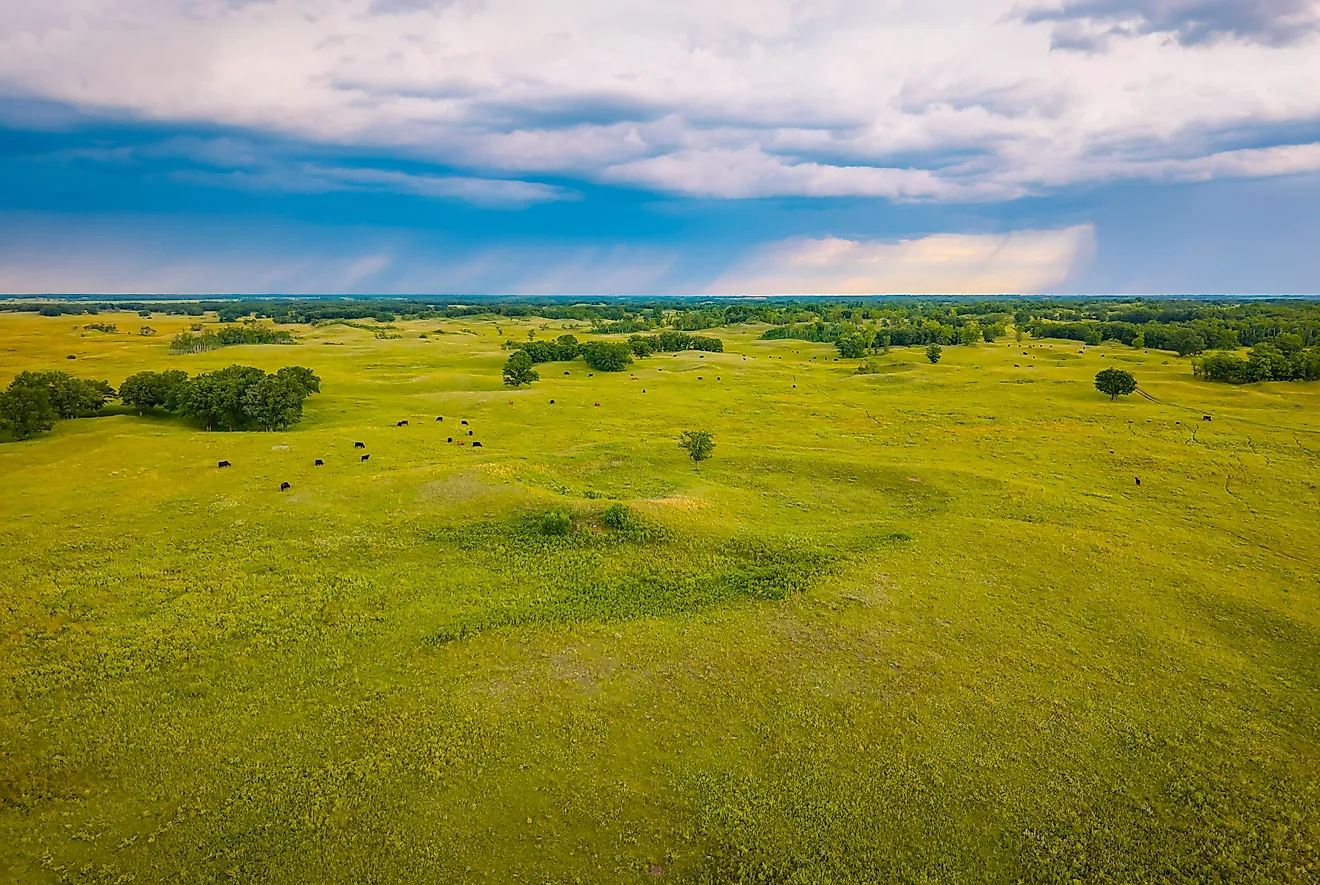
The Cross Timbers region of central/eastern Oklahoma and large swathes of northeastern Texas form a natural transition zone between prairie and woodland, creating many of the right conditions for a multitude of rattlesnake species to thrive and multiply. As is common in the US, western diamondback rattlesnakes are often seen in dry, rocky terrain, while timber rattlesnakes favor wooded ridges and river corridors.

The area’s shallow soils, sandstone outcrops, and abandoned burrows provide reliable shelter, especially near the Cimarron River and Canadian River systems, while seasonally prescribed burns used for land management can temporarily displace snakes, increasing sightings along fence lines and rural roads instead. Ranching dominates this wide, flat region, and cattle tanks and stock ponds attract small prey that rattlesnakes rely on for food. On top of that, the large tracts of privately owned rangeland, combined with relatively low urban density, allow these reclusive critters to persist throughout the Cross Timbers, often unbothered by anything besides the occasional cow or farmer.
Everglades and the Southern Pine Flatwoods, Florida

South Florida features a breadth of snake species throughout its mix of pine woodlands, marshes, swamps, and coastal plains, all of which remain tropical year-round. Two species prevail in this region: the eastern diamondback rattlesnake and the pygmy rattlesnake. Eastern diamondbacks favor dry pine flatwoods, palmetto thickets, and sandy ridges, while pygmy rattlesnakes frequent wetlands, canals, and suburban green spaces. Seasonal flooding in the Everglades concentrates these snakes on elevated ground, increasing sightings along levees, boardwalks, and trail edges during the wet season. Furthermore, extensive canal systems and road embankments provide shelter and basking sites, particularly near agricultural areas south of Lake Okeechobee.

Like a lot of the destinations on this list, rapid urban development, in this case across Miami-Dade, Broward, and Collier counties, has reduced habitat significantly. Regardless, large protected areas such as Everglades National Park and Big Cypress National Preserve do continue to maintain much of what is one of the East Coast's most important ecosystems, drawing the attention of biologists and regular nature enthusiasts from around the world.
Watch Your Step in These Rattlesnake Hotspots
Rattlesnakes, although seemingly randomly distributed across the United States, actually follow a pretty clear pattern of conditions if you know where to look. Deserts, forests, farms, and wetlands each support different species, but an abundance of hiding spots, warmer climates, and small prey can all be found across these otherwise different biomes. During your next outing in any one of these places, be extra careful to watch where you step and place your hands for your own protection, as well as the well-being of this fascinating creature.