6 Snake Hotspots In New England
New England’s cold climate is home to 14 native species inhabit the region’s six northeastern states, including two venomous species. Outside of spring and summer, these colorful, cold blooded critters rely on brumation, surfacing from burrows and rock piles to sunbathe on warm days. In turn, the region’s diverse wetlands, waterways, hillsides, and woodlands allow snakes not only to survive but to flourish. From Rhode Island to Maine, these six snake hotspots in New England offer a mosaic of habitats that support these reptiles. Whenever and wherever you visit next in New England, watch your step in these beautiful places.
Pawtuckaway State Park, New Hampshire

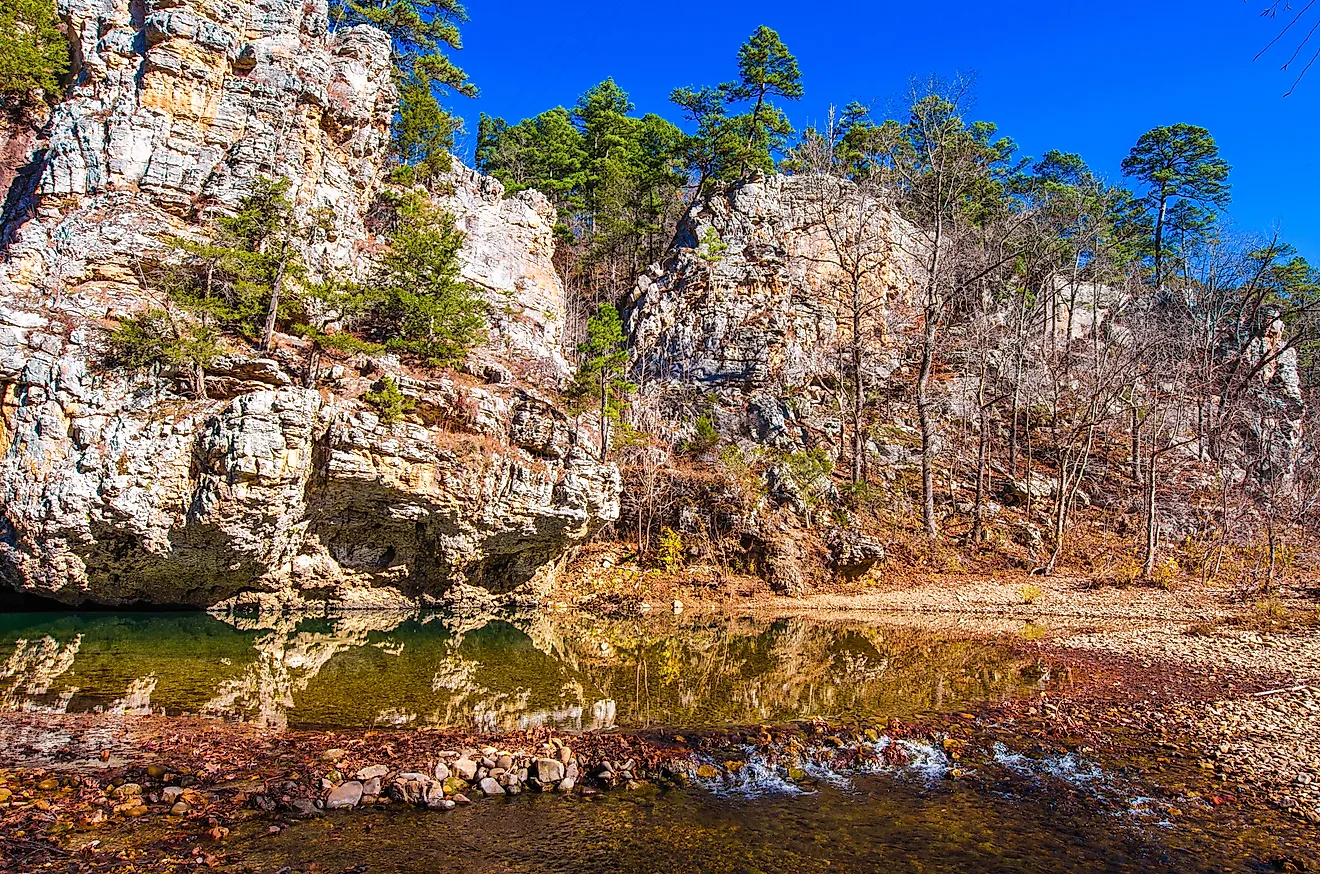
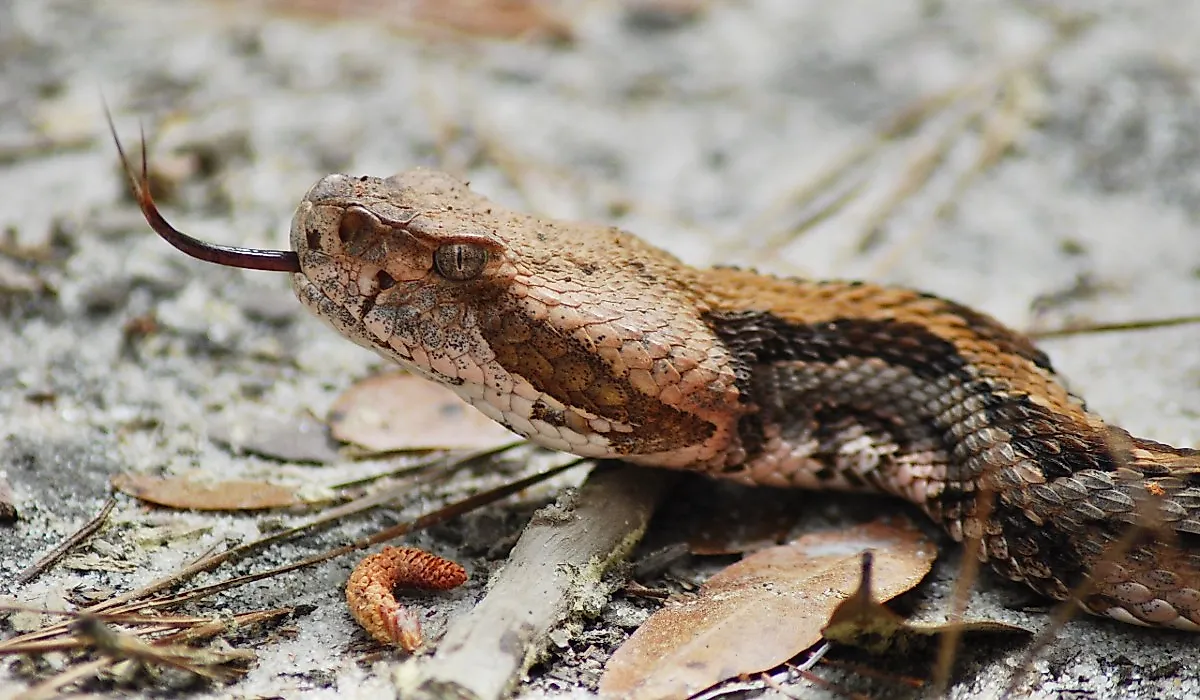
There are 11 species of snake native to New Hampshire, and they can be found slithering through its riparian woodlands, wetlands, lakes, and waterways. In the southeastern part of the state, two species are known to live primarily in Pawtuckaway State Park, including the state’s only venomous species. The timber rattlesnake is critically endangered and shy compared to other rattlesnake species, so encounters are unlikely. Still, due to the snake’s venomous nature, it is critical to be watchful and wary of rattling sounds, especially in wooded areas near water.

Spanning 5,000 acres, Pawtuckaway State Park is anchored by its namesake, Pawtuckaway Lake. Boasting 784 acres of water and a beach that stretches 700 feet, the lake is not only a popular recreation site for humans but also a prominent habitat for the park’s other snake species. Unlike the timber rattlesnake, the northern water snake is non-venomous and has a stable population, meaning they are more frequently spotted by parkgoers. Generally under four feet long, these dark-banded snakes are semi-aquatic, splitting their time between the lake, tree branches, and the water’s edge. Kayakers and hikers are reminded to keep an open eye for them, as the northern water snake can often be seen hunting for fish and amphibians.
Snake Mountain, Vermont

Much like New Hampshire, Vermont is home to 11 native snake species, including its only venomous species, the timber rattlesnake. Based on previous findings, New Hampshire’s timber rattlesnakes are concentrated in Rutland County, yet sightings remain unlikely due to the endangered species’ low population. On the other hand, you are far more likely to spot Vermont’s non-venomous snakes in Addison County, the home of Snake Mountain.

Situated between the towns of Addison and Weybridge, Snake Mountain peaks at 1,287 feet, offering panoramic scenes and sweeping views. Formerly known as Grand View Mountain, the area is now protected by the Snake Mountain Wildlife Management Area (WMA). According to the WMA, common snake species here include the DeKay’s brown snake, eastern milk snake, and common garter snake. Rising and falling through woodlands and wetlands, the 5.5-mile Snake Mountain loop is a common trail to spot these species along ponds, stone ledges, and grassy slopes.
Quabbin Reservoir, Massachusetts

Vast, beautiful, and teeming with wildlife, Quabbin Reservoir is home to nearly all of Massachusetts’s 14 snake species. As the largest inland body of water in the state, the manmade lake boasts a multitude of snake-friendly terrains. Surrounded by forests and hills, these habitats frequently draw red-bellied snakes, ring-necked snakes, eastern milk snakes, and the occasional racer. More commonly, the reservoir’s 181 miles of shoreline attracts semi-aquatic species like eastern garter snakes and northern watersnakes.

Notably, an island in Quabbin Reservoir was once planned to be a colony for the endangered timber rattlesnake. However, this plan was discontinued in 2017, as some residents feared the snake's ability to swim to shore. Today, recreational swimming is prohibited in this major water supplier, but boats can be launched from designated areas. Scenic hiking trails like the Rabbit Run Rail Bed also lead past the water’s edge. In both cases, it’s important to keep an eye out for snakes hunting and travelling near the shoreline or through the lake itself. While you won’t encounter the state’s two venomous snake species at Quabbin, it’s still a good idea to keep a healthy distance.
Acadia National Park, Maine

The timber rattlesnake once lived in the mountains of Western Maine, but the venomous species was likely extirpated before the turn of the 20th century. Today, all of Maine’s nine native snakes are non-venomous, making it safer to explore the wonders of Acadia National Park. Encompassing 47,000 acres, Acadia National Park protects sweeping pine forests and the granite peaks of Cadillac Mountain.

However, Acadia’s ponds and wetlands are among the best places to spot snakes, since they serve as prominent hunting grounds for the park’s reptiles. Throughout the Mount Desert Island region, the most common snake you'll see is the garter snake. Other common species include eastern milksnakes, smooth green snakes, ringneck snakes, and red-bellied snakes. Bear in mind that Acadia welcomes over 4 million visitors annually, and snakes are more likely to emerge in quieter environments. Consequently, waters with less foot traffic, like Snake Pond, offer a greater chance to spot wildlife.
Aquidneck Island, Rhode Island

At least 12 snake species are native to Rhode Island, including the secretive eastern worm snake and the commonly-spotted eastern garter. Like Maine, timber rattlesnakes have long disappeared from Rhode Island, leaving the area free of venomous species for nearly half a century. While stigma causes some people to still fear Rhode Island’s remaining legless reptiles, the snakes here are harmless and extremely beneficial to local ecosystems. In certain areas, they also serve as natural forms of pest control.

Situated in Narragansett Bay, Aquidneck Island is no exception. Three types of snakes are currently known to live on Aquidneck, all of which can be seen in the Sachuest Point National Wildlife Refuge. Located in the Rhode Island community of Middletown, the coastal refuge is home to common garter snakes, Dekay’s brown snakes, and eastern milk snakes. Whether strolling its Ocean View Loop or wandering along its salt marsh, this refuge is one of the best spots to see snakes in New England.
Connecticut River, Connecticut

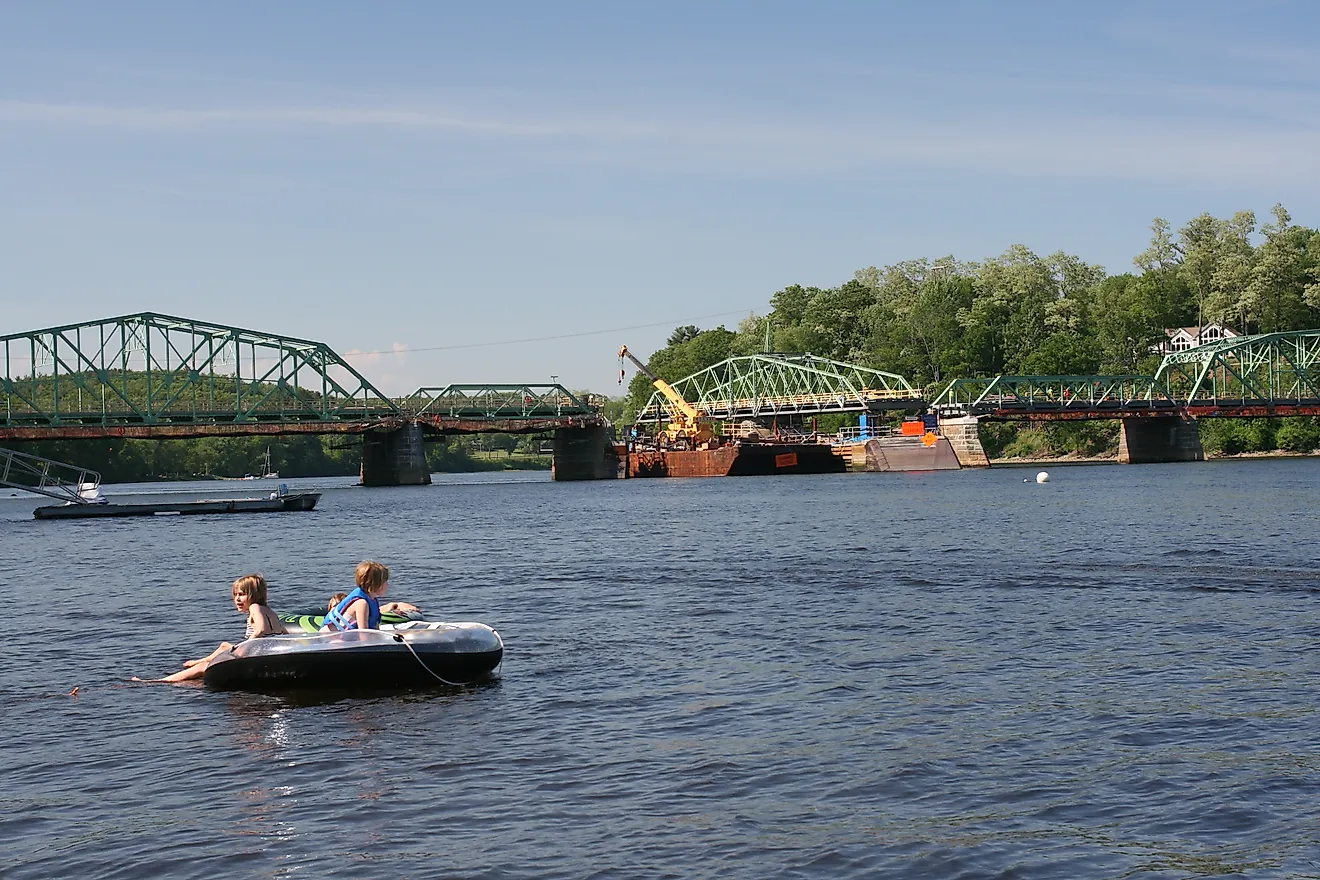
Flowing 410 miles through four states, the Connecticut River is New England’s longest waterway and a haven for Connecticut’s 14 species of snake. Connecticut’s portion of the river stretches about 65 miles, bounded by rural towns, forests, and parks lush with snake habitats. Gillette Castle State Park is a stand-out example, straddling the Connecticut River in the towns of East Haddam and Lyme. While most visit the park for its medieval stone mansion, the wooded waterfront is equally enchanting, attracting common garter snakes, Dekay's brown snakes, and northern watersnakes.

Although the venomous timber rattlesnake is extremely rare in Connecticut, the state’s other venomous snake species is more common. Northern copperheads are active from April through October throughout Connecticut. However, most live on the western side of the Connecticut River in the Central Connecticut Lowland ridges. These ridges are situated in the counties of Hartford, Middlesex, and New Haven, with copperheads mainly drawn to their rocky hillsides and meadow edges near wetlands. Since copperheads often hunt by lying motionless beneath debris, it is important to watch for their hourglass-shaped crossbands and coppery hues.
Discover New England’s Fascinating Snakes
In the United States, snakes remain among the most misunderstood reptiles in the animal kingdom, burdened by a deep-rooted cultural fear. At times, this innate fear can keep us safe from venomous species like New England’s timber rattlesnake and northern copperheads. On the other hand, fearing all snakes only furthers the misconception that they are all aggressive predators.
Many of New England’s non-venomous snakes can be safely admired at a distance, from the docile smooth green snake to the shy and secretive eastern milk snake. As the saying goes, these fascinating creatures are probably more scared of you than you are of them. All in all, New England’s mountains and coastlines tend to draw eyes up and ahead, but these captivating critters are worth looking down for.