10 Storybook Towns In Illinois
Illinois is one of the best states in the country for exploring Frank Lloyd Wright architecture, and its revolutionary and frontier history has left a lasting mark on the landscape and its buildings. In Galena, arguably the most storybook town in the state, the Ulysses S. Grant Home and Belvedere Mansion and Gardens turn a walk through town into a tour of stately 19th-century Illinois. Woodstock, where Groundhog Day was filmed, is home to the Woodstock Opera House and the historic Woodstock Theatre that provide numerous opportunities for catching a show. These destinations show how Illinois’ preserved architecture and layered history create some of the most storybook settings in the Midwest.
Galena

Galena wears its 19th-century history better than almost any town in Illinois. The Ulysses S. Grant Home, perched above the Galena River, preserves the residence presented to Grant after the Civil War. Nearby, the General Store, Gill House Site Workshop, and Crowson House broaden the story around the former president’s neighborhood. Another major address, the Elihu B. Washburne House, recalls the career of the congressman who worked closely with Abraham Lincoln and Ulysses S. Grant. A short walk away, Belvedere Mansion and Gardens, once owned by J. Russell Jones, adds Victorian refinement with formal grounds and period interiors. Brick buildings and prominent names give Galena unusual historical weight.
Woodstock

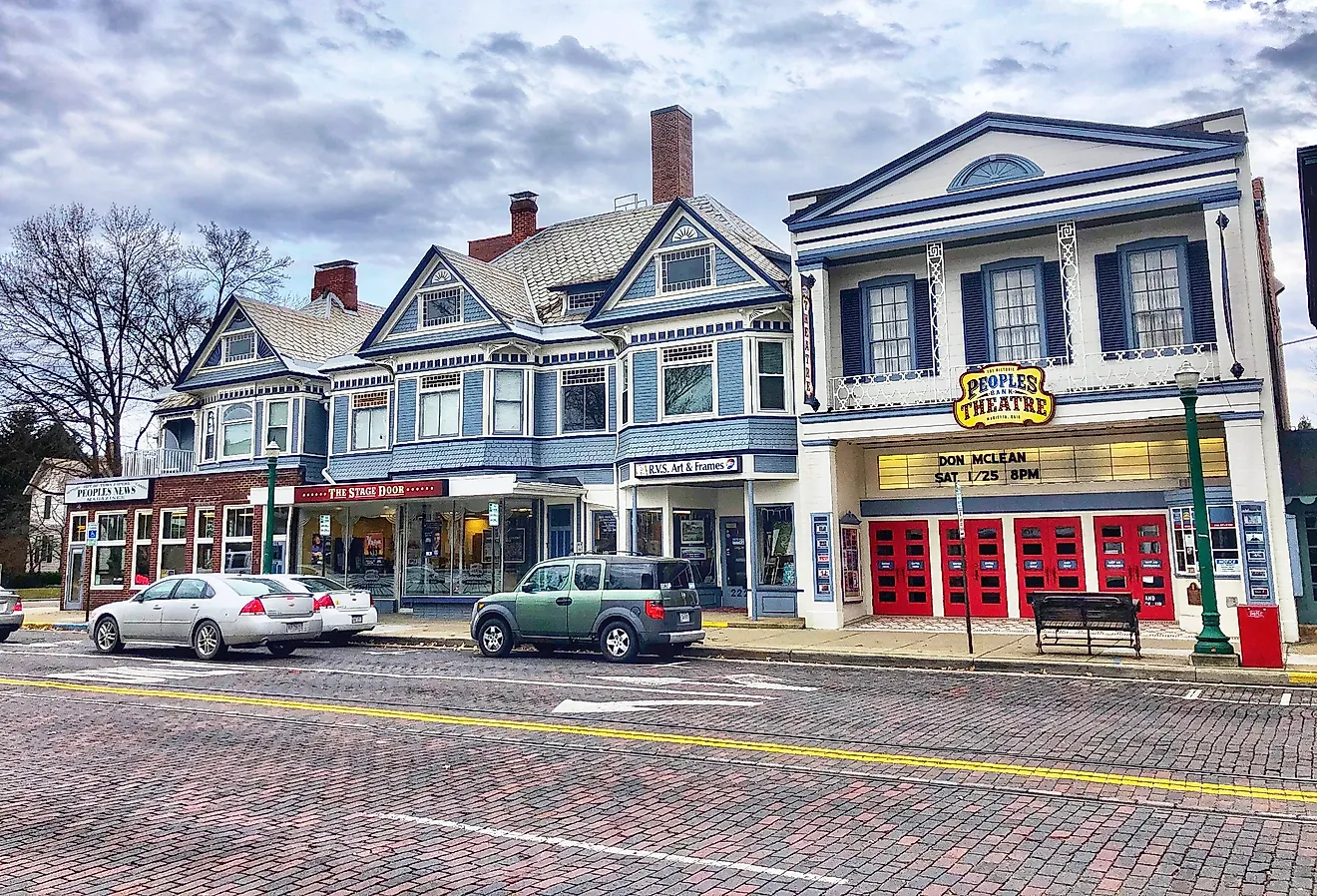
Woodstock is instantly recognizable thanks to its handsome square and film history. Harold Ramis chose the town center as the backdrop for Groundhog Day, and Bill Murray made its gazebo and surrounding streets famous. The ornate Woodstock Opera House has anchored the square since 1890, first serving as a civic building before becoming one of the town’s leading arts venues. Orson Welles also spent part of his youth performing on its stage. Around the corner, the Woodstock Theatre, later operated by Classic Cinemas, continues the entertainment tradition inside a 1927 building first known as the Princess Theatre. Few Illinois towns balance movie fame and architectural charm so naturally.
Ottawa

Few places in Illinois can match Ottawa’s political pedigree. Washington Square hosted the first Lincoln-Douglas debate in 1858, and a monument to Abraham Lincoln and Stephen A. Douglas now marks the spot downtown. Nearby, Reddick Mansion reflects the town’s mid-19th-century prosperity. William Reddick’s 22-room Italianate home still stands as one of Ottawa’s signature landmarks and now welcomes the public as both an event venue and historic attraction. A more sobering chapter unfolds at the Radium Dial Memorial, which honors the workers harmed at the former Luminous Processes, Inc. factory. Between presidential debate history and labor-rights legacy, Ottawa carries more national significance than its size suggests.
Princeton

Princeton links a polished Main Street to one of Illinois’s most important antislavery sites. The Owen Lovejoy House commemorates minister and abolitionist Owen Lovejoy, whose home became a key Underground Railroad refuge. Inside, the concealed area above the stairs reveals how freedom seekers were sheltered. Closer to downtown, the Bureau County Historical Society preserves the former Clark Norris Home, a substantial residence built for philanthropist Samuel Clark in 1900. Next door, the Newell-Bryant House adds another layer of domestic architecture to the campus. Together, these properties create a richer portrait of Princeton, where local history reaches from elegant homes to the moral urgency of the slavery era.
Morris

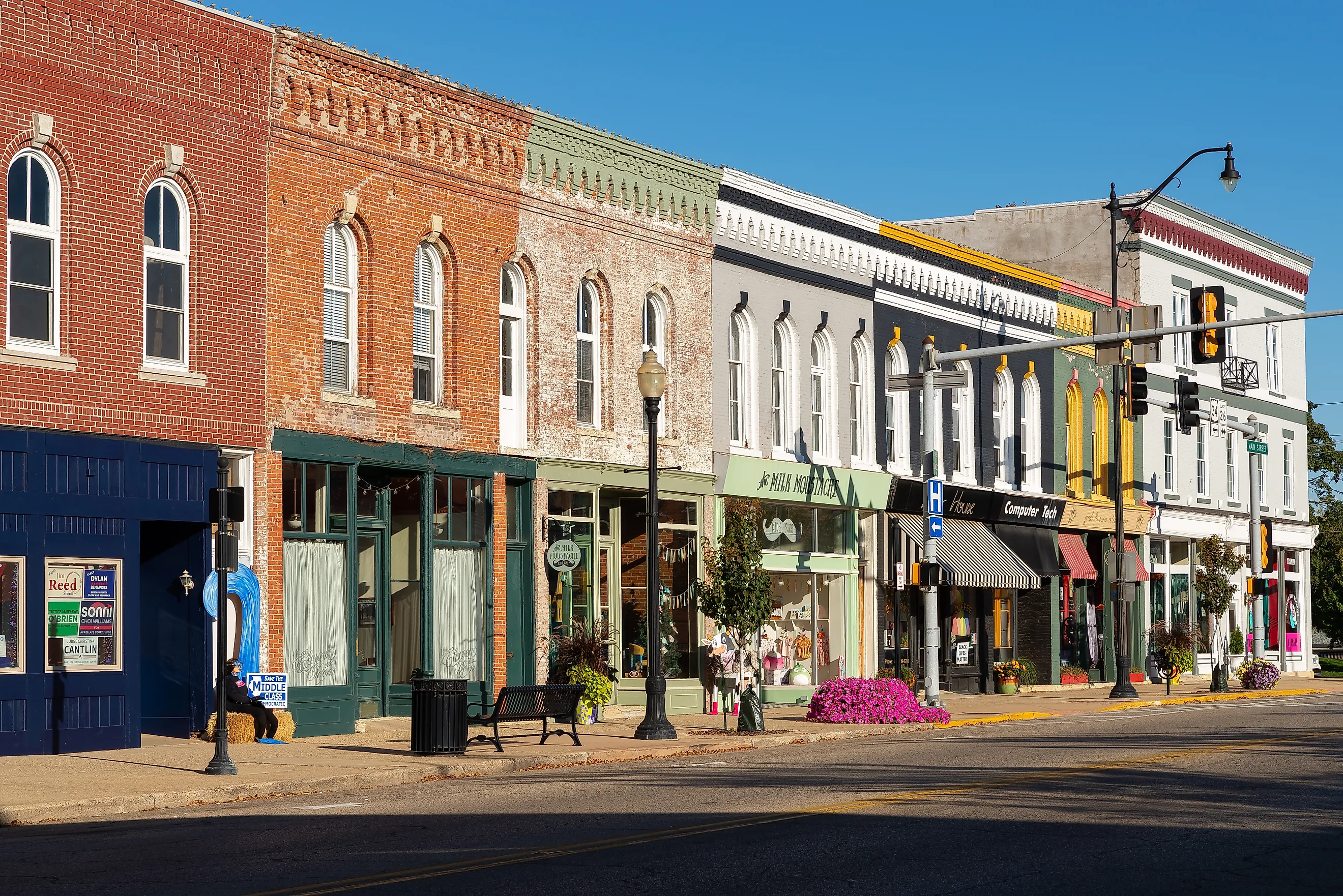
Morris thrives on the strength of its preserved commercial core. The Morris Downtown Commercial Historic District stretches across blocks of older storefronts that still define the town’s identity. Near the Illinois River, the Grundy County Historical Society Museum recreates scenes from everyday life with a schoolroom, parlor, diner booth, tool shed, and general store displays. Beside it, the Illinois and Michigan Canal Trail traces the transportation route that helped shape the region. Back in the center of town, Montage Wine Bar and McBride’s Irish Pub keep historic buildings in active use. Morris succeeds because its museum pieces, canal landscape, and working downtown all reinforce one another.
Utica

Utica makes an excellent base for exploring the Illinois River valley. The route toward Buffalo Rock State Park leads past open scenery and a bison enclosure that surprises first-time visitors. Minutes away, Starved Rock State Park supplies the dramatic headliner with canyons, bluffs, waterfalls, and broad views over the river corridor. Back in town, Mill Street keeps the experience grounded with shops, patios, and easy walkability. The La Salle County Historical Society Museum adds historical depth with regional artifacts, including the carriage associated with Abraham Lincoln’s visit for the Ottawa debate. Outdoor spectacle may draw people to Utica first, but the town’s canal-era character gives the visit staying power.
Dixon

Dixon’s strongest claim to fame begins with Ronald Reagan. Ronald Reagan’s Boyhood Home preserves the modest house where the future president spent part of his youth, offering a direct link to his early life. Nearby, the Northwest Territory Historic Center expands that story through exhibits on Reagan’s family, school years, and Hollywood career. Another landmark, the Dixon Theatre, carries the town’s cultural history forward from the era of vaudeville and silent film into modern live performance. That mix gives Dixon more than a single presidential stop. Instead, the town presents a compact set of attractions that connect politics, entertainment, and local identity within a walkable historic setting.
Savanna

Savanna leans into romance more than most river towns. Havencrest Castle, a Queen Anne mansion completed in 1901, rises above town and supplies the dramatic centerpiece. Later restoration turned the house into a local landmark and helped fuel the love story now associated with it. The Savanna Museum carries the narrative downtown with a walking tour that points out notable buildings and the Train Car Museum. For a change of pace, the Great River Trail opens up scenic recreation near the Mississippi River corridor. Savanna’s appeal comes from how easily its architecture, folklore, and landscape fit together, giving the town a distinct personality rather than a collection of disconnected stops.
Belvidere

Belvidere tells its story through the objects and buildings people once used every day. The Boone County Museum of History spans a broad local timeline, from a mid-19th-century cabin and Civil War campsite to an early Chrysler built at the Belvidere plant. That range helps connect pioneer settlement, wartime experience, and industrial development in one place. The nearby Funderburg House shifts the focus to domestic life, showing how Boone County families lived through furnishings and household items. Rather than relying on a single marquee site, Belvidere builds its appeal through grounded, tangible history. The result feels personal, practical, and closely tied to the community that shaped the town.
Crystal Lake

Crystal Lake pairs cultural preservation with easy access to the water. The Dole Mansion, an Italianate residence dating to 1865, now serves as an arts venue best known for its recurring Fourth Fridays events. Community preservation efforts gave the estate a second life, while artist spaces added a contemporary purpose to its older rooms. Only a short walk away, Crystal Lake Main Beach offers swimming, docks, picnic areas, and a broad sandy shoreline during the warmer season. The Crystal Lake Park District also expands the lakefront experience with sailing lessons. Together, the mansion and beach give Crystal Lake a refreshing contrast between refined architecture and relaxed outdoor recreation.
Each town celebrates its own chapter in Illinois’ storybook. Galena and Dixon preserve and share their presidential history with visitors. Princeton and Ottawa restored and furnished historic homes in their original image so that visitors can reimagine a slice of Midwestern life. Morris and Belvidere recreated entire rooms as exhibits so that visitors can picture historic settings. Not only was Woodstock a filming location, but it also continues to celebrate theater and film in its restored Opera House and Classic Cinemas theater. Both Utica and Crystal Lake invite visitors to experience their picturesque natural settings outdoors. And let’s not forget the fairy tale love story that inspired Havencrest Castle in small-town Savanna. Plan your storybook getaway to one of these lovely towns today!