5 Tick Infested Areas In Wisconsin
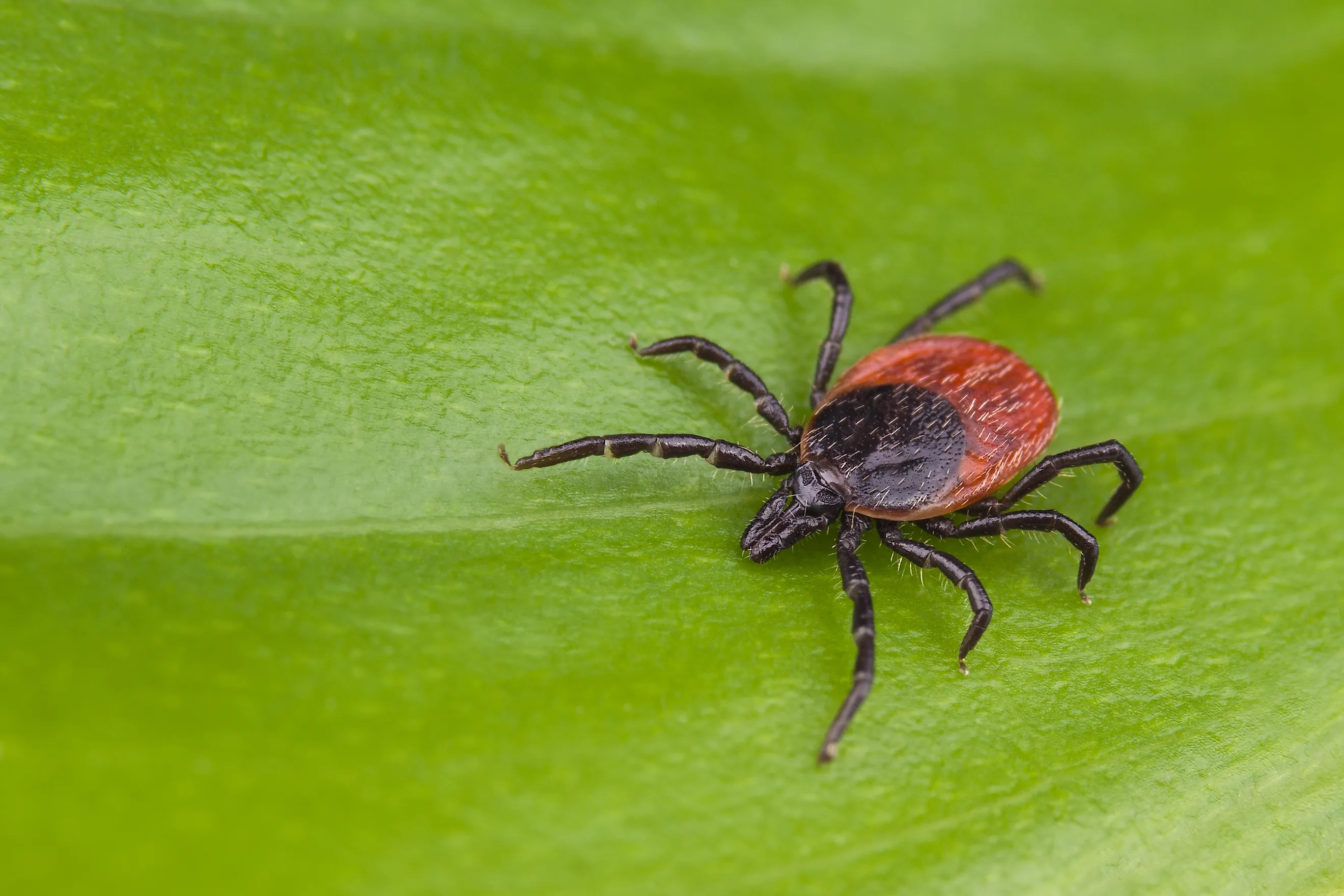
During the last week of May 2026, Wisconsin’s public health region recorded 73 tick bite-associated emergency department visits per 10,000 visits, according to Wisconsin Department of Health Services surveillance data. The state’s main threat comes from blacklegged ticks (Ixodes scapularis), also known as deer ticks, which spread Lyme disease and anaplasmosis and are found throughout Wisconsin.
Reports of Lyme disease in the state have continued to rise, reaching a record 6,469 in 2024, with many of the state’s highest-risk areas concentrated in northern and western counties. These are the areas, such as Chequamegon Bay, Black River State Forest, and Kettle Moraine State Forest, where forests and deer populations create the conditions that ticks rely on.
These are the Wisconsin forests, parks, and recreation areas where ticks are most commonly seen.
Chequamegon-Nicolet National Forest

The Chequamegon-Nicolet National Forest is northern Wisconsin's largest forest system, spanning multiple counties, including Ashland, Bayfield, and Forest. It's also one of the most consistent places for tick activity in Wisconsin. Dense hardwood stands mixed with conifers create thick leaf litter where moisture persists through summer, matching habitat conditions identified by the CDC as ideal for blacklegged tick survival. Young ticks typically develop by feeding on small mammals such as white-footed mice, while adults commonly rely on larger hosts, including white-tailed deer. The latter's population rebound may have contributed to the higher reported tick cases in the region.

The Wisconsin Department of Health Services has repeatedly flagged northern forest counties as established zones for ticks, with Lyme disease cases concentrated in forest-adjacent communities. The region is especially notable because the northern counties also have some of the greatest risk for tick-transmitted anaplasmosis, according to Wisconsin DHS data. Anaplasmosis is a bacterial infection transmitted by the bite of these ticks.
There are over 800 miles of trails in the National Forest that are frequented by hikers, especially during the peak season of tick activity (spring through fall). A hike on popular forest trails, including routes near the North Country National Scenic Trail or the Lakewood-Laona areas, will cross into the wooded-edge habitat where ticks live and wait on vegetation. Be sure to check yourself thoroughly after exploring outside.
Chequamegon Bay

About an hour’s drive from Chequamegon-Nicolet National Forest is Chequamegon Bay on Lake Superior. The Bay and its surrounding forests, including the White River Boreal Forest State Natural Area, Bad River Reservation, and Whittlesey Creek National Wildlife Refuge, span Ashland and Bayfield counties. The two counties are part of Wisconsin’s northern public health region, which recorded the state’s highest tick bite-associated emergency department visit rate during recent surveillance.
The Chequamegon Bay area is home to nearly 40 hiking trails, including 54.5 miles of the North Country National Scenic Trail, one of the longest trails in the U.S. The wetlands, brushy trail edges, and dense ground vegetation that surround these places and others near the bay are the types of environments where blacklegged ticks commonly search for hosts.

Bayfield County has become a focus of tick surveillance and education efforts due to increasing concern about tick-borne illness. The county received a Wisconsin Department of Health Services Taking Action with Data grant to partner with Marshfield Clinic Research Institute on tick collections and testing, including research into the Powassan virus in adult and nymph ticks. The rare but potentially severe tick-borne virus has been documented six times in Bayfield County since 2024, according to the Ashland Daily Press. The virus is most commonly spread through the blacklegged tick. The counties have also reported American dog tick (Dermacentor variabilis) activity and the rare presence of the lone star tick (Amblyomma americanum). However, the latter is still more common in Virginia, Tennessee, and neighboring states.
Black River State Forest

Near Jackson County’s Black River Falls in west-central Wisconsin, Black River State Forest is a different kind of tick environment than the dense northern forests farther east. The 68,000-acre forest is dominated by pine and oak barrens, dry, sandy soils, and open woodland rather than a continuous hardwood canopy, creating a landscape of forest edges, tall grasses, and low vegetation where people frequently move on foot, by bike, or on ATVs. The Wisconsin DNR manages the forest for a mix of recreation and habitat restoration, including areas around Castle Mound and the Black River corridor.

The main concern here is the blacklegged tick; however, American dog ticks are also common in Wisconsin and prefer more open environments such as grassy fields, trails, and woodland edges. They are associated with the spread of Rocky Mountain spotted fever and tularemia to humans and other animals, such as dogs. The mix of forest openings and recreation areas around Black River State Forest creates more opportunities for people to encounter both species.
Jackson County’s location in western Wisconsin places it in a region where tick encounters are documented. There were between 301 and 684 Lyme disease cases per 100,000 residents in Jackson County in 2024, according to the Wisconsin DHS.
Kettle Moraine State Forest

The Northern and Southern Units of Kettle Moraine State Forest represent one of Wisconsin’s clearest examples of tick risk outside the forests of the north. Located between the Milwaukee and Madison areas, there are more than 22,000 acres of glacial terrain, including steep ridges, kettles, oak forests, prairies, wetlands, and sections of the Ice Age National Scenic Trail. The forest's relevance to tick awareness comes from both its habitat and its location. The Kettle Moraine State Forest sits within a heavily populated part of Wisconsin where large natural areas overlap with frequent outdoor recreation.
Waukesha County, which includes part of the Southern Unit of Kettle Moraine State Forest, has been one of Wisconsin’s most significant Lyme disease counties by reported case numbers. The CDC and Wisconsin DHS have also documented the expansion of blacklegged ticks into other parts of the state.
Specific areas inside the Southern Unit of Kettle Moraine State Forest show the range of habitats where visitors may encounter ticks. The Scuppernong Springs Nature Trail near Eagle passes through southern hardwood forest, springs, wetlands, prairie, and the Scuppernong River, creating a mix of shaded and open habitats similar to those where blacklegged ticks search for hosts. Sections of the Ice Age National Scenic Trail bring hikers through similar landscapes in a single outing. Other recreation areas, including the Ottawa Lake Campground and the Southern Unit’s extensive hiking network, bring visitors precisely where ticks may be encountered.
Northern Highland-American Legion State Forest

Blacklegged ticks are the main tick species associated with human disease risk in the Northern Highland-American Legion State Forest area. The 236,000-acre forest spans Vilas, Oneida, and Iron counties in north-central Wisconsin. In 2024, Wisconsin DHS categorized Vilas and Oneida counties among the counties reporting 301-684 Lyme disease cases per 100,000 residents, while Iron County fell into the 22-100 cases per 100,000 category.

The forest’s recreation network creates many opportunities for encounters. The McNaughton Lake Trail near Minocqua loops around McNaughton, Helen, and Hawk lakes, moving through forest roads, lake edges, and wooded terrain. The Bearskin Trail follows an 18-mile former railroad corridor near Minocqua, passing through forest and wetland landscapes. Around Trout Lake, boat landings, campsites, and trails near Cathedral Point Park bring visitors into another section of the forest where wildlife moves through the same connected woodland habitat used by ticks.
Watch For Ticks In Wisconsin
Wisconsin residents can reduce risk by using the state’s tick identification resources through the Department of Health Services, checking themselves and pets after outdoor activity, and watching for symptoms after a bite. Although Lyme disease remains Wisconsin’s most commonly reported tick-borne illness, other infections, including anaplasmosis, babesiosis, and Powassan virus, have also been documented in the state.
DHS provides a Tick Identification Service where residents can submit tick photos for identification, although identification cannot determine whether a tick actually carries disease. Peak caution remains especially important from spring through fall, when blacklegged tick activity is at its highest.