Why Certain Trees Can't Survive Outside Their Home Forest
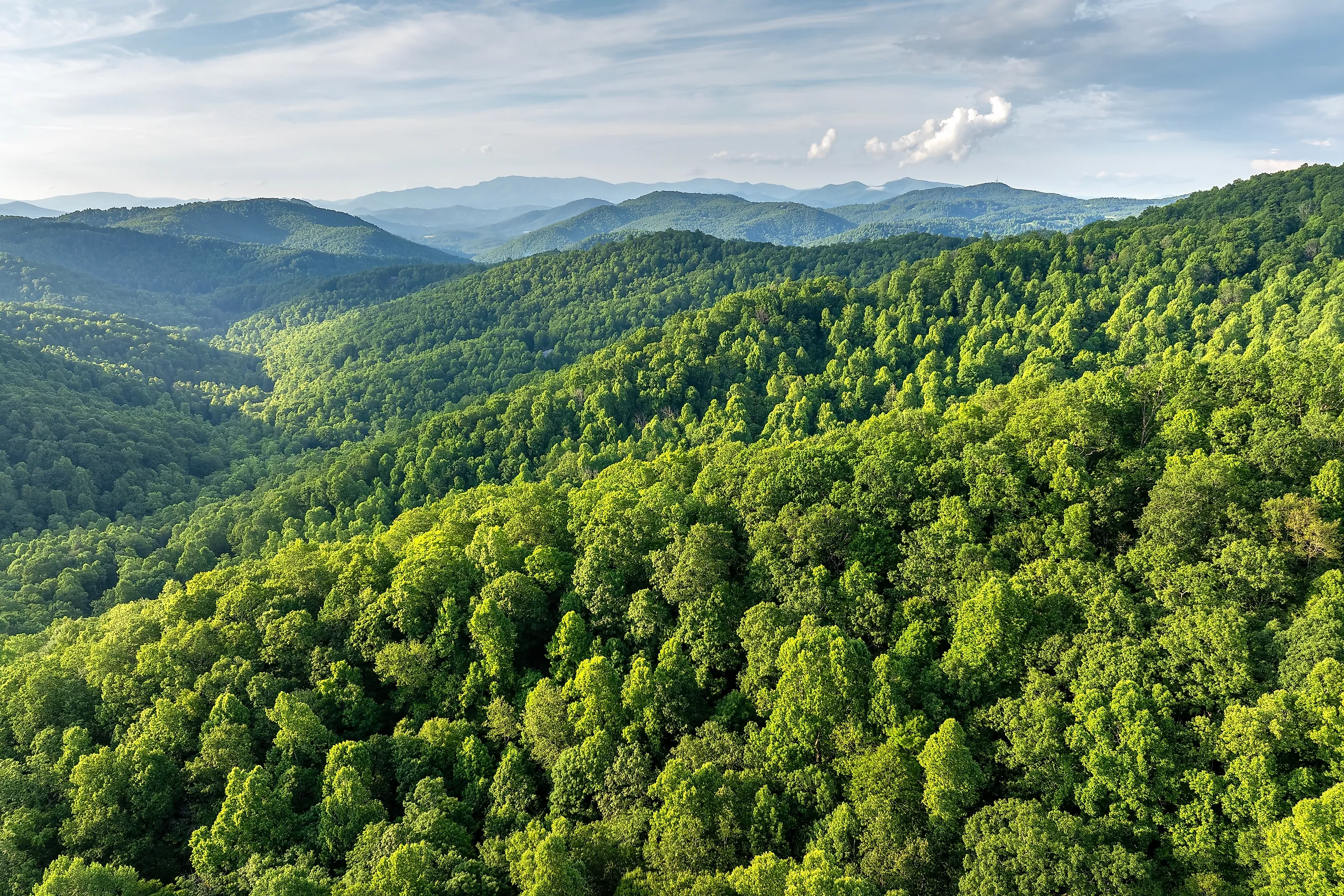
When walking through a forest, it's easy to assume a tree could grow anywhere as long as it has sunlight, water, and soil. In reality, this is not always the case. Many are closely tied to a specific environment where they've evolved, and their survival depends on more than just favorable weather. Forests have closely connected ecosystems where every part plays a role, including the fungi beneath the ground and the neighboring organisms above. When a tree is removed from its only home, it may lose the conditions it depends on to survive.
The World Beneath the Soil

One of the main reasons trees struggle to survive outside their native forests is the soil itself. Tree roots work together with microscopic fungi called mycorrhizae, and these relationships often develop over thousands of years, which are specific to certain regions. Without the right fungi, a transplanted tree may have difficulty finding enough nutrients, even if the soil appears healthy.
The physical makeup of the soil also matters. Every forest has its own balance of sand, clay, minerals, and acidity. A tree adapted to loose, well-drained soil may struggle in dense clay, while one that prefers acidic conditions may not survive in mineral-rich soil. Even small differences in the chemistry can affect root growth and long-term health.
No Tree Stands Alone

A forest is more than a collection of individual trees. Older trees often provide shade that protects young seedlings from intense sunlight, drying winds, and sudden temperature changes. This shelter allows developing trees to establish a healthy root system before they are exposed to harsher conditions.
Beneath the forest floor, there are fungal networks that become partners with many species. The trees give the fungi sugar made from sunlight. In return, the fungi provide water and minerals like nitrogen and phosphorus from the dirt. They even help transmit signals when insects or disease threatens the habitat. Outside of their native communities, transplanted trees may lose some of these natural support systems, making survival more challenging.
Pollinators and Seed Dispersers

Not every tree can reproduce on its own. Some rely on birds, insects, mammals, or even the wind to complete their life cycle. Pollinators transfer pollen between flowers, allowing them to produce healthy seeds, while animals help spread those seeds to new locations for a better chance of growth. These relationships often develop over thousands of years, with attachments to small groups of natives that have adapted alongside them.
When a tree is planted outside its natural habitat, those pollinators or seed dispersers may no longer be around and although the tree might continue to grow, it may fail to reproduce. Without the birds, mammals, insects, or natural conditions that normally carry seeds to new areas, future generations become harder to establish. As time progresses, the tree's ability to maintain a healthy population outside its native forest is limited.
Climate Shapes a Tree's Survival

Climate influences nearly every stage of a tree's life. Native trees are adapted to local weather patterns like temperature, rainfall, humidity, and seasonal change. Over many generations, they have adapted to survive the unique conditions of their native environment.
When these conditions change, trees may struggle to cope. For instance, certain species need a cold winter period to enter dormancy before they can resume growth in the spring. Others are sensitive to freezing temperatures or extended dry spells. A climate that is excessively warm, dry, or wet can put stress on a tree, impairing its growth and ability to reproduce.
The Role of Fire

Throughout history, certain trees have grown in environments where fire helped shape the way they survive and reproduce. They have special traits, like thick bark and deep roots, that help them survive fires. It also benefits them by removing competing plants, enriching the soil, and creating space for new trees to grow. When these trees are moved to environments without regular fire cycles, they often struggle. Fire-dependent seeds may not release without the right triggers, and dense vegetation can take over without periodic burns to maintain balance. Traits that helped a tree survive in its native habitat may become less useful when it is moved to an environment with different conditions.
The Forest Makes the Tree
Although some tree species can adapt to new environments, many cannot simply be moved to a different habitat. Their survival depends on healthy soil, compatible fungi, a suitable climate, and the support of surrounding plants. Forests are more than a collection of individual trees. They are interconnected ecosystems, and protecting them preserves both the species and the relationships that sustain them.