The National Parks With The Deadliest Water
It is a misconception that tragedy only happens to the adrenaline junkie who takes risks when visiting a national park. Every year there are injuries and sometimes deaths that happen not just to the risk takers, but also to those who didn't know a risk was even present. Understanding the risks before you arrive so you don't take unnecessary chances is the best way for your visit to end with positive memories, not sad ones. Let's dive into six national parks with the deadliest water, especially the kind of water you might not expect to be dangerous.
Grand Canyon National Park in Arizona

The Colorado River in the Grand Canyon National Park has two water dangers you might not expect. It has deceptive Class III-V rapids that can take what you thought was going to be a peaceful river float into a turbulent and dangerous experience. The freezing water is another deception. It is not an easy thing to survive if you get tossed into cold (45-55°F) water. Hypothermia is a serious and life-threatening danger if not dealt with promptly. To avoid these problems when you visit this national park, do your homework ahead of time. There are places you can enjoy the water based on your skill level. Never try rapids that you are ill equipped to traverse.
Yosemite National Park in California

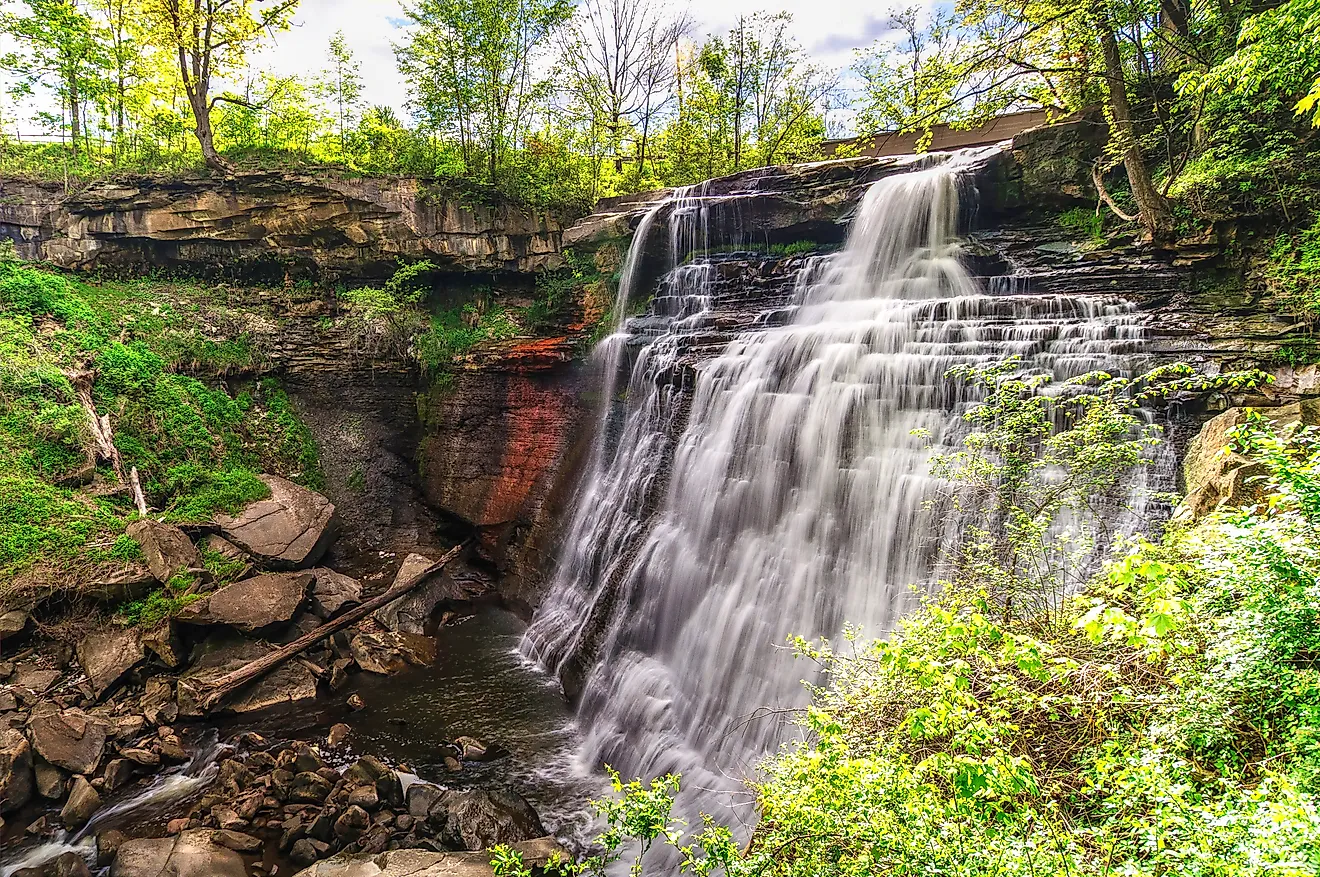
Yosemite National Park has various concerns when it comes to deadly water. It is common to want to enjoy viewing waterfalls, but you need to be careful about the slippery rocks that are often near waterfalls. It is tempting to wade barefoot, but this is not a wise idea, especially near waterfalls. Wear water shoes designed for gripping and remember to walk carefully, planting one foot before moving the next. Also give respect to the fast-moving rivers like the Merced River that can appear deceptively slower than they are. Learn more about any river and its documented undercurrents before you select it and be sure to choose wisely based on your skill level.
Yellowstone National Park

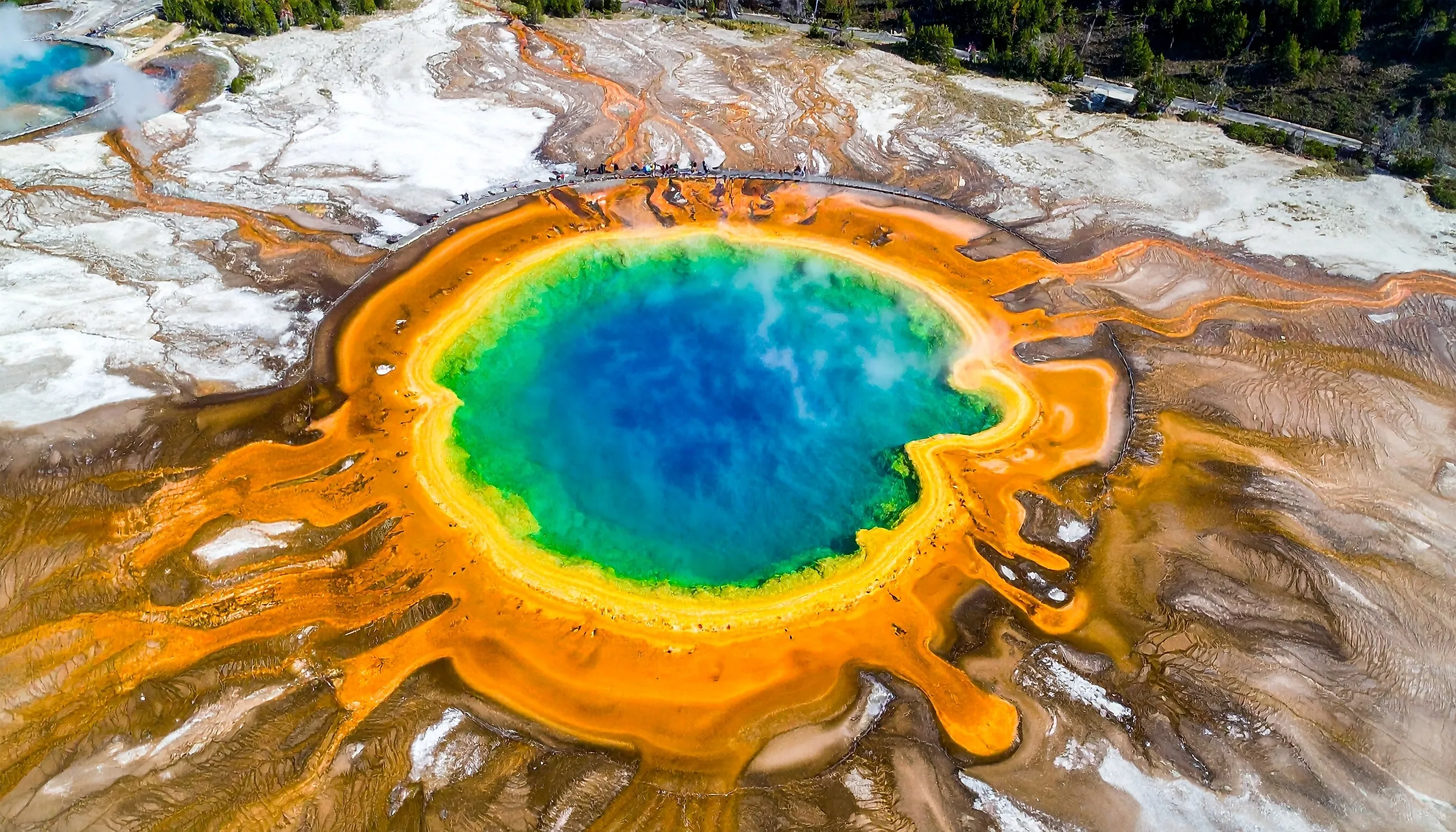
Sometimes deadly water has to do directly with extremes. Sometimes it is freezing lakes, while other times it is hydrothermal hot springs that are dangerous, acidic, and boiling (180-200°F). You'll find both of these in Yellowstone National Park so be sure to follow instructions to steer clear of dangerous areas. Don't assume that you can do the same thing you did on the last trip as hydrothermal conditions can change. Don't risk your life because you failed to learn the current conditions.
Glacier National Park in Montana

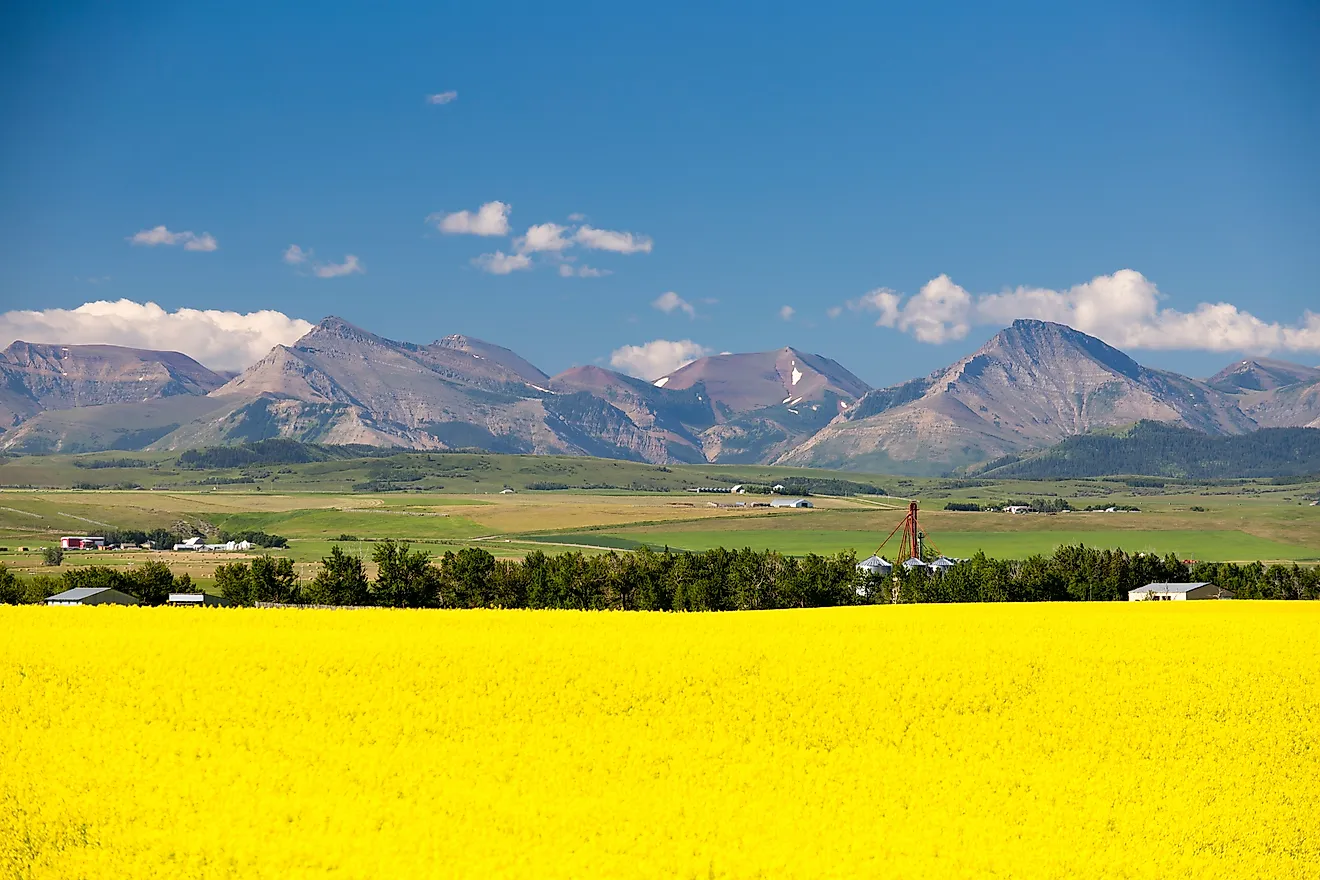
The lakes and streams in Glacier National Park are glacier-fed, hence the name for this Montana national park. This means that they are extremely cold and often have very swift currents. Because they are so cold, falling into or choosing to enter them puts you at high risk for sudden hypothermia. This means zero warning that you're in serious danger with very little time to counter the life-threatening effects. Choosing to take part in any water activity must come with the knowledge and acceptance of this risk. Only those with proper training and appropriate equipment should take on these waters. Others should enjoy the scenery and fishing from the safety of the river banks.
Virgin Islands National Park in US Virgin Islands

One envisions beautiful water when considering visiting Virgin Islands National Park. What they don't always recognize is that snorkeling and swimming accidents can occur. You are not in the water alone and not everything you're swimming or snorkeling with is friendly. It is also easy to misjudge how far you've traveled away from shore and not leave enough energy to return safely. The key to safely enjoying the water in this national park is to be hypervigilant about your surroundings and your endurance level. The difference between safe water and deadly water is often paying attention and not overestimating your abilities.
Sequoia National Park in California

The Kaweah River in Sequoia National Park and the Kings River in the adjacent Kings Canyon National Park are two potentially deadly rivers. Many out-of-state vacationers think of California as all sunshine and warmth, but these two rivers can often experience frigid, swift, and fierce snowmelt currents that can easily sweep wading hikers downstream. Just because a river looks peaceful on the surface doesn't mean a strong current isn't flowing beyond your sight. For safety's sake, take note of the time of year as these rivers are less treacherous when snowmelt is not contributing to the experience.
Keeping a Memorable Trip a Positive One
An experience is said to be memorable whether it was especially exhilarating or terribly bad. To ensure your next visit to a national park is the former instead of the latter, take time to learn about the deadly water characteristics and how to stay safe. Whether you are looking for intense thrills or a peaceful trip, you want to be sure you get the chance to remember it later.