12 Ideal Georgia Destinations for a 3-Day Weekend in 2026
A blue line painted down the middle of a McCaysville street marks the exact spot where Georgia ends and Tennessee begins. Down in Darien, shrimp boats still unload at a working waterfront near the mouth of the Altamaha. On Jekyll Island, weathered oak trunks lie bleached across the sand at Driftwood Beach. Mountains and coast sit only a few hours apart in this state. These twelve small towns each cover a weekend with room to spare.
Blue Ridge

The depot of the Blue Ridge Scenic Railway sits at the center of downtown, where galleries, boutiques, restaurants, and breweries fill a walkable stretch of the North Georgia mountains. The train ranks among the area's signature outings, following the Toccoa River toward McCaysville and Copperhill, Tennessee. In McCaysville, a blue line painted across the pavement marks the Georgia-Tennessee border, and you can stand with one foot in each state.
Outdoor options are just as strong. The surrounding Chattahoochee National Forest covers more than 100,000 acres in this part of the state, threaded with hiking trails, waterfalls, and stretches of river for paddling and fishing. Lake Blue Ridge adds boating, fishing, and swimming a short drive from town.
Lodging runs from mountain cabins to downtown hotels. Travelers who want to leave the car parked and walk to the shops often pick the Blue Ridge Inn Bed and Breakfast, a few steps from the depot. Those after more privacy can rent one of the many cabins set back in the surrounding woods.
Dahlonega

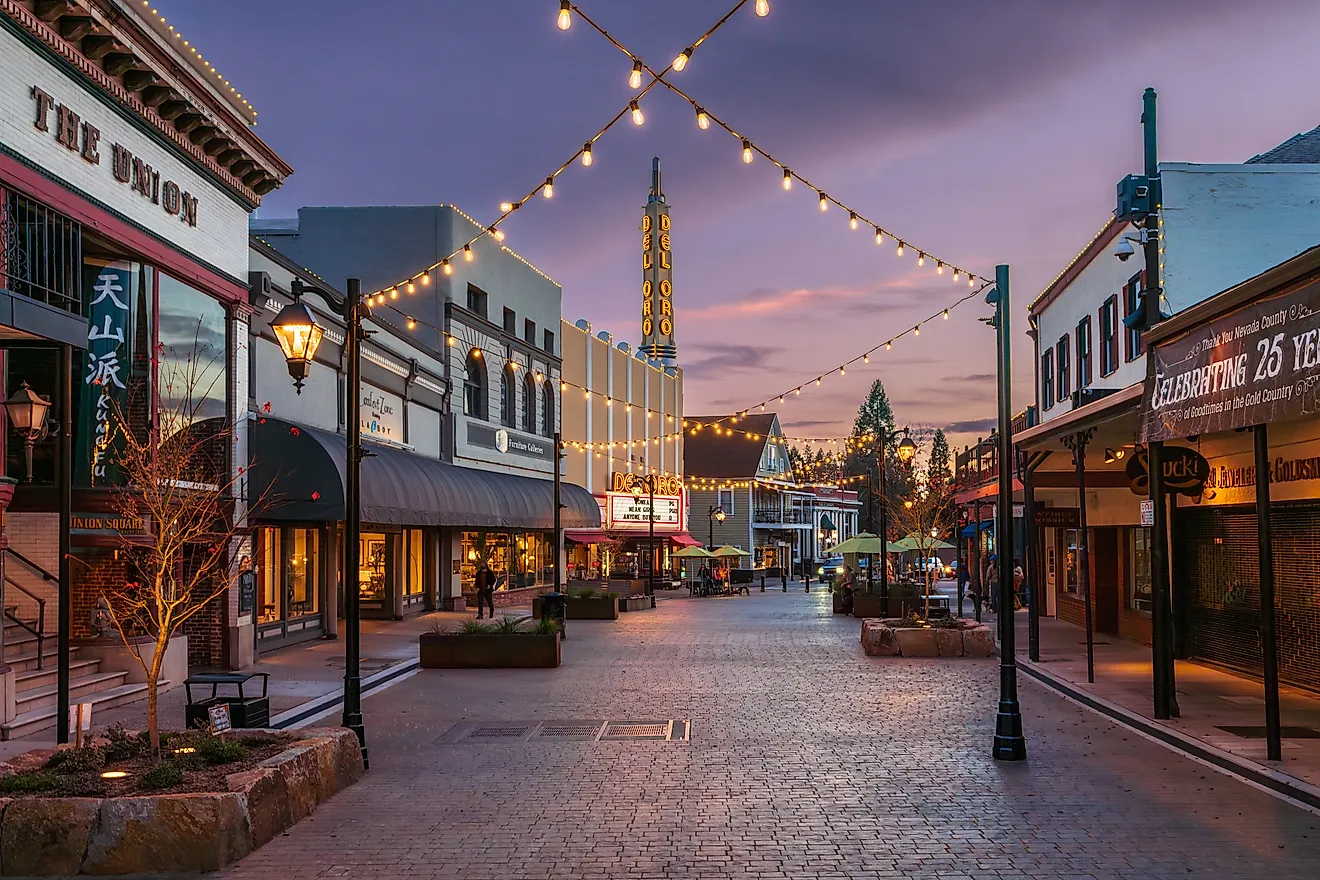
The state's first major gold rush began around Dahlonega in 1828, and the old courthouse at the center of the square now holds the Dahlonega Gold Museum. That history sits alongside a second draw: the town is the center of North Georgia wine country. Both sit within a short walk of the same square, which makes for an unusually varied weekend.
Brick sidewalks ring the square, lined with independent shops, galleries, restaurants, and tasting rooms in 19th-century buildings. At The Consolidated Gold Mine, guided tours head underground into the tunnels of a former working mine and walk through the techniques miners used beneath the town. Crisson Gold Mine lets you pan for gold and gemstones and shows the equipment once used to crush ore.
The vineyards make a natural change of pace. Wolf Mountain Vineyards & Winery and Kaya Vineyard & Winery rank among the area's wine stops, and the mountain roads between them are part of the appeal. A waterfall hike in the nearby Chattahoochee National Forest, which reaches across much of Lumpkin County, rounds out a day.
For lodging, the Dahlonega Square Hotel stands just off the central square, an easy walk to restaurants, shops, and the Gold Museum. Mountain Laurel Creek Inn & Spa occupies a quieter mountain setting, with rooms, a cottage, and a spa on site.
Helen

Merchants and town planners remade Helen in the 1960s with an Alpine look, and the result stands out sharply in the North Georgia mountains. Bavarian-inspired buildings, flower boxes, and painted storefronts run along the Chattahoochee River, giving this small mountain town an appearance that surprises first-time visitors.
The setting does much of the work here. In the warmer months, tubing down the Chattahoochee is close to a local rite of passage. Trails climb into the surrounding mountains, with Anna Ruby Falls and Unicoi State Park among the bigger draws.
The nearby Sautee Nacoochee area adds more to a visit, with Native American heritage at the Sautee Nacoochee Center and the well-known Nacoochee Indian Mound. Vineyards are scattered across the surrounding countryside for anyone who wants to add a tasting.
Back in town, save time for German food, bakeries, specialty shops, and the festivals that run through the year. Oktoberfest is the best-known celebration, though the Alpine atmosphere holds up in every season.
For a place to stay, the Helendorf River Inn, Suites & Conference Center puts guests directly beside the Chattahoochee and within walking distance of downtown. The Heidi Motel is another distinctive pick, recognizable by its windmill and central location.
Madison

Tree-lined streets full of grand homes, gardens, and preserved buildings make Madison a favorite for travelers who count architecture as part of the trip. The town survived the Civil War largely intact, and its downtown carries more than two centuries of Georgia building styles.
The best way in is on foot. Staff at the Welcome Center hand out an audio or written self-guided walking tour through the homes, churches, and downtown storefronts around the town center. Along the route stands the Madison-Morgan Cultural Center, set in a restored 1895 school building, where galleries, performances, and exhibits trace the area's artistic and cultural past.
There is more here than architecture. Town Park makes a quiet break from downtown. Just outside town, Hard Labor Creek State Park wraps around Lake Rutledge, where trails, fishing, golf, and water activities fill an afternoon. Independent shops, galleries, and restaurants make the downtown a good place to land after a day outdoors.
For lodging, The Farmhouse Inn suits a weekend escape. The 100-acre farm stay combines gardens, pasture views, and wide porches with the quiet of the countryside. Travelers who want to stay closer to downtown can book the Brady Inn, an 1885 Victorian home a block from the square.
Thomasville

The Big Oak stands at the corner of Monroe and Crawford streets, a live oak estimated at more than three centuries old, its limbs spread across most of a downtown park. Near the Florida border, Thomasville sets that kind of landmark against grand Southern architecture, gardens, and a busy downtown. Independent boutiques, antique stores, restaurants, and galleries crowd the center, and the Thomas County Courthouse stands at its heart.
Gardeners should make time for the Thomasville Rose Garden, where the beds hold well over a thousand rose plantings that color the park during the blooming season. Cherokee Lake Park sits next door, so you can extend the stop with a walk around the lake's one-mile paved trail. For a fuller picture of the community, the Jack Hadley Black History Museum gathers exhibits on the lives and accomplishments of African Americans in Thomasville and Thomas County.
Beyond the city limits, Pebble Hill Plantation preserves one of the grand estates of the Red Hills region, with the main house, gardens, and grounds open to visitors. Farther out, Birdsong Nature Center takes in more than 500 acres of woods, wetlands, fields, and gardens, laced with trails and rich in wildlife.
A convenient base is the Courtyard by Marriott Thomasville Downtown, within walking distance of the central district. For something more intimate, the Thomasville Bed and Breakfast occupies a restored Queen Anne home near downtown. This is also one of Georgia's friendliest small towns.
Milledgeville

Milledgeville served as Georgia's capital from 1804 to 1868, and that long run at the center of state government left it with more history, culture, and outdoor recreation than most small-town getaways can offer. A visitor can fill a long weekend without leaving town.
A trolley tour makes a good start, winding through neighborhoods of grand homes, churches, and public buildings and setting the city's architecture in context. Literature draws its own visitors. Andalusia Farm, the former home of writer Flannery O'Connor, lies just outside town, and the farmhouse, grounds, and outbuildings still stand, marking the rural setting where she spent her final years and wrote some of her best-known work.
The outdoors balances the history. Lake Sinclair spreads across more than 15,000 acres, with room for boating, fishing, and swimming. Lockerly Arboretum combines gardens and woodland trails with Rose Hill, an 1852 Greek Revival home. Bartram Forest adds hiking and biking through pine woods, wetlands, and meadows.
For an overnight, The Inn on North Jefferson places guests in a renovated home close to downtown. The Hampton Inn Milledgeville is a more traditional hotel option, a short drive from the center.
Washington

The last official meeting of the Confederate cabinet took place in Washington in 1865, and that history threads through a town built for unhurried wandering. Start at the courthouse square, then follow the surrounding streets past old homes, churches, and storefronts.
The Washington-Wilkes Historical Museum adds local context, its exhibits covering the people and events of Wilkes County. From there it is an easy walk to independent shops and locally owned restaurants before heading into the surrounding countryside. Callaway Plantation shows a different angle on Georgia's past, with preserved buildings and exhibits on life at a working plantation.
For lodging, The Chantilly Plantation bed and breakfast stands out. Union troops occupied the manor during the Civil War, and a series of families have since kept up its history and grounds.
Darien

Darien meets the coast at a much quieter volume. The town sits along the Darien River and the Altamaha River delta, ringed by salt marshes, barrier islands, tidal creeks, and maritime forests, and coastal Georgia rarely feels this unhurried.
Fort King George State Historic Site ranks among the area's most interesting landmarks. The British built it in 1721 on a bluff above the river, the southernmost outpost of their empire in North America at the time, and the reconstructed fort now looks out over the Altamaha and its marshland. In town, the waterfront is a fine place to watch shrimp boats unload and take in the coastal scenery.
For a memorable stay, the Oaks on the River Boutique Hotel occupies a riverfront bluff, with upscale rooms and wide water views. Open Gates Bed & Breakfast is a more intimate alternative in an 1876 home near the waterfront.
Jekyll Island

Driftwood Beach is the island's most photographed spot, its weathered tree trunks scattered along the shoreline like driftwood sculpture. Jekyll Island belongs to Georgia's Golden Isles, where broad beaches, maritime forest, and centuries of history share the same stretch of coast. The 240-acre National Historic Landmark District holds a different story, its enormous Gilded Age "cottages" including former winter homes of the Rockefellers, Pulitzers, and other wealthy families. The Jekyll Island Museum and trolley tours fill in the history of the community that once vacationed here.
The Georgia Sea Turtle Center is a conservation stop, with exhibits and a view into the rehabilitation of injured sea turtles. More than 24 miles of biking paths cross the island, which makes a bicycle one of the best ways to reach its beaches, forests, and out-of-the-way corners.
For accommodations, the Jekyll Ocean Club places you on the oceanfront, with all-suite rooms and direct beach access. Travelers who want their lodging tied to the island's history can pick the Jekyll Island Club Resort, inside the Landmark Historic District.
St. Marys

A 45-minute ferry from downtown St. Marys reaches Cumberland Island National Seashore, where undeveloped beaches, maritime forests, wild horses, and remnants of centuries of settlement sit far removed from a conventional beach vacation. The town works as the primary mainland gateway to the island.
Once across, hiking and beachcombing fill the day. The ruins of Dungeness, the island's wild horses, and the long open shoreline are among the major draws. Back on the mainland, St. Marys Waterfront Park makes a pleasant place to watch the boats and the river. The St. Marys Submarine Museum covers the history of the U.S. Navy's submarine force, with artifacts, photographs, and firsthand accounts from submariners.
The Spencer House makes a fitting base. The 1872 Victorian inn stands in the downtown district within easy reach of the Cumberland Island ferry. The Riverview Hotel, a historic downtown property from 1916, is right on the waterfront.
Clayton

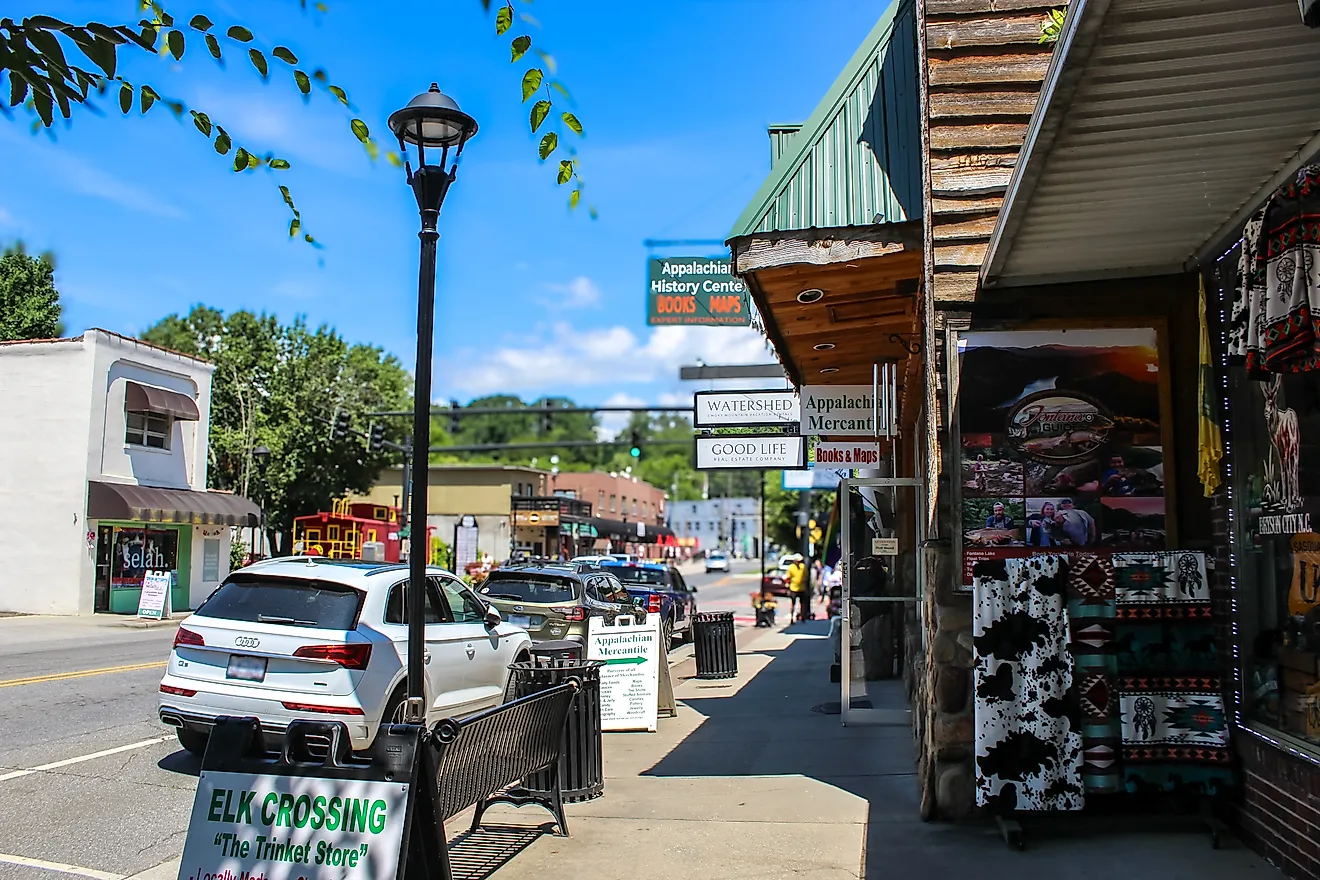
A suspension bridge spans Tallulah Gorge State Park, a nearly 1,000-foot-deep canyon cut by the Tallulah River, and it delivers one of the park's most memorable views. Clayton makes an excellent base for the dramatic scenery of northeast Georgia. Trails at the gorge lead to overlooks and waterfalls, and Black Rock Mountain State Park, the highest state park in Georgia, opens up long-range mountain views for miles.
For Appalachian culture, the Foxfire Museum & Heritage Center holds a collection of relocated log structures arranged as a recreated mountain community. More adventurous travelers can arrange whitewater rafting on the Chattooga River.
Back in Clayton, the downtown fills with restaurants, galleries, and locally owned businesses. Boosters have taken to calling it the "Farm to Table Capital of Georgia," which puts dinner near the center of a weekend rather than at its edge.
The White Birch Inn makes an appealing downtown base, with just six rooms in a renovated brick building. For a more secluded mountain stay, the Beechwood Inn, a century-old bed and breakfast, stands above town within reach of nearby trails, waterfalls, and wineries.
Tybee Island

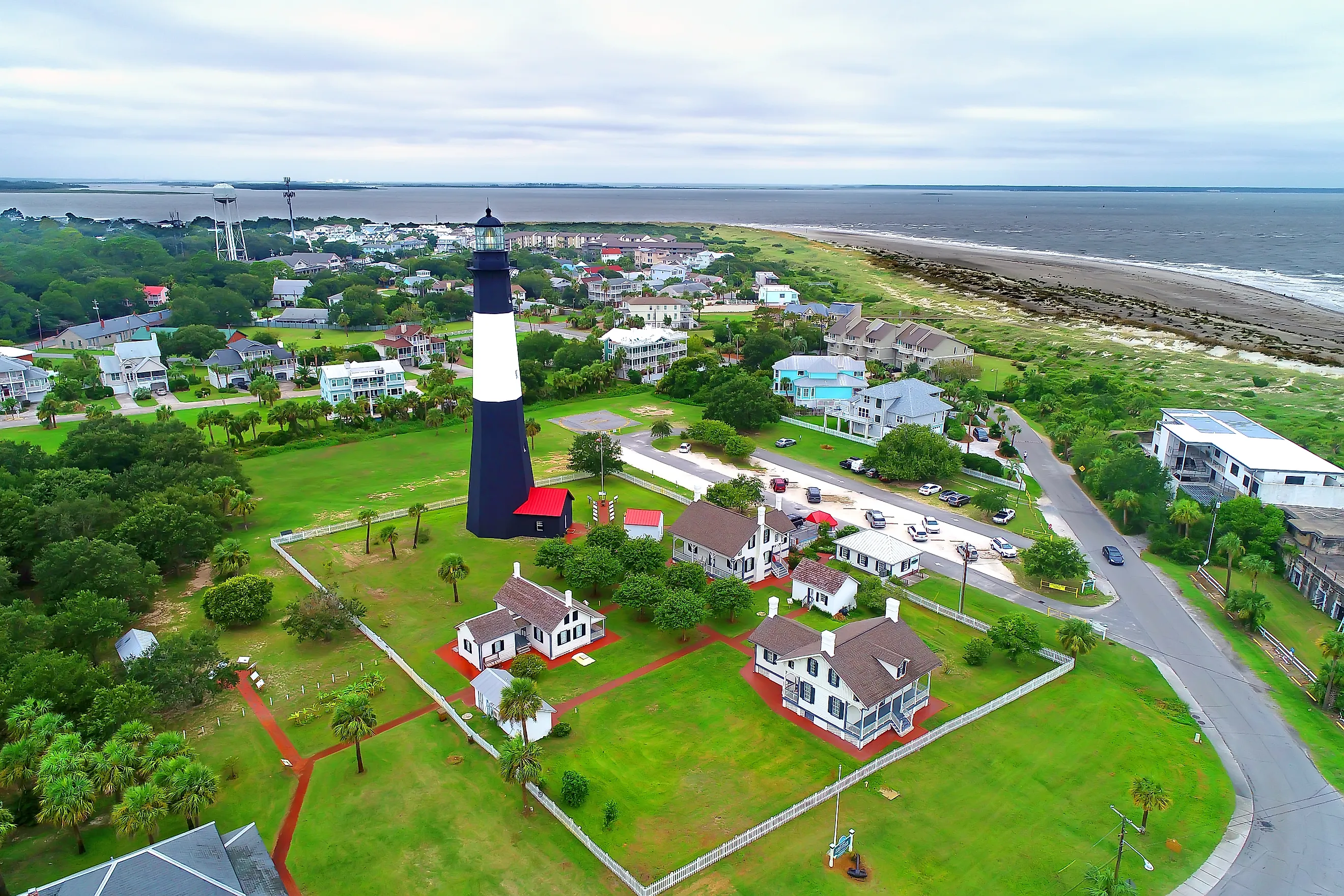
Twenty minutes from Savannah, Tybee Island trades the city's cobblestones for sand and salt air. South Beach is the busy center of the island, with the Tybee Island Pier & Pavilion, restaurants, and shops clustered nearby. North Beach keeps a quieter feel beside the Tybee Island Light Station & Museum, whose tower rises above the island with wide views of the Atlantic and the coastline.
History travelers can continue to Fort Pulaski National Monument on nearby Cockspur Island, a massive masonry fort tied to the story of coastal defense during the Civil War. The Tybee Island Marine Science Center focuses on the coast, with exhibits and programs on local marine life and the surrounding ecosystem. Dolphin cruises, kayaking, and fishing charters give other ways onto the water.
For lodging, Hotel Tybee stands directly on South Beach, with the pier, restaurants, and sand within an easy walk. For something more intimate, the Beachview Inn & Spa combines a small inn and an on-site spa with a short walk to the beach.
Choosing Your Georgia Weekend
The choice mostly comes down to what kind of few days you want. Blue Ridge and Clayton put you in the mountains, close to trails, gorges, and a scenic railway. Jekyll Island, Tybee Island, St. Marys, and Darien hand you beaches, marshes, and a working coast. Madison, Milledgeville, Washington, and Thomasville trade on preserved squares, antebellum homes, and the stories behind them, while Dahlonega and Helen mix wine country and mountain scenery with gold-rush and Alpine history. Any one of the twelve turns a full schedule into a genuine change of scenery. The only hard part is deciding where to head first.