The Difference Between The Deep Sea And The Abyss
Nearly seven miles beneath the Pacific Ocean, inside the Mariana Trench, lies one of the most extreme environments on Earth. Temperatures hover just above freezing. Sunlight has never reached these depths. Pressure is so intense that it would crush most submarines, and only a handful of people have ever descended to the bottom.
Many people call this mysterious world "the deep sea," but the deepest abyss is only one part of the deep ocean, and the Mariana Trench extends even farther into a deeper realm known as the hadal zone.
The deep sea is a broad term that includes nearly every part of the ocean below the reach of sunlight. The abyss refers to one specific depth zone within that larger environment. Understanding the difference helps explain why different animals live at different depths, why ocean exploration vehicles are designed for specific missions, and why researchers divide Earth's largest habitat into distinct layers.
The deep sea begins where sunlight ends

The deep sea generally starts about 200 meters (656 feet) below the ocean's surface, where sunlight fades enough that photosynthesis is no longer possible. By roughly 1,000 meters (3,281 feet), darkness is complete.
Far from being a single environment, the deep sea consists of several distinct zones.
The first is the mesopelagic, often called the twilight zone because faint light still filters downward even though it is too dim for photosynthesis. Below that lies the bathypelagic, sometimes called the midnight zone, where darkness becomes complete.
Far deeper is the abyssopelagic, commonly shortened to the abyss. Beneath that is the hadal zone, which includes the world's deepest ocean trenches.
Scientists separate these layers because conditions change dramatically with depth. Pressure steadily increases, temperatures decline, food becomes scarcer, and the animals capable of surviving become increasingly specialized.
The abyss is one layer of the deep ocean

The abyss usually refers to the abyssopelagic zone, extending from about 4,000 meters (13,123 feet) to 6,000 meters (19,685 feet) below the surface.
Life there exists under conditions difficult to imagine. No sunlight penetrates these depths, water temperatures typically remain just above freezing, pressure reaches hundreds of times greater than atmospheric pressure at sea level, and food is limited, with much of it arriving as tiny particles of dead organisms slowly drifting down from waters above.
Much of the abyss consists of enormous abyssal plains, which are remarkably flat stretches of seafloor that together cover more than half of Earth's seafloor.
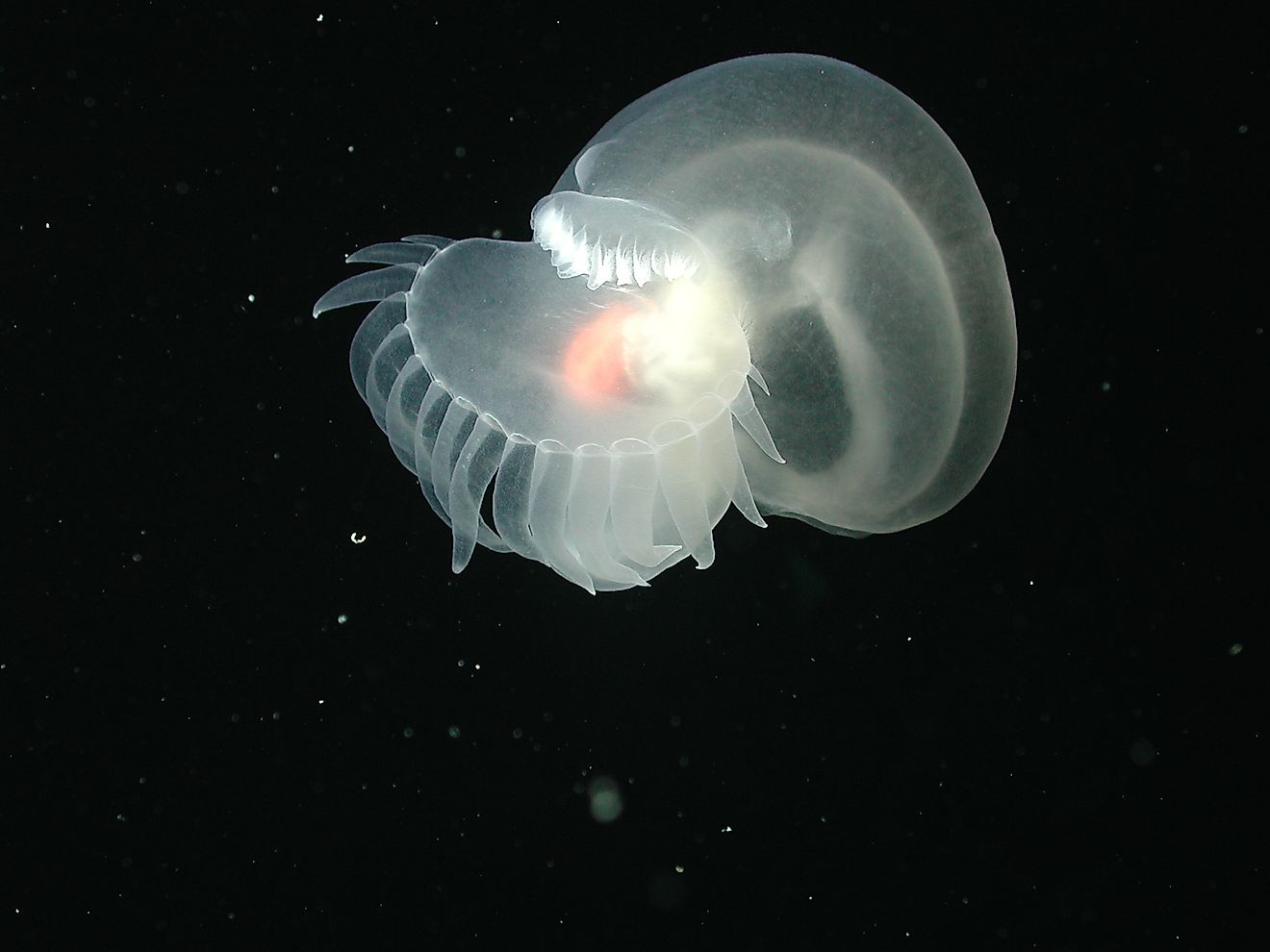
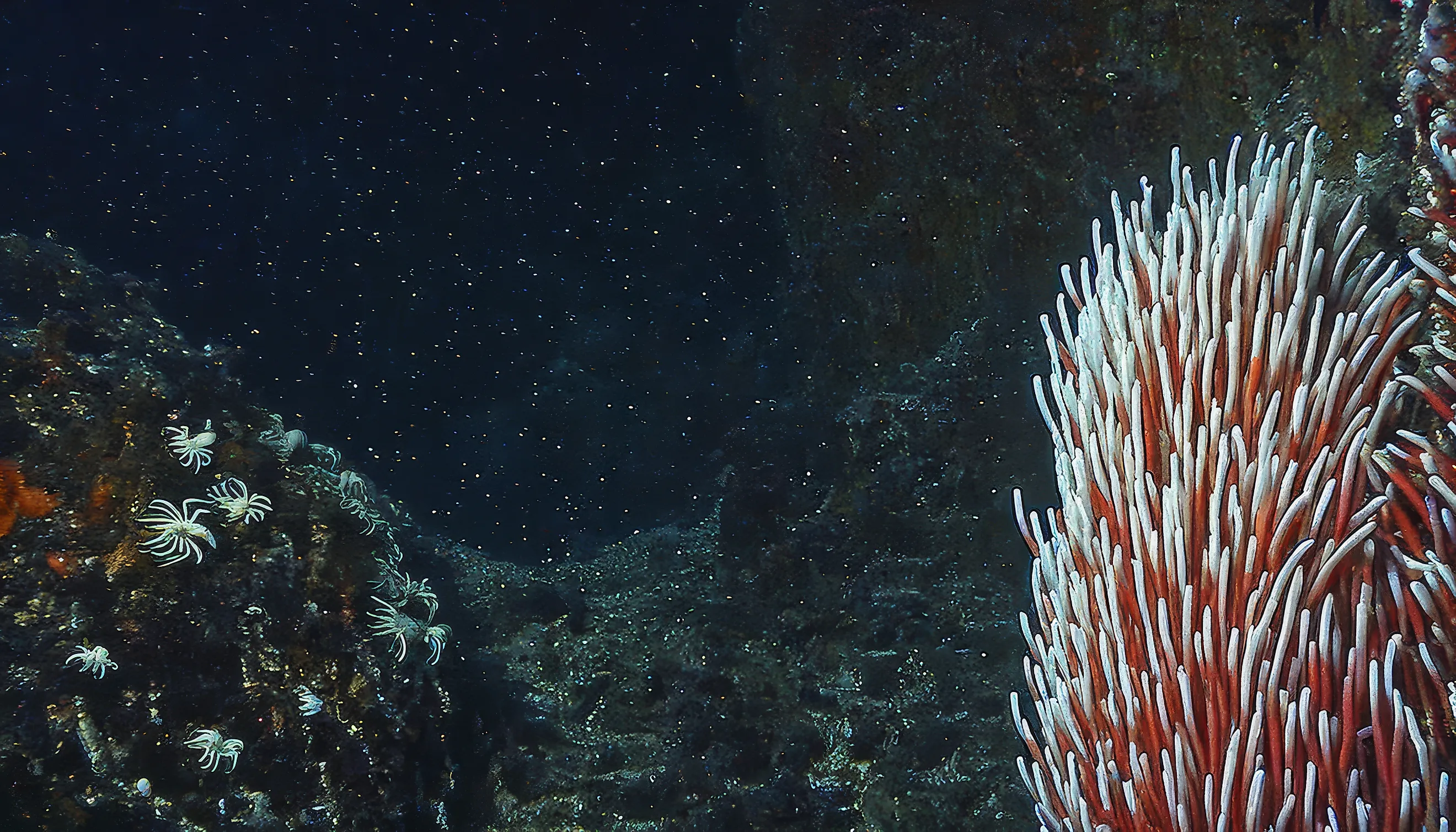
Despite these harsh conditions, the abyss is far from lifeless. Sea cucumbers slowly crawl across the sediment. Brittle stars spread across the seafloor in dense groups. Deep-sea corals provide habitat for other species, while worms, crustaceans, and specially adapted fish survive on sparse food supplies.
Even so, scientists emphasize that not everything living in the deep sea inhabits the abyss. The abyss represents just one section of a much larger underwater world.
Why so many people confuse the terms

Part of the confusion comes from popular culture. Television specials and online videos often describe almost any strange-looking marine animal as "abyssal," regardless of where it actually lives. The label has become shorthand for mysterious creatures lurking in darkness, even when scientists would classify them elsewhere.
The anglerfish offers perhaps the best example. Famous for the glowing lure extending from its head, many species spend their lives in the bathypelagic zone, well above the abyss.
Vampire squid, despite their intimidating name and unusual appearance, primarily inhabit deep midwater environments where oxygen levels are extremely low but depths are generally shallower than the abyssal zone.
Giant squid have also become symbols of the mysterious deep ocean thanks to centuries of maritime legends and rare sightings. Yet, they are generally not abyssal animals and typically inhabit waters higher in the water column.
All of these species belong to the deep sea, but none serves as a perfect representative of the abyss itself.
Below the abyss lies an even deeper world

As remarkable as the abyss may be, it is not the deepest part of the ocean. Beginning around 6,000 meters (19,685 feet), the hadal zone includes deep ocean trenches created where tectonic plates converge. These narrow, steep-sided depressions expose animals to even greater pressure than the abyssal plains.
Species living there have evolved unique adaptations that scientists are still working to understand. Some fish, crustaceans, and microorganisms possess cellular structures and biochemical processes that allow them to function despite pressures that would destroy most forms of life.
The best-known hadal location is Challenger Deep, the deepest known point in Earth's oceans. Located within the Mariana Trench, Challenger Deep was measured at approximately 10,935 meters (35,876 feet) during the Five Deeps Expedition.
Although the Mariana Trench is often described as the deepest place on Earth, scientists avoid calling it "the abyss." The trench contains abyssal depths along its slopes, but its deepest reaches belong to the hadal zone, which extends well below the abyss.
Why the distinction matters

For researchers studying Earth's oceans, these depth zones are far more than scientific terminology. Pressure increases by roughly one atmosphere with every 10 meters (33 feet) of depth. Temperature, food availability, and water chemistry also change, shaping entirely different ecosystems within relatively short vertical distances.
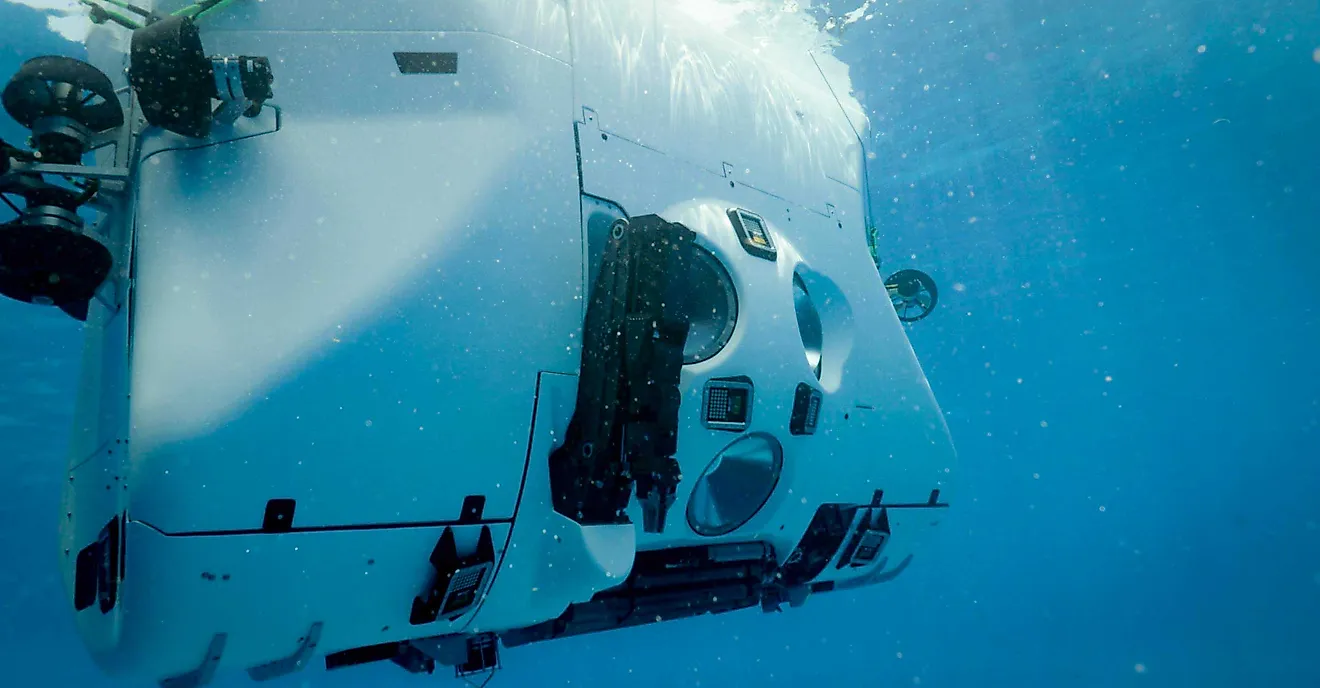
Marine biologists use those differences within the depth zones to understand where species live and how they evolved. Oceanographers study how water circulates between layers, affecting climate and nutrient cycles. Geologists investigate processes occurring along the seafloor, while engineers design submersibles and remotely operated vehicles capable of surviving specific pressure ranges.
The precision becomes increasingly important as governments and researchers investigate deep-sea biodiversity, climate change, mineral resources, and the impacts of human activity on remote marine ecosystems.
The bottom line
For most people, the deep ocean remains a place of mystery filled with unfamiliar creatures and seemingly alien landscapes. Yet, the more scientists explore it, the clearer it becomes that the darkness below is not one uniform world but a series of distinct environments, each with its own conditions and forms of life.
According to the Nippon Foundation-GEBCO Seabed 2030 project, roughly three-quarters of the global ocean floor remains unmapped to modern standards. As new expeditions descend into deeper parts of the Pacific, including the Mariana Trench, they continue discovering species, habitats, and geological features never before documented. From the twilight zone to the abyss and into the hadal trenches beyond, every layer of the deep ocean reveals another reminder that Earth's largest habitat is still one of its least understood.