Why Certain Sharks Never Enter Warm Water
Most sharks can tolerate a range of temperatures, but a few are so closely tied to cold water that warmth changes the basic economics of staying alive. Greenland sharks are commonly recorded in water around -2°C to 7°C and have some of the lowest measured metabolic rates among sharks. Pacific sleeper sharks show a similar pattern, spending much of their time in water only a few degrees above freezing. Other northern species, including salmon sharks and porbeagles, solve the cold problem differently. They use heat-exchanging blood vessels called retia mirabilia to keep swimming muscles warmer than the surrounding sea. Temperature also changes oxygen demand, prey distribution, and where sharks can hunt efficiently. Even latitude can be misleading. A Greenland shark caught about 6,000 feet deep in the Gulf of Mexico in 2013 was swimming beneath tropical surface water in a layer close to 40°F. For these sharks, the important boundary is temperature, not the map.
Their Metabolism Is Built For The Cold

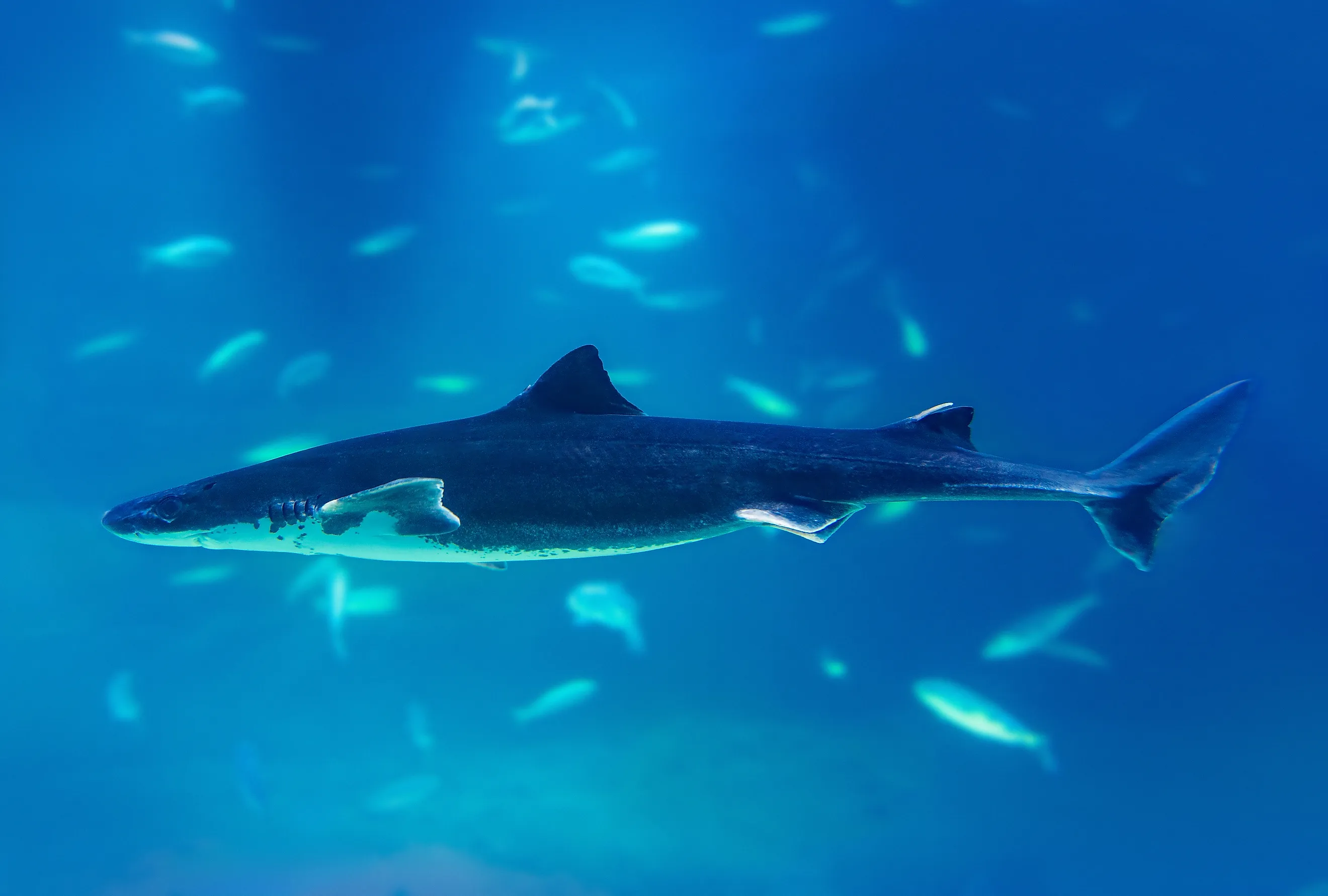
The Greenland shark is the clearest place to start because almost everything about its lifestyle runs slowly. Fisheries and Oceans Canada reports that the species is commonly found in water between about -2 and 7 degrees Celsius. Its metabolism operates at an exceptionally low rate, matching an environment where cold temperatures slow biochemical reactions throughout the body.
That slow pace reaches nearly every part of its life. Greenland sharks swim slowly, grow slowly, and can live for centuries. Their tissues also contain high concentrations of urea and trimethylamine oxide, or TMAO, which help stabilize proteins under the chemical and pressure conditions encountered in deep water. None of this means a brief encounter with warmer water would instantly kill a Greenland shark. It does mean that the species has evolved around a cold physiological setting very different from that of a tropical reef shark.
Warm Water Pushes Up Their Energy Demands

Temperature affects how quickly chemical processes run inside ectothermic animals. For most sharks, warmer surrounding water raises metabolic activity until the animal reaches the limits of its preferred thermal range. The shark then needs more energy and more oxygen simply to keep its body operating at that faster pace.
That tradeoff matters because warmer seawater generally contains less dissolved oxygen than colder water. A cold-specialized shark moving into substantially warmer conditions can therefore face two changes at once. Its metabolism demands more oxygen while the surrounding water carries less of it. Sharks differ greatly in their tolerance, and scientists should not treat every cold-water species as having the same upper temperature limit. The basic problem remains, though. An animal optimized for cold conditions gains little from pushing itself into water where maintaining normal function becomes more expensive.
Some Sharks Can Make Their Own Heat Instead

Salmon sharks and porbeagles have found another way to prosper in chilly seas. Both are regional endotherms, meaning they can maintain important parts of the body above the temperature of the surrounding water. Networks of closely packed blood vessels called retia mirabilia transfer heat from warm blood leaving active tissues to colder blood returning from the gills.
The result is a shark that can swim through frigid water without allowing its most important muscles to become equally cold. Salmon sharks are especially impressive. The Florida Museum of Natural History has reported internal temperatures approaching 60°F, even when the surrounding North Pacific is far colder.
This changes the usual reason an animal might seek warmer water. A salmon shark does not have to swim toward the tropics just to keep its muscles working quickly. It carries part of its own heating system with it. Porbeagles perform a similar trick in the North Atlantic, where their internal temperature can remain well above that of the sea around them.
Cold Water Gives Them A Hunting Advantage

Being able to stay active in cold water is useful only if there is something worth catching there. For salmon sharks, there certainly is. The species hunts salmon and other fast-moving fishes throughout the North Pacific, including waters around Alaska where many ectothermic predators would operate with colder muscles.
Regional endothermy helps turn that harsh environment into an opportunity. A salmon shark can keep its swimming machinery warm while pursuing prey surrounded by cold seawater. Porbeagles enjoy a similar advantage while hunting schooling fish and squid in the North Atlantic. Rather than enduring cold water until something better comes along, these sharks are unusually well equipped to make a living there.
That helps explain why simply asking whether a shark "likes" cold water misses part of the story. Cold habitat can give some species access to feeding opportunities that their physiology is especially good at exploiting.
Their Food Is Already Waiting In Cold Water
Sharks do not choose a temperature independently of everything else in the ocean. They follow prey, and prey follows its own combination of temperature, food, currents, spawning grounds, and seasonal movements. A predator that has evolved around those patterns has little reason to abandon them simply because warmer water exists farther south.
Salmon sharks are an obvious example because their movements overlap with the migrations of the fish that gave them their name. Porbeagles feed through productive temperate and northern waters. Greenland sharks forage across deep and Arctic environments where they consume fish, carrion, and occasionally marine mammals.
Once that relationship between temperature and food is established, cold-water specialization reinforces itself. The shark performs well there, the prey is there, and generations of natural selection continue favoring animals capable of exploiting the same environment efficiently.
Deep Water Lets Them Escape Heat Without Moving North

One of the best reasons certain sharks avoid warm water is that they can simply go underneath it. The upper ocean absorbs most of the Sun's heat. Far below the surface, temperatures drop sharply and eventually become cold across enormous areas of the planet, including beneath subtropical and tropical seas.
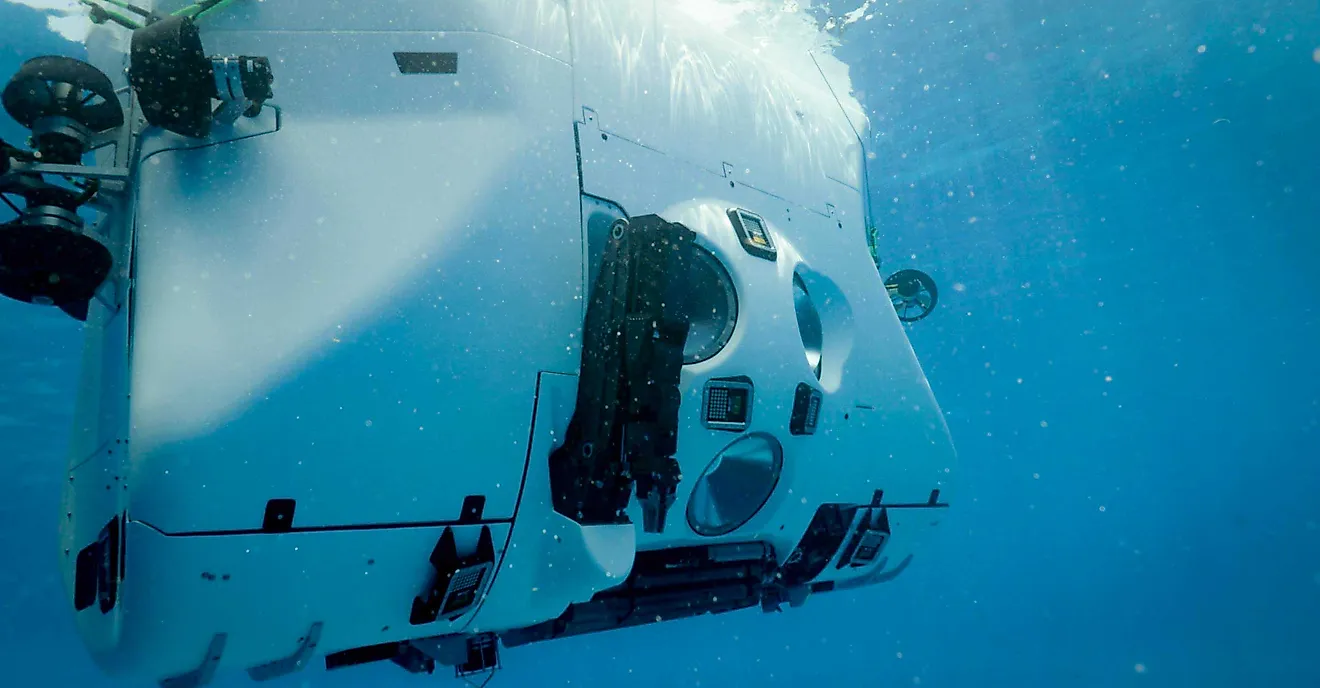
The Greenland shark found in the Gulf of Mexico in August 2013 made this point spectacularly. Researchers led by Florida State University scientist Dean Grubbs caught the roughly 12-foot shark at a depth of about 6,000 feet. The Gulf's surface was above 80°F, but the shark was living in water near 40°F.
Seen on a map, the animal had traveled into a warm part of the world. Seen from the shark's perspective, it had done nothing of the sort. Thousands of feet of ocean separated it from the tropical heat overhead. For deep cold-water species, depth can provide the temperature they need long after latitude suggests they should have left it behind.
Evolution Has Given Different Sharks Different Thermal Limits

Cold specialization develops over many generations. Enzymes, muscles, circulation, behavior, feeding ecology, and migration can all become tuned to the range of conditions a species encounters most often. Eventually, two closely related sharks may respond very differently to the same ocean temperature.
The lamnid sharks make that especially clear. Salmon sharks, porbeagles, white sharks, and shortfin makos all possess versions of regional endothermy. Yet they do not occupy identical thermal niches. Salmon sharks are strongly associated with the cool North Pacific, while white sharks can travel between cold feeding grounds and much warmer subtropical waters.
The heat-exchange system is therefore only part of the explanation. Evolution determines how each species uses it. In one shark, internal heating supports a life centered on northern prey and cold seas. In another, it helps support long migrations through dramatically different environments.
Not Every Cold-Water Shark Is Actually Trapped In The Cold
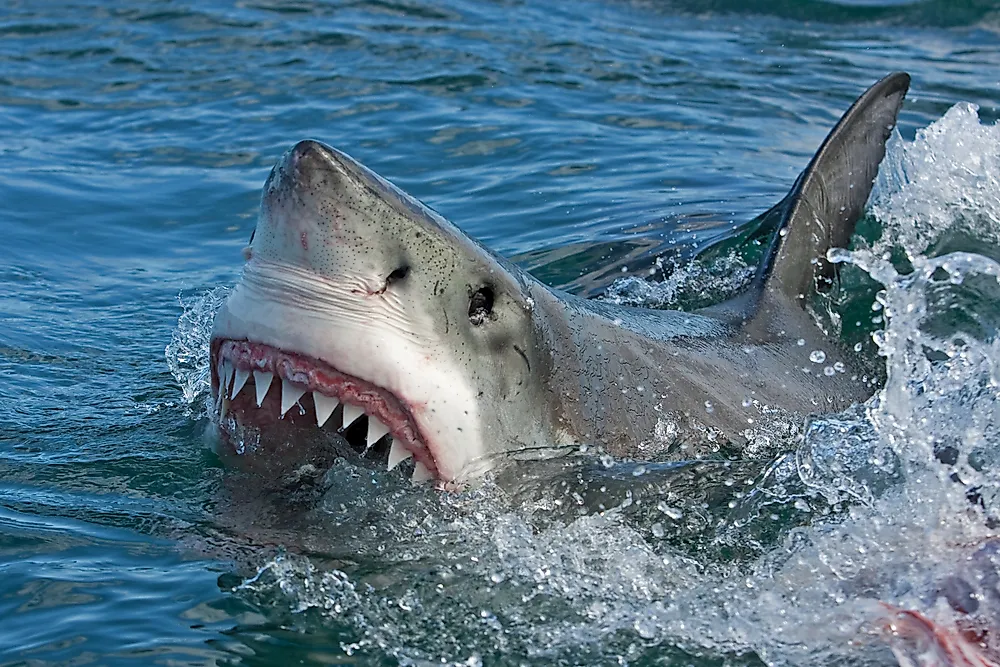
This distinction matters because "cold-water shark" can make a species sound more restricted than it really is. Salmon sharks can travel south along the Pacific coast and have been recorded around California and Baja California. Porbeagles also occupy cool temperate waters rather than remaining exclusively in near-freezing seas.
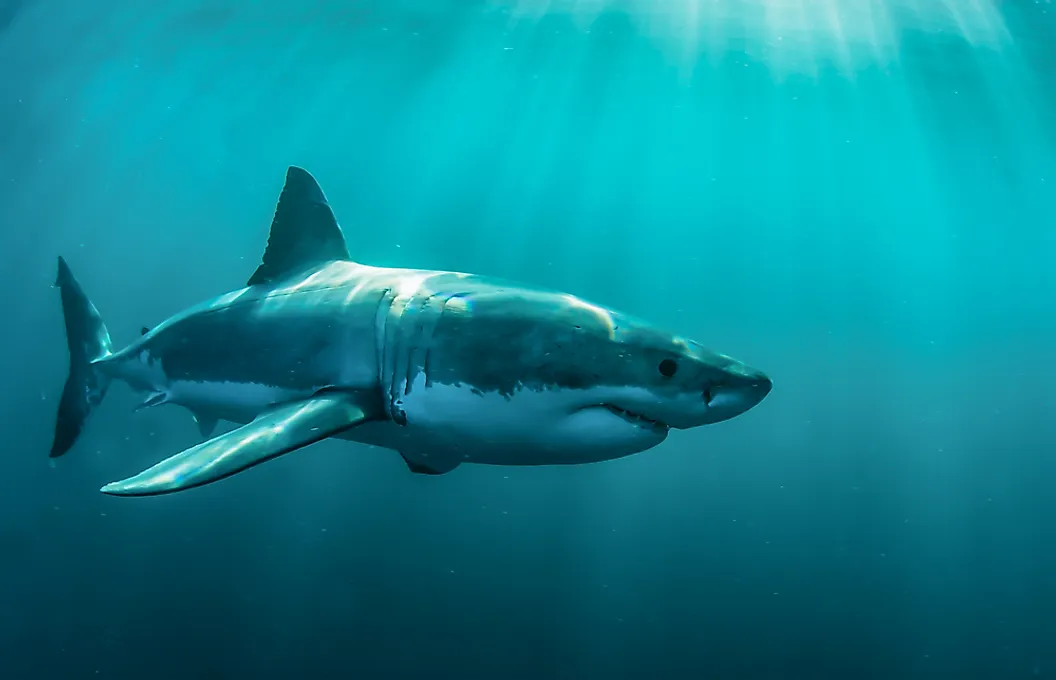
White sharks make the contrast even clearer. They can hunt in cold waters off places such as New England and California, then move through far warmer regions. Shortfin makos also occupy broad temperate and subtropical ranges. Their ability to conserve body heat expands the temperatures they can use rather than confining them to one end of the thermometer.
The Greenland shark sits much closer to the extreme. Its deep-water habits, slow metabolism, and strong association with very cold conditions make it a better example of a shark whose entire lifestyle is tied to avoiding warmth. The others show degrees of preference rather than an absolute barrier.
Why Some Sharks Keep Choosing The Cold
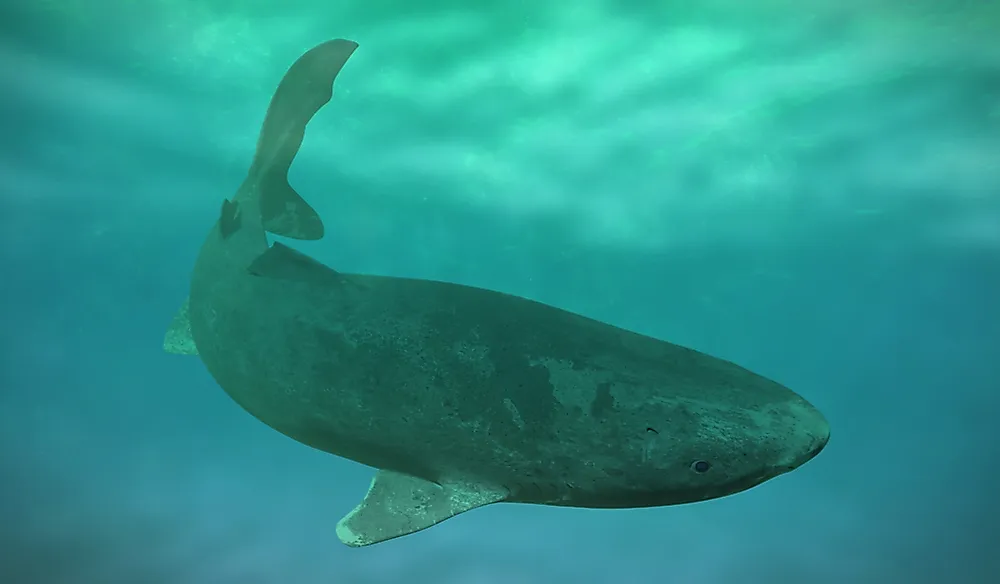
There is no single mechanism keeping every cold-water shark away from warmth. In the most specialized species, the answer begins with physiology. Their metabolism and tissues work in a world of low temperatures. In others, internal heat production makes cold water surprisingly easy to exploit. Food then gives them a reason to stay, while deep ocean layers allow cold-loving sharks to travel far south without ever approaching the warm surface.
That is why an Arctic-looking shark can appear beneath the Gulf of Mexico while a great white crosses between cool and subtropical seas. Sharks do not experience an ocean as one temperature. Each species occupies its own thermal landscape, and for the most committed cold-water specialists, the comfortable part of that landscape remains cold no matter what the weather is doing thousands of feet above.