Why Snakes Are Sometimes Found Frozen In Ice
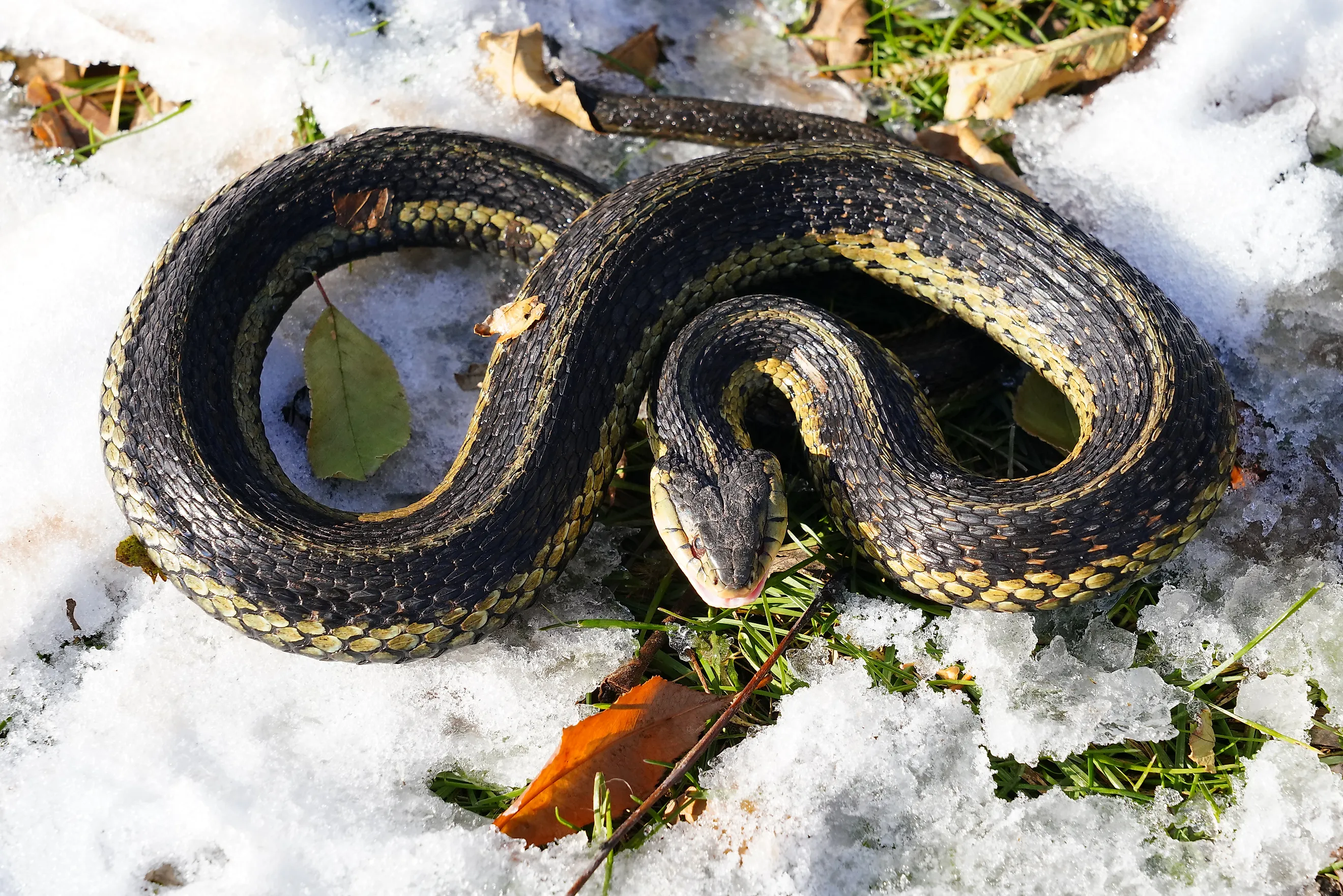
A snake beneath the surface of a frozen pond may have reached the water during a winter thaw, then become trapped as temperatures fell. Cold water slows a snake's movement, potentially leaving it unable to escape before ice forms around it. Water moccasins, also called cottonmouths, normally seek sheltered winter retreats despite spending much of their active season around water. Some garter snakes can survive brief, partial freezing, but that ability cannot be assumed for cottonmouths. Ice surrounding either snake does not establish how much of its body has frozen or whether it remains alive. Even cold-tolerant garter snakes can die when freezing lasts too long.
A Winter Thaw Can Leave Snakes Exposed

Rain and melting snow can flood an underground winter retreat, forcing snakes toward the surface. A mild spell can also bring them out voluntarily to bask. In its December 2018 Conservationist magazine, New York's Department of Environmental Conservation identified both possibilities when examining readers' photographs of snakes trapped near the surface of ice. The agency presented these as likely explanations, since the photographs could not establish the animals' movements beforehand.
A snake leaving a flooded refuge may enter water with no suitable shelter nearby. If temperatures then fall, exposure to cold water reduces its ability to move away. Water freezing around the immobilized animal can leave its body visible within the ice. The frozen outline records where the snake ended up; it cannot establish whether the animal was alive when the ice enclosed it.
Brumation Usually Happens In Sheltered Places

Snakes depend heavily on their surroundings for body heat. As conditions cool, they become less active, eventually entering the seasonal dormancy commonly called brumation. Massachusetts wildlife officials describe winter refuges in mammal burrows and rock crevices, among other protected spaces. More than one snake species may occupy the same retreat. On warmer days, some snakes briefly emerge to bask or find water.
At Narcisse in Manitoba's Interlake region, the shelter extends into limestone bedrock. Water has eroded and collapsed the rock, creating openings that connect the surface with underground crevices and caverns. Red-sided garter snakes gather below the frost line, the depth reached by freezing ground, to survive the winter. The landscape gives them access to temperatures very different from those above their dens. Their spring emergence brings tens of thousands of snakes back to the surface.
Water Moccasins Also Seek Winter Shelter

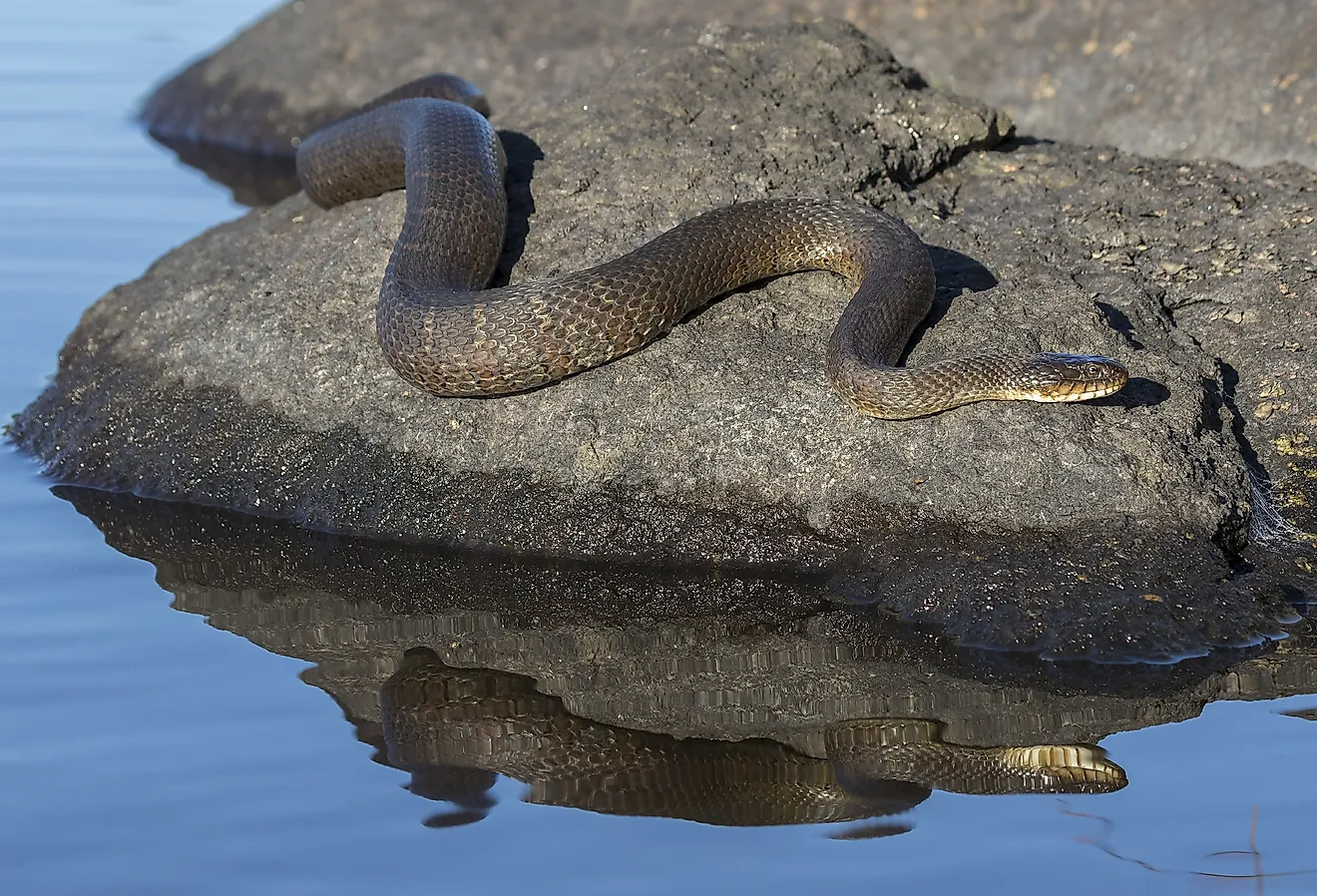
Water moccasins, also called cottonmouths, spend much of their active season around swamps, creeks, and ponds. Their winter retreats can lie well beyond the water’s edge. In parts of Missouri, these semiaquatic pit vipers leave lowland wetlands in autumn and move to forested limestone bluffs, where they overwinter in rock crevices. They sometimes share these dens with copperheads and timber rattlesnakes, returning to the wetlands in spring. North Carolina wildlife officials also identify crayfish burrows and spaces beneath rotting stumps as cottonmouth winter shelters.
As temperatures fall, cottonmouths become less active and enter brumation. Cold can leave an exposed individual sluggish and slow to retreat, making access to shelter especially important. Living around water does not establish an ability to survive ice forming inside the body. The brief, partial freezing survived by some garter snakes cannot be assumed safe for cottonmouths, and finding one enclosed in ice would not establish that it was alive or would recover after thawing.
Some Garter Snakes Survive Limited Freezing

Some red-sided garter snakes can recover after ice forms within their bodies. In a 1992 study, snakes recovered after exposures lasting up to three hours at 27.5°F, or minus 2.5°C, with ice accounting for as much as 40% of their total body water. Longer exposure sharply reduced survival. None recovered after 24 or 48 hours under those experimental conditions.
Freeze tolerance depends on surviving ice formation outside cells while protecting the cells themselves. Freezing also interrupts the supply of oxygen to tissues. Work on garter snakes has found changes in antioxidant defenses that may help protect them when oxygen returns during recovery.
Brief tolerance could help a garter snake caught above ground by an overnight frost in spring or fall. These results do not establish that other snake species share the ability, or that a garter snake enclosed in pond ice will recover when it thaws.
Even Underground Dens Can Freeze

Winter shelter can fail when cold penetrates farther into the ground. In central Manitoba, researchers documented a major freezing event associated with unusually light snow cover. Their 2004 paper estimated that more than 60,000 garter snakes died, nearly eliminating the populations of the three largest dens they studied. The frozen bodies remained underground, making the loss far less visible than snakes killed on roads.
The same research described a separate episode in which heavy late-autumn rain flooded dens and snakes drowned. Water and cold can therefore threaten the animals through different routes: flooding may kill snakes within their shelter or force them outside, while insufficient protection from winter temperatures can expose them to lethal freezing underground.
At Narcisse, finding a winter refuge begins early in a snake's life. Young snakes generally spend their first winter near their summer habitat, using animal burrows, ant hills, or cracks that reach beneath frozen ground. They usually begin traveling to established communal dens in their second year, and many adults return to the same den repeatedly. That dependence on particular underground spaces helps explain why the position of water and the depth of frost matter so much. Their winter habitat extends beneath the grassland and aspen forest around the dens, into the spaces within the bedrock. Flooding can cut off access to air, and frost penetrating deeper into the ground can reach snakes inside their winter shelter.