What Happens To Fish When A Lake Freezes Over
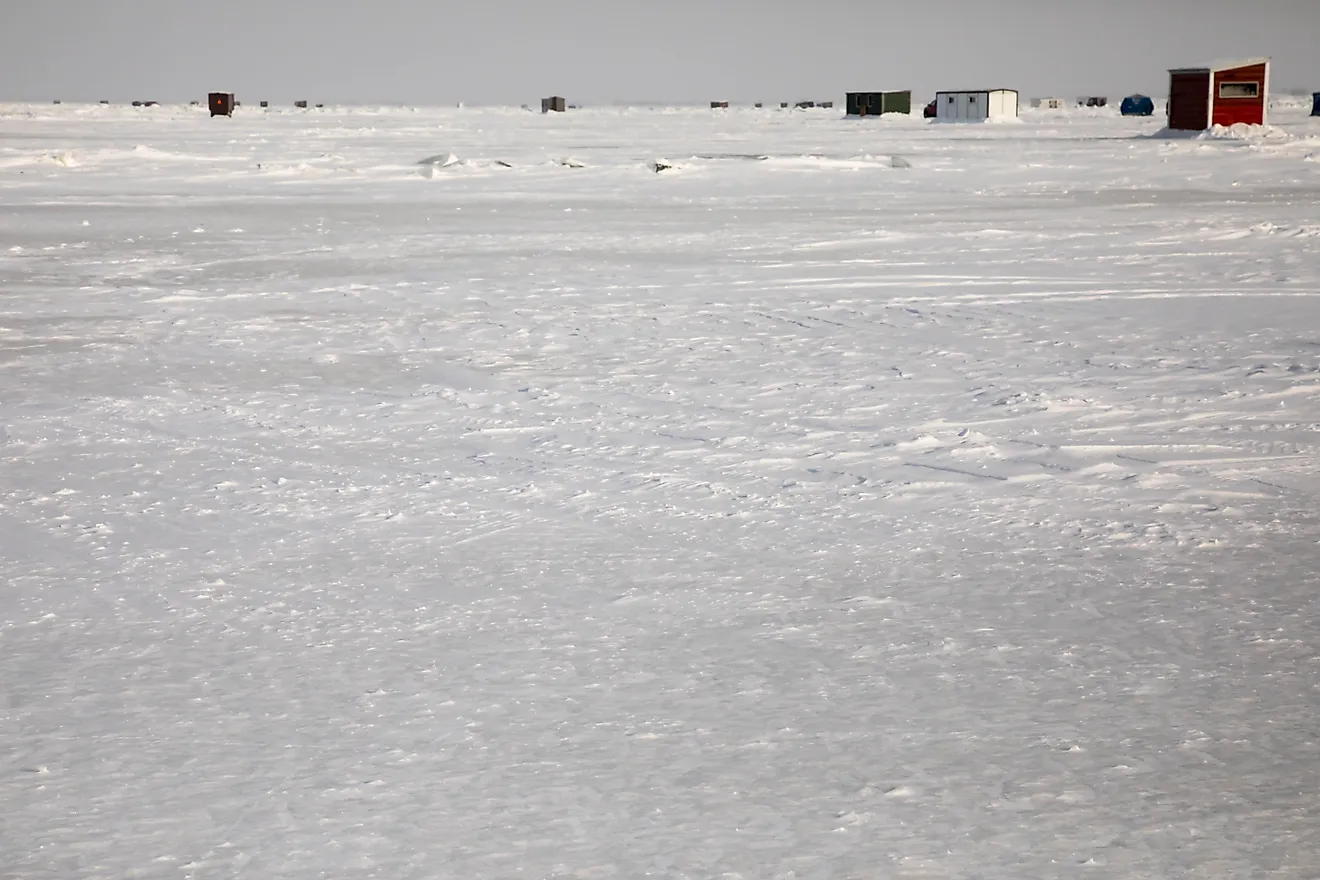
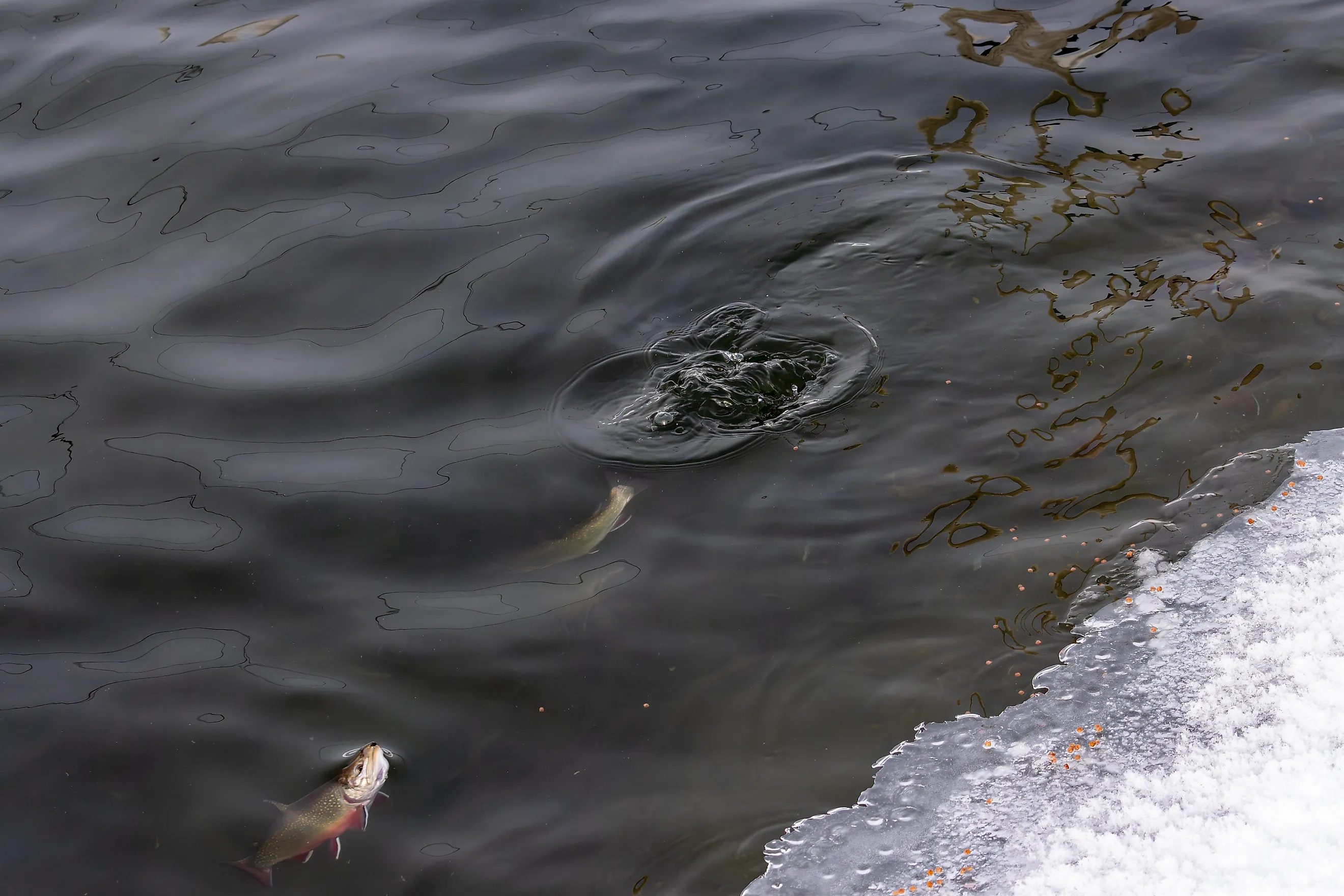
A frozen lake appears to be a place where life has stopped. The surface becomes a solid sheet of ice, snow blankets the shoreline, and the sounds of summer disappear. Yet beneath that frozen surface, an entire ecosystem continues to survive. Fish are still moving, breathing, and adapting to some of the harshest conditions found in freshwater environments.
The secret to their survival is that a frozen lake is rarely frozen solid. Instead, ice creates a protective barrier between the bitter air above and the water below. The layer of ice acts as insulation, allowing fish and other aquatic organisms to endure months of darkness and cold temperatures.
But surviving beneath the ice is not easy. Fish must deal with slower metabolism, limited food supplies, and the constant challenge of finding enough oxygen. In some lakes, winter conditions are so extreme that fish populations can die off in an event known as winterkill.
From North America's frozen northern lakes to remote Arctic waters, winter transforms freshwater habitats into a world of survival. What happens beneath the ice reveals one of nature's most remarkable seasonal adaptations.
The Ice Above Protects the Life Below

For most freshwater lakes, winter begins at the surface. As ice forms above, it creates an insulating layer that leaves a world of water and the fish living there protected.
This happens because of one unusual property of water. Ice is less dense than liquid water, which causes it to float. As the surface freezes, the layer of ice acts like insulation, slowing the loss of heat from the water below.
The deepest parts of many lakes remain near 39 degrees Fahrenheit, the temperature where freshwater is densest. This allows fish and other aquatic organisms to survive even when air temperatures remain below freezing for months.
This natural insulation is especially important in northern regions. Lakes across Canada, Alaska, Scandinavia, and Siberia may remain covered in ice for several months, yet their underwater ecosystems continue to function.
One of the best examples is Lake Baikal in Siberia, the deepest lake on Earth. Despite months of freezing temperatures, the lake supports hundreds of unique species, including fish found nowhere else.
The frozen surface is not a sign that the lake has stopped living. It is a protective layer that allows life to continue.
Fish Slow Down to Survive the Winter

Fish do not fight winter by staying warm. Instead, they adapt to the cold.
Unlike mammals, fish are ectothermic, meaning their body temperature follows their environment. As water temperatures drop, their metabolism slows. Their hearts beat more slowly, digestion decreases, and they require less energy.
This seasonal slowdown allows fish to survive periods when food becomes scarce.
Species such as lake trout, walleye, yellow perch, and northern pike often move into deeper water where temperatures are more stable. They may become less active, conserving energy stored from warmer months.
This is not the same as hibernation. Fish remain alert and capable of movement, but they operate in a state of energy conservation.
Lake trout provide a perfect example of winter adaptation. Found throughout the cold lakes of North America, they prefer deep, cold, oxygen-rich environments. Even beneath winter ice, they remain capable predators.
The same adaptations that help fish survive frozen lakes also influence where anglers find them. Ice fishing communities across places like Minnesota, Wisconsin, and Canada rely on understanding these winter patterns.
A frozen lake may look empty, but below the surface, fish are simply living at a slower pace.
The Biggest Winter Challenge: Finding Enough Oxygen

Cold water itself is not usually the greatest threat to fish. The bigger challenge is oxygen.
Fish breathe by pulling dissolved oxygen from the water through their gills. During warmer months, oxygen enters lakes through waves, wind, and aquatic plants producing oxygen through photosynthesis.
Ice changes everything.
Once a lake freezes, the exchange between air and water slows dramatically. If snow covers the ice, sunlight cannot penetrate as easily, reducing photosynthesis from underwater plants. Meanwhile, bacteria continue breaking down dead vegetation and consuming oxygen.
In some lakes, oxygen levels can fall so low that fish begin dying in large numbers. This phenomenon is known as winterkill.
Shallow lakes are especially vulnerable because they contain less water to hold oxygen. The problem is particularly familiar in parts of Minnesota, where fisheries managers monitor lakes each winter for oxygen depletion.
But deep lakes with healthy ecosystems can survive months beneath ice.
This balance explains why winter conditions matter so much. A frozen lake is not automatically dangerous. It depends on the lake's depth, size, vegetation, snow cover, and oxygen supply.
The same ice that protects fish from extreme cold can also create the conditions that threaten them.
The Fish That Are Built for Frozen Worlds

Some fish are so adapted to cold environments that winter is simply part of their normal world.
Lake trout are among the most recognizable cold-water specialists in North America. They thrive in deep, chilly lakes throughout Canada and the northern United States, including the Great Lakes. They require cold, oxygen-rich water and are often associated with some of the continent's deepest freshwater environments.
Farther north, Arctic char survives in some of the planet's most extreme freshwater habitats. Found across Arctic regions, they live in water under ice cover for most of the year, among the most extreme fish habitats on Earth.
Perhaps the most unusual example comes from Antarctica's Southern Ocean, where the crocodile icefish survives in seawater that hovers near its own freezing point, about 29 degrees Fahrenheit. Salt is what keeps that water liquid at a temperature where fresh water would already be ice. Some species have evolved antifreeze-like proteins that prevent ice crystals from forming inside their bodies.
Although crocodile icefish do not live in lakes, they demonstrate the incredible range of adaptations fish have developed in frozen environments.
Even within a single lake, different species have evolved unique strategies. Some thrive near the surface, others prefer deep water, and some remain active throughout winter while others nearly stop moving.
Frozen environments are not empty spaces. They are places where evolution has created some of the most specialized aquatic life on Earth.
Famous Frozen Lakes Around the World

Frozen lakes exist across some of Earth's coldest landscapes, but each one tells a different story about survival.
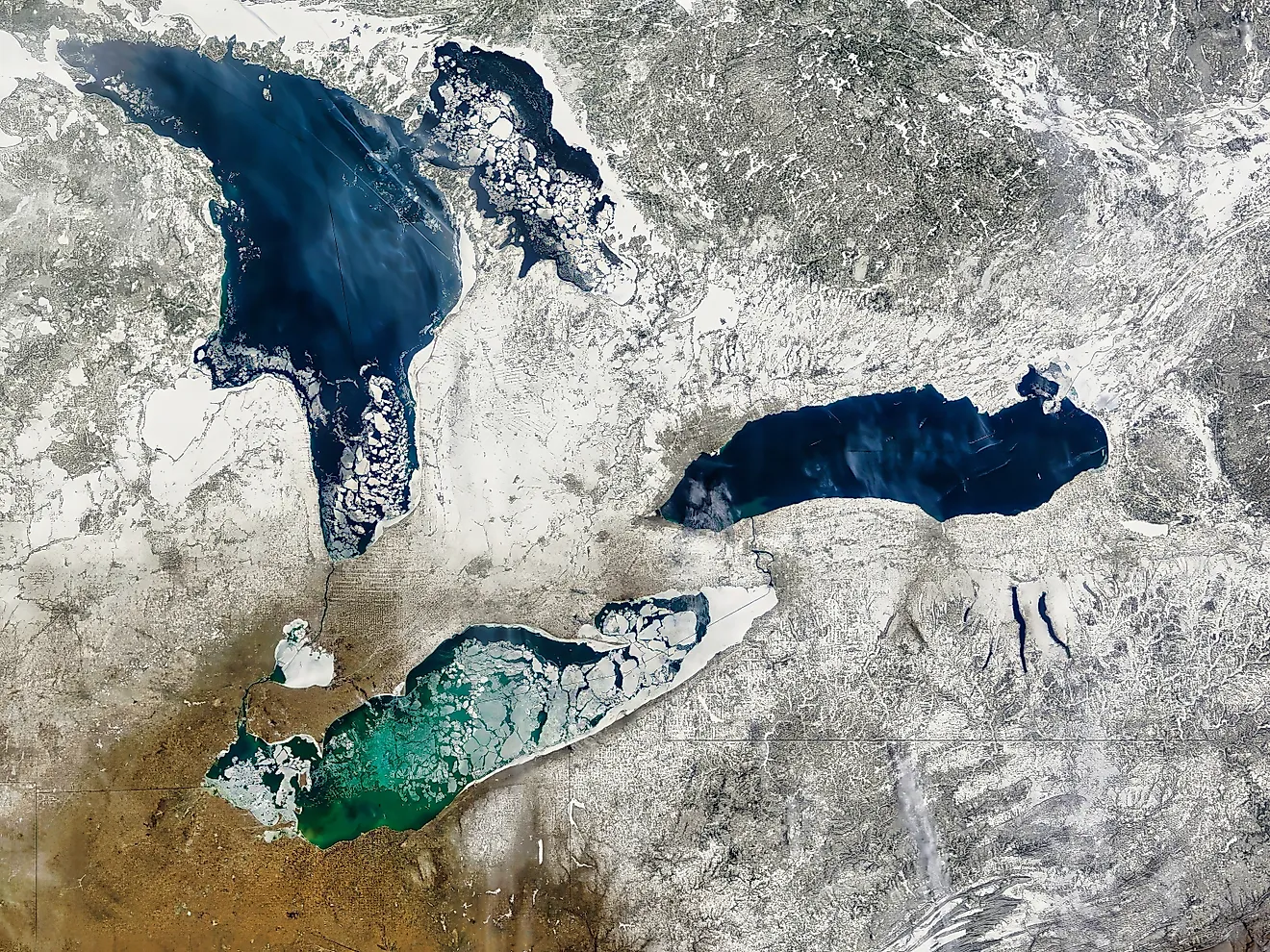
Lake Superior, the largest of the Great Lakes by surface area, experiences significant winter ice cover during colder years. Its deep, cold waters support species such as lake trout and whitefish that are adapted to northern conditions.
In Canada's vast northern wilderness, thousands of lakes freeze each winter. The Canadian Shield contains some of the oldest landscapes on Earth, filled with freshwater ecosystems shaped by repeated cycles of freezing and thawing.

In Canada's Northwest Territories, Great Slave Lake demonstrates how dramatically winter can transform a freshwater ecosystem. One of the deepest lakes in North America, it freezes over for much of the year, creating a thick ice cover above waters that continue supporting species such as lake trout and northern pike. The frozen surface also becomes part of the landscape, allowing northern communities to travel across the lake during the winter months.

Located in northwestern Russia near St. Petersburg, Lake Ladoga is the largest lake in Europe. During the coldest months, much of its vast surface freezes. Beneath the frozen surface, however, fish continue to survive in the dark, cold waters. Species such as perch, pike, and salmonids have adapted to the seasonal changes by slowing their metabolism, conserving energy, and moving into areas where oxygen remains available.
Frozen lakes also shape human culture. Communities across northern countries have developed traditions around winter fishing, transportation, and recreation. The ice becomes not just a seasonal feature but part of daily life.
These lakes show that freezing is not an interruption to freshwater ecosystems. It is a recurring natural event that life has adapted to survive.
A Changing Winter: How Climate Affects Frozen Lakes
For fish that depend on predictable seasonal cycles, changing winters create new challenges.
Across many northern regions, lakes are freezing later and thawing earlier than they did in the past. Shorter ice seasons can affect fish behavior, reproduction, and food availability.
The changes are not always simple. Less ice may mean more oxygen exchange with the atmosphere, but warmer water can hold less oxygen. Shifts in temperature can also allow invasive species to expand into habitats once dominated by cold-water fish.
Some cold-adapted species, including lake trout and Arctic char, are especially vulnerable because they depend on specific temperature ranges.
Scientists studying northern lakes are watching these changes closely because frozen lakes provide important clues about broader environmental shifts.
A lake covered in ice is more than a winter landscape. It is a seasonal system, and changes to that system can ripple through the entire ecosystem.
The Hidden Life Beneath the Ice
When people look across a frozen lake, they often see stillness. But beneath the ice, fish are navigating one of nature's most challenging environments.
They survive by slowing down, conserving energy, and taking advantage of the insulating properties of ice. They depend on a delicate balance of temperature, oxygen, and seasonal timing.
Across the world's frozen lakes, life demonstrates a remarkable ability to adapt. Winter does not stop these ecosystems. It simply changes the way they survive.
The ice above may appear silent, but below the surface, an entire world is waiting for spring.