One Of The Deepest Octopus Ever Filmed
In the deep waters of the Pacific Ocean, a nearly transparent octopus appeared on a remote control vehicle's camera, surprising scientists exploring the seafloor.
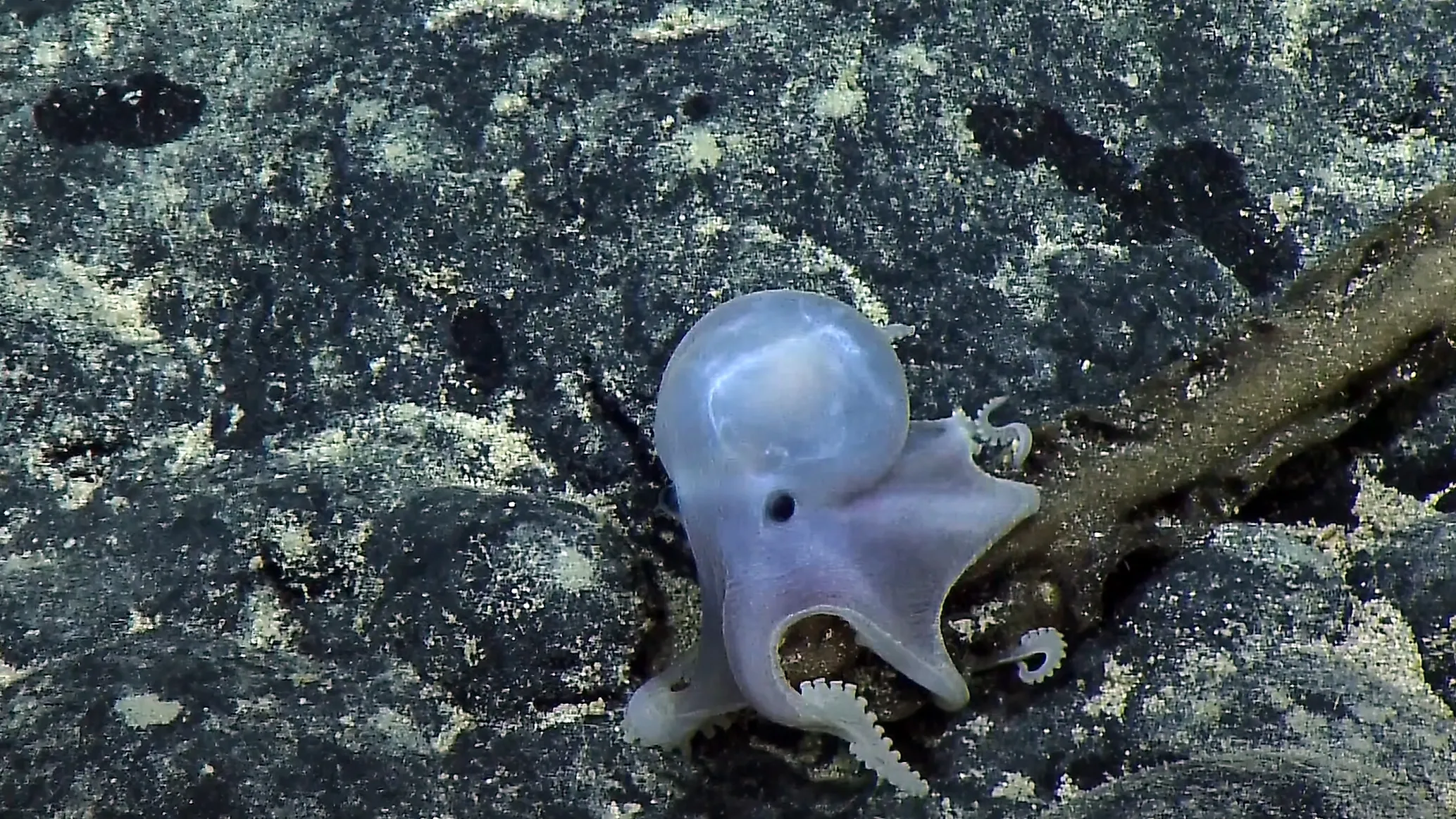
Nicknamed "Casper" for its resemblance to the friendly cartoon ghost, the animal was filmed by the National Oceanic and Atmospheric Administration (NOAA) on February 27, 2016, at a depth of approximately 14,075 feet, northeast of Necker Island in Hawaii.
The encounter was notable because it set a depth record for an octopus without fins, known as an incirrate octopod. Far below the sunlit waters familiar to beachgoers, Casper offered scientists a rare glimpse of an animal adapted to one of the ocean's most difficult environments to explore.
What Makes Casper So Unusual

Casper stood out because of its unusual and unique appearance. Unlike many other cephalopods, it lacked visible chromatophores, the pigment cells responsible for producing color in the skin. Its pale body and translucent, almost jellylike appearance made it look very different from the octopuses people typically encounter in coastal waters.
NOAA researchers also noted that it lacked the fins found on cirrate octopods, including the deep-sea animals commonly called dumbo octopuses. Instead, Casper belonged to the incirrate group, which includes octopuses that more closely resemble their shallow-water relatives. Its unusual combination of features led researchers to suspect that it could represent a previously undescribed species and possibly a new genus.
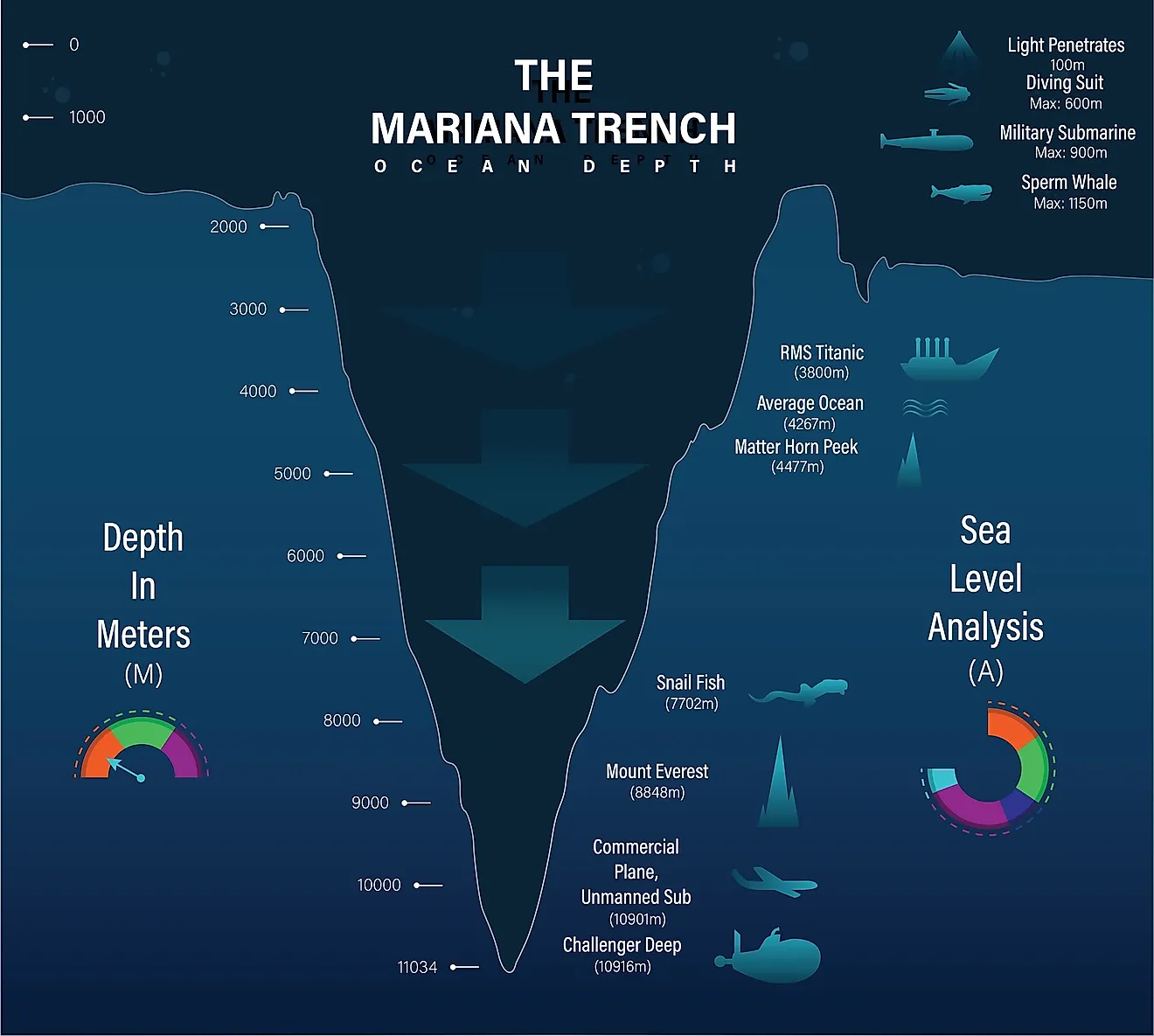
Casper's depth of approximately 14,075 feet placed it in the deep ocean, far below the sunlit surface waters. At this depth, sunlight does not reach the seafloor, temperatures are low, and the water exerts enormous pressure. Animals living in these conditions must survive with limited food and without the environmental cues available to creatures closer to the surface.
Where Was Casper Discovered?

The octopus was discovered during NOAA's Ala 'Aumoana Kai Uli in Papahanaumokuakea Marine National Monument Expedition, which explored deep-water habitats around the Hawaiian Archipelago aboard the research vessel Okeanos Explorer.
The remotely operated vehicle Deep Discoverer captured the footage while investigating the seafloor northeast of Necker Island, part of the Northwestern Hawaiian Islands. At 14,075 feet below the surface, the animal was far beyond the reach of recreational scuba divers, making robotic exploration essential to the discovery.
NOAA's deep-sea expeditions use cameras and specialized equipment to document marine life in habitats that scientists otherwise could not observe directly.
Although other octopuses are also found at considerable depths, Casper's record was specifically for an incirrate octopod. It would therefore be inaccurate to describe it as the deepest animal of every type of octopus. NOAA's records distinguish the animal by its group, keeping the significance of the discovery scientifically precise.
Why Scientists Still Know So Little About Casper
Despite the attention surrounding its discovery, Casper remains scientifically mysterious. NOAA researchers have observed similar-looking octopods in subsequent expeditions, including individuals apparently brooding eggs on dead sponge stalks. These observations offer clues about deep-sea reproduction and the importance of structures on the seafloor as places to lay eggs.
However, Casper still lacks a formal scientific name, and researchers have not conclusively established its taxonomic classification. Video footage allows scientists to document an animal's appearance, habitat, and behavior, but confirming a new species may require additional evidence, such as detailed anatomical examination or genetic analysis. Continued exploration of deep waters around Hawaii and elsewhere in the Pacific could help answer these questions.
A Small Animal On An Immense Seafloor
The Casper octopus demonstrates how a single encounter can expand scientific understanding of life in the deep ocean. Filmed thousands of feet beneath the Pacific near Hawaii, this pale octopod challenged expectations about how deep certain groups of octopuses could live.
Its unusual appearance, uncertain classification, and possible reproductive behaviors have left researchers with questions that further exploration may eventually answer.
For NOAA scientists, the discovery also illustrates why studying American waters matters: remotely operated vehicles can reveal unfamiliar animals and ecosystems in places that remain difficult to reach. Although Casper is only a small creature on an immense seafloor, its discovery shows that even familiar animal groups can hold surprising secrets beneath the waves.