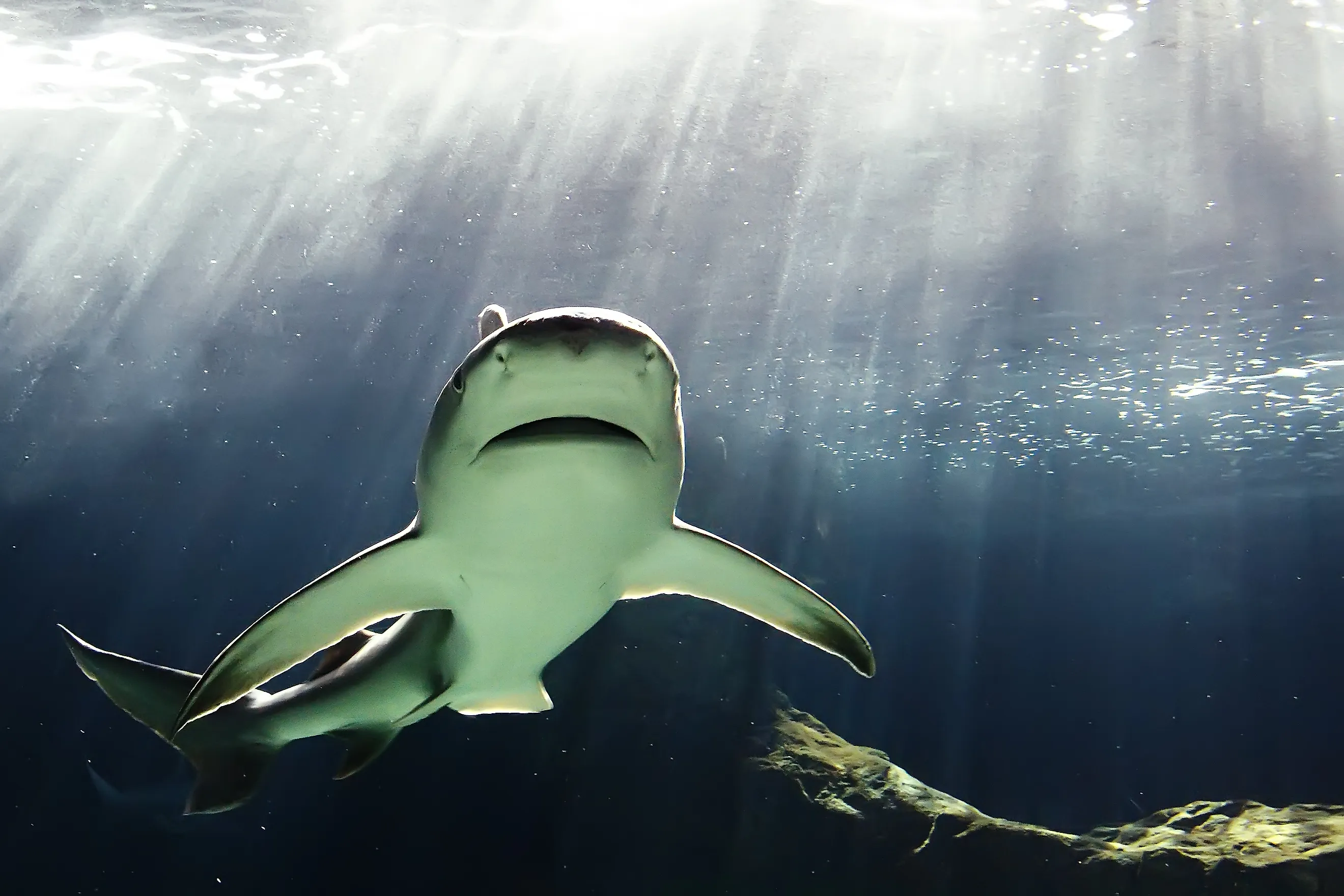
The National Parks Where Sharks Patrol The Shoreline
Sharks inhabit the waters of several US national parks, including the kelp forests surrounding California's Channel Islands and the coral reefs of southern Florida. Some species, such as nurse sharks and lemon sharks, regularly use shallow coastal habitats, while others are occasional visitors. These five national parks protect marine ecosystems where sharks have been documented, offering opportunities to learn about their behavior and their important role in ocean food webs. Although sightings are never guaranteed, each park provides a fascinating look at the habitats these predators call home.
Channel Islands National Park - California

Channel Islands National Park protects five islands off the coast of southern California and the waters extending one nautical mile around each island. Nearly half the park lies beneath the ocean's surface, where kelp forests and rocky reefs provide habitat for an extraordinary variety of marine animals. Visitors may encounter sea lions, harbor seals, dolphins, and migrating whales. Sharks also inhabit the surrounding waters, including the enormous basking shark, although sightings of this species are rare.

Basking sharks are the world's second-largest living fish species, surpassed only by whale sharks. Despite their enormous size, they feed by filtering plankton from seawater. NOAA Fisheries has used satellite tagging to study basking sharks in southern California, helping researchers better understand their movements and habitat use. The species experienced a substantial historical decline in the region, and its population status remains a conservation concern. While visitors should not expect to encounter a basking shark near shore, the surrounding waters remain important habitat for these elusive animals.
Virgin Islands National Park - US Virgin Islands

Virgin Islands National Park protects approximately 60% of St. John, along with surrounding marine habitats. Its boundaries include approximately 7,259 acres of land and 5,650 acres of submerged lands, making it an excellent destination for snorkeling and scuba diving. Coral reefs, seagrass beds, and sheltered bays support numerous marine species, including sharks that use the island's coastal waters for feeding and shelter.

Nurse sharks are the most commonly observed sharks around St. John. These bottom-dwelling animals are primarily nocturnal and often rest beneath rock ledges or coral formations during daylight hours. Juvenile lemon sharks also inhabit shallow coastal environments, including areas near mangroves and seagrass beds. Whale sharks have occasionally been documented in the surrounding waters, although encounters are exceptionally rare. The National Park Service recorded a photographed sighting in 2009. As the world's largest living fish, whale sharks can reach impressive lengths, yet they feed mainly on plankton and other small organisms. Visitors who encounter sharks should maintain their distance and avoid disturbing them.
Dry Tortugas National Park - Florida

Located approximately 70 miles west of Key West, Dry Tortugas National Park encompasses about 101 square miles, with less than 1% consisting of dry land. Seven small islands rise above surrounding waters containing coral reefs, seagrass beds, and shallow sandy habitats. These marine environments support nurse sharks, which are among the park's best-documented shark species. Nurse sharks commonly inhabit warm, shallow coastal waters and often rest on the seabed during the day. Adults typically measure around seven to nine feet long.

The park has also been the setting for a long-running nurse shark research project established in 1991. Scientists have studied the animals' movements, mating behavior, and use of different marine habitats. Research has shown that some nurse sharks spend much of their lives in the Dry Tortugas, while others travel hundreds of miles before returning to the islands to mate. Shallow waters around the islands provide important feeding and reproductive habitat. Visitors can explore the park through snorkeling, diving, and boating, although activities depend on weather and sea conditions. Nurse sharks rarely bite humans unless provoked, so observing them from a respectful distance is essential.
Biscayne National Park - Florida

Just south of Miami, Biscayne National Park protects a vast marine environment containing mangrove shorelines, shallow bays, seagrass beds, and coral reefs. Approximately 95% of the park is covered by water, making boating, snorkeling, and diving popular ways to explore its natural features. These habitats support a diverse range of marine animals, including several shark species that occupy different parts of the park's waters.

The National Park Service's fish inventory includes 14 reported shark species, among them Atlantic sharpnose sharks, blacknose sharks, blacktip sharks, bonnetheads, bull sharks, lemon sharks, nurse sharks, and several hammerhead species. The inventory also includes tiger sharks, great white sharks, and whale sharks, although their inclusion does not mean they are frequently encountered near shore. Nurse sharks are associated with reef habitats, while lemon sharks and bull sharks can use shallower coastal waters. Shark bites remain uncommon, but visitors should take precautions when swimming or snorkeling. Avoiding areas where fishing or baiting occurs, keeping a respectful distance from wildlife, and following National Park Service safety guidance can help reduce the risk of an unwanted encounter.
Everglades National Park - Florida

Established in 1947, Everglades National Park was the first US national park created specifically to protect an area's biological diversity. Covering approximately 1.5 million acres of wetlands, forests, and marine habitats in southern Florida, the park is home to an extraordinary range of wildlife. It is also the only place in the world where American alligators and American crocodiles naturally coexist. Although these reptiles receive considerable attention, sharks also inhabit the park's coastal and estuarine waters.

Bull sharks are particularly well suited to the Everglades because they can tolerate both freshwater and saltwater. They inhabit coastal bays, estuaries, and other waterways where salinity varies. Their presence became a subject of renewed attention in June 2023, when a fisherman was bitten by a shark while washing his hands over the side of a boat in Florida Bay. National Park Service officials indicated that the animal was likely a bull shark, although its identity was not definitively confirmed. Shark bites within the park are extremely uncommon, and bull sharks generally avoid interactions with humans. Visitors exploring Florida Bay and other coastal waterways should remain aware of their surroundings and avoid attracting sharks with bait or fish remains.
Knowledge, Not Fear
Sharks are essential members of marine ecosystems, helping regulate prey populations and maintain healthy ocean food webs. Although hundreds of shark species inhabit the world's oceans, only a small proportion have been associated with serious unprovoked bites on humans. Most sharks pose little threat when left undisturbed. Visitors to Channel Islands, Virgin Islands, Dry Tortugas, Biscayne, and Everglades national parks can reduce their risk by following park-specific safety guidance, avoiding areas where fishing or baiting is taking place, and never attempting to touch or feed sharks. Understanding their behavior makes it easier to appreciate these remarkable animals while respecting the wild environments they inhabit.