The National Parks Where Fall Is The Only Quiet Season
National parks in the east often become more crowded in the fall, as folks rush to see the fall colors at their peak. However, out in the west, and in one hidden spot in the north, national park visitation slows down significantly in the fall. Across these parks, visitation generally declines from summer into October and November, although September remains busy at some locations. Colder weather, changing foliage, and wildlife movements toward winter ranges also mark the season. Those who can handle the lower temperatures can enjoy some of the biggest national parks in the continental US with far fewer crowds and far more time to spend hiking through glacier-filled mountains, past fields of bison, and even to a hidden island tucked away on a huge lake.
North Cascades National Park, Washington

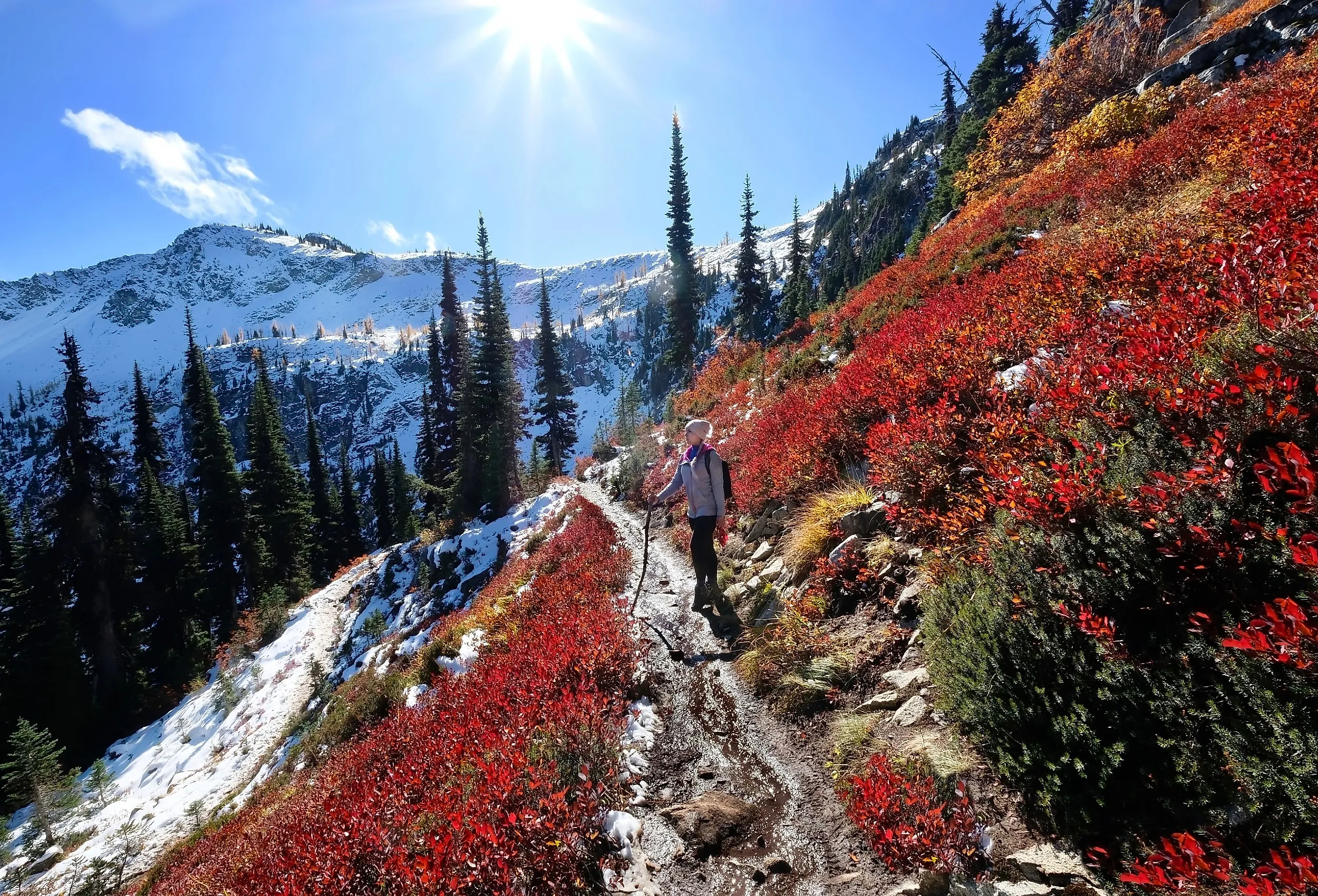
Located in Washington, North Cascades National Park is known for jagged peaks crowned by more than 300 glaciers, along with forested valleys and cascading creeks. The park sees its peak visitation from May to September, but as fall comes to the park, activities slow down significantly. In October 2025, North Cascades National Park recorded 1,713 recreation visits, although that figure excludes the separately reported Ross Lake and Lake Chelan national recreation areas within the wider park complex.
Services are less available in the fall, with most visitor centers shutting down in early October. However, one can still spend a lot of time hiking through the lower valleys or ascending up to snow-covered mountains. Easy options include the 0.3-mile Happy Creek Forest Walk, with an optional 2.6-mile round-trip spur to a waterfall. The strenuous 10.4-mile Sourdough Mountain Trail gains 4,870 feet. For those not interested in hiking, the North Cascades Highway goes by the jagged peaks and glaciers, and will also reveal views of orange and red leaves amid evergreen trees.
Isle Royale National Park, Michigan

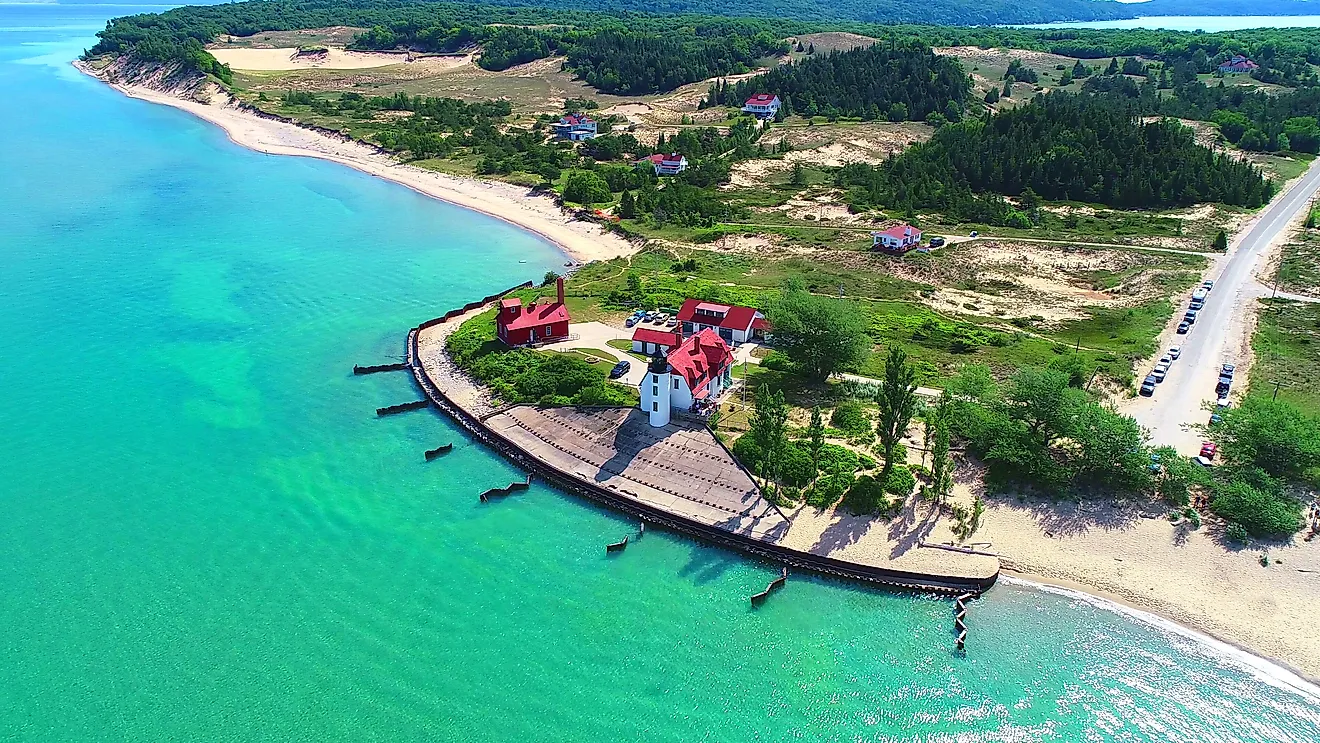
Unlike the other national parks, Isle Royale National Park shuts down in the winter, meaning fall is the last time someone can visit this Lake Superior island in a calendar year. The park is open from April 16 to October 31st. It shuts down each winter due to winter storms, making travel on Lake Superior dangerous.
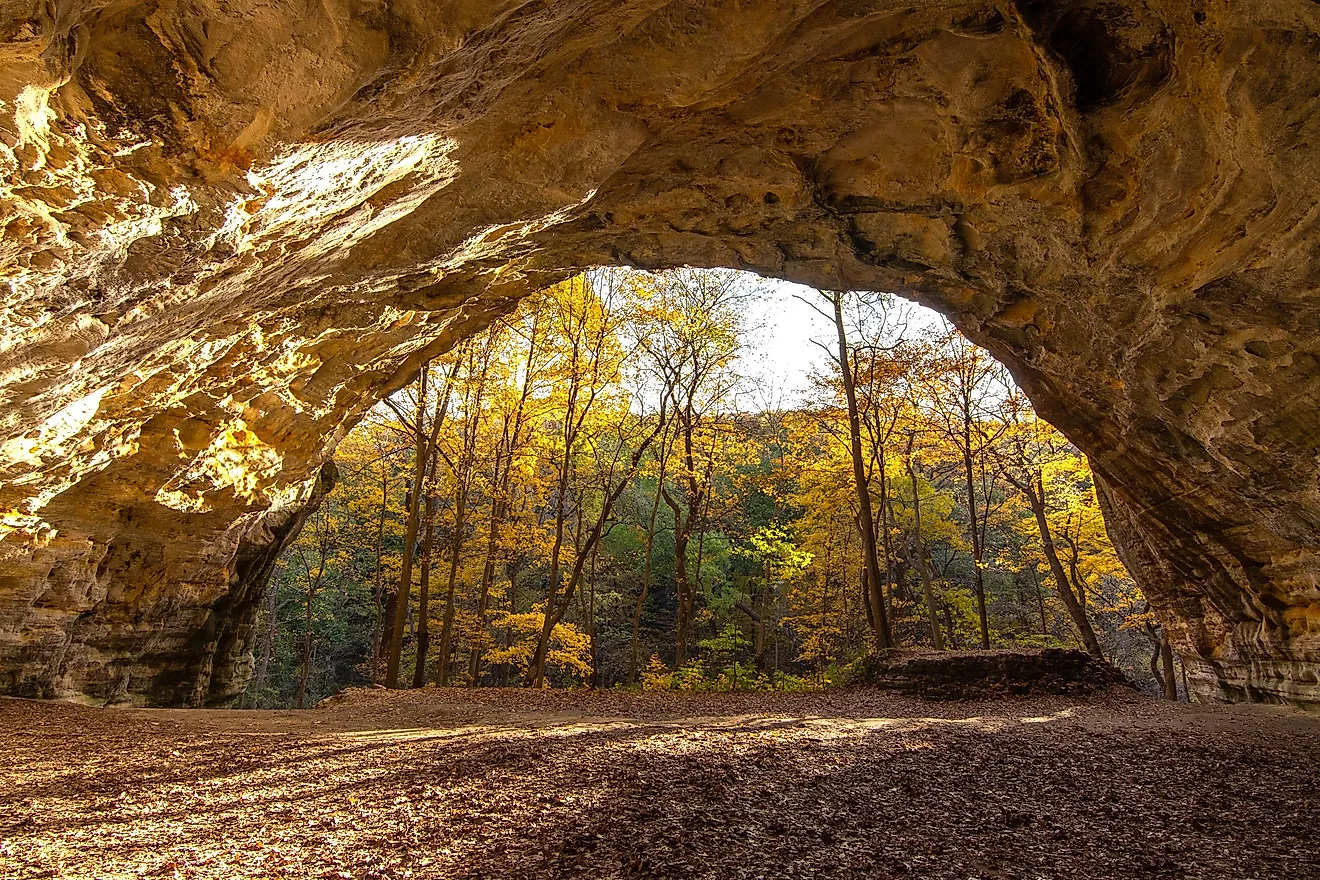
Going to this park in the fall will make one feel like they are all alone, as ferry services end by the end of September, making the park only accessible by private boat or seaplane. In the park, one can see a vast array of yellow and orange leaves and walk along quiet trails such as the Albert Stoll Jr. Memorial Trail or the route to Suzy's Cave, an inland sea arch near Rock Harbor on the eastern end of Isle Royale. Guests will need to take extra precautions in the fall, both to stay warm at night and to stay clear of mating moose, which can be more aggressive during this season.
Grand Teton National Park, Wyoming

The Grand Teton National Park doesn't just become more beautiful in the fall; it also becomes significantly less crowded. NPS recorded 281,020 visits in October 2025 and 270,892 in October 2024. The 2025 total was about 55% lower than September's 617,970 visits and well below August's 735,593 visits.
In the fall, visitors may see yellow aspens and migrating wildlife, such as bison and pronghorn, move east while elk begin moving south toward their winter grounds. There are many hiking trails one can take to see these changing colors and traveling herds of animals, such as Hermitage Point, overlooking Jackson Lake and the wider Teton Range, or the Polecat Creek Loop. As for the trees to watch out for, there is quaking aspen, which can turn yellow, orange, and red, along with narrowleaf cottonwoods, which turn yellow.
Sequoia & Kings Canyon National Park, California

Sequoia & Kings Canyon National Park slows down significantly in the fall, enabling guests to take their time hiking through the Sequoia Groves, rock climbing on granite cliffs, or stopping to take a photo of viewpoints on the Kings Canyon Scenic Byway. In October 2025, the Sequoia National Park saw 122,794 guests, compared to close to 200,000 in August and July. Kings Canyon National Park, meanwhile, only had 68,186 guests in October 2025.
Although considered separate national parks, Sequoia National Park is jointly managed with Kings Canyon National Park, meaning one entrance fee will get you access to both parks. One accessible option is the 1/3-mile General Grant Tree Trail, which passes the General Grant Tree that President Calvin Coolidge designated the Nation's Christmas Tree in 1926.
Yellowstone National Park, Wyoming

As the first national park to be established, Yellowstone National Park has greeted visitors since 1872 and has remained popular ever since, ranking 3rd in 2025 for visitors at 4.762 million guests. The peak season for this park lasts from June through September, before beginning to slow down in October and November, before wintery conditions set in.
Out of all the months in Yellowstone National Park, October and November are some of the best, as the crowds significantly die down, especially in November, which is one of the least busy months in the park. Hikes are also more pleasant, as there are many fewer mosquitoes while out visiting the geysers, mud pots, and other geothermal water attractions in the park. Temperatures may vary, as Yellowstone Lake has an average high of 47 degrees in October, but Mammoth Hot Springs has an average high of 54 degrees. In October, most Yellowstone roads are typically open, weather permitting, but snow can restrict trail access; by November, most roads are closed to regular vehicles, and access is concentrated along the road between the North and Northeast entrances.
Yosemite National Park, California

Yosemite National Park regularly ranks among the top 10 most visited national parks. In 2025, it ranked 5th overall at 4.278 million visitors. Fall is one of the only times of the year to avoid the crowds, with just under 222,000 visitors in November 2025 and 444,394 in October 2025.
Although it has fewer deciduous trees than national parks in the eastern US, it still brightens in October with fall colors, as poison oak foliage turns orange, pink, or purple amid yellow bigleaf maples and red or pink dogwoods. October rainfall can also cause falls to revive before the winter freeze, and visitors can enjoy less crowded walks through the Mariposa Grove of Giant Sequoias. There are short trails within this grove, such as the Big Trees Loop Trail, journeying through both standing giant sequoias and the Fallen Monarch, a collapsed tree that showcases on a different level just how large these trees are.
Mount Rainier National Park, Washington

Mount Rainier National Park reaches its busiest stretch in July and August before visitation falls sharply with the temperatures. The park recorded 430,922 recreation visits in August 2025, followed by 168,751 in September and 98,921 in October. That represents a 77% decline between August and October, creating a quieter opportunity to explore the park's glaciers, waterfalls, and old-growth forests.
Fall colors brighten the subalpine landscapes around Paradise and Tipsoo Lake. The easy Nisqually Vista Trail overlooks Mount Rainier, the Nisqually Glacier, and the Tatoosh Range. The 3.5-mile Naches Peak Loop passes colorful meadows and offers sweeping mountain views, while the more challenging Skyline Trail climbs through Paradise toward Panorama Point. Visitors should prepare for rapidly changing conditions because snow can arrive at higher elevations during autumn. Most park roads remain open only through early October, so checking current road and trail conditions is essential before traveling.
These Parks Make the Most of Fall
Most of these parks remain open in some capacity during the fall, while Isle Royale is open through October 31 and closes from November 1 through April 15. All parks experience notable post-summer declines, although they are examples rather than the only national parks with substantially lower late-fall visitation. Access remains possible at most of these parks during the fall, but visitors may encounter snow-related road and trail closures while Isle Royale closes completely on November 1. The transition from summer to fall is often highly visible, with color appearing in many forests and some wildlife moving to lower-elevation or other winter ranges.