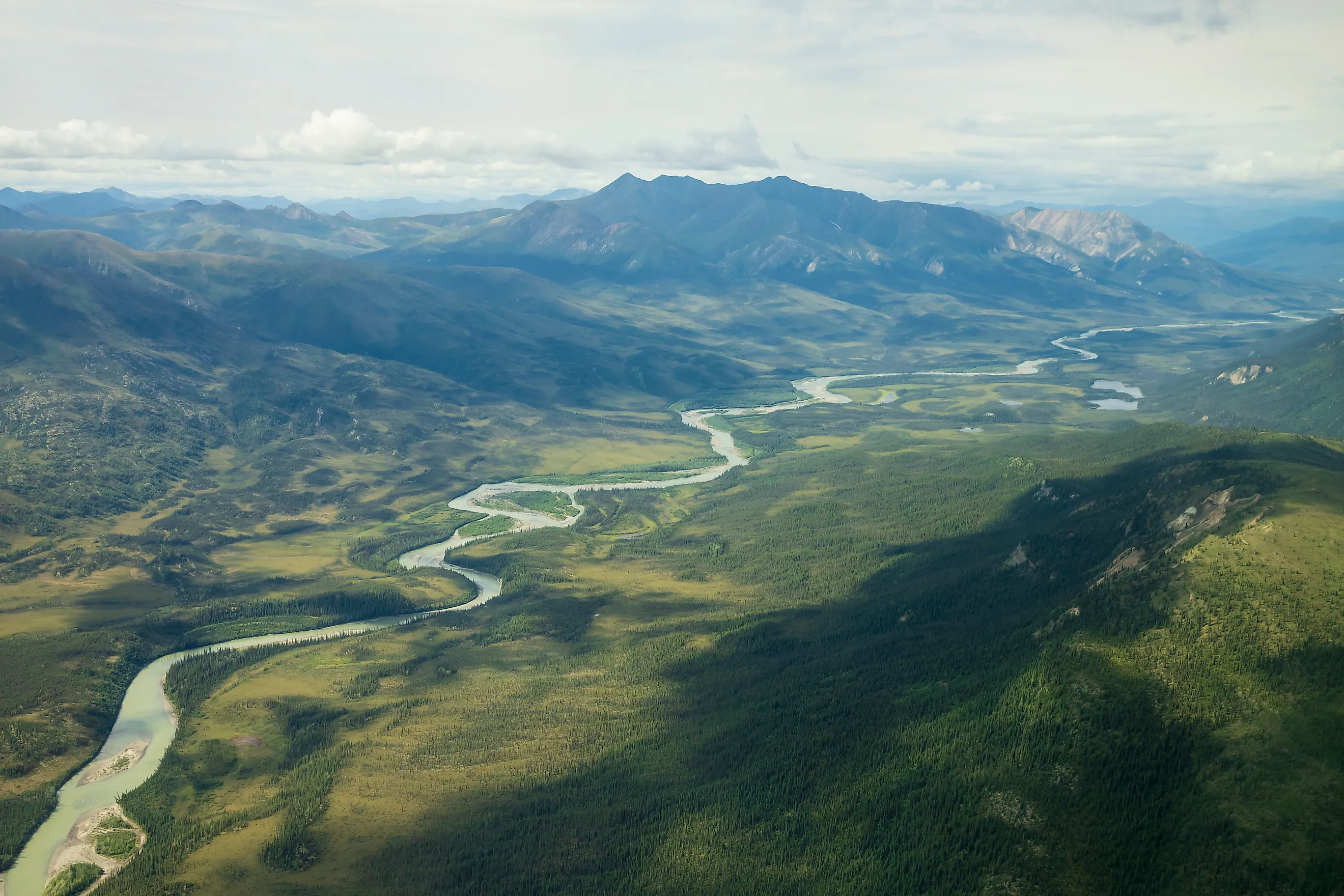
The Most Expensive National Park To Visit
It lies north of the Arctic Circle. It is the northernmost national park in the United States. It covers an area almost the same size as Maryland. There are no roads, trails, or campgrounds. No entrance fee is necessary to enter the park. Yet somehow, Gates of the Arctic National Park and Preserve is the most expensive national park to visit in the United States.
The Most Remote National Park

Gates of the Arctic National Park and Preserve is a vast undeveloped wilderness. The park and preserve spans over 8.4 million acres above the Arctic Circle in Alaska's Brooks Range, the northernmost mountain range of the Rocky Mountains. The south slopes of the Brooks Range are forested, similar to interior Alaska, while the high country and north slopes of the Brooks Range are wide open, treeless tundra.
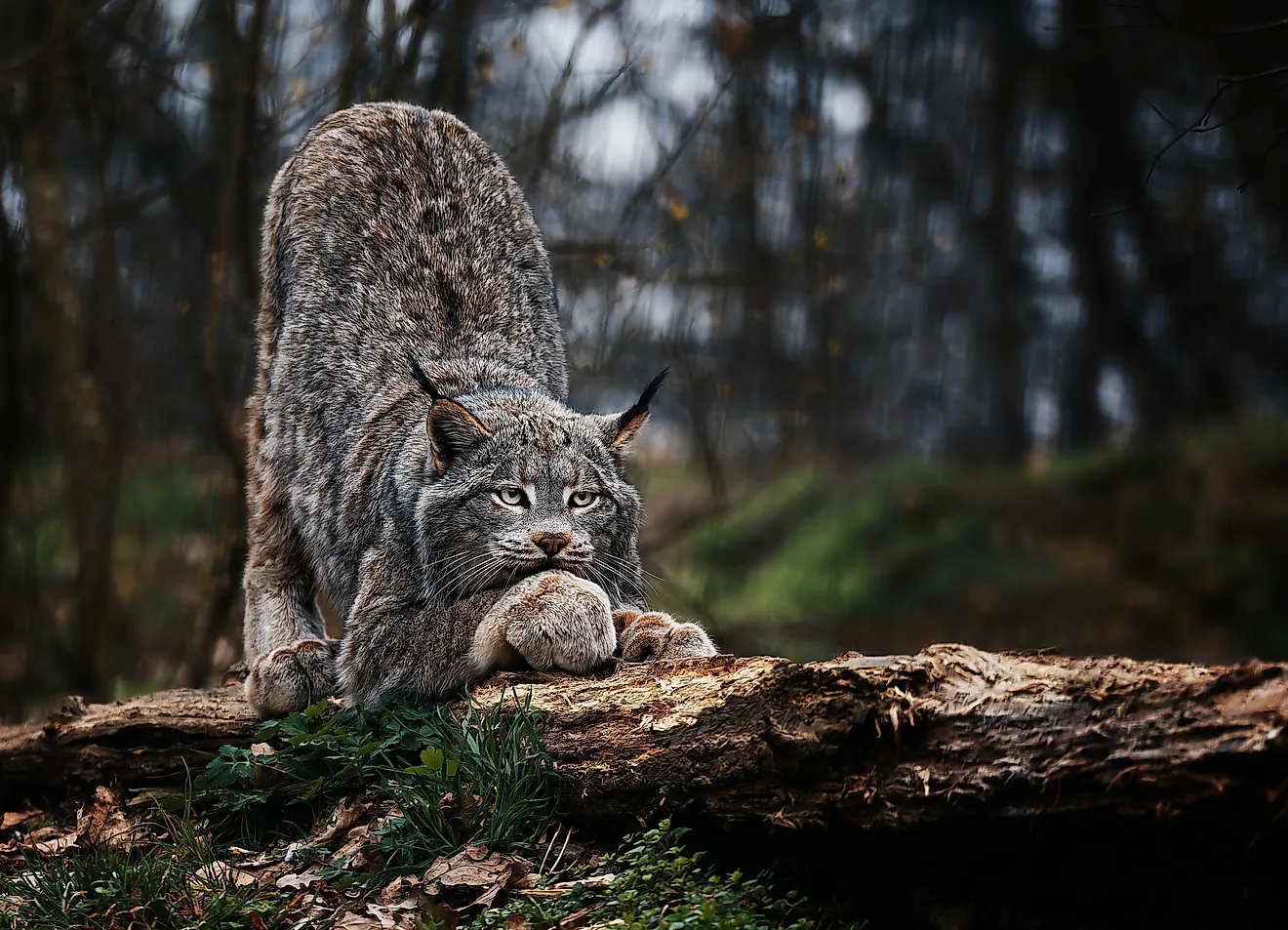
It is the land of extremes. Parts of the region experience 30 continuous days of sunlight during the summer, while the sun remains below the horizon for approximately three weeks between December and January. During the long winter nights, the Aurora Borealis dances across the sky. Caribou and grizzly bears migrate through glacial valleys, while rivers, mountains, and tundra stretch across a landscape largely untouched by roads and development.
Getting There

The park has no roads, no trails, no visitor center inside the park boundaries, and no clear access point. Most visitors access the park by privately chartered bush planes that can cost upwards of $700 and are often equipped with floats or tundra tires.
It is possible to drive close to the park and then hike in. The journey requires driving about 255 miles north of Fairbanks up the Dalton Highway to Coldfoot. After arriving in Coldfoot, visitors are able to hike into the park from the highway. However, the Dalton Highway is a mostly unpaved, two-lane industrial road with no amenities or services between Fairbanks and Coldfoot. Coldfoot has an air taxi service, motel, and store.
Bettles and Anaktuvuk Pass are two other towns that act as gateways to Gates of the Arctic. There are no roads leading to them. Daily flights operate out of Fairbanks to each of these towns, which have stores for supplies, while only Bettles has air taxis into the park.
While you can hike into the park from each of these locations, there are no marked trails. River crossings are required from both Anaktuvuk Pass and the Dalton Highway.
Hiring a Guide

Upon entering Gates of the Arctic, visitors are on their own. There is no cell phone service, amenities, services, or infrastructure within the park. Grizzly and black bears roam the park. Days or weeks may pass before seeing another person. Unpredictable weather in the remote Alaskan Arctic can delay transportation or pick-up on a certain date. At least one other person should know what someone's itinerary is or what general area they will be hiking, backpacking, or rafting in.
Hiring a guide not only minimizes these risks, but also takes care of the logistics involved in visiting the park. Several outfitters offer guided backpacking trips into the park. Alaska Alpine Adventures runs five scheduled trips into the park each summer, ranging in price from $6,695 to $9,965. These include hiking, backpacking, kayaking, rafting, and canoeing. Expedition Alaska offers packrafting and backpacking trips between two and seven days of various difficulty that range in price between $4,400 and $5,700. Trips with Arctic Wild vary between $8,200 and $10,200.
These trips can include transportation to the park, bush plane charters, camping and backpacking gear, satellite phones and other emergency communications, as well as other miscellaneous first aid, maps, and navigation. Rather than paying for a guide who simply knows the terrain, visitors are paying for the infrastructure and logistical support that the park itself does not provide.
Staying in the Arctic

Recreating outdoors anywhere at any time is weather-dependent. This is especially true in Gates of the Arctic. Winters are long, and summers are short. Weather can rapidly and severely fluctuate. Sudden rainstorms can cause rivers and streams to rise, making them impassable. Wildfires in lower elevations create their own weather, like lightning, hail, or torrential rain.
Mid-June to September is regarded as the best time to go backpacking and hiking, while August is best for float trips. Freezing temperatures may occur at any time of the year. Although July is generally considered the only month snow does not fall, that doesn't mean it hasn't in the past.
Anyone who wants to explore the park at any given time of the year needs to come prepared. That means purchasing rain gear, base layers, insulating layers, backpacking supplies, durable hiking boots, and other equipment. These expenses can quickly add hundreds or even thousands of dollars to a trip before visitors have even paid for a guided expedition or chartered plane.
Is It Worth the Cost?
Venturing into Gates of the Arctic National Park and Preserve is not for the faint of heart. Regardless of whether visitors choose a guided expedition or venture into the wilderness independently, a trip is going to come with a high cost. Yellowstone and Yosemite National Parks are much more cost-efficient and offer their own opportunities for backpacking, hiking, and rafting. But for experienced outdoor enthusiasts who have already explored the more accessible national parks, the opportunity to venture somewhere so remote that fewer than 12,000 people visit each year may be worth the expense.