The Deadliest National Parks In America
In 2025, nearly 200 people died in national parks across the United States. Between 2007 and 2024, there have been 198 deaths in Grand Canyon National Park. However, this does not necessarily mean it is the most dangerous. The death toll seems so high because Grand Canyon National Park is among the most popular and most visited national parks in the country. The list below consists of the ten national parks visitors are most likely to die in. The list is ranked by deaths per 10 million recreational visits from 2007 to 2024.
North Cascades National Park, Washington

Entry to North Cascades National Park requires no park pass and no admission at a toll booth. Visitors can simply travel three hours from Seattle and access alpine conditions filled with jagged peaks and over 300 glaciers. North Cascades does not have the same features that people visiting as just tourists can access, unlike most national parks. Those who come to the Cascade Mountains, however, come to the park specifically for adventure recreation, including mixed mountaineering, glacier travel, technical rock climbing, and scrambling. Alpine climbing presents climbers and hikers with challenges, rewards, and risks. Falls at high elevation and injuries from falling rock and ice are among the hazards that come with that kind of terrain. North Cascades has a death rate of 601 per 10 million visits, which is nearly seven times higher than the second most deadly national park in the country.
Denali National Park and Preserve, Alaska

For high-altitude mountaineers attempting to conquer the Seven Summits, the highest peak in North America can be found in Denali National Park and Preserve. Mount Denali (or McKinley) stands at 20,310 feet. Denali National Park and Preserve covers six million acres of wild land, bisected only by one road. Most of the park is devoid of trails. The subarctic conditions mean snow can fall any month of the year. Cyclists have to share the single road with bears. Any accident in the park could be fatal, since the nearest hospital from the entrance of the park is several hours away. There are 89 deaths per 10 million visits to Denali National Park and Preserve. Most of these deaths occur from falls. The remoteness and extreme weather can affect climbers in many ways, including exhaustion, insufficient equipment, high altitude sickness, or extreme cold temperatures causing frostbite.
Big Bend National Park, Texas

Big Bend National Park occupies 1,252 square miles of land, making it larger than the entire state of Rhode Island. Within its boundaries is the largest preserved area of the Chihuahuan Desert and the isolated Chisos Mountains. Even though there are 150 miles of hiking trails in the park, the midday desert heat is not optimal hiking weather. Maps mislead visitors about the presence of natural springs to refill on water. It is advised to carry at least one gallon of water per person, per day. However, water presents hazards of its own. Rain can cause flash floods in areas like narrow canyons and dry washes. Every year, rangers respond to hikers facing challenges in the park's desert environment. Additionally, the Rio Grande may look appealing to cool off in, but calm-looking water can hide strong undercurrents and rocky river bottoms. The harsh desert environment is responsible for 43 deaths per 10 million visits in the park.
Mount Rainier National Park, Washington

It should not be a surprise that a national park with an active volcano can be deadly. Active steam vents, earth tremors, eruptions, debris flow, glacial floods, and rockfalls are all potential geohazards at Mount Rainier National Park. The more time someone spends in an area with geohazards, the more likely they could be involved in an event. As the most glaciated peak in the contiguous United States, Mount Rainier gives mountaineers an exciting challenge. However, it also presents an array of risks. Weather patterns in the park are strongly influenced by the Pacific Ocean. Mountain weather can rapidly fluctuate. Wet and cold weather can occur even in the dry seasons. As such, hikers and mountaineers should be prepared to adapt to shifting weather patterns. Although the death rate is 34 per 10 million visits, it is not just high-altitude mountaineers that are at risk. Even hikers on lower elevation trails can experience geohazards like glacier floods and debris flows blocking the trail.
Death Valley National Park, California and Nevada

The clue is in the name. Death Valley National Park is the lowest, hottest, and driest national park in the United States. Death Valley is the hottest place in the world and the driest place in North America. The highest temperature ever recorded in the park was 134 degrees Fahrenheit on July 10, 1913. Hiking in the valley and lower elevation areas of the park is not advised when the weather is that hot. Dizziness, nausea, and headaches are all symptoms of heat exhaustion and heat stroke. Temperatures are actually mild and pleasant during winter and spring. Despite the heat, flash floods also pose a serious threat. But it isn't the extreme weather and temperatures that are responsible for the park's number of 33 deaths per 10 million visitors. Single-vehicle rollover accidents on the park's long and winding roads are responsible for causing the most fatalities in the park.
Sequoia and Kings Canyon National Parks, California

Sequoia and Kings Canyon National Parks are located in the southern Sierra Nevada Mountains and range between elevations of 1,300 feet in the foothills to 14,505 feet at the summit of Mount Whitney. Yet, somehow, drowning is the leading cause of death in the parks. Hikers in lower elevations during the summer can experience temperatures of 100 degrees Fahrenheit. Cooling off in the parks' lakes and rivers can be tempting, although they come with a caveat. During spring and early summer, vast amounts of snowmelt make the river currents fast and icy cold. Strong currents make it nearly impossible to get back out. Cold temperatures can shock the body and weaken strength. Hypothermia can set in fast, even if it is 100 degrees. In many river-related deaths, most people fall in rather than intentionally entering the water to swim. Nonetheless, the parks experience 30 deaths per 10 million visits.
Canyonlands National Park, Utah

The canyons, buttes, and spires of Canyonlands National Park were carved out of sandstone by the Colorado River and Green River. But exploring the formations of canyon country itself poses hazards. Sandstone can be slippery when wet or sandy. Additionally, the very rivers that formed the park pose deadly risks like high water, cold temperatures, and broaching. Other factors that can be dangerous in Canyonlands include extreme temperatures above 100 degrees Fahrenheit in the summer, sudden severe weather like monsoons that cause flash floods, and visitors not knowing their limits. Each year, park rangers respond to hundreds of search and rescue incidents due to the extreme conditions and hazards. Unfortunately, for that reason, Canyonlands experiences 28 deaths per 10 million park visits.
Channel Islands National Park, California

Channel Islands National Park is composed of five islands off the coast of Southern California near Los Angeles. The remoteness of the islands themselves immediately poses a danger before even stepping foot on them. Emergency services are limited and cannot quickly arrive from the mainland. It is crucial for visitors to plan accordingly for their trip and their safety. The islands are primitive. There is no lodging and no services, and visitors have to carry in their own food, though restrooms are available on every island and potable water can be found at the Scorpion Canyon campground on Santa Cruz and the Water Canyon campground on Santa Rosa. The park is located in a tsunami zone. The deer mice population carry hantavirus. But the remoteness is part of the appeal. Channel Islands provide swimmers, kayakers, and divers access to marine landscapes to recreate in. However, this ocean environment's number one cause of fatality is drowning. High winds and rough ocean swells can make navigating the seas treacherous. This can also be attributed to the 28 deaths per 10 million visits in the park.
Yosemite National Park, California

Rock climbing on El Capitan. Illegal BASE jumping off granite cliffs. Swimming in waterfalls. Yosemite National Park is a mecca for outdoor enthusiasts. But so many opportunities to enjoy the outdoors present more ways to get hurt. Major draws of the park include granite formations like El Capitan and Half Dome. Rockfalls occur annually and can cause serious injury or death. Since so much of the landscape is formed by granite, it is impossible to monitor all potential rockfall areas. BASE jumping has been illegal since the mid-1980s, having caused injuries, deaths, and high-risk rescues. Unsuspecting visitors are swept over waterfalls to their deaths in waters that seem shallow and calm. The park is also known for its Giant Sequoia trees. Throughout the years, several visitors have been seriously or fatally injured by falling trees in the park. Collectively, the major risks in Yosemite equate to 27 deaths per 10 million visits.
Grand Canyon National Park, Arizona

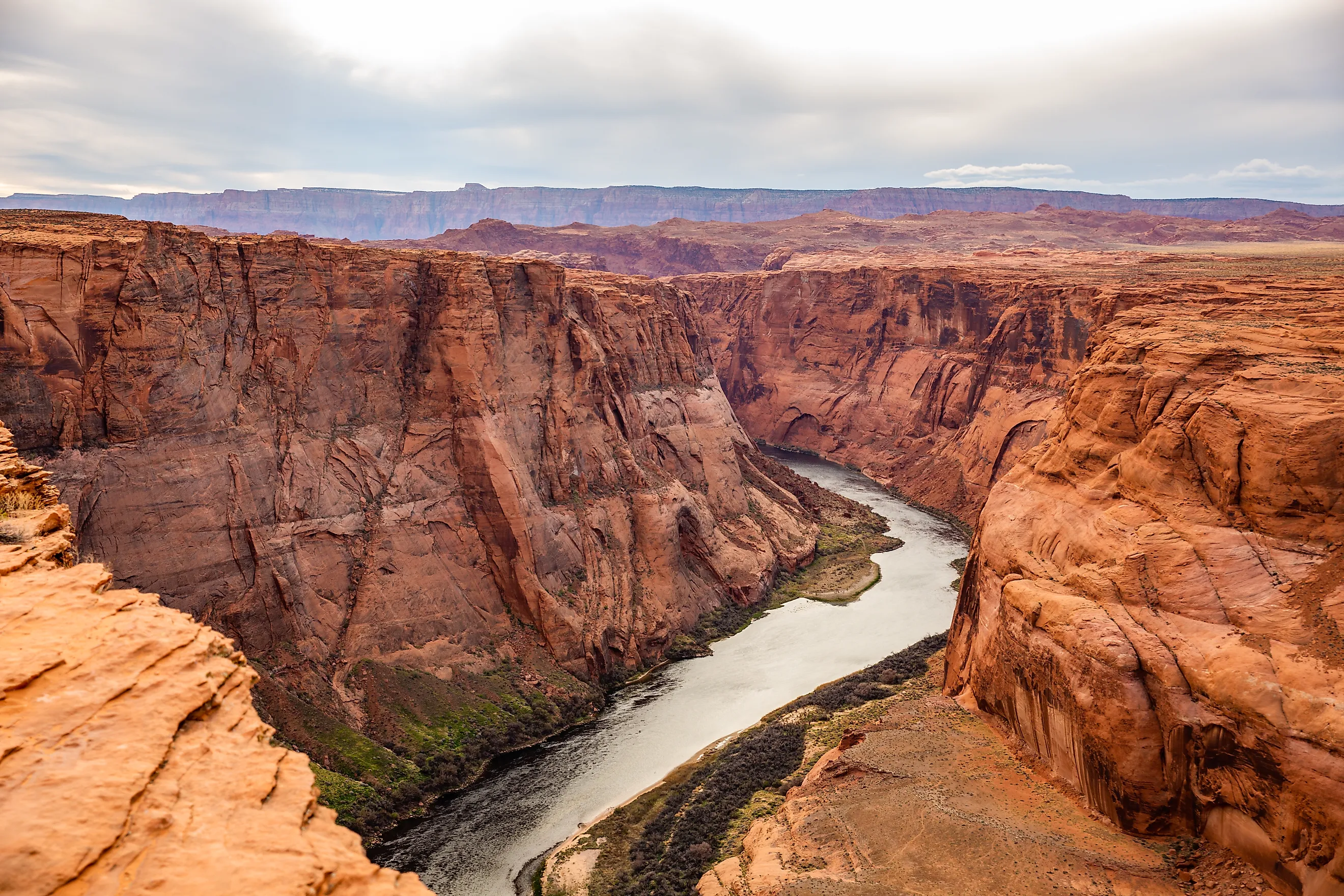
Everyone wants a picture of themselves standing close to the edge of the Grand Canyon. Elevations on the South Rim are 7,000 feet while elevations on the North Rim are 8,000 feet. To ensure safe viewings of the Colorado River from the top of the mile-deep canyon, visitors to Grand Canyon National Park are advised to maintain a distance of at least six feet away from the edge and remain behind railings or fences in areas where they are present. However, the leading cause of death in the park is due to sightseeing airplane and helicopter crashes. After aviation accidents, the most common causes of death are falling, hiking, environmental incidents, and drowning. This puts Grand Canyon National Park at the top of the list for the highest number of deaths among the national parks, with 198. However, per 10 million visits, this only translates into 23 deaths.
Safely Visiting National Parks
Like the National Park Service suggests, plan like a ranger. Recreating in national parks safely can be achieved by planning accordingly beforehand and arriving prepared, knowing when to turn around if weather changes for the worse, never going alone, or letting people know where you are. While the statistics may seem scary, the leading causes of death in national parks between 2007 and 2024 were drowning, motor vehicle crashes, and medical events. Not environmental or wildlife-related, as many people may think.