Why Lakes Turn Over Every Spring And Fall
Drop a thermometer into a deep lake in July and the reading at your feet will not match the reading near the bottom. A warm upper layer floats on colder water below and the two barely touch for months. Then twice a year that barrier breaks down and the whole water column mixes completely. Scientists call these lakes dimictic because they mix twice. The event is called turnover. For the fish living down in the depths it decides whether the water is breathable or a dead zone.
Lake Stratification

In lakes deeper than about 20 feet, the water settles into distinct thermal layers for most of the year. These layers resist mixing, which keeps the deeper water from taking on fresh oxygen. Limnologists call this layering "stratification." It comes down to an unusual property of water, which reaches its greatest density at 39 degrees Fahrenheit (4 degrees Celsius). Warm the water above that point or cool it below, and it grows lighter in both directions. The physics of stratification follows from that single fact: a warm surface layer sits on top of the colder, denser water beneath because the two have different weights.
How and When Turnover Happens

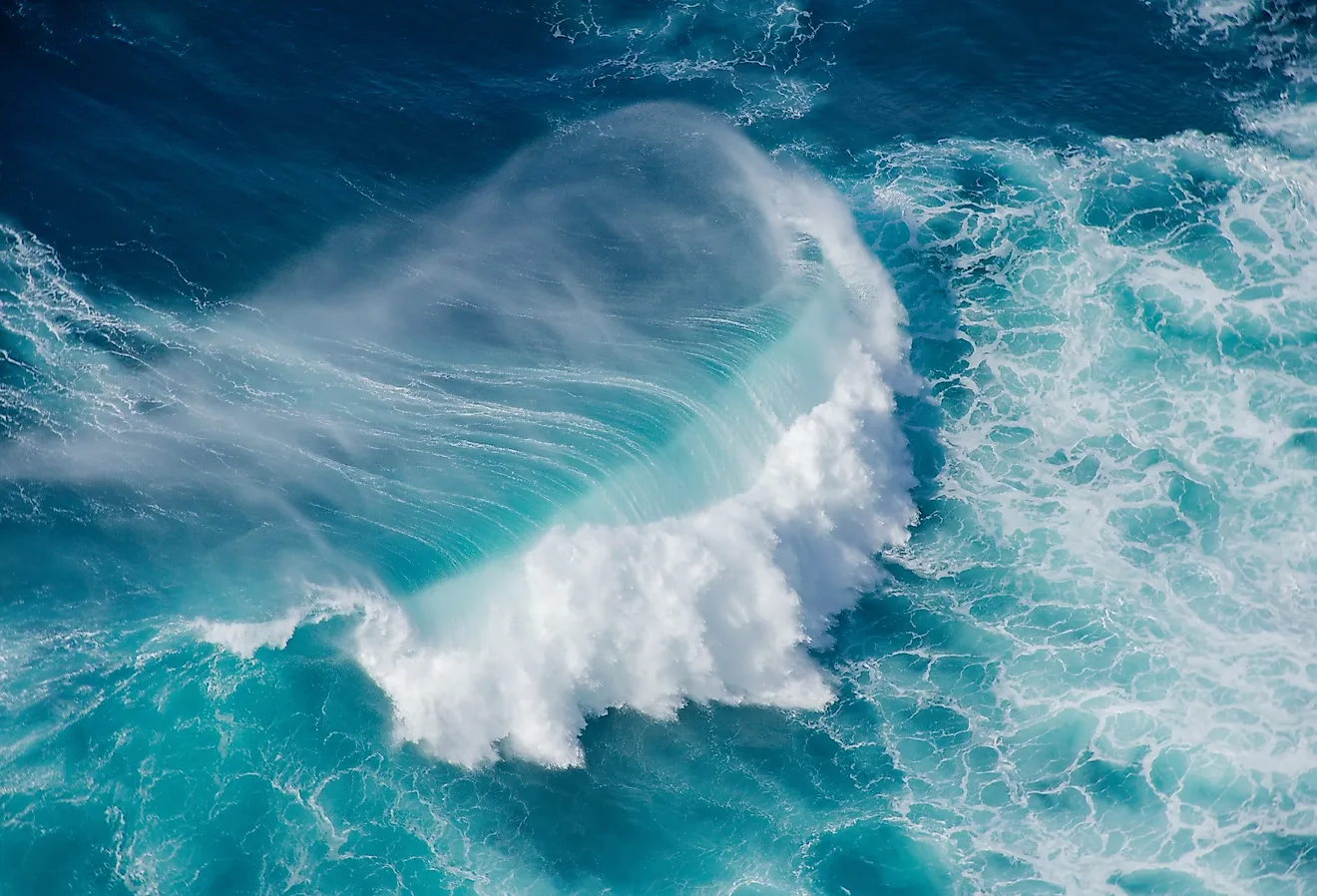
Turnover describes the point when a lake loses its layers and mixes completely, top and bottom together. Seasonal shifts in sunlight and air temperature swing the surface water temperature sharply in spring and fall, and those swings drive the whole process. During the spring, the surface warms toward the 39-degree mark of the water below, and the density gap between the two layers narrows. A few days of strong wind are then enough to stir the water column completely, pushing surface water down and drawing deep water up. The same thing recurs in the fall. As the warm upper layer cools through autumn, it grows denser until little difference remains between top and bottom, and one windy day is enough to mix the lake completely. At that point the water reaches a single temperature and density throughout, and oxygen and nutrients spread through the entire lake. Through winter, the surface cools past 39 degrees, ice forms, and the layers re-form until spring restarts the cycle.
How Oxygen Moves During Turnover

During turnover, more than the temperature evens out. As the water mixes, oxygen-rich surface water sinks to the depths while oxygen-starved bottom water rises, the way a spoon folds air through a thick batter. That oxygen dissolves into the water throughout the column, and getting it down into the deep layer, the hypolimnion, matters to everything that lives there. Fish and most other aquatic animals depend on dissolved oxygen to breathe. When it runs low near the bottom, cold-water fish that prefer the deep, cool water get squeezed toward the warmer surface, a poor trade for species built for the cold. The shortage usually starts on the lake floor, where bacteria strip oxygen from the water as they break down dead algae and other organic matter settling from above.
What Happens to Oxygen in Summer

Through the summer, the warm upper layer, the epilimnion, keeps drawing fresh oxygen from the air and from photosynthesizing organisms, so it stays well supplied. The colder, darker hypolimnion below gets none of that. Sealed off by the density barrier and full of oxygen-hungry bacteria and decomposers, the deep layer can run down to almost nothing by late summer.
What an Oxygen-Starved Lake Does to Its Chemistry

In a hypolimnion stripped of oxygen, the lake's chemistry shifts, not just its biology. In well-oxygenated water, phosphorus binds to iron and stays locked up, out of reach of plants and algae. Strip the oxygen away, and that bond breaks: the phosphorus separates from the iron and dissolves into a form algae can use. By late summer, the bottom water of a stratified lake can hold a heavy load of this free phosphorus. When the lake turns over in fall, that phosphorus rises with the mixing water into the sunlit surface, where algae and cyanobacteria seize the sudden supply and multiply fast. That pulse is why late-season blooms are so common. The same thing happens after the spring turnover, usually on a smaller scale.
Why Turnover Matters
A lake that never turned over would stay split into a livable top and a suffocating bottom, with much of its depth closed to fish year-round. Turnover is the reset. Twice a year, the mixing water spreads oxygen back through the depths and lifts the buried nutrients toward the light. That same pulse of nutrients also fuels the late-season blooms, which is the trade-off built into the cycle. For everything living below the surface, those two windows in spring and fall are what keep the whole lake habitable.