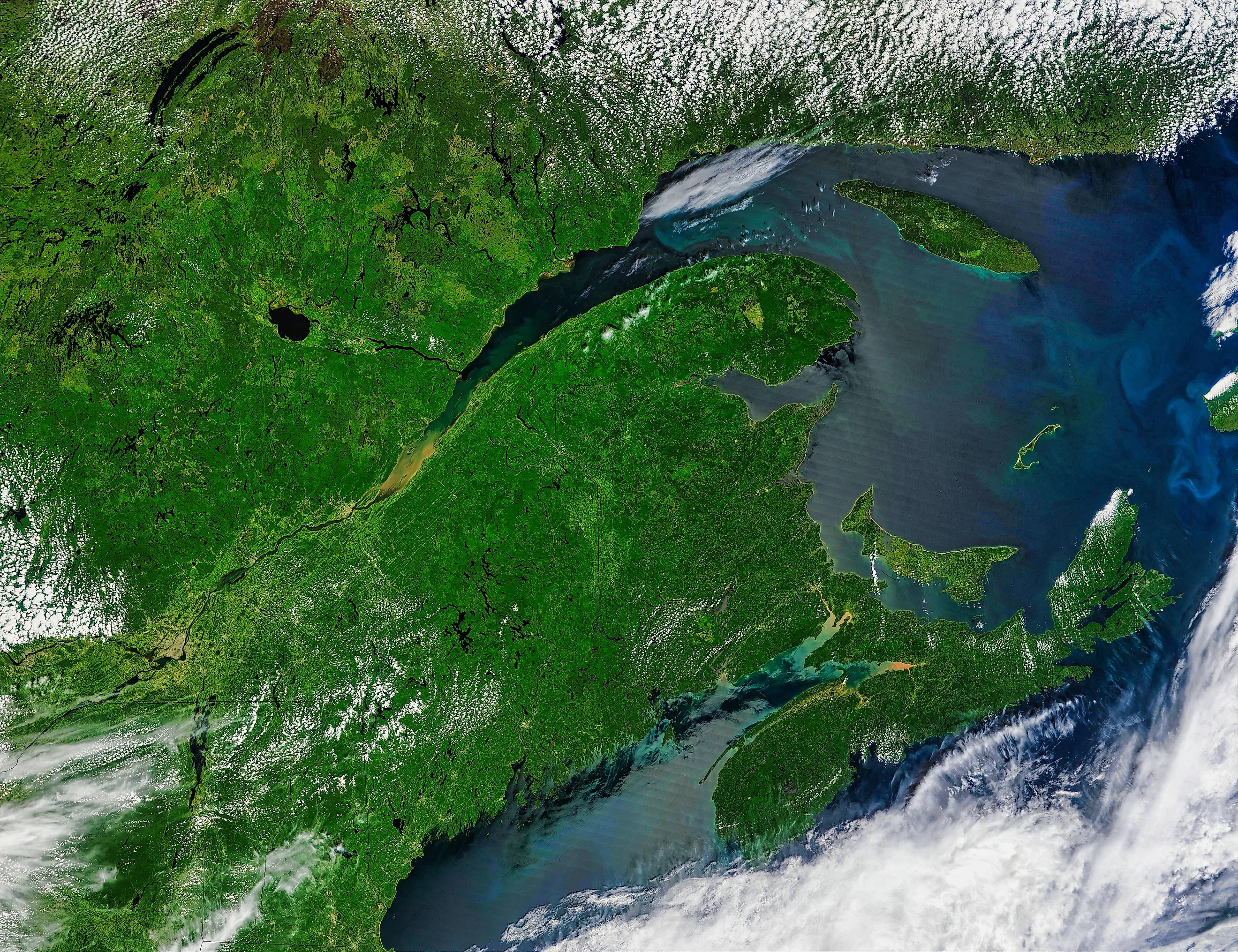
How The Gulf Of St. Lawrence Compares To The Great Lakes
The Great Lakes are the undisputed heavyweight champions of fresh water, five enormous inland seas that hold about a fifth of the planet's surface freshwater and lord it over every other lake system on Earth. So it is a little humbling to learn that right next door sits a body of water, fed directly by the Great Lakes themselves, that quietly matches or even beats them at several of their own games. That rival is the Gulf of St. Lawrence, the vast saltwater gulf where the St. Lawrence River finally spills out into the Atlantic. It is bigger, deeper, and holds far more water than you would ever guess from a glance at a map. Here is how the Gulf of St. Lawrence stacks up against the mighty Great Lakes.
First, Who Are These Two?

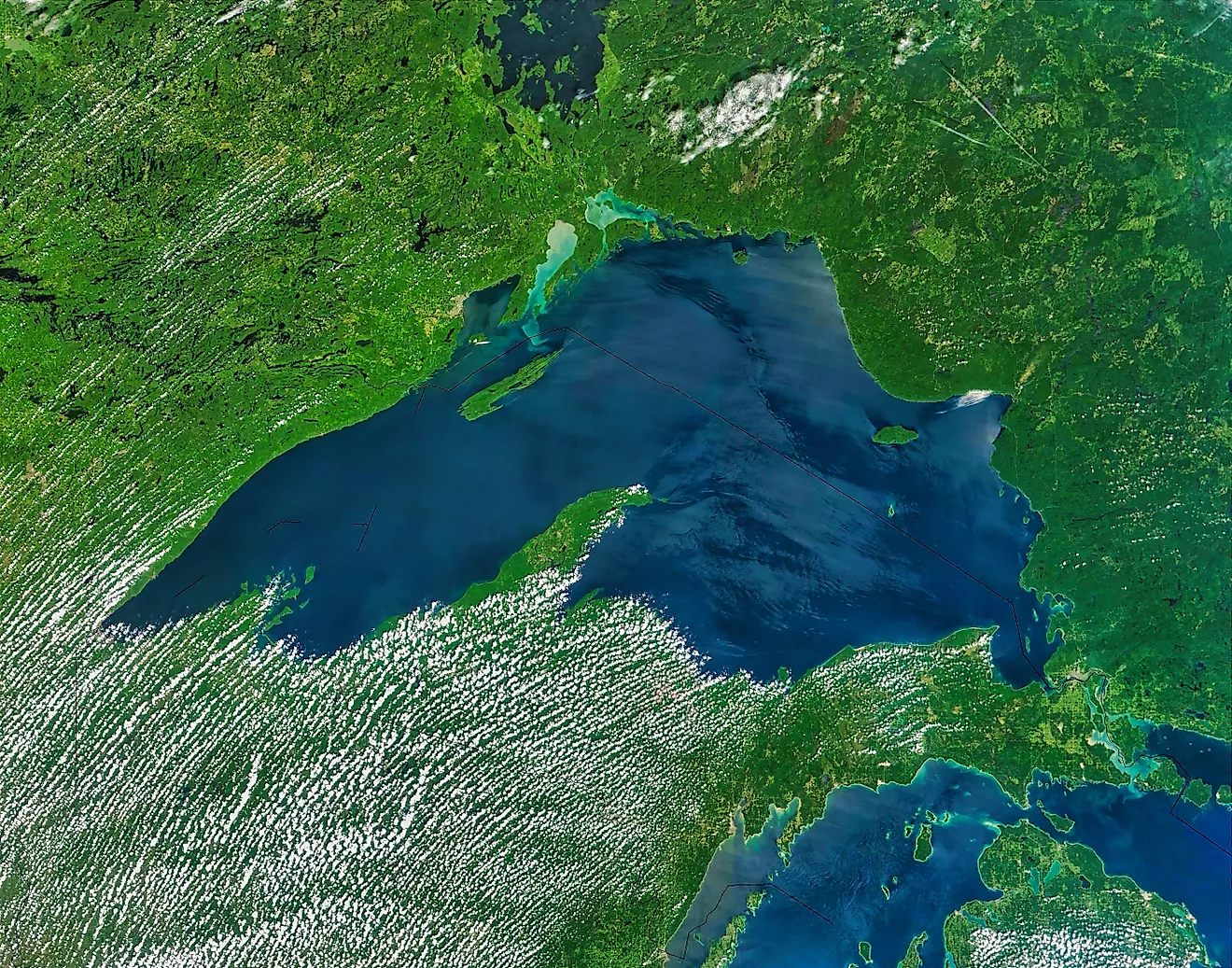
In one corner, the reigning champions: the Great Lakes, a chain of five connected freshwater lakes straddling the US-Canada border. Together they cover roughly 94,000 square miles and hold about 22,700 cubic kilometers of water, making them the largest group of freshwater lakes on the planet by total area. In the other corner, the challenger: the Gulf of St. Lawrence, a huge, semi-enclosed arm of the Atlantic Ocean in eastern Canada, ringed by Quebec, Newfoundland, Nova Scotia, New Brunswick, and Prince Edward Island. It is officially the largest estuary in the world, and the grand finale of the entire Great Lakes watershed. Despite living permanently in the Great Lakes' shadow, it turns out to be shockingly competitive.
Size: A Photo Finish

Start with raw surface area, and the result is almost absurdly close. The Gulf of St. Lawrence covers about 91,000 square miles, while all five Great Lakes combined add up to roughly 94,000. In other words, a single gulf is about 97 percent the size of the entire Great Lakes system. Let that sink in for a second: the Great Lakes get to field five players, including Lake Superior, the largest freshwater lake on Earth by area, and the Gulf still shows up all by itself and loses by only a hair. On a map it looks like a sideshow off in the corner of Canada's east coast, yet by surface area it is very nearly a one-gulf rival to the most famous lakes in the world. The champs keep the belt, but only just barely, and they needed all five of them to do it.
Volume: The Gulf Pulls Ahead

Here is where the challenger stops playing nice. While the Great Lakes edge out the Gulf on surface area, the Gulf absolutely crushes them on volume. It holds roughly 34,500 cubic kilometers of water, compared to the Great Lakes' 22,700, which means the Gulf contains something like 50 percent more water than all five Great Lakes put together. The secret is depth. The Great Lakes are famously deep, with Lake Superior bottoming out around 1,333 feet, but the Gulf of St. Lawrence plunges to roughly 1,740 feet in the Laurentian Channel, a drowned river canyon running along its floor. So the Gulf is both deeper than the deepest Great Lake and holds far more water overall. For a body of water most people could not even point to on a map, that is a genuinely remarkable flex, and a quiet reminder that surface area only ever tells half the story.
One's Salty, One's Not
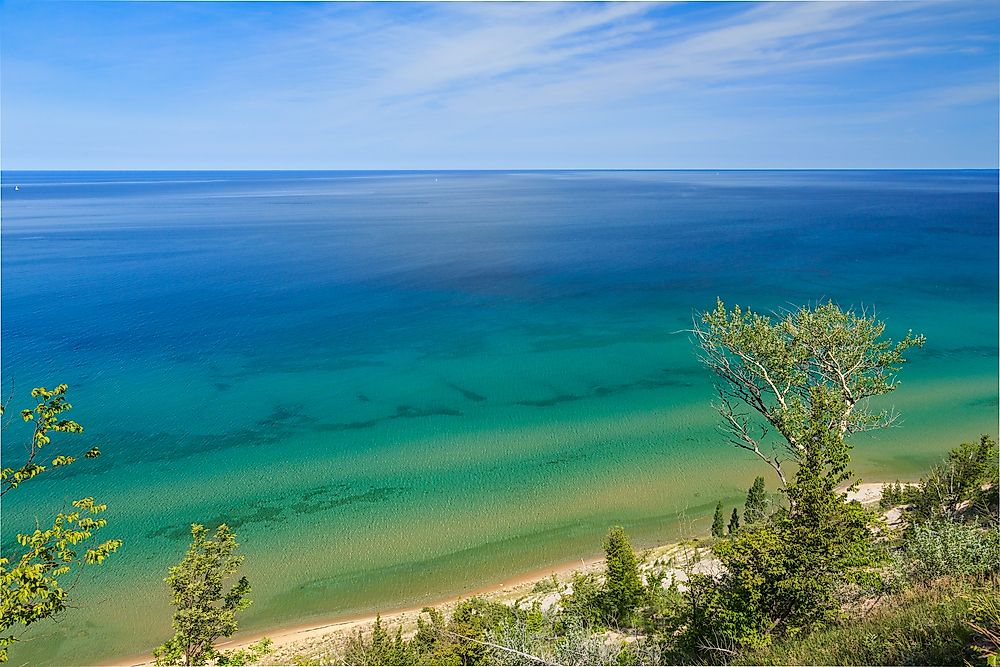
Before the Gulf gets too smug, there is one enormous asterisk: it is salty. The Gulf of St. Lawrence is an arm of the Atlantic Ocean, which means all that water it is so proud of is seawater you cannot drink. The Great Lakes, by contrast, are the crown jewels of fresh water, holding roughly 20 percent of all the liquid fresh water on the surface of the Earth, the supply that keeps tens of millions of people and a huge chunk of North American industry alive. So while the Gulf wins on sheer quantity, the Great Lakes win on the kind of water that actually matters for drinking, farming, and staying alive. It is a bit like bragging that your swimming pool is bigger than someone's reservoir: technically true, and completely useless the moment you get thirsty.
They're Secretly Connected

The real twist in this whole rivalry is that the two are not really competitors at all; they are the same plumbing system. Every drop of water that leaves the Great Lakes flows out through Lake Ontario, down the St. Lawrence River, past Montreal and Quebec City, and empties straight into the Gulf of St. Lawrence before finally heading out to the Atlantic. In other words, the Gulf is downstream, the place where the Great Lakes' water ultimately ends up. You could argue the Great Lakes do all the hard work of collecting and storing the continent's fresh water, only for the Gulf to receive it, salt it, and take the glory of meeting the ocean. The Great Lakes are the reservoir; the Gulf is the drain, although admittedly a spectacular, whale-filled one.
Wildlife: Whales vs Walleye

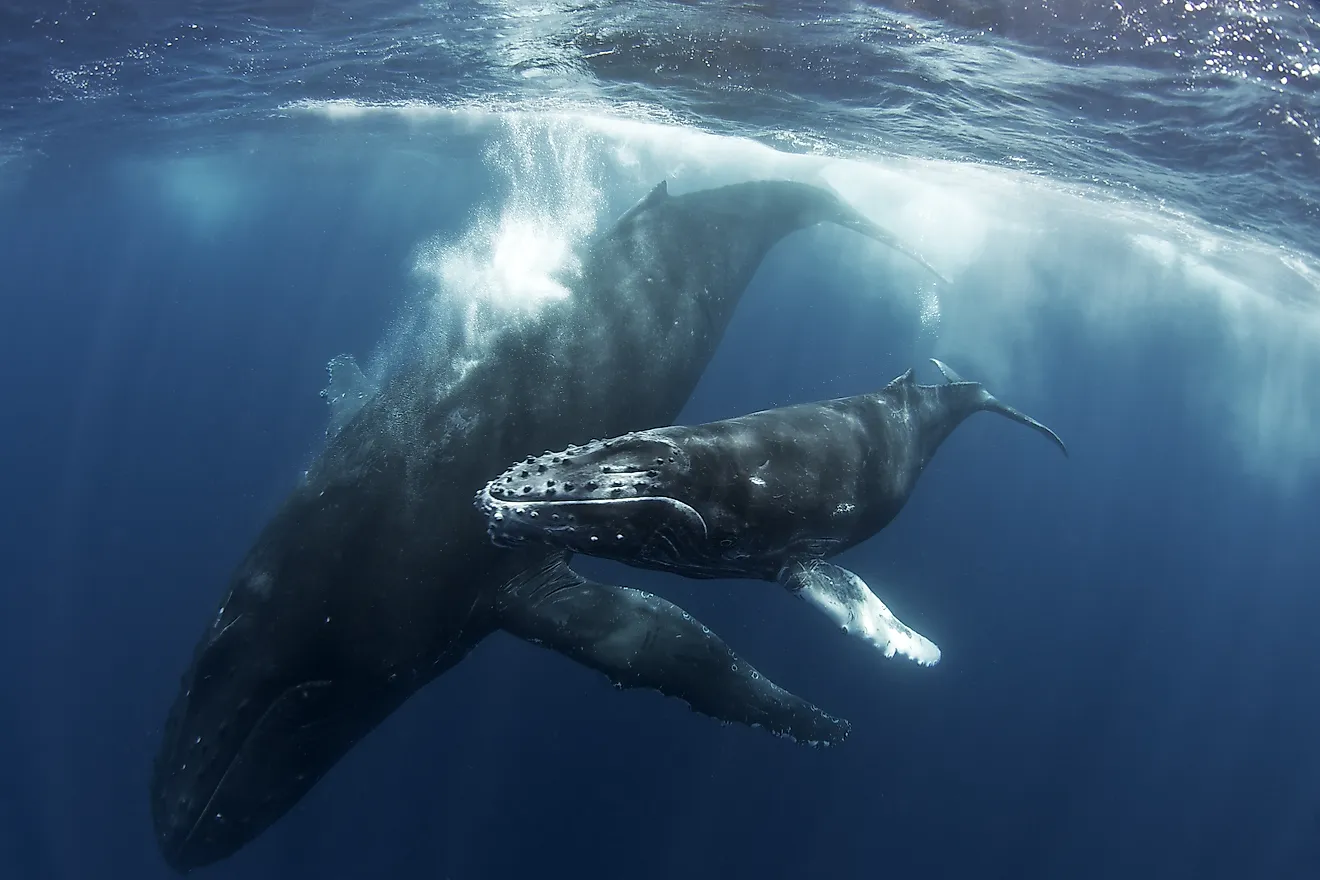
The starkest difference of all shows up in what actually lives in each one. Because it is salty and connected to the Atlantic, the Gulf of St. Lawrence teems with proper ocean wildlife: blue whales, fin whales, humpbacks, and belugas cruise its waters, harp seals pup on its winter ice, and its depths produce world-famous lobster, snow crab, and cod. The Great Lakes, being fresh, offer a decidedly more modest roster of walleye, lake trout, yellow perch, and some introduced salmon. Both are genuinely rich, productive ecosystems, but let's be honest about the matchup: one of them has blue whales, the largest animals that have ever existed, and the other has a very respectable fish fry. On sheer charisma, this one is not close. The Great Lakes do get credit for hosting some of the best freshwater fishing on the continent, but no amount of trophy walleye quite competes with a passing pod of belugas.
So who actually wins? The Great Lakes take surface area and keep the all-important freshwater crown, while the Gulf of St. Lawrence quietly wins on volume, depth, and the sheer star power of its wildlife. The real punchline, though, is that they are on the same team, two ends of one gigantic water system stretching from Minnesota all the way to the open Atlantic. The Great Lakes may be the famous ones, but every drop they hold is, eventually, just passing through on its way to the Gulf.