Why A Drop Of Water Spends 191 Years In Lake Superior
Water leaving Lake Superior through the St Marys River today arrived in the lake around 1835, before Minnesota was a state. Water entering now will leave around 2217. The Environmental Protection Agency puts the lake's retention time at 191 years, calculated as total volume divided by the mean rate of outflow, and no other Great Lake comes close. Erie flushes in 2.6 years. The gap between those two figures is 73 to one, and volume alone does not explain it.
The Calculation Is Simple

Retention time is one of the few figures in limnology that can be worked out on the back of an envelope.
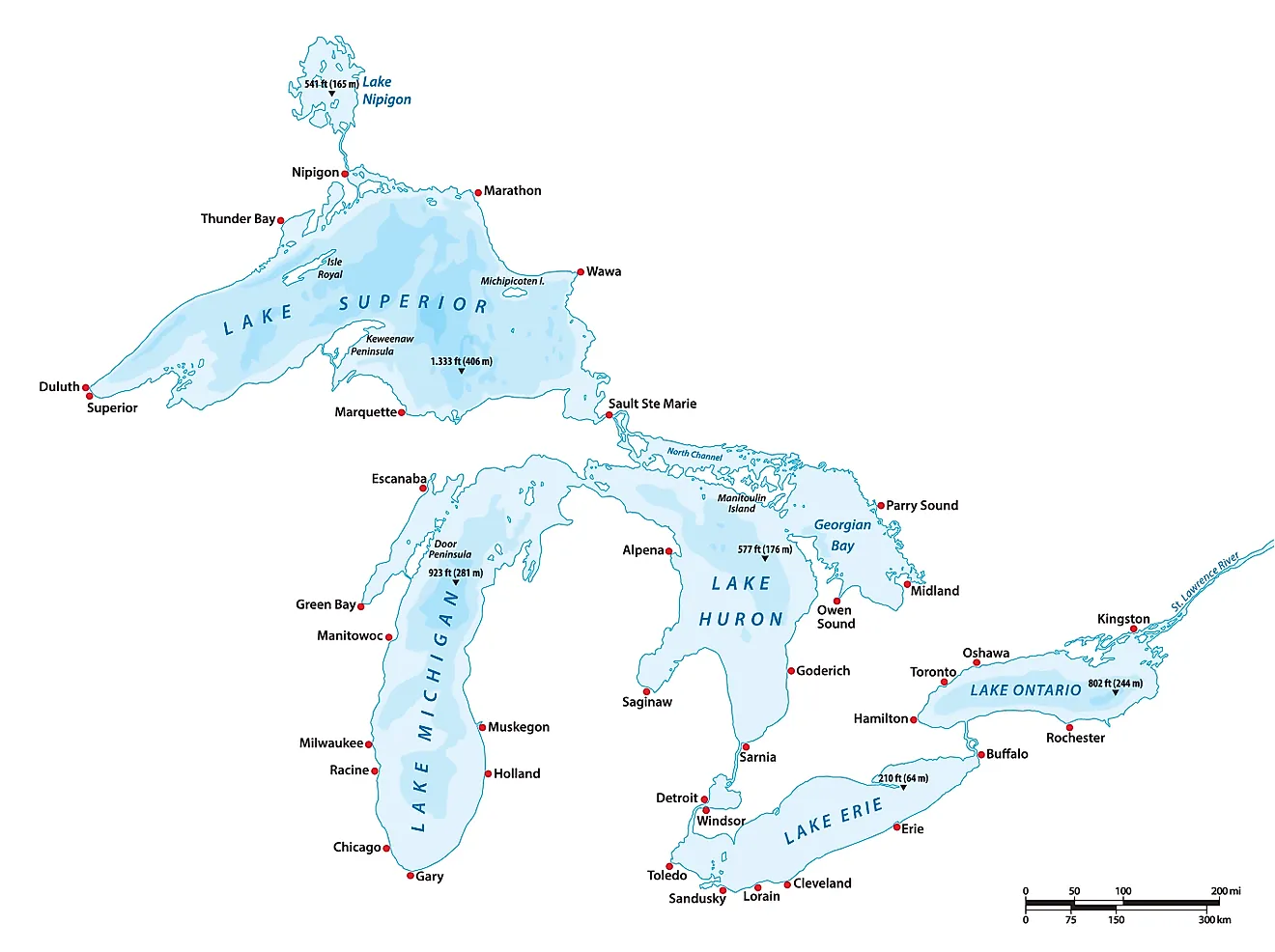
It is the volume of water in a lake divided by the average rate at which water leaves it. Superior holds about 12,100 cubic kilometers, or 2,900 cubic miles, and drains through a single outlet into Lake Huron.
Run those numbers and you get 191 years. It is an average rather than a guarantee, and no individual molecule is obliged to follow the schedule.
The Other Four Are Nowhere Near

The EPA publishes the same calculation for every Great Lake, and the spread is enormous.
Superior sits at 191 years. Michigan is next at 99, then Huron at 22, Ontario at 6 and Erie at 2.6. Water passing through Erie is gone before a child starting school has finished primary.
Superior takes 73 times longer than Erie, 32 times longer than Ontario and nearly twice as long as Michigan.
Volume Is Not The Whole Answer

The obvious explanation is that Superior is simply bigger, and the arithmetic does not support that on its own.
Superior holds about 25 times as much water as Erie but takes 73 times as long to turn over. If size were the only factor those two multipliers would match.
Expressed per thousand cubic kilometers of water, Superior takes 15.8 years and Michigan takes 20.1, while Huron takes 6.2 and Ontario 3.7. The outflow side of the equation is doing as much work as the volume side.
Very Little Land Drains Into It

The structural reason sits in a ratio most people never encounter.
Lake Superior has a catchment to surface area ratio of just 1.55, meaning the land draining into it is only about one and a half times the size of the lake itself. That is unusually low and indicates minimal terrestrial influence.
Less land draining in means less water flowing through, which means a smaller outflow relative to the volume stored. The lake is close to being a very large rain barrel.
Under One Percent Leaves Each Year

The EPA states the outflow problem for the whole system in one line.
Outflows from the Great Lakes are relatively small, less than one percent per year, compared with the total volume of water held. For Superior specifically a 191-year retention time means roughly half of one percent leaves annually.
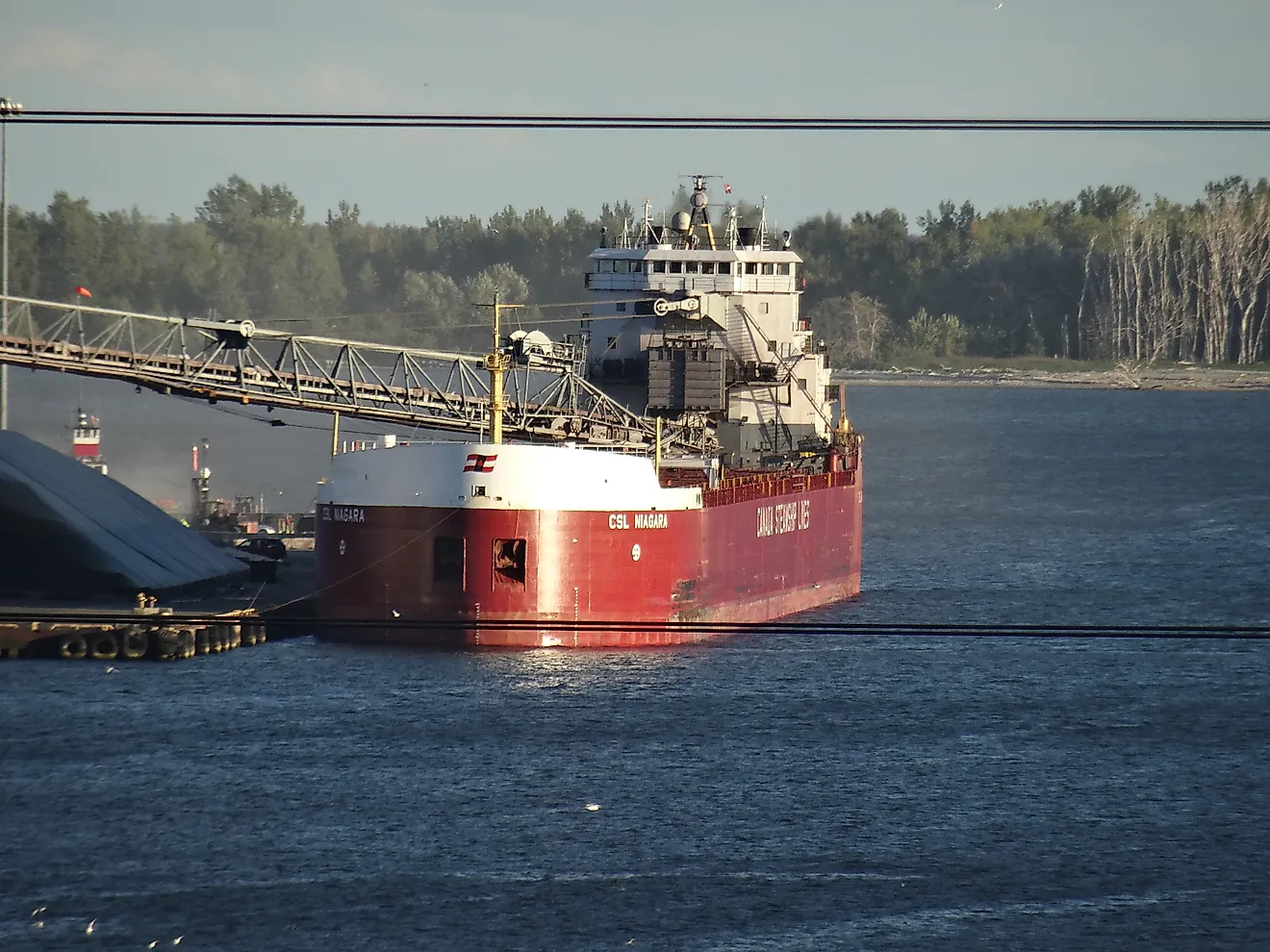
The St Marys River carries the lot, dropping 25 feet from Superior to Huron. That single channel is the only exit for 2,900 cubic miles.
Pollutants Stay As Long As The Water Does

This is the consequence that makes retention time more than a curiosity, and the EPA is explicit about it.
Pollutants entering the lakes, whether by direct discharge, tributaries, land use or the atmosphere, are retained in the system and become more concentrated with time. They also persist through resuspension of sediment and cycling through biological food chains.
A contaminant reaching Lake Superior in 1970 is still, on average, more than half a century away from leaving. The lake does not dilute its way out of a problem.
The Basin Protects It Instead

Given that nothing flushes out, Superior's water quality depends entirely on nothing going in.
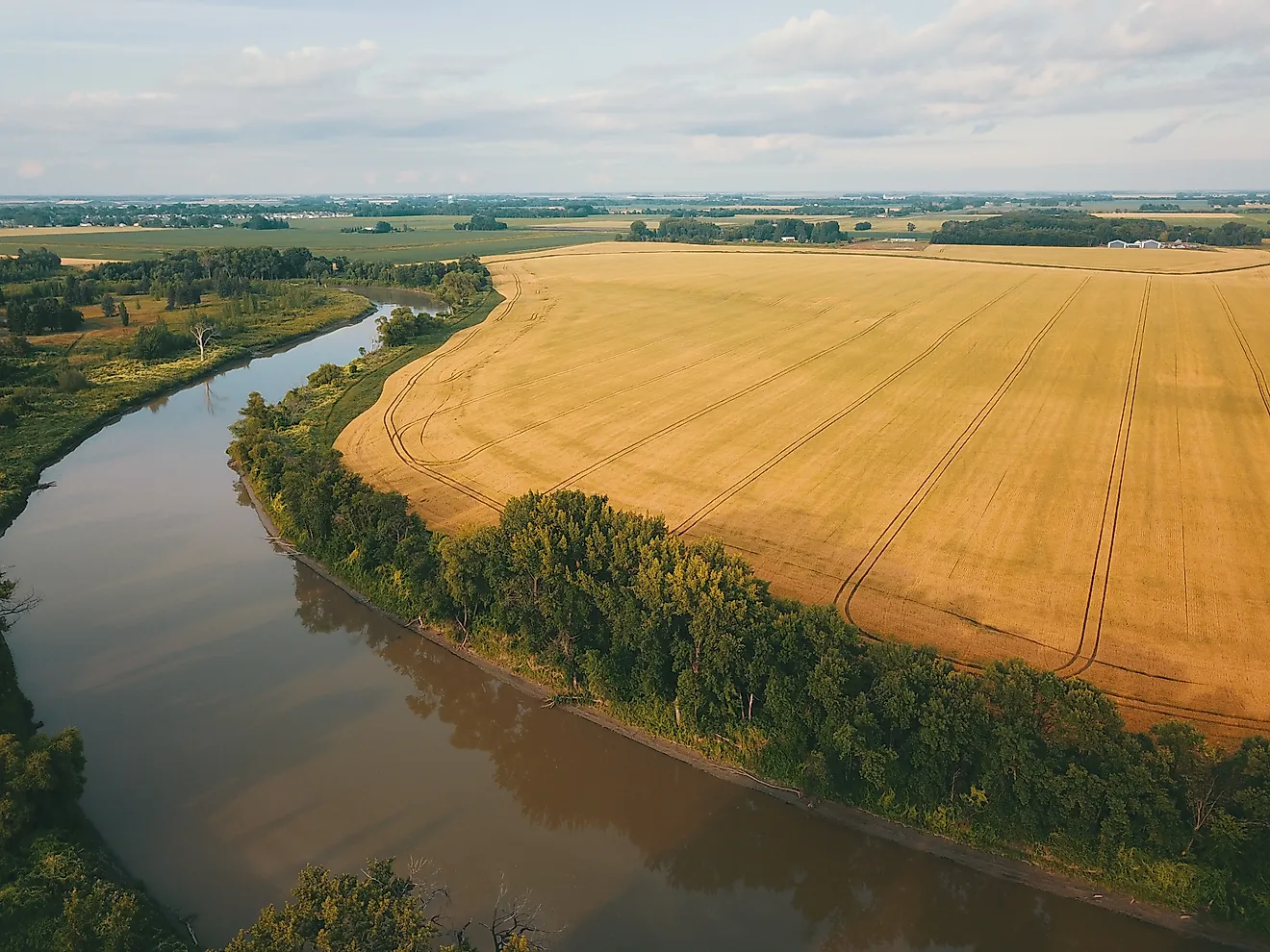
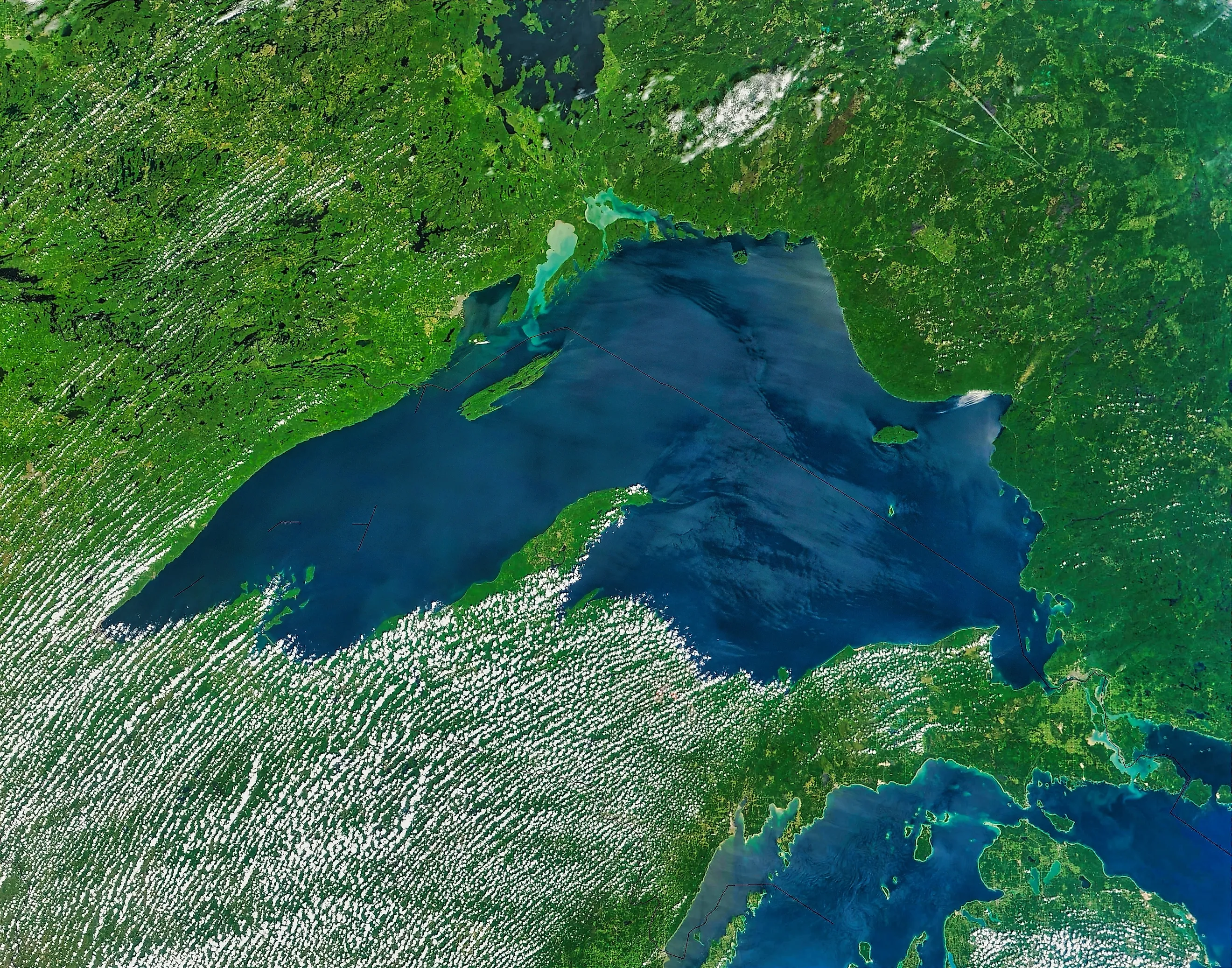
Most of the Superior basin is forested granite, sparsely populated, with little agriculture because of a cool climate and poor soils. The EPA notes that the forests and sparse population result in relatively few pollutants entering the lake.
The exception named is airborne transport. What the basin cannot keep out arrives through the atmosphere, which is why mercury deposition is the contaminant of concern on a lake with almost no industry around it.
It Is Oligotrophic Because Of This

The long residence time and the empty watershed together produce the water the lake is famous for.
Superior is classified as oligotrophic, meaning nutrient-poor, with low anthropogenic impact, in contrast to the other four lakes which are more productive and far more affected by human activity.
Few nutrients enter, so little algae grows, so the water stays clear and cold and oxygen-rich. The clarity people admire is a symptom of a lake nothing much drains into.
Cold Slows Everything Further

Temperature compounds the effect in ways retention time alone does not capture.
Superior is the deepest and coldest of the five, averaging 147 meters with deep water sitting near 4 degrees Celsius year-round. Biological and chemical breakdown of contaminants runs slower in cold water.
So a pollutant in Superior is not only staying for two centuries, it is degrading more slowly while it waits. Erie, shallow and warm, processes what enters it far faster.
Superior Could Hold The Rest

The scale underneath the retention figure is worth stating because it makes 191 years feel reasonable.
The EPA notes that Superior could contain all the other Great Lakes and three more Lake Eries on top. At 12,100 cubic kilometers it holds roughly half the water in the entire system.
Moving that volume through one river at under one percent a year was never going to be quick.
The Short Answer

A drop spends 191 years in Lake Superior because the lake holds 12,100 cubic kilometers and loses barely half a percent of it annually through one river. The catchment is only 1.55 times the lake's own surface, so very little water flows in and therefore very little flows out.
The consequence is that anything else entering the lake stays about as long. Superior's famous clarity is not the result of flushing, because it does not flush. It is the result of an empty, forested, granite basin that has historically put very little into it.