What Happens If The Ogallala Aquifer Runs Dry
Beneath the Great Plains sits one of the largest underground water reserves on the planet, the Ogallala Aquifer, and it quietly did something remarkable: it turned a semi-arid grassland into America's breadbasket. The trouble is that it is being pumped far faster than nature can refill it, and in some places the wells are already going dry. So what actually happens if it runs out? The honest answer is not a Hollywood collapse. It is slower, patchier, and more manageable than the scariest headlines suggest, but it is a serious problem all the same. Here is the grounded picture.
What the Ogallala Is
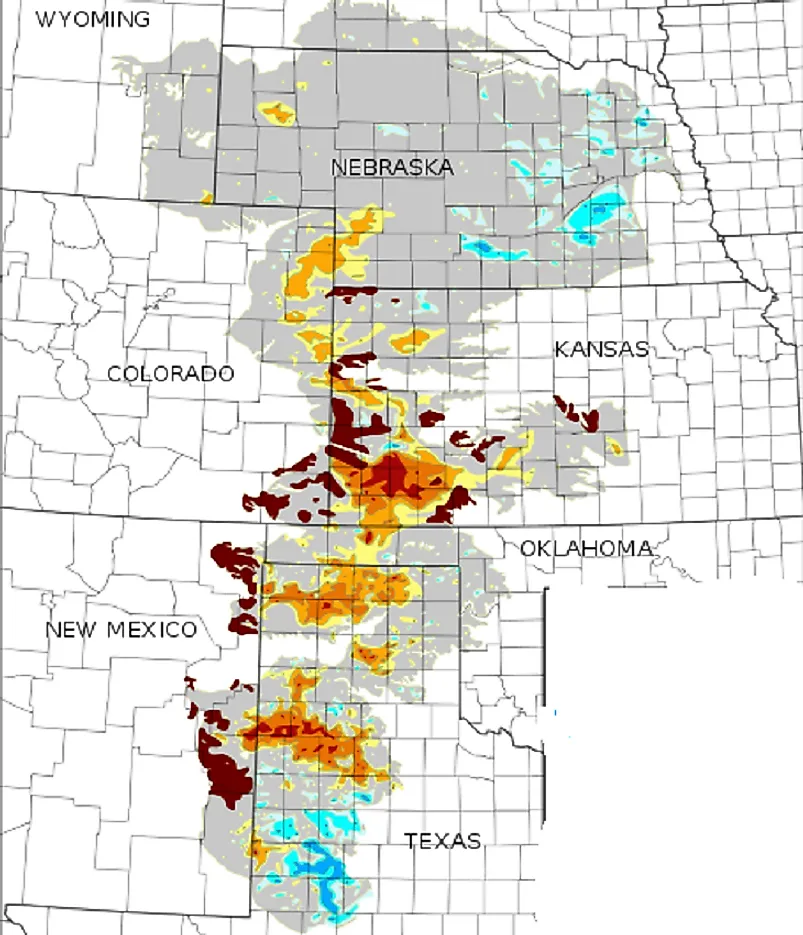
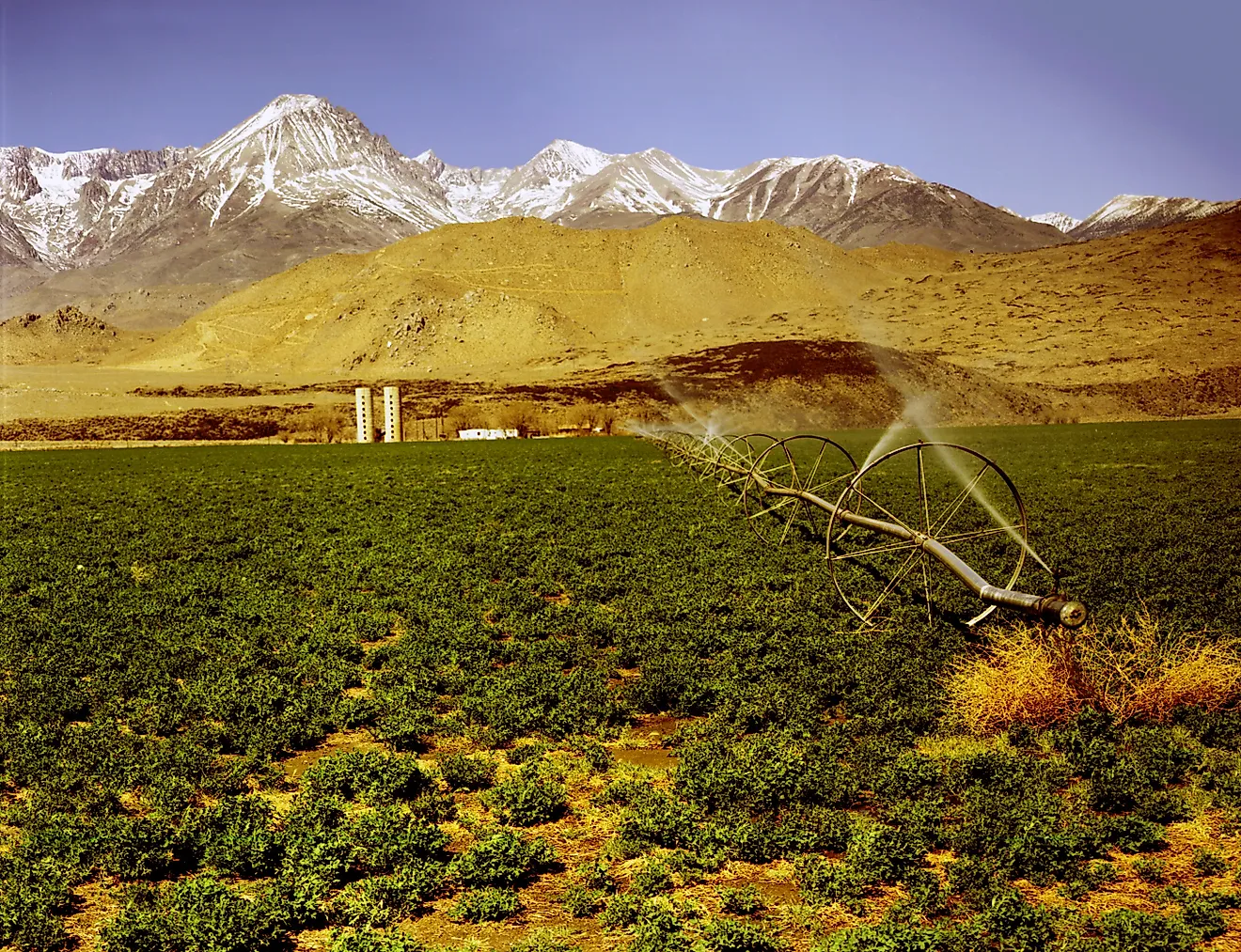
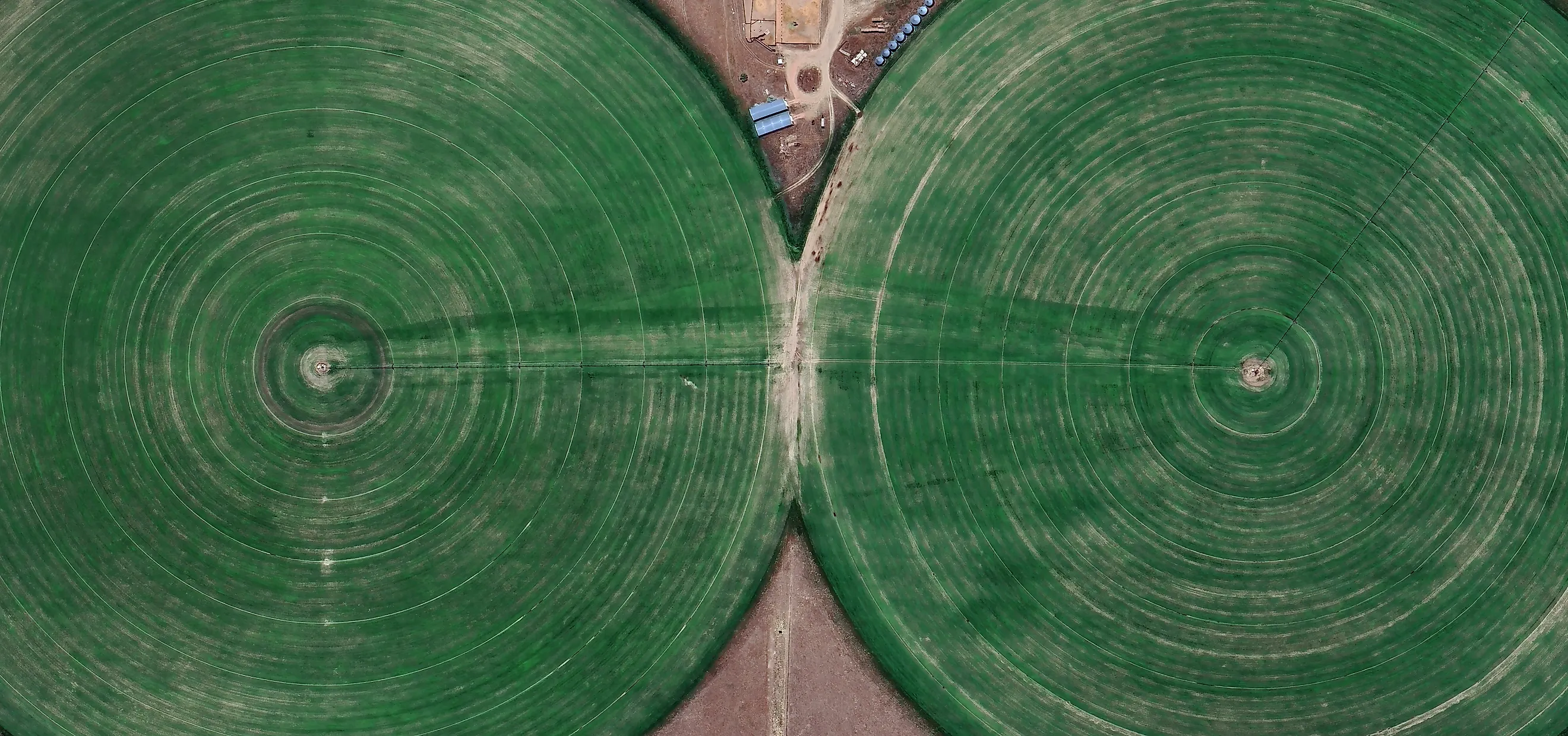
The Ogallala, part of the larger High Plains Aquifer, sprawls across roughly 174,000 square miles beneath eight states, from South Dakota all the way down to Texas. It is the largest groundwater reserve in the country, holding something on the order of a quadrillion gallons, roughly the volume of Lake Huron. Most of that is "fossil water," left behind over tens of thousands of years and only barely topped up by modern rainfall. Interestingly, about two-thirds of it sits under Nebraska alone. Starting in the 1940s, cheap pumps and center-pivot sprinklers let farmers tap this hidden ocean, and the result was extraordinary: today the aquifer supplies around 30 percent of all the groundwater used for irrigation in the United States and underpins roughly $35 billion in crops every year.
It Is a One-Way Withdrawal
The core problem is simple accounting. Rain seeps down into the Ogallala extremely slowly, especially in the drier southern plains, so for practical purposes the water being pumped out is not coming back on any timescale that matters to a human. In the areas where irrigation is heaviest, farmers are essentially spending a savings account rather than living off the interest. Across the whole aquifer, only about 10 percent of the total water has been used up so far, which sounds reassuring until you zoom in: in parts of the Texas Panhandle and western Kansas, water levels have already dropped by more than 200 feet since large-scale pumping began. If those areas were somehow emptied, natural recharge would take centuries to refill them.
It Will Not Run Dry Everywhere at Once

This is the point where the alarming version of the story falls apart, and it is worth being clear about. The Ogallala is not a single tank that will hit empty on one dramatic day. Its fortunes vary enormously from north to south. Nebraska and South Dakota, which get more rain and have managed their groundwater more carefully, are largely stable, and water levels there have in some spots even risen. The southern High Plains are the real trouble zone. Kansas, Texas, Oklahoma, and New Mexico have drawn their portions down hard, and studies of the Kansas section suggest that, at current rates, up to about 70 percent of its usable water could be gone within 50 years. "Running dry," in other words, is regional and gradual, not universal and sudden.
What Happens to the Farms

When the water does become too scarce or expensive to pump, the change tends to arrive as an economic squeeze rather than a sudden catastrophe. As the water table drops, wells must be drilled deeper, they pump more slowly, and the electricity bill to lift the water climbs. At some point, the cost of pumping simply exceeds what a crop is worth. Farmers respond the way farmers always have: they switch to less thirsty crops like sorghum or wheat instead of water-hungry corn, they irrigate fewer acres, or they return to dryland farming, relying only on the rain. Yields fall, sometimes sharply, and the land becomes less profitable. But it is important to be accurate here, the fields do not turn into a desert. They simply grow less, and grow it differently.
The Towns Feel It Too

Because the High Plains grows a huge share of the nation's crops and cattle feed, a long decline in irrigation ripples outward into higher food costs and a strained regional economy worth tens of billions of dollars. The sharpest effects land on the small towns whose entire existence was built on irrigated agriculture. As farms shrink, those communities must dig deeper municipal wells, buy water rights, or simply get smaller, a slow thinning already visible across the emptiest counties of the plains. Yet even here, the picture is not hopeless. A Kansas State University study found that the well-being of these communities does not automatically collapse when irrigation fades, suggesting that with the right choices, towns can adapt and endure rather than vanish.
The Realistic Path Forward

The most useful way to think about the Ogallala is not as a looming apocalypse but as a finite bank account being drawn down, unevenly, over decades. Where it is overpumped, it genuinely will not last forever, and pretending otherwise helps no one. But the real question is how gracefully the region manages that decline, and there is real reason for measured optimism. Farmers are adopting precision and drip irrigation, soil-moisture sensors, and drought-tolerant crops, while places like Kansas have set up local groundwater management districts to cap pumping. These steps are already stretching the supply and buying valuable time. The Ogallala running low is a serious, slow-motion challenge, but it is one the High Plains is actively learning to live with, not a disaster waiting to strike overnight.