What Happens If Flaming Gorge Is Drained To Save Lake Powell
To keep Lake Powell from collapsing, water managers have been quietly draining another giant reservoir upstream, one most Americans have never heard of: Flaming Gorge. It is a bold, and increasingly desperate, move to buy the shrinking Colorado River system a little more time. As of 2026, the latest release is the biggest one yet, and it comes with a very real cost. Here is what actually happens when you drain Flaming Gorge to save Lake Powell.
What Flaming Gorge Is

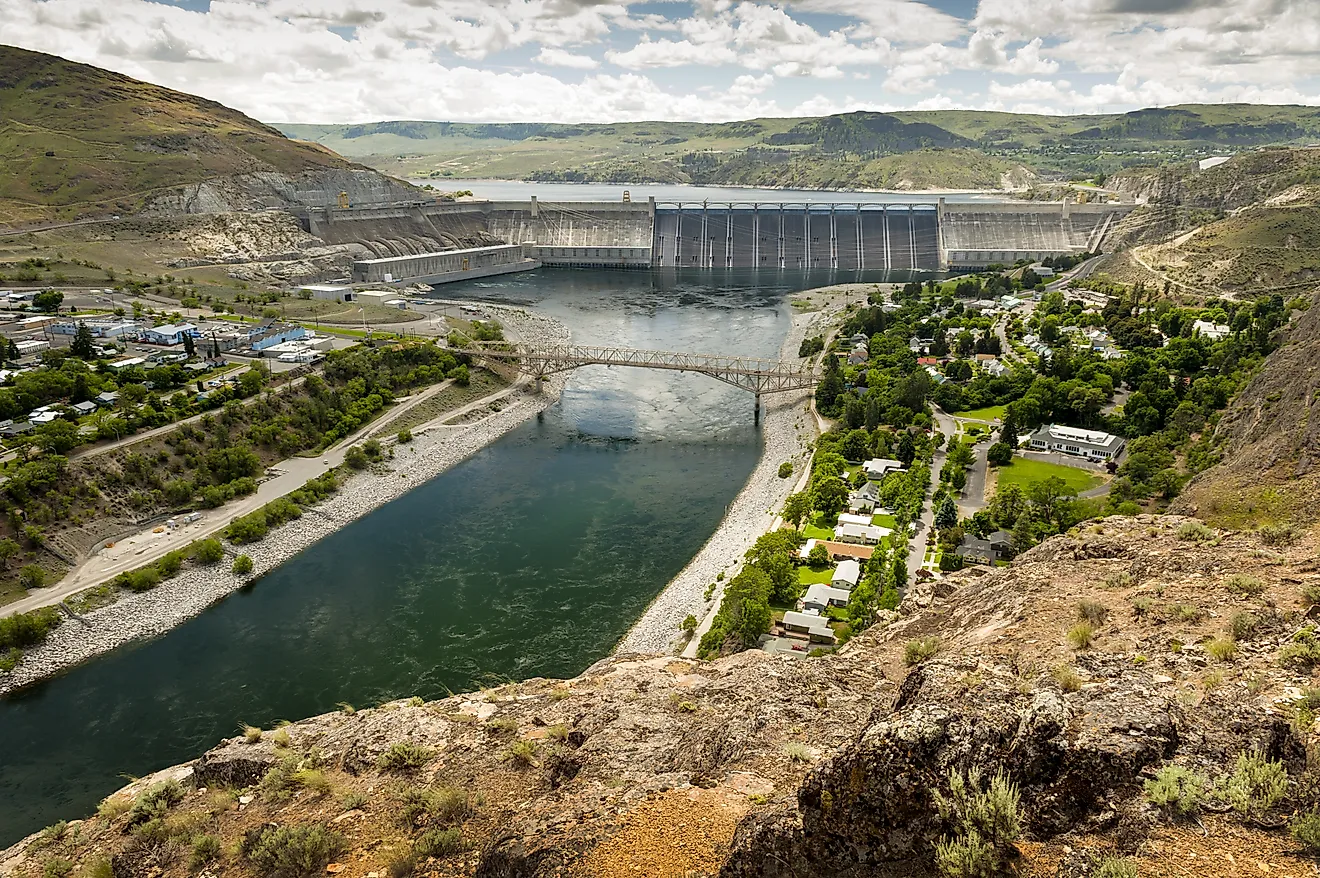
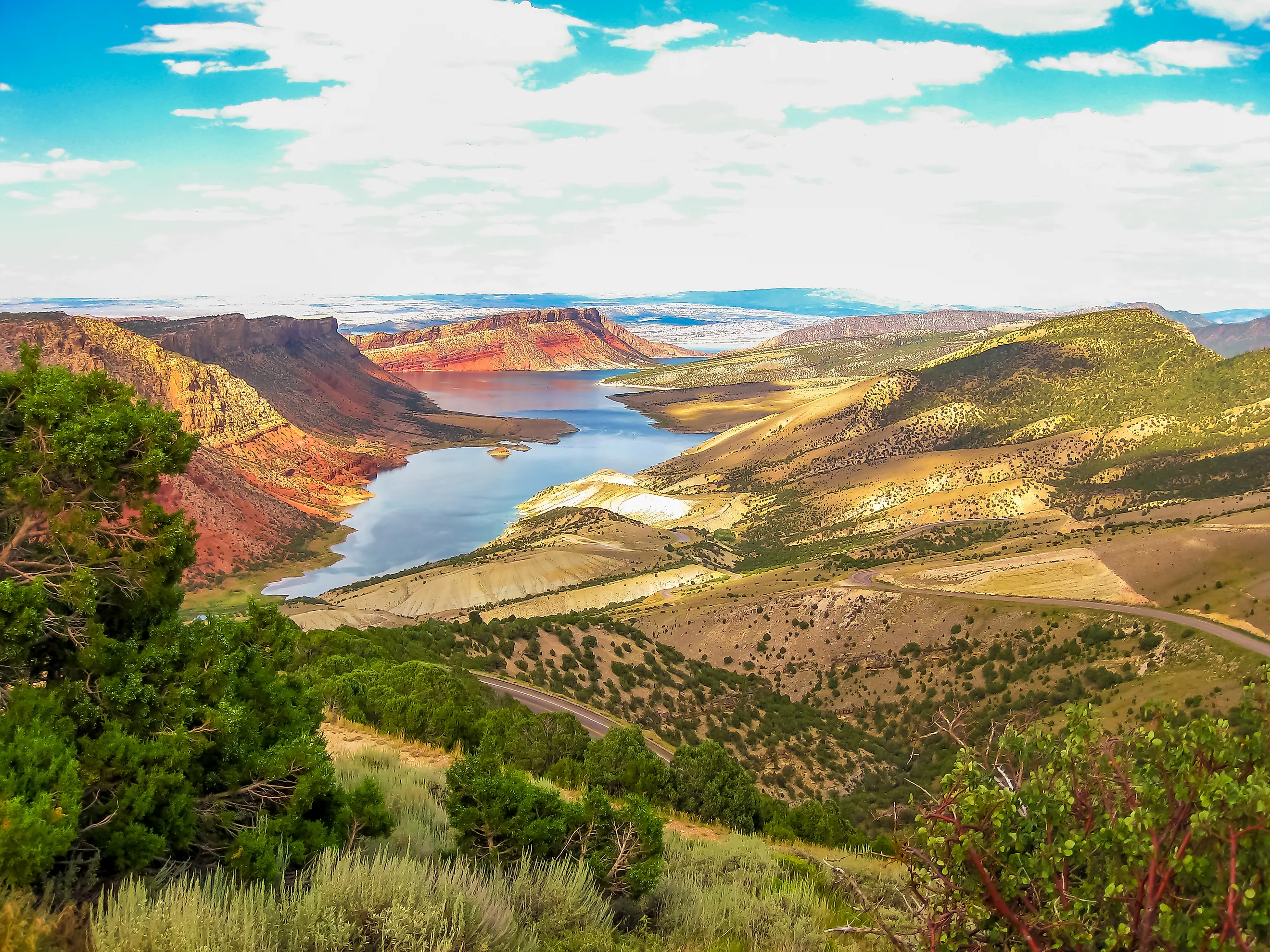
Flaming Gorge is a massive reservoir straddling the Utah-Wyoming border, formed by damming the Green River, the Colorado River's largest tributary. Holding nearly 3.8 million acre-feet of water when full, it is the biggest reservoir in the entire Upper Colorado River Basin after Lake Powell itself. Named by explorer John Wesley Powell back in 1869 for its blazing red canyon walls, it is also a beloved recreation destination, celebrated for its trophy lake trout, kokanee salmon, and the world-class trout fishery on the Green River just below the dam.
Why It's Being Drained

Downstream, Lake Powell has been sinking toward crisis, hovering near record lows and dangerously close to the level where Glen Canyon Dam can no longer generate electricity. So under an emergency plan called the Drought Response Operations Agreement, federal managers have ordered Flaming Gorge to send extra water down the Green River, where it eventually flows into Powell. After smaller releases in 2021 and 2022, the 2026-to-2027 release is the largest ever ordered: up to 1 million acre-feet, part of a broader package meant to lift Powell by roughly 54 feet.
Flaming Gorge Drops Too

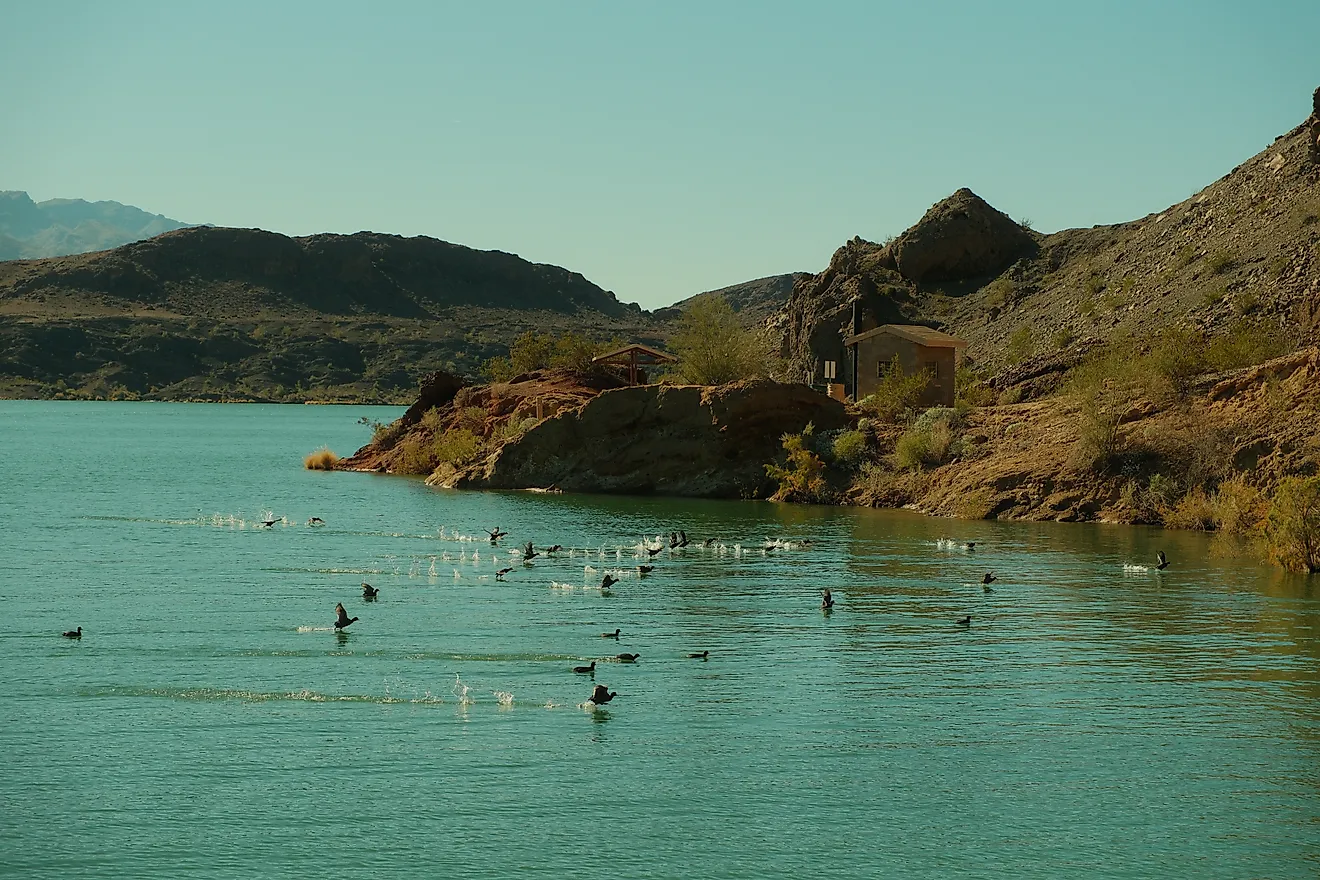
Here is the obvious catch: that water has to come from somewhere, and it comes straight out of Flaming Gorge. The reservoir has fallen from around 82 percent full when the big release began toward a projected 59 percent by the time it is finished. As the water recedes, Flaming Gorge develops its own pale bathtub ring, boat ramps end abruptly high above the shrinking waterline, and marinas scramble to keep operating. In effect, the shortage is not actually being solved. It is simply being relocated upstream.
The Fishery Pays the Price

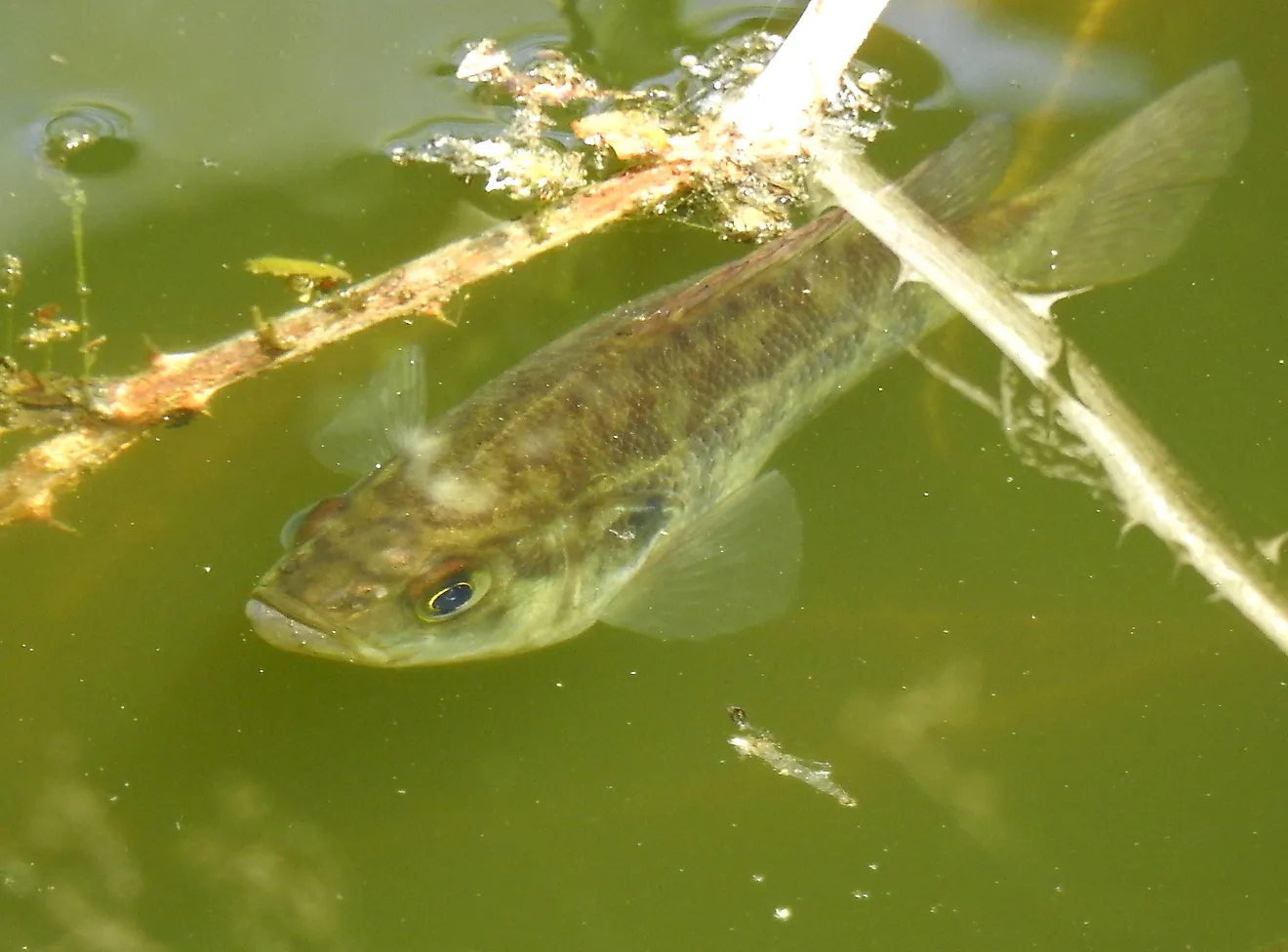
The drawdown hits Flaming Gorge's prized fishery hard. As the reservoir shrinks, its trophy lake trout and kokanee salmon are squeezed into a smaller and smaller volume of water, effectively crowding the fishery toward the dam end of the lake. The altered water releases also change conditions on the famous trout stretch of the Green River below the dam. All of that ripples straight into the local economy, hitting the tens of thousands of anglers, boaters, and tourists who pump money into small Wyoming and Utah communities like Dutch John and Manila. Locals have flatly described the drawdown as devastating.
It's Robbing Peter to Pay Paul

Step back, and the core problem comes into focus: draining Flaming Gorge does not create a single new drop of water. It simply moves water from one bucket to another. It buys Lake Powell precious time and protects its hydropower, but it does nothing to fix the underlying imbalance, namely that the Colorado River basin has been using more water than the shrinking river can supply for a quarter of a century now. As one group of Colorado River experts bluntly put it, these emergency plans buy time, not solutions.
It Can't Last

And the time it buys is running short. Flaming Gorge is finite, and it cannot refill without a big Rocky Mountain snowpack, so once this water is released, it is essentially gone unless a run of wet years returns. Officials openly admit that if next winter is dry, there simply will not be enough water left upstream to prop Powell up all over again. The maneuver also strains relations between the Upper Basin states, whose stored water is being spent to do it, and the Lower Basin, which leans on Powell's downstream deliveries. Draining Flaming Gorge to save Lake Powell is a clever emergency play, but it is fundamentally a stopgap on a system that needs a permanent fix, and the West is fast running out of upstream reservoirs left to raid. These figures reflect the 2026 releases and will keep shifting as conditions change.