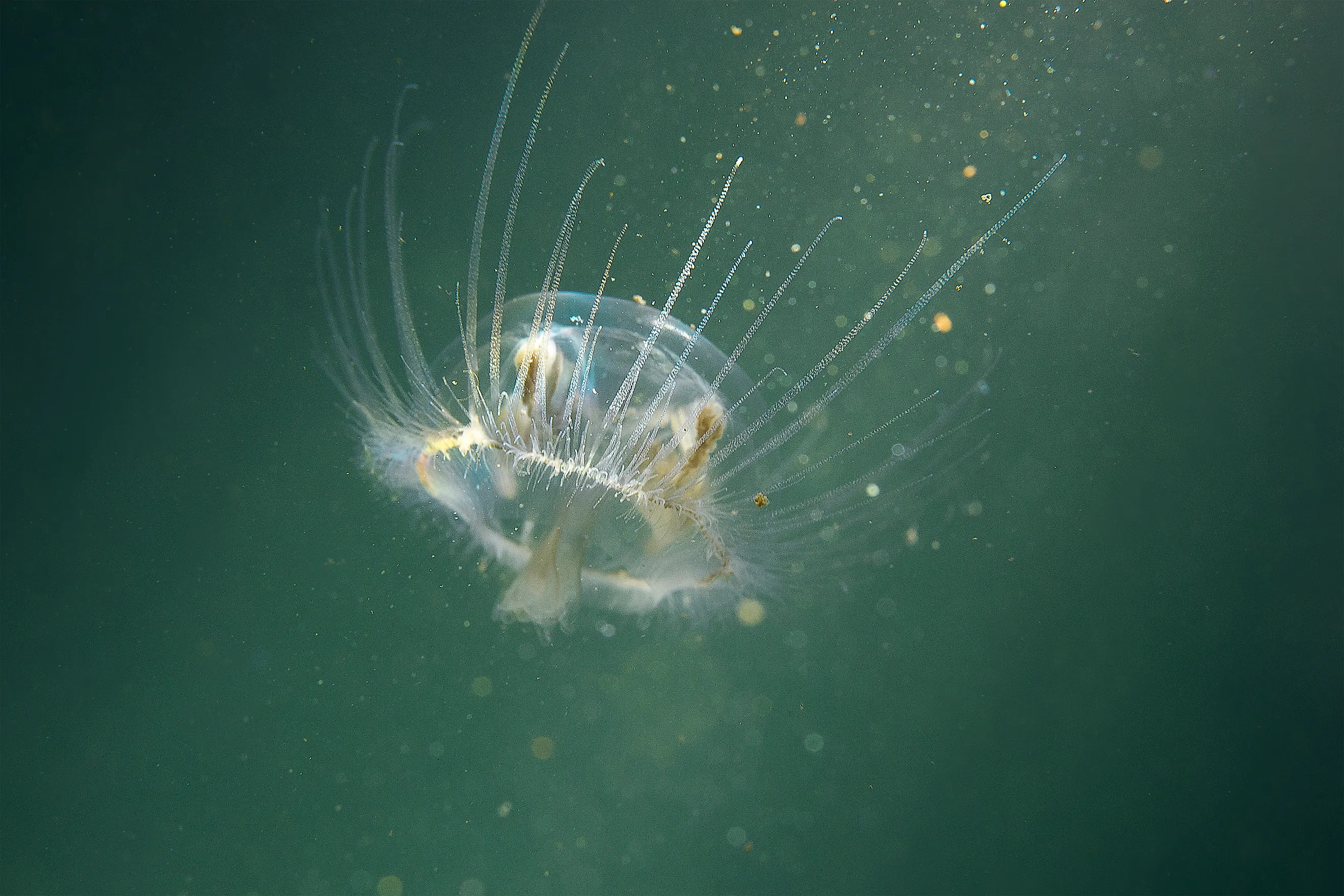
The Only Lakes In The World With Freshwater Jellyfish
Picture a jellyfish and you probably picture the ocean, with long trailing tentacles and a sting that can end a beach day early. The freshwater jellyfish is a gentler animal entirely. It grows no bigger than a quarter, drifts through warm, still lake water, and carries stinging cells far too small to reach human skin. Scientists have counted only about a dozen freshwater jellyfish species worldwide, and most people never see one, because the animal spends nearly its whole life as a speck on the lakebed. The six lakes below are among the best places on Earth to catch the rare moment when it rises and turns into something you can recognize.
Lake Tanganyika

Lake Tanganyika is an African Great Lake shared by Tanzania, the Democratic Republic of the Congo, Burundi, and Zambia. At close to 10 million years old, it ranks among the most ancient lakes anywhere, and it holds the second-largest volume of fresh water in the world after Lake Baikal. Over that long, stable history, a cast of creatures found nowhere else evolved in its waters.
One of them is the African freshwater jellyfish, Limnocnida tanganyicae, a tiny bell that grows to about 25 millimeters across. It belongs to a separate lineage from the peach blossom jellyfish that shows up elsewhere on this list, and it is a genuine local. Transparent and easy to miss, it drifts through the open water in numbers dense enough to matter to the food web, feeding on the copepods and other zooplankton that share the lake. It cannot hurt a swimmer, and most people never notice it is there.
Lake Victoria

A short reach north sits Lake Victoria, the largest lake in Africa by area and the largest tropical lake in the world. Kenya, Uganda, and Tanzania all border its shoreline. Younger and far shallower than Tanganyika, its plant and animal life has swung dramatically over the centuries, and scientists and conservation teams study few large lakes more closely.
Victoria has its own freshwater jellyfish, a close relative of the Tanganyika species in the same genus. It behaves much the same way: small, see-through, harmless, and content in warm, calm water where it feeds on microscopic drifting animals. That one of the busiest freshwater fisheries on the planet also quietly hosts a jellyfish is the kind of surprise these animals specialize in.
Lake Taihu

Lake Taihu is the third-largest freshwater lake in China, spreading across the border of Jiangsu and Zhejiang provinces near the mouth of the Yangtze. It is remarkably shallow for its size, averaging only about 6.6 feet (2 meters) deep, and its surface is scattered with roughly 90 islands. Suzhou and Wuxi stand along its edges, cities built up over centuries on the trade and rich soils around the water.
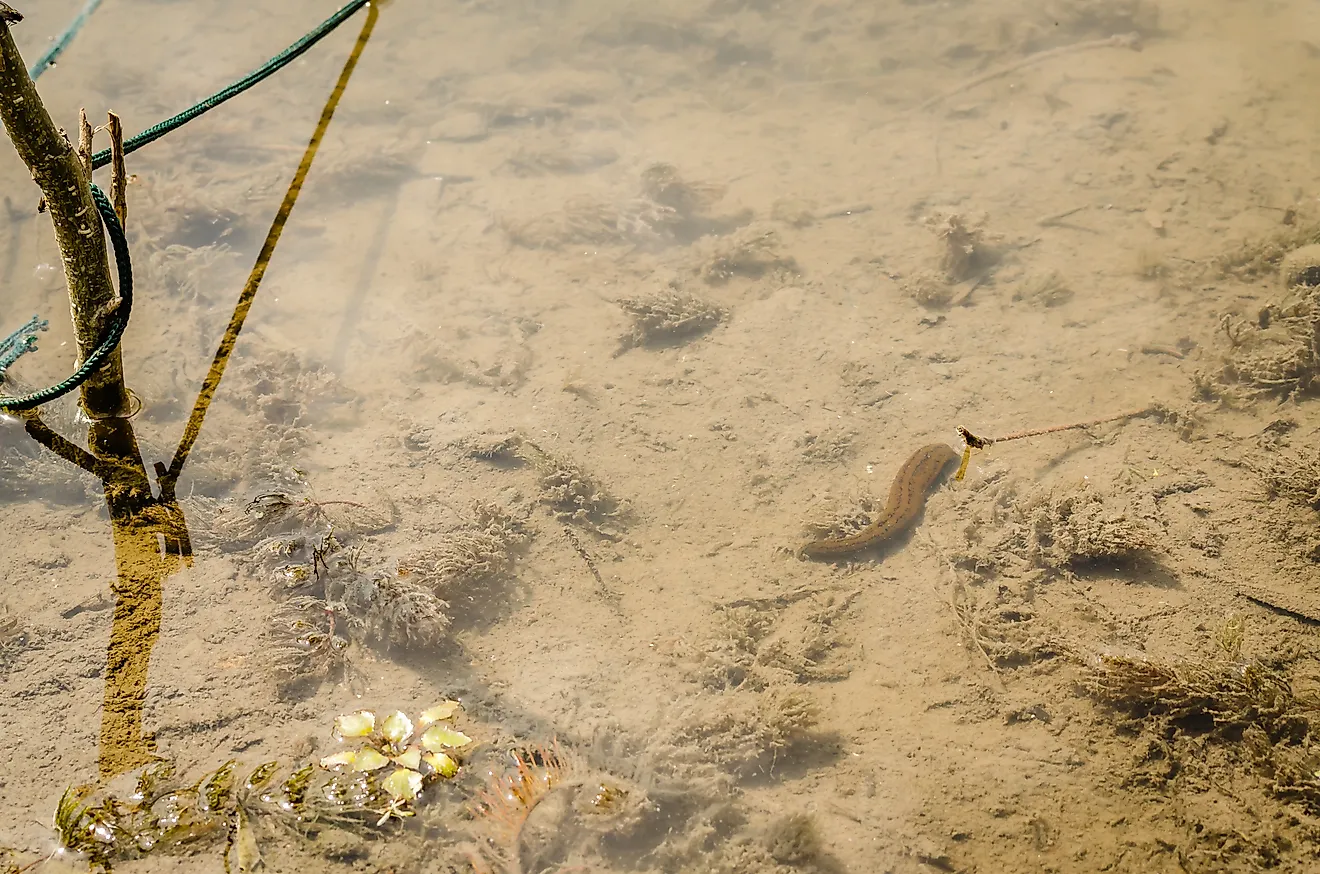
This is home turf for the peach blossom jellyfish, Craspedacusta sowerbii, the freshwater jellyfish most of the world eventually met. It measures about an inch across, ranges from pale pink to nearly clear, and carries several hundred short tentacles around its rim. The species is native to the broader Yangtze basin, and from these Chinese waters it spread by the early twentieth century to every continent except Antarctica, usually hitching along on shipments of ornamental water plants.
Lake Erie

Lake Erie is the southernmost and shallowest of the five Great Lakes, bordered by Ontario on the Canadian side and by Ohio, Pennsylvania, Michigan, and New York on the American one. Being shallow, it warms faster in summer than its deeper neighbors, which makes it the friendliest of the Great Lakes for an animal that waits for water to hit the mid-70s Fahrenheit before it stirs.
These are the same peach blossom jellyfish found in China, carried to North America more than a century ago and considered non-native here. In July 2025 an intern with Pennsylvania's environmental agency filmed a bloom of them off a dock at Presque Isle Bay, a genuinely rare piece of footage, since the animal usually stays glued to the bottom as a polyp too small to see. They eat zooplankton and pose no threat to people.
Lake Oroville

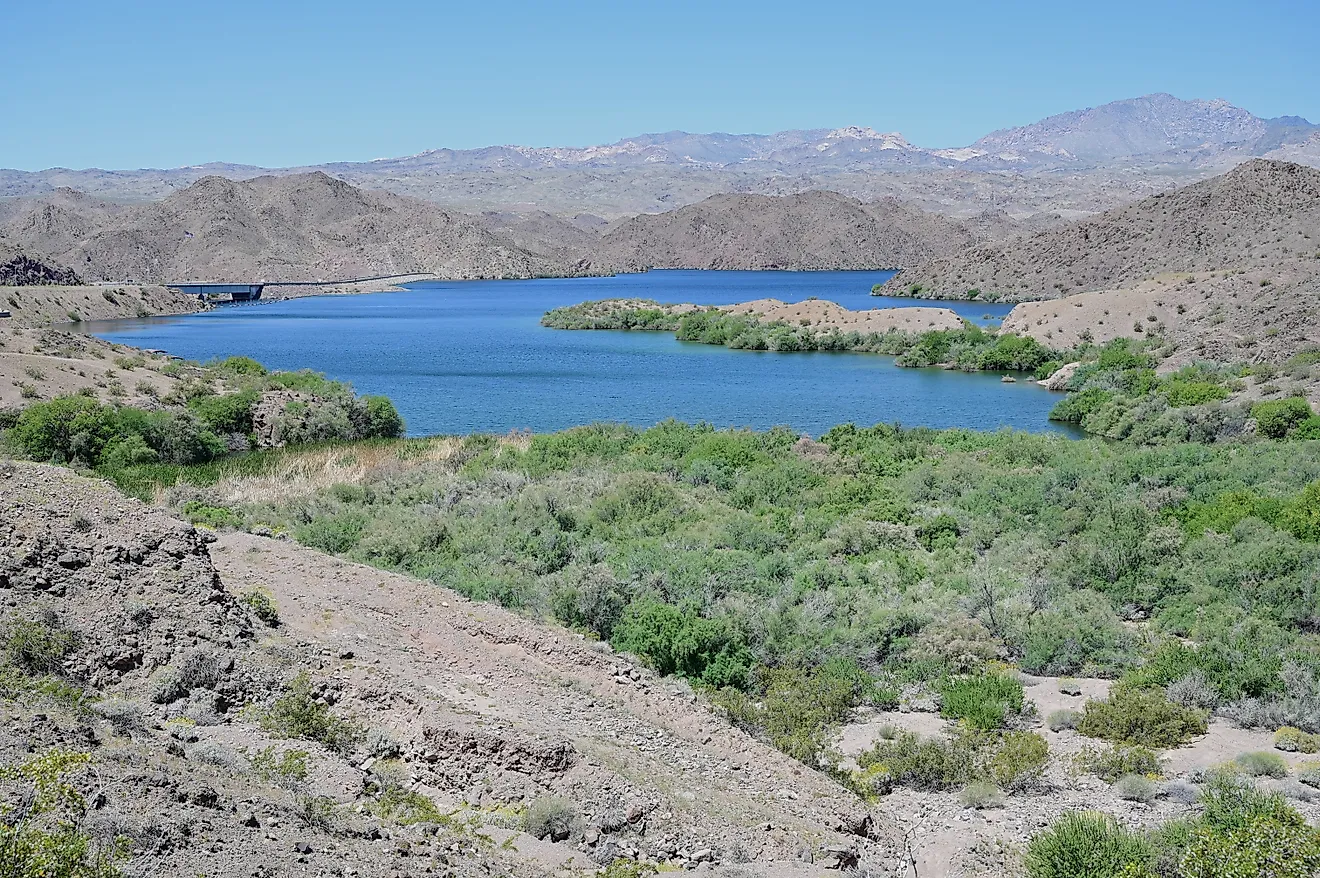
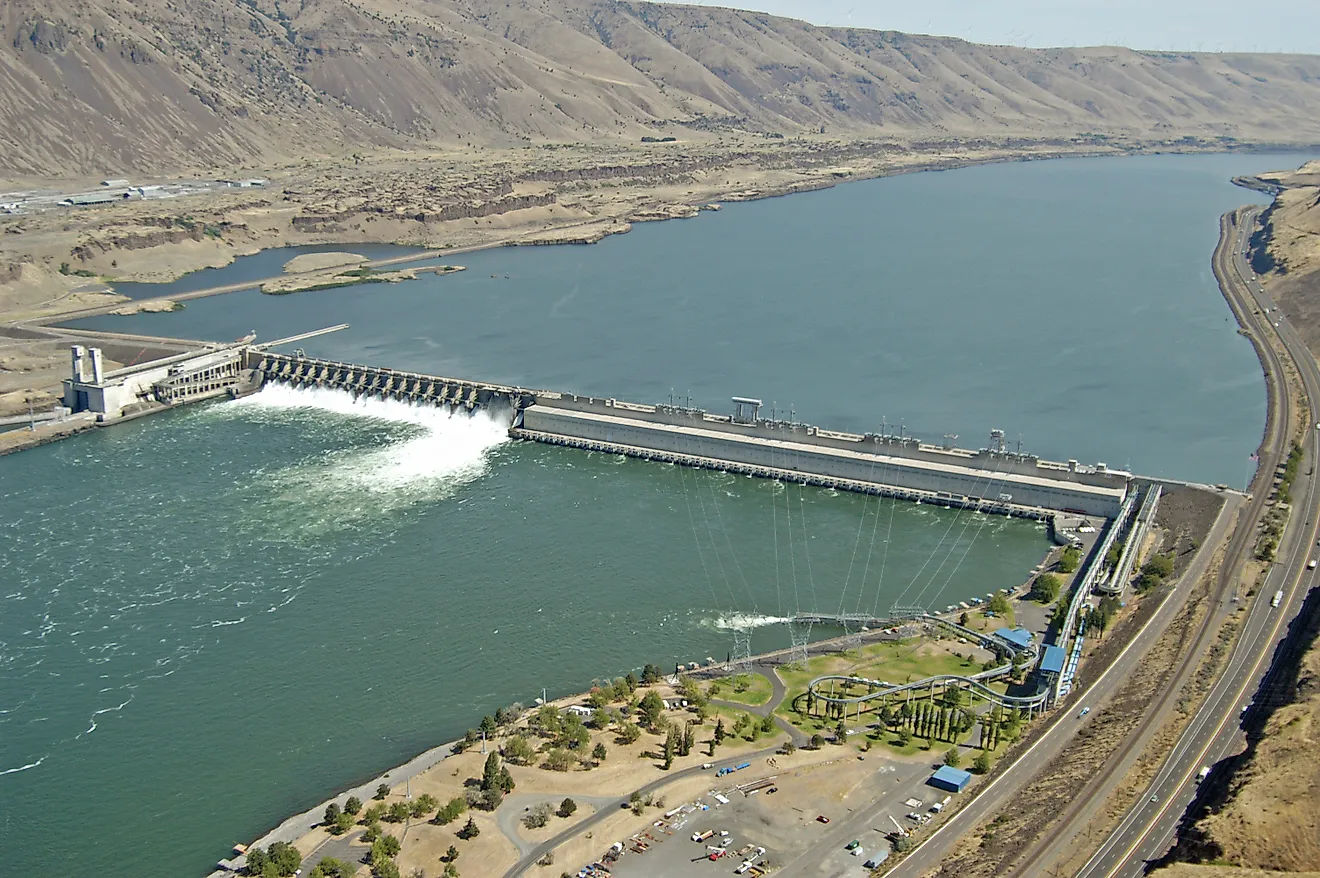
Lake Oroville sits in the foothills of Northern California, a reservoir on the Feather River backed up behind the tallest dam in the United States. Its water level rises and falls sharply with the state's wet and dry years, and boaters and anglers come out through the long, hot Central Valley summers.
Those warm summers are behind one of the more memorable freshwater jellyfish shows in recent years. Staff at the Bidwell Marina reported clouds of translucent peach blossom jellyfish gathering near the surface on summer evenings, and while the animal had turned up here before, longtime locals said they had never seen it in such numbers. Warm, calm water and a good stretch of heat are exactly what tip these jellies from invisible polyps into a visible bloom.
Lake Huron

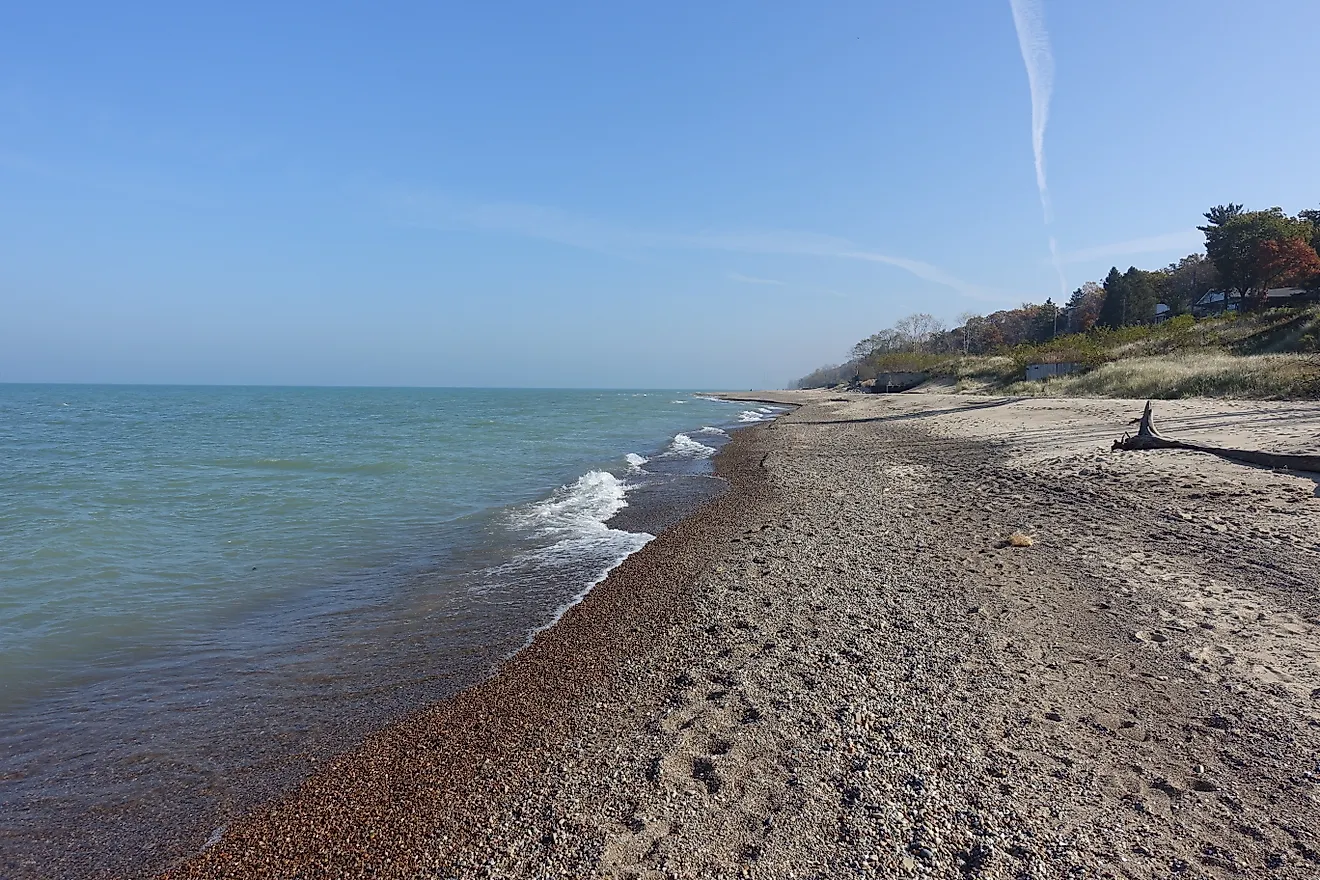
Lake Huron is the second-largest of the Great Lakes by surface area, its long, ragged coastline split between Michigan and Ontario. The first freshwater jellyfish ever recorded in the Great Lakes region turned up nearby in 1933, when a high schooler fishing the Huron River spotted something odd in the water, and the animals have drifted through the region's warmer, quieter corners ever since.
Huron is the site of one of the best jellyfish moments on record. A camera set up in the St. Clair River, which drains the lake, captured one of the largest blooms ever documented, and researchers streamed it live for anyone watching. Blooms here tend to wait for late August, when the shallows finally warm past roughly 77 degrees Fahrenheit, and even then they can vanish for years before returning to the same spot.
The Rarest Easy Sighting You Can Hope For
Set these six lakes side by side and a pattern emerges. Tanganyika and Victoria have their own ancient African jellyfish, while Taihu, Erie, Oroville, and Huron are all home to the well-traveled peach blossom species that spread out of China across the globe. What unites them is warm, calm water and a bit of luck, because the jellyfish stage is brief and unpredictable, gone as suddenly as it arrives. Freshwater jellyfish live in far more places than most people would ever guess, so a sighting is less about finding the one magic lake and more about being on the water on the right warm afternoon. If you do spot one drifting past, enjoy it. It cannot sting you, and it will slip back into the deep before long.