The Most Endangered Lakes in the United States
By the 1960s, it was clear to many Americans that there was a serious problem with the nation's freshwater. Steps were taken, concern for the lakes of the nation grew, but problems persisted. Despite efforts from all sectors, some lakes continue to struggle. Climate change is accelerating droughts. Pollution from agricultural runoff, aging infrastructure, and sewage from cities and towns remain serious concerns.
Lakes such as Great Salt Lake, Lake Erie, and Lake Okeechobee face uncertain futures, as water levels disappear, and invasive species and toxic algae wreak havoc on some of the key lakes in the United States. These lakes are considered among the most endangered due to a lack of effective action, non-native plants and wildlife, and continued human encroachment into the watersheds of the lakes of the nation.
Great Salt Lake

Utah’s Great Salt Lake is a hypersaline lake and the largest saltwater lake in the Western Hemisphere. It is the largest terminal (endorheic) lake in the Americas by surface area, and one of the largest of its kind in the world. The lake is an endorheic basin as it has no outflowing rivers. It can lose water through evaporation, leaving behind large concentrations of salt and other minerals.
The Great Salt Lake is critically endangered, and it is facing ecological collapse. Since 1850, it has lost 73% of its water and 60% of its surface area, accelerated in recent decades by climate change and unsustainable water usage. In 2023, a report was produced warning that the lake could disappear within five years if water consumption is not reduced by at least 30%.

With the water receding, over 800 square miles of lakebed have been exposed, with dust from heavy metals and arsenic posing real threats to north-central Utah, the economic and cultural center of the state, with 80% of the population. The concentration of saline has increased in the lower water levels, threatening native brine shrimp and microbialites that support over 10 million migratory birds. On average, a large share of the water that would naturally flow into the Great Salt Lake is diverted for human use — about 70% to 75% of inflows in the basin — primarily for agriculture such as alfalfa and hay.
With the drying lakebeds, CO2 emissions increase, releasing millions of tons of carbon into the atmosphere. Temporary recovery occasionally occurs due to snowfall, but this happens on an irregular basis, and the effects on the water levels are negligible. Scientists argue that despite legislative attention, the measures currently being taken will not be enough to halt the collapse, and this is considered one of the most important environmental crises in North America.
Lake Erie

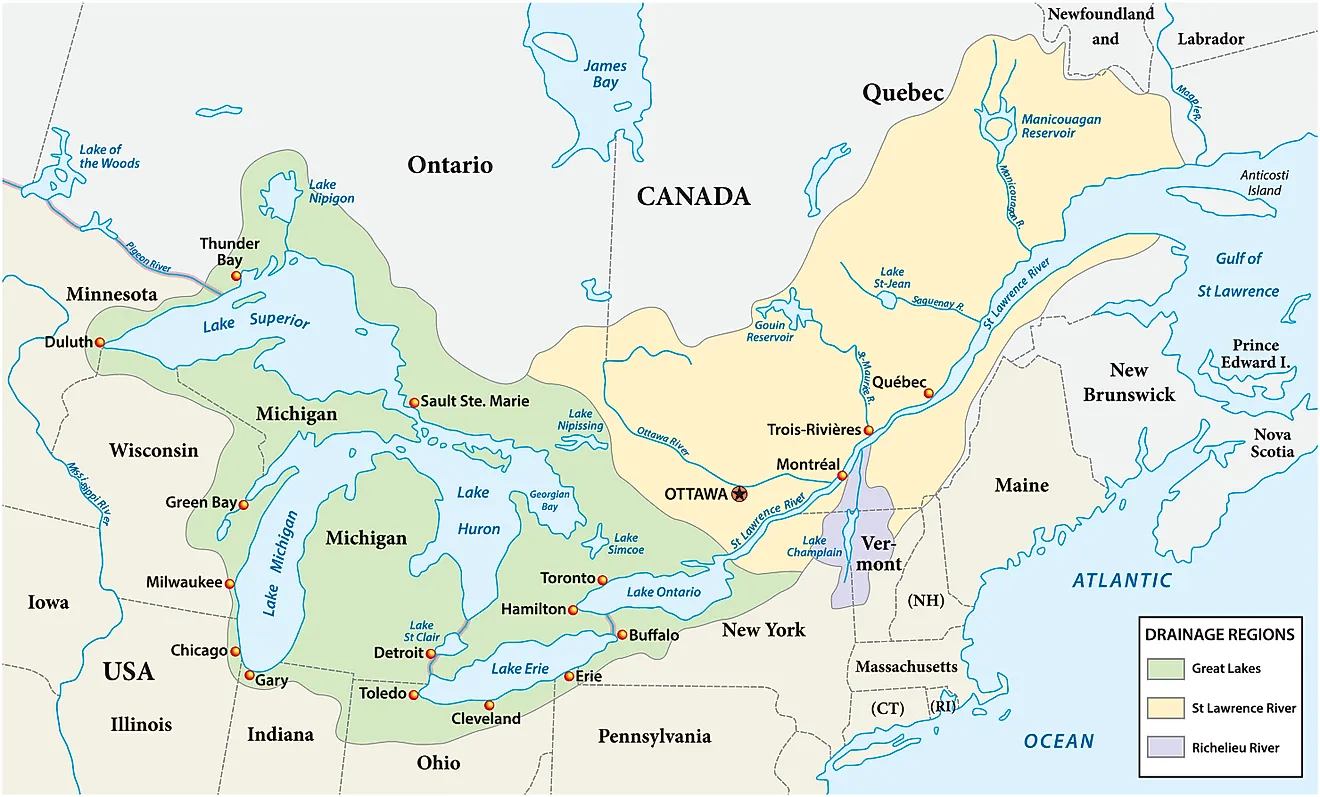
Lake Erie continues to be the most endangered of the Great Lakes, with ongoing threats, including harmful algae blooms, nutrient pollution from agricultural runoff, and invasive species. The shallowest of the Great Lakes, Erie has hypoxia, or dead zones, where there is little biological life. Once declared dead in the early 1970s, Lake Erie did manage to recover with changes to industrial waste processing and the reduction of raw sewage entering the lake, but with increased pressures from other types of pollutants and invasive species, Lake Erie is critically endangered.
The strain on the ecological systems around and in the lake has a direct impact on biodiversity and the drinking water of millions of people in the United States and Canada. The main issues threatening Lake Erie include phosphorus runoff from agriculture, which, when combined with the warmth of the water, creates cyanobacteria blooms in the western basin. When the algae die, the decomposition removes oxygen from the water, creating large dead zones in the central basin, killing aquatic life. In addition to toxic algae, there are over 180 non-native species that have entered Lake Erie, depleting the food sources necessary for the survival of native species.
Plastic pollution has also become a major concern for the water quality, as is habitat loss along the shoreline, through urban growth and wetland destruction. There is a serious risk to the lake’s biodiversity, with over 130 native species listed as conservation concerns. The Canada-Ontario Lake Erie Action Plan is a governmental plan for phosphorus reduction targets and monitoring water quality, an agreement between the United States and Canadian governments, as well as the US states that share the shoreline and waters with Ontario.
Lake Okeechobee

This lake, Florida’s largest, is often listed as the most polluted lake. This reputation comes in particular from massive algae blooms. With nutrient runoff from agriculture and warm water conditions, algae blooms thrive, leading to toxic water. As of 2026, Lake Okeechobee has been listed as being in a state of severe ecological crisis. With the high nutrient loads coming from the land around the lake, the resultant toxic algae blooms have caused over 12,000 acres of underwater vegetation loss. This, in turn, affects the lake’s ecosystem and is a threat to the lake’s important bass fishing industry.
A key concern for the lake is issues around water management. The Herbert Hoover Dike, a 143-mile earthen dam, surrounds the entire lake. Its primary function is critical flood risk management for the low-lying communities around the lake. Built in the 1930s, the dike is aging, and to protect it, large amounts of polluted water are released into the St. Lucie and Caloosahatchee estuaries. These water releases can contribute to nutrient loading and ecological stress in downstream estuaries that are part of the broader Lake Okeechobee watershed system.
There are efforts, particularly from the US Army Corps of Engineers and the South Florida Water Management District, to reduce nutrient levels and to manage water levels. The Lake Okeechobee Recovery Operations began in late 2024 to restore water vegetation.
Lake Ontario

While much concern focuses on Lake Erie, Lake Ontario is also at risk due to invasive species, as well as what some critics have called minimal and unevenly applied protection from pollution. Lake Ontario’s position as the last Great Lake downstream in the chain of lakes leading out through the St. Lawrence Seaway and into the Atlantic Ocean means that it receives pollution from the other lakes. Heavily industrialized on both sides of the US-Canada border, and with a high concentration of urban infrastructure, runoff from high-density cities, industrial sites, and agricultural land has threatened the lake.
As the first lake to receive cargo shipping from the Atlantic Ocean before heading towards the other lakes, Lake Ontario is vulnerable to invasive species attached to the ocean-going vessels. Although the lake is of crucial ecological importance, there is very little protected coastline on either side of Lake Ontario. While cleaning highly contaminated sites and species restoration efforts are underway, including the native Atlantic salmon, stresses from increasing urbanization remain a key threat to Lake Ontario.
Lake Mead

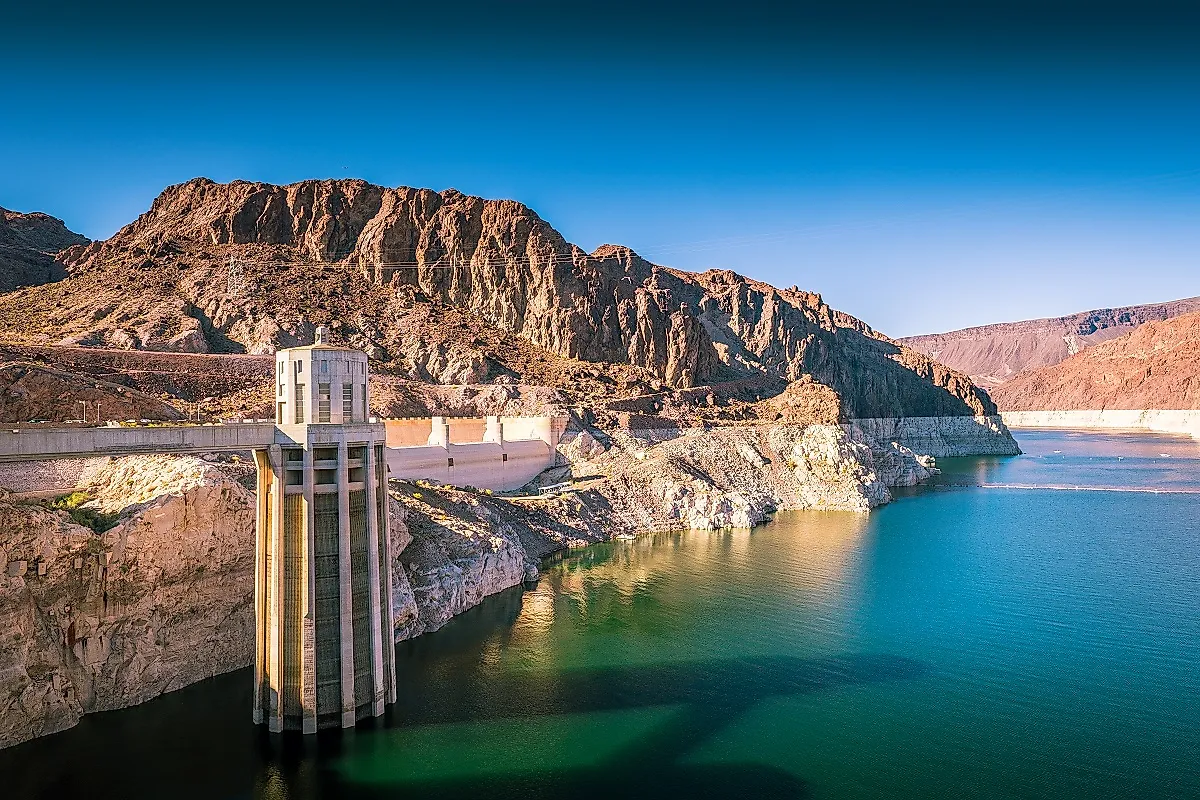
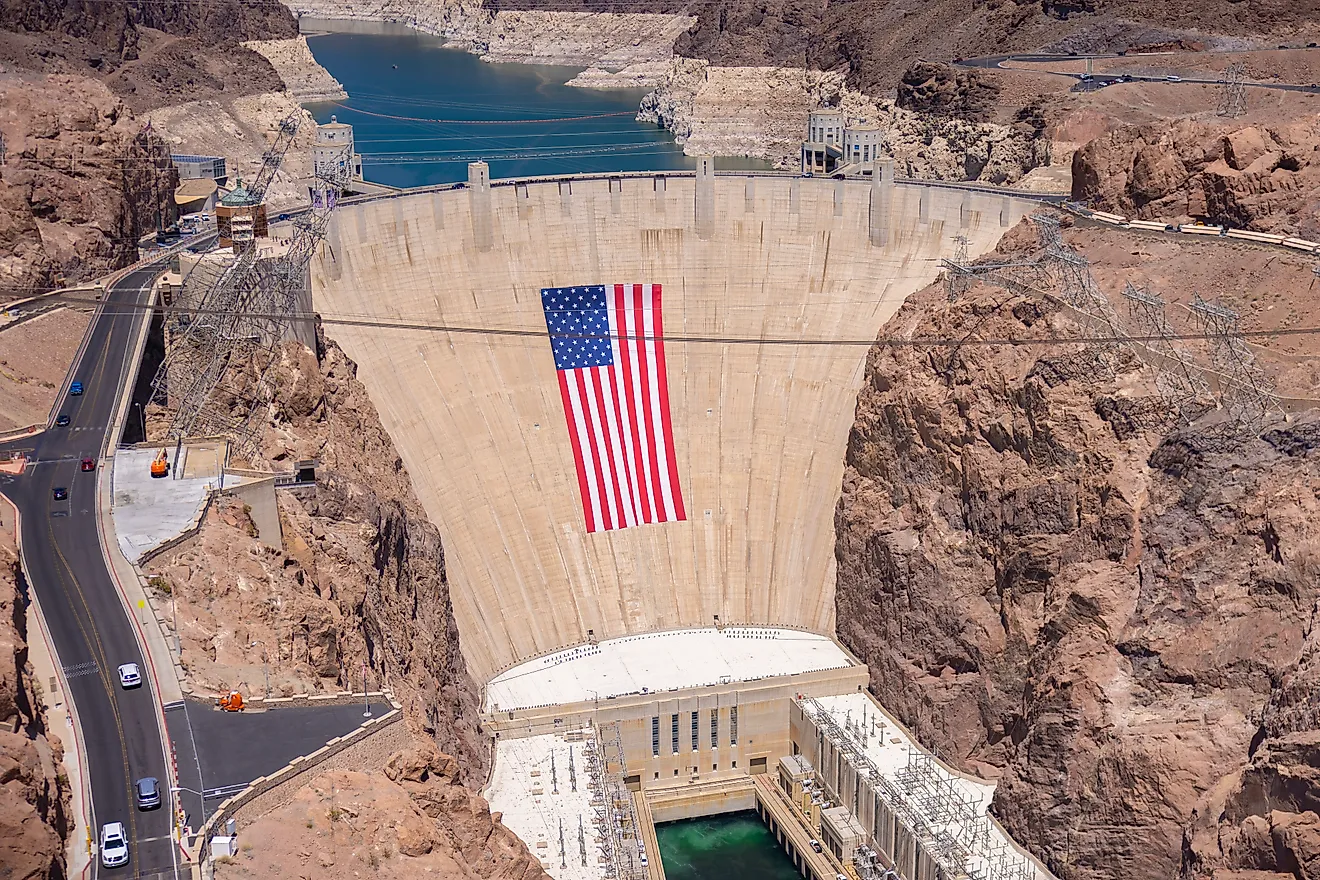
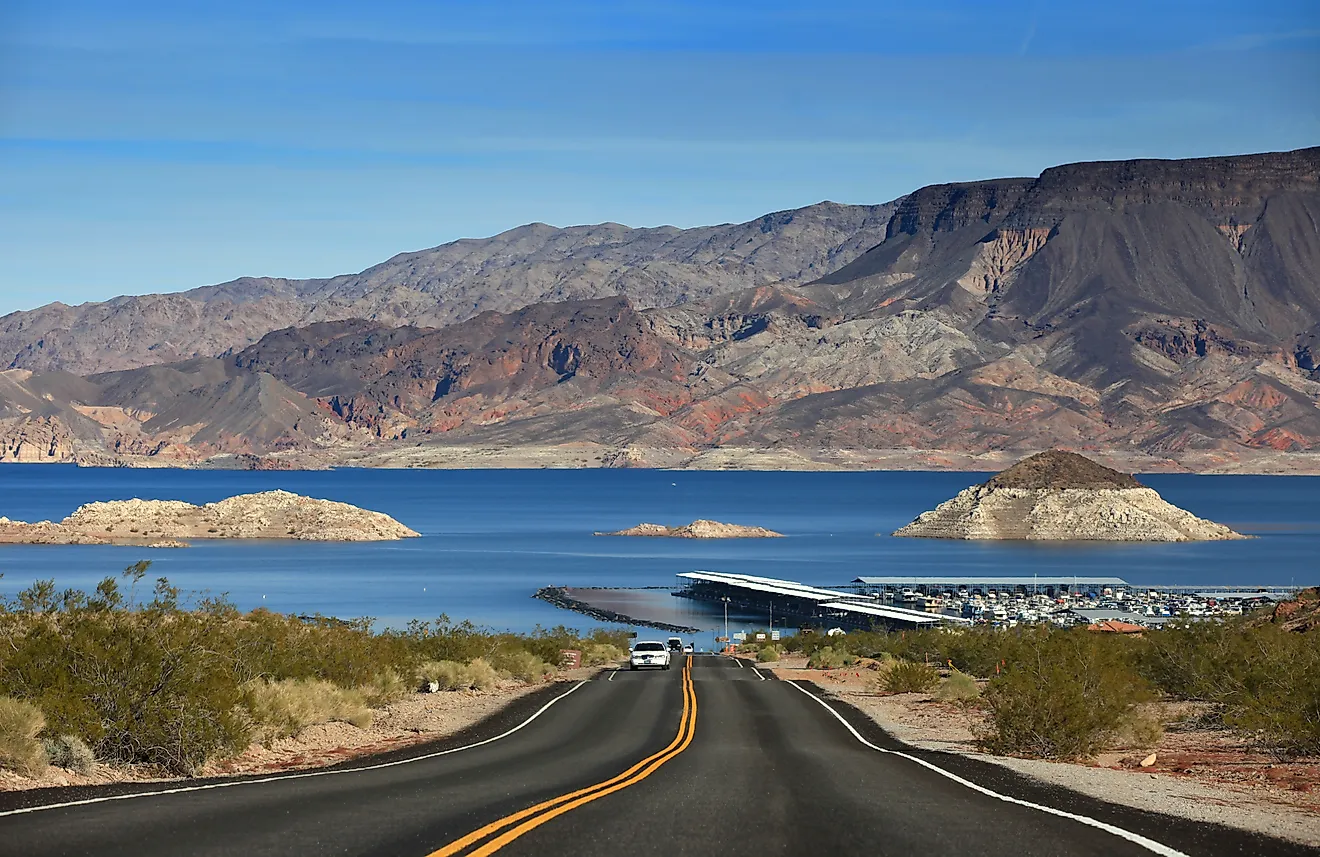
This lake, bordering Nevada and Arizona, is endangered due to the loss of two-thirds to three-quarters of its total capacity since 2000. Conservation efforts have prevented dead pool conditions; this crucial reservoir remains threatened due to chronic drought, climate change, and overuse. Water levels rebounded somewhat in 2024, but the lake is at its lowest levels since it was filled in the 1930s, when it was formed by the Hoover Dam on the Colorado River.
As of 2026, the lake has begun declining at increasing rates. This contributes to the dead pool threat, where water levels cannot flow through the Hoover Dam. This impacts Hoover Dam's ability to generate electricity, as well as creating low-oxygen zones in the lake itself. The water decline is also affecting water allocations because of shortages. The region is in a mega-drought situation, experiencing the worst drought in over 1,200 years. Some infrastructure improvements have secured water access for Las Vegas, but the overall health of Lake Mead remains in question.
A Possibility of Recovery

With targeted and persistent interventions, endangered lakes can recover. Holistic approaches are needed to address systemic problems; in the past, efforts were often directed at one problem, while others were ignored. Rebalancing water allocations, effectively eradicating invasive species, and rigorously pursuing the causes of toxic algae can pull lakes from the abyss.
At one time, Lake Erie was considered to be a dead lake. Through effort, some recovery was achieved. In the case of the Great Salt Lake, the situation is dire. Unprecedented efforts are needed to restore the lake to healthy ecological levels. Consumptive water use needs to be cut by 33% to 50% in order to restore 470,000 acres to 770,000 acres of water each year.